English
 中文简体
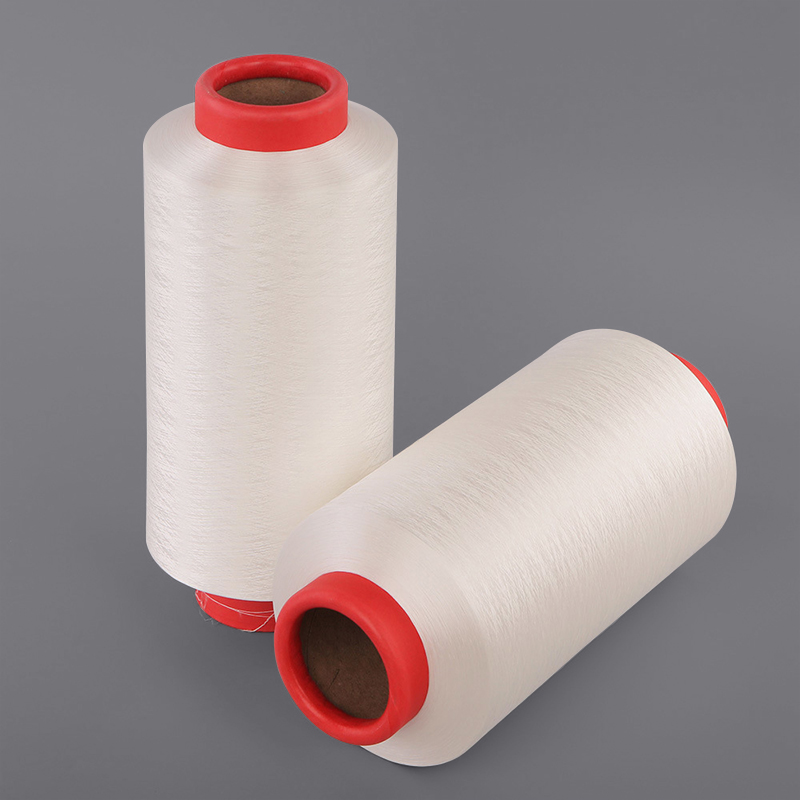
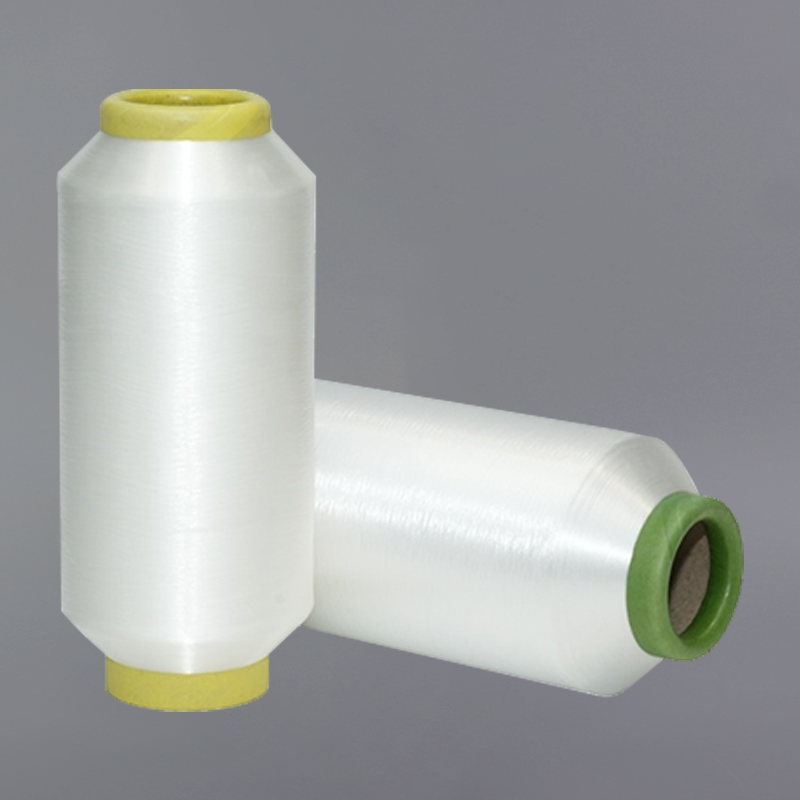
中文简体It is made with Bio-base PLA, fully biodegradable Feature: 1. Industrial compost product 2. Made with PLA 3. Eco-frie...
READ MORE
Content
The modern footwear industry requires materials that combine strength, processing efficiency, comfort, appearance, and environmental responsibility. Shoe uppers are no longer made from a single layer of conventional fabric. Athletic shoes, casual footwear, safety shoes, fashion sneakers, and performance footwear increasingly use combinations of knitted mesh, woven textiles, synthetic leather, coated fabrics, nonwoven supports, reinforcement films, and structural linings. These layers must be joined accurately without damaging their appearance, flexibility, or dimensional stability.
Polyester Low-Melting Yarn For Shoes Upper is developed to address this challenge. It is a functional polyester yarn designed to provide high tenacity, smooth rewinding, and a controlled melting point of approximately 110 degrees Celsius. During a suitable heating or pressing process, the yarn softens and melts at a temperature considerably lower than that of ordinary polyester. It can therefore act as a bonding component in shoe-upper construction while helping manufacturers protect heat-sensitive fabrics and reduce the need for additional adhesive materials.
The product is available in a 150D specification, with other counts available by selection or special order. Its principal application is the production of shoe uppers, where it can support fabric lamination, reinforcement, lining attachment, and localized thermal bonding. By combining the mechanical characteristics of polyester with a carefully controlled low-melting formulation, the yarn offers a practical solution for footwear manufacturers seeking reliable processing and consistent finished-product quality.
Manufactured by GC FIBER, a special textile producer established in China in 2006, this yarn benefits from experience in functional and eco-friendly textile development. The company researches, develops, produces, and sells specialized yarn products, including biodegradable yarn, low-melting yarn, ECDP yarn, anti-static yarn, HDPE yarn, bio-component yarn, and polyester filament yarn. Its technical team also works with customers to develop new materials for specific production requirements.
This article examines the construction, performance, processing advantages, applications, manufacturing strengths, quality considerations, and commercial value of polyester low-melting yarn for shoe uppers. It also explains why a 110-degree activation profile can provide advantages over conventional high-temperature polyester bonding methods and less specialized low-melting yarn products.
Polyester Low Melting Yarn For Shoes Upper
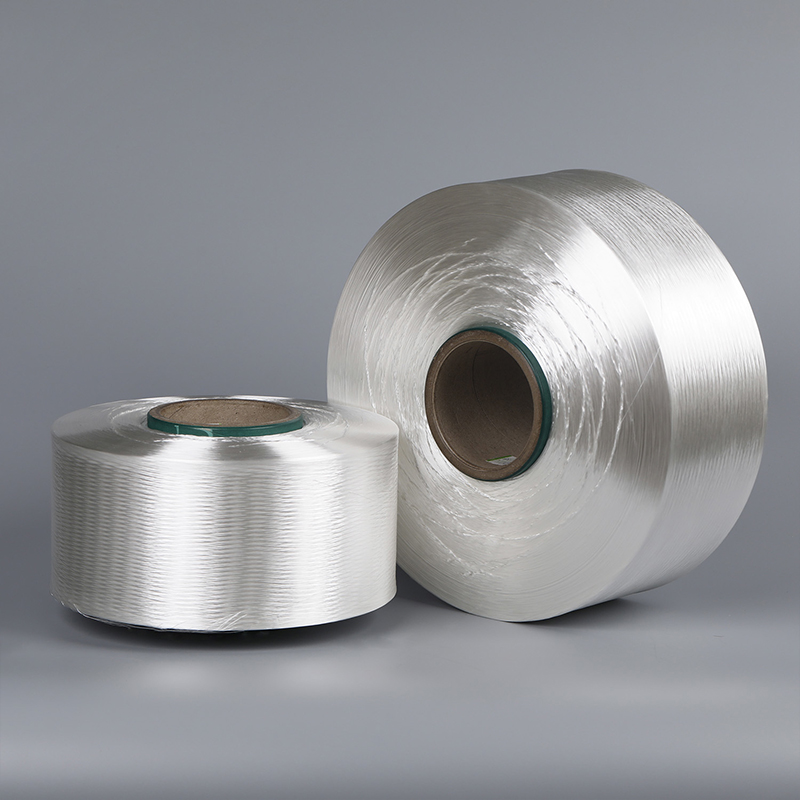
Polyester Low-Melting Yarn For Shoes Upper is a functional yarn engineered for thermal bonding applications in footwear manufacturing. Its basic performance profile is defined by four major characteristics: high tenacity, easy rewind, a melting point of approximately 110 degrees Celsius, and suitability for shoe-upper production.
The yarn can be incorporated into a textile structure, used as a bonding yarn, or applied in a construction where heat activates selected areas of the material. When exposed to an appropriate temperature for a controlled period, the low-melting component softens and forms a bonding interface with adjacent fibers or layers. After cooling, the bonded area can provide improved structural cohesion while maintaining the lightweight character expected from modern upper materials.
Unlike ordinary polyester filament yarn, which is generally selected for strength, appearance, or dimensional stability but requires a much higher temperature to melt, this functional yarn is formulated to activate within a lower thermal processing window. Standard polyester is commonly associated with a melting range near 260 degrees Celsius. Such a temperature is unsuitable for many shoe-upper materials because synthetic mesh, stretch knits, coated textiles, and other components may shrink, distort, discolor, or lose their performance before conventional polyester becomes fully effective as a bonding material.
The approximately 110-degree melting point is therefore central to the product’s value. It allows footwear manufacturers to create a bonding effect at a temperature more compatible with common upper materials. The exact processing conditions should be established through production trials because bonding performance depends on dwell time, pressure, equipment design, fabric composition, yarn placement, and the temperature actually reached inside the material structure.
| Item | Product Information | Manufacturing Relevance |
|---|---|---|
| Product type | Polyester low-melting yarn | Provides a heat-activated bonding function within textile assemblies |
| Primary application | Shoe uppers | Supports lamination, reinforcement, lining attachment, and structural bonding |
| Available count | 150D and other counts by selection or order | Allows specification matching for different fabrics and machine settings |
| Melting point | Approximately 110 degrees Celsius | Offers a lower-temperature activation window than standard polyester |
| Mechanical property | High tenacity | Resists breakage during feeding, stitching, bonding, and handling |
| Handling property | Easy rewind | Promotes smooth unwinding and consistent supply on production equipment |
| Supply method | Standard supply and special production by order | Supports both regular purchasing and customized development |
| Shipping point | Shanghai seaport | Facilitates export logistics for international footwear customers |
A shoe upper must often perform several functions at once. It should hold the foot securely, retain its shape, allow movement, support breathability, resist abrasion, and maintain an attractive surface. At the same time, it must be manufactured at a competitive cost and with a production process that can support high volumes.
Bonding technology has become increasingly important because it can reduce the amount of sewing, improve surface cleanliness, and enable new upper designs. Heat bonding can join layers without visible stitching, create targeted reinforcement zones, and support the production of lightweight uppers. However, the success of thermal bonding depends heavily on temperature compatibility between the bonding material and the surrounding components.
A high-temperature bonding method may work with robust industrial fabrics, but it can be unsuitable for delicate knitted structures, stretch fabrics, synthetic mesh, and thin coated materials. Excessive heat can cause unwanted shrinkage, hardening, gloss changes, bubbling, curling, or loss of elasticity. It may also damage dyes, coatings, foams, or adhesives already present in the construction.
A low-melting yarn provides a different approach. Rather than forcing every component to tolerate the melting temperature of conventional polyester, the bonding yarn is designed to activate at a lower temperature. This can widen the range of materials that a manufacturer can combine in one upper construction. It can also give process engineers more control over the bonding window, especially when the equipment is configured for low-temperature heat pressing or thermal lamination.
For footwear manufacturers, this controlled activation can provide several commercial benefits. Lower process temperatures may reduce energy demand in the heating stage, although actual savings depend on equipment, cycle time, pressure, and factory conditions. A lower thermal load may also reduce the risk of rejected components caused by heat damage. When the bonding process is stable, production planning becomes more predictable and design teams gain greater freedom to use lightweight or heat-sensitive materials.
High tenacity is one of the most important advantages of this product. Shoe-upper production exposes yarn to repeated tension, bending, friction, and directional changes. During weaving, knitting, stitching, feeding, winding, cutting, and bonding, a yarn that lacks sufficient strength may break or develop defects. Even a small number of breaks can interrupt an automated production line and reduce material utilization.
The high-tenacity construction of the yarn helps it maintain structural integrity during normal production handling. It is designed to resist breakage during high-speed feeding and to remain stable when used in textile assemblies that undergo tension before the thermal activation stage. This is particularly valuable for manufacturers operating long production runs, where frequent yarn breaks can create cumulative downtime.
High tenacity also supports better consistency in the finished upper. If a bonding yarn breaks or becomes unevenly distributed before activation, the final bonded area may contain weak points. A stronger yarn can help maintain continuity through the relevant production steps, improving the probability that the intended bonding pattern will be formed correctly.
The strength characteristic should not be viewed only as a laboratory value. In industrial use, yarn strength affects machine efficiency, operator intervention, waste levels, and production predictability. A yarn that runs reliably allows operators to focus on process control rather than repeatedly correcting breaks, tangles, or irregular feeding. This can be especially useful in factories using automated knitting, stitching, winding, or heat-pressing equipment.
First, high tenacity can reduce the frequency of yarn breakage during feeding and textile formation. Second, it can improve dimensional control before heating because the yarn is less likely to stretch or deform unexpectedly under ordinary processing tension. Third, it can support more consistent bonding patterns after activation. Fourth, it may reduce the amount of material discarded because of interruptions or defects. Finally, it can contribute to a more stable production rhythm across repeated batches.
These advantages distinguish a purpose-developed footwear bonding yarn from a low-cost yarn that has been selected only for its melting behavior. A low melting point is important, but it must be combined with sufficient mechanical performance to survive the manufacturing route before activation.
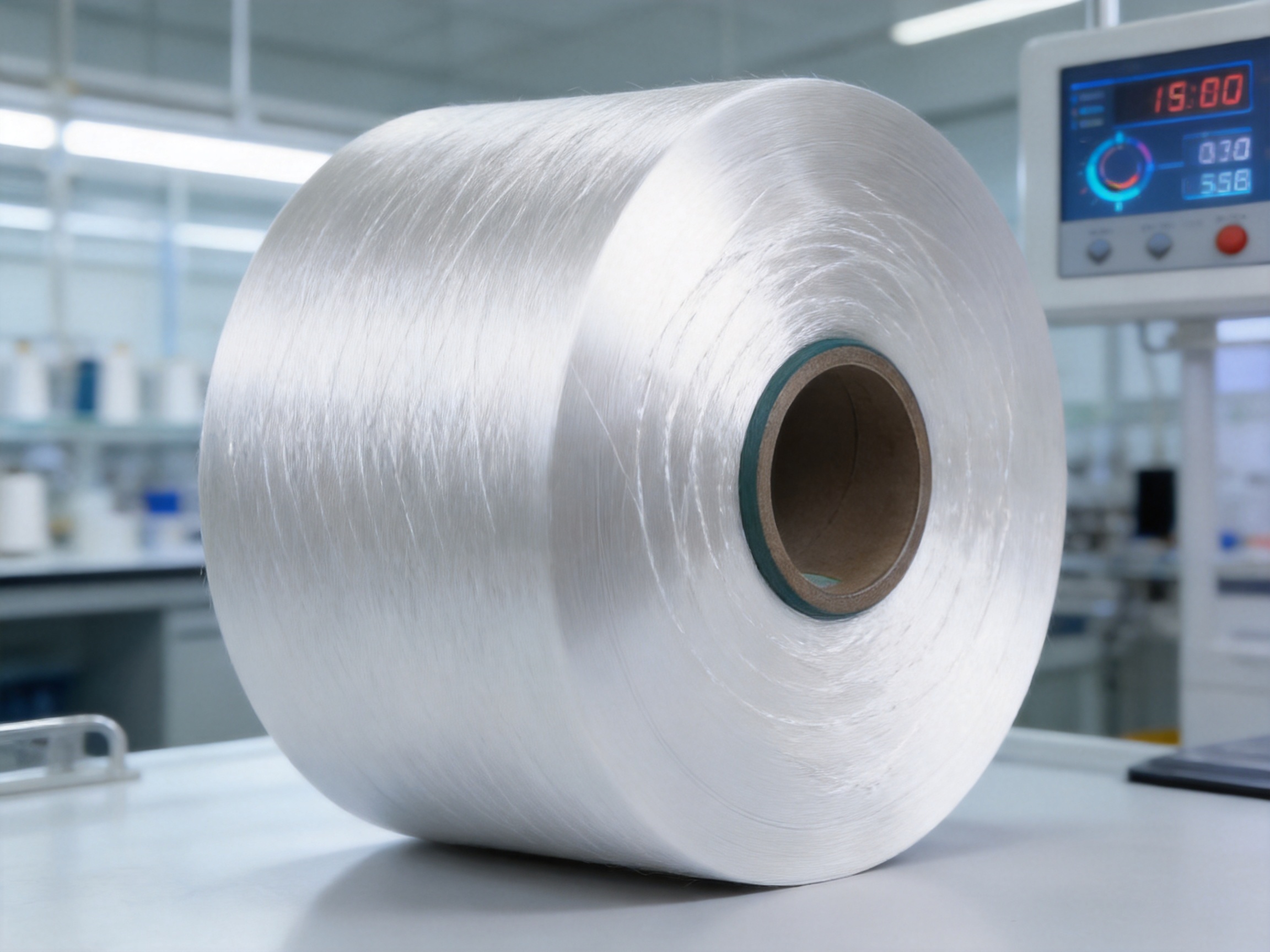
Easy rewind is another significant product feature. Yarn handling problems can create hidden costs in a footwear factory. Tangling, uneven unwinding, excessive tension variation, and irregular package formation may lead to machine stoppages, operator adjustments, damaged yarn, and inconsistent fabric formation.
The product is wound to controlled tension tolerances to support smooth and even unwinding. When a yarn package rewinds properly, it can feed more consistently into automated equipment. This reduces the likelihood of sudden tension peaks, loose loops, crossovers, and interruptions. Smooth supply is especially important when the yarn is used in a high-speed process or when it is combined with other yarns that have different tension responses.
Easy rewind also helps improve bobbin utilization. If the yarn unwinds evenly, a larger proportion of the package can be used before replacement is necessary. Fewer bobbin changes can support longer periods of continuous operation and reduce the amount of labor associated with package handling. In a high-volume footwear factory, small improvements in package performance can produce meaningful gains over many production lines and working shifts.
The relationship between rewinding and quality is equally important. Uneven unwinding can cause inconsistent yarn placement, which may lead to variation in the density or position of a bonded zone. A well-prepared package helps the yarn arrive at the machine in a predictable condition. This is a practical advantage over products that may meet a basic melting specification but lack adequate package precision.
Modern shoe-upper production increasingly uses automated or semi-automated machinery. These systems are designed to maintain a consistent feed rate and repeat a programmed process across large quantities of components. They perform best when raw materials behave predictably.
A yarn with reliable rewind performance can help reduce manual intervention. Operators do not need to stop the equipment as often to clear tangles or correct loose sections. This supports higher effective utilization of the production line. It also helps reduce variation between shifts because the material is less dependent on individual operator adjustments.
Of course, rewind performance is influenced by storage conditions, package design, machine tension settings, and handling practices. The yarn should be protected from moisture, dust, compression, and excessive heat during storage and transportation. Before full-scale production, customers should test the packages on their own equipment and confirm the recommended tension and feeding settings.
The approximately 110-degree Celsius melting point is the defining technical feature of the product. It represents a carefully selected activation temperature intended for shoe-upper materials and related thermal bonding operations.
Ordinary polyester is valued for its strength and durability, but it generally requires much higher temperatures to melt. If a manufacturer attempts to use standard polyester as the primary melt-bonding component, the surrounding upper materials may be exposed to excessive heat. This is a major concern when the construction includes synthetic mesh, thermoplastic polyurethane coatings, elastic knitted fabrics, foams, printed surfaces, or delicate decorative elements.
At approximately 110 degrees Celsius, the low-melting yarn can soften and form a bonding layer within a more moderate processing range. This enables manufacturers to use heat pressing or thermal bonding methods while reducing the risk of scorching, discoloration, distortion, and weakening of neighboring layers. The lower temperature does not eliminate the need for process control, but it makes the process more compatible with the material systems commonly used in footwear.
The activation temperature also creates a clearer process window. A manufacturer can select a suitable combination of heat, pressure, and time based on the upper construction. If the process is too cool, the yarn may not melt sufficiently. If it is too hot or too long, adjacent materials may still be affected. Production trials are therefore essential, but the lower melting profile gives engineers a practical starting point for developing a stable recipe.
Synthetic mesh is widely used in athletic footwear because it provides low weight and breathability. However, mesh can be vulnerable to deformation when exposed to excessive heat. Stretch knits may lose their elasticity or change shape, while coated fabrics may develop surface defects. Low-temperature activation can help manufacturers bond these materials without exposing them to the thermal conditions associated with standard polyester melting.
The product may also be useful when multiple materials with different thermal tolerances must be joined. The yarn can serve as a controlled bonding element within a composite structure, allowing the manufacturer to preserve the appearance and performance of the outer material while creating internal cohesion. This is particularly valuable for products that require a clean surface without heavy stitching or visible adhesive residue.
A lower melting point can support more efficient heating, but energy performance must be evaluated as part of the complete production system. Actual consumption depends on machine insulation, heating method, cycle duration, pressure, production volume, and the amount of material being heated. Even so, activating the bonding yarn at a lower temperature may reduce the thermal burden of the process and shorten the time required to reach the bonding condition.
Lower-temperature processing can also improve workplace and equipment conditions. It may reduce unnecessary heat exposure around the machine and decrease thermal stress on fixtures, rollers, molds, or press surfaces. These effects depend on the specific equipment, but they are important considerations when a factory is evaluating the total cost of ownership of a bonding system.
One of the product’s main advantages over general-purpose low-melting yarns is its specific orientation toward shoe-upper production. A yarn designed for another textile sector may have an appropriate melting point but lack the mechanical, package, or compatibility characteristics needed for footwear.
Shoe uppers are subject to demanding design requirements. They must often be lightweight, flexible, abrasion-resistant, breathable, and visually attractive. They may contain curved zones, sharply defined reinforcement areas, stretch sections, and multiple layers with different orientations. The bonding yarn must function within this complex environment without making the upper excessively stiff or heavy.
Polyester Low-Melting Yarn For Shoes Upper is intended to support these structural and bonding requirements. It can be used to laminate fabric layers, reinforce selected zones, and secure linings to outer materials during heat pressing or thermal bonding. Depending on the design, the yarn may be positioned throughout a textile, concentrated in specific areas, or combined with a supporting fabric structure.
For lightweight running shoes, the yarn can support the formation of a stable upper while helping designers minimize additional adhesive films or heavy reinforcement materials. For casual footwear, it can help join fabric layers while preserving a clean appearance. For professional sports shoes, it can contribute to localized support zones where dimensional stability is important. In each case, the suitable yarn count, density, placement, and thermal recipe should be selected according to the final construction.
The product may also be considered for related textile bonding applications when the temperature and compatibility requirements are similar. Possible examples include sportswear components, structured textile panels, fabric lamination, and other footwear parts that require controlled low-temperature melt bonding. Testing remains necessary because each material combination has its own behavior during heating and cooling.
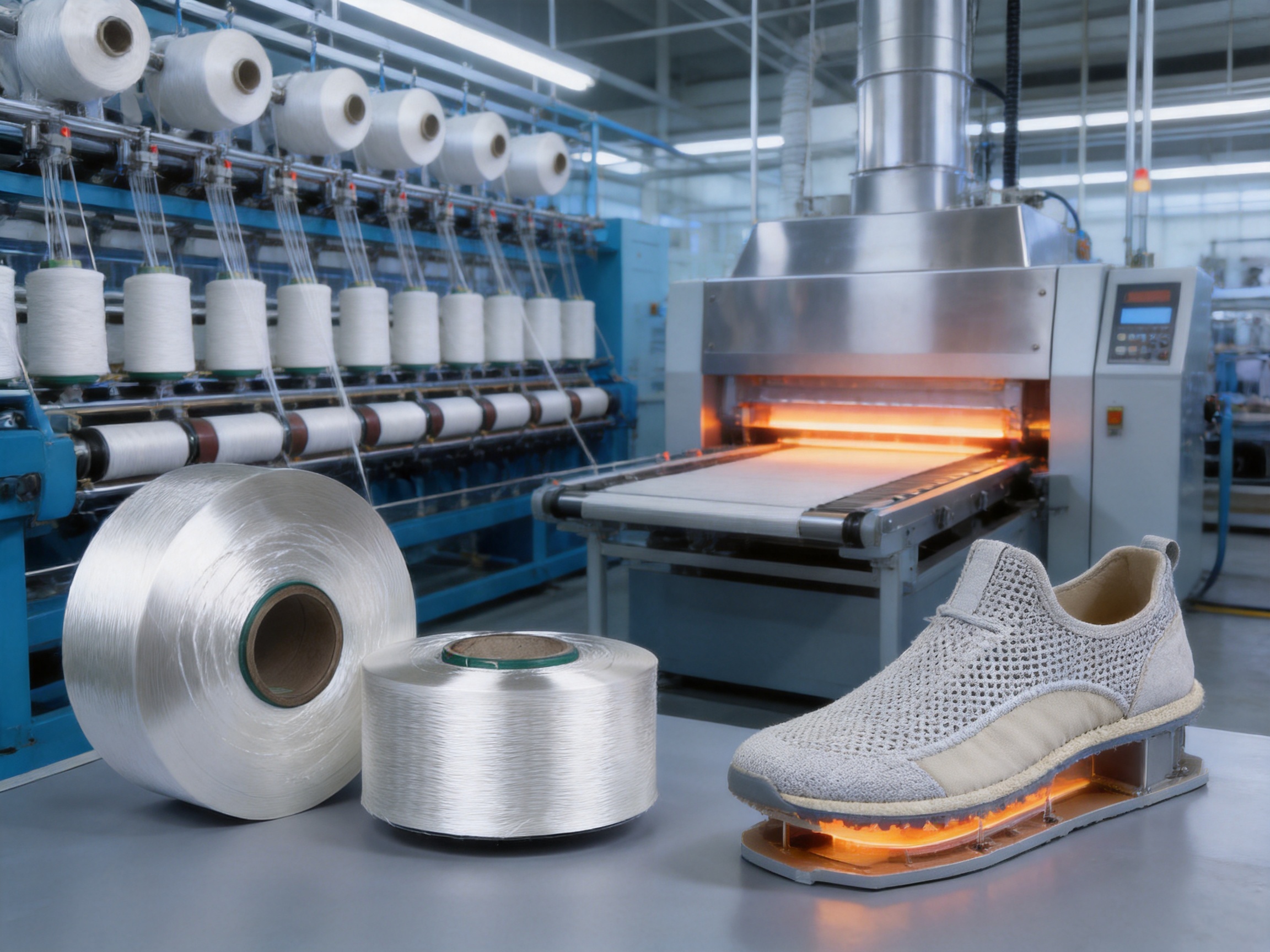
The performance of a functional yarn depends not only on its chemical formulation but also on the consistency of the manufacturing process. A product may have a nominal melting point, yet perform poorly if the filament quality, package formation, tension control, or inspection system is unstable. For this reason, the manufacturing capabilities of the supplier are a major part of the product evaluation.
GC FIBER has specialized in functional and eco-friendly textile products since 2006. The company combines research, development, production, and sales within one business structure. This integrated model allows technical requirements from customers to be communicated directly to product development and manufacturing teams.
High-quality polyester fiber is used as the principal raw material for the product. Raw material selection influences tensile performance, thermal response, surface condition, and long-term stability. For a low-melting yarn, the polymer system must be selected and controlled so that the product can activate at the intended temperature while maintaining sufficient strength before heating.
Material selection also affects compatibility with other textile components. The bonding phase should interact effectively with nearby fibers or surfaces without creating unwanted brittleness, excessive stiffness, or poor adhesion. A specialized manufacturer can evaluate these factors during formulation and product development rather than treating melting point as the only design target.
The low-melting behavior is achieved through a specialized formulation and fiber design. The formulation must provide a reliable transition at approximately 110 degrees Celsius and remain stable during normal storage, handling, and pre-bonding operations. It must also be suitable for conversion into yarn packages that can run on textile equipment.
Functional yarn development requires a balance between thermal response and mechanical performance. If the yarn is too soft before processing, it may not feed reliably. If it is too strong and thermally resistant, it may fail to activate within the intended window. If the melt is too fluid, it may migrate beyond the designed bonding zone. If it is insufficiently mobile, it may not create adequate contact between layers. Product engineering therefore involves more than selecting a low activation temperature.
After formulation, the material is processed through controlled textile operations designed to produce a consistent filament yarn. Precision in spinning, drawing, winding, and package formation helps establish the combination of tenacity, elongation, surface regularity, and rewinding performance required by footwear manufacturers.
Process control is important at every stage. Variations in tension can affect filament alignment and package density. Inconsistent winding can lead to poor unwinding behavior. Irregular filament surfaces may create friction or feeding problems. Stable production conditions help ensure that the yarn supplied to customers behaves consistently from package to package.
The company’s experience across multiple functional yarn categories strengthens its ability to understand different polymer systems and application requirements. Its product portfolio includes biodegradable, anti-static, HDPE, bio-component, ECDP, low-melting, and polyester filament yarns. This broad technical background provides a valuable foundation for developing materials with different combinations of strength, environmental performance, thermal response, and surface behavior.
GC FIBER maintains a research and development team composed of industry experts and senior engineers. The team continually explores new materials and processes to keep products aligned with changing market requirements. This is particularly important in footwear, where brands and manufacturers regularly request lighter constructions, cleaner bonding methods, improved comfort, lower environmental impact, and shorter development cycles.
Customer cooperation is another important part of the development model. Footwear customers may require a particular yarn count, activation behavior, package size, color, bonding strength, or processing profile. Special production by order allows the supplier to discuss these requirements and evaluate whether a customized product can be developed.
A development-oriented supplier can help customers move from a general material concept to a production-ready specification. This may involve sample preparation, machine trials, thermal testing, fabric compatibility checks, and adjustment of the yarn structure. Such cooperation is an advantage over suppliers that offer only fixed standard products with limited technical support.
The footwear market contains several categories of bonding materials, including conventional polyester yarn, adhesive films, hot-melt powders, thermoplastic tapes, glue-based systems, and general-purpose low-melting yarns. Polyester Low-Melting Yarn For Shoes Upper offers a distinct combination of characteristics within this competitive landscape.
Standard polyester yarn offers strength and durability, but its high melting temperature makes it unsuitable for low-temperature thermal bonding. The low-melting product retains the familiar polyester-based foundation while providing a much lower activation temperature. This makes it more practical for shoe-upper assemblies containing heat-sensitive materials.
Liquid adhesives can provide strong bonding, but they may require coating equipment, drying time, solvents, controlled application thickness, and additional workplace management. A low-melting yarn can function as an integrated textile component and may reduce the need for separate glue application in suitable constructions. It can also support a cleaner process with less risk of adhesive migration or visible residue.
The environmental profile of any bonding system should be assessed across the complete process. A yarn-based method may reduce chemical solvent use and simplify handling, but the final evaluation should include raw materials, heating energy, waste, recyclability, and end-of-life considerations.
Adhesive films provide uniform bonding over a broad surface, but they may add weight, alter flexibility, or require precise cutting and placement. A yarn can be incorporated selectively, allowing designers to create bonding patterns and reinforcement zones with more structural flexibility. The most suitable option depends on the upper architecture, but yarn-based bonding can be attractive for knitted and woven constructions.
General-purpose products may not be optimized for the tension, package, flexibility, and appearance requirements of footwear. A shoe-upper-specific yarn is more likely to address the practical conditions of upper construction, including high-speed feeding, curved component shapes, lightweight materials, and the need to preserve comfort.
| Comparison Factor | Low-Melting Yarn for Shoe Uppers | Standard Polyester Yarn | Liquid Adhesive | Adhesive Film |
|---|---|---|---|---|
| Activation temperature | Approximately 110 degrees Celsius | Much higher melting temperature | Usually activated by chemical drying or heat depending on formulation | Depends on film chemistry |
| Integration with textile structures | Can be incorporated into yarn or fabric constructions | Strong textile integration but limited low-temperature bonding | Applied separately | Applied as a separate layer |
| Suitability for heat-sensitive uppers | High potential when properly processed | Limited for direct melt bonding | Depends on adhesive chemistry | Depends on film activation temperature |
| Mechanical pre-bonding strength | High tenacity | Can be high | Not applicable as a yarn | Not applicable as a yarn |
| Feeding and winding | Designed for easy rewind | Varies by product | Requires separate application equipment | Requires cutting and placement |
| Process cleanliness | May reduce separate adhesive handling | Clean but not a low-temperature bonding solution | May involve liquid handling and drying | Generally clean but adds a separate material layer |
| Design flexibility | Supports localized or integrated bonding | High textile flexibility but no low-temperature melt function | Flexible application but dependent on coating precision | Broad-area bonding, sometimes less selective |
The yarn can be used to join an outer textile to a supporting layer, lining, or reinforcement. During heat pressing, the yarn activates and forms a bonding interface between the materials. This can help manufacturers produce layered uppers without relying entirely on stitching or separate adhesive films.
Lamination may be used to improve shape retention, reinforce a high-stress area, stabilize a mesh, or provide a smooth transition between different textile components. The yarn count and distribution should be matched to the required bonding strength and flexibility.
Comfortable footwear often includes a lining that must remain securely positioned inside the upper. Low-melting yarn can support thermal attachment of the lining to the outer material or an intermediate support layer. When correctly processed, the bonded area can remain stable during assembly and subsequent wear.
Some upper designs require additional support around the toe box, heel, eyelet area, side panels, or other zones. The yarn can be placed in a planned pattern to reinforce these regions while keeping the rest of the upper soft and flexible. This approach can help designers create functional differences within one textile structure.
Knitted and mesh uppers are valued for flexibility, breathability, and low weight. They can also be difficult to stabilize because their open or elastic structures may move during cutting and assembly. A low-temperature bonding yarn can help join or stabilize selected regions while reducing the risk of thermal damage associated with high-temperature materials.
Performance footwear requires a careful balance between support and flexibility. Excessive reinforcement may make a shoe heavy or uncomfortable, while insufficient reinforcement may reduce stability. The ability to apply bonding selectively makes low-melting yarn relevant to designs that need different levels of support across the upper.
Casual and fashion footwear often emphasizes clean surfaces, decorative effects, unusual material combinations, and lightweight construction. The yarn can contribute to bonding methods that minimize visible stitching and help preserve the visual character of the upper. Designers can explore layered textiles and structured panels while maintaining a controlled manufacturing process.
Environmental performance is becoming increasingly important in textile and footwear manufacturing. A low-melting yarn can support sustainability objectives in several ways, although the overall impact must be evaluated through a complete product and process assessment.
First, the yarn may reduce the need for certain chemical solvents or liquid adhesive systems. A thermal bonding process can simplify material handling and reduce the number of auxiliary substances required in production. Second, the lower activation temperature may provide opportunities to reduce heating demand, depending on the equipment and cycle design. Third, a carefully engineered bonding method may reduce waste by lowering the frequency of heat-damaged or poorly bonded components.
Polyester-based materials can also be considered within recycling strategies where compatible collection and processing systems are available. Recyclability depends on the complete upper construction. If an upper contains multiple incompatible polymers, coatings, foams, metals, and adhesives, recycling may remain difficult even when the bonding yarn itself is polyester. Manufacturers should therefore consider material compatibility at the design stage.
GC FIBER’s product portfolio includes biodegradable yarn and bio-component yarn in addition to low-melting yarn. This broad portfolio reflects the company’s focus on functional and eco-friendly textile development. Customers can discuss the most appropriate material direction based on the environmental goals, performance needs, and end-use conditions of a particular footwear project.
Sustainability should not be presented as a single feature. It includes material sourcing, manufacturing efficiency, product durability, waste reduction, energy use, chemical management, packaging, transportation, and end-of-life treatment. A durable upper that lasts longer may reduce replacement frequency, while an efficient bonding process may reduce production waste. The best results come from evaluating all these factors together.
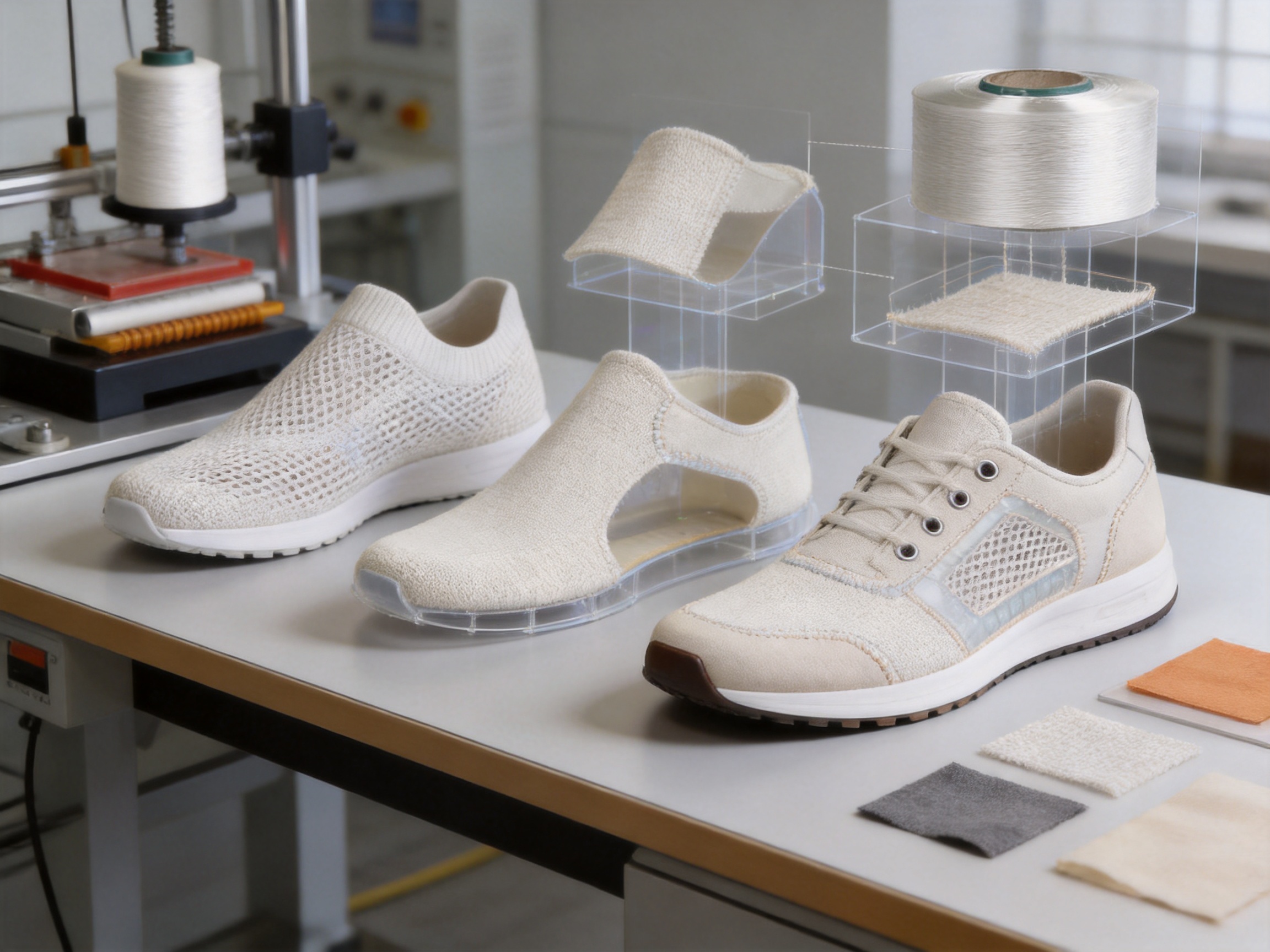
For a functional yarn, quality control must address both conventional yarn properties and thermal behavior. Customers need confidence that the yarn will run consistently on their equipment and activate reliably during bonding.
Mechanical evaluation may include tensile strength, elongation, knot strength, abrasion resistance, and package stability. High-tenacity performance is particularly important because it affects feeding, fabric formation, and resistance to breakage during handling.
Thermal testing confirms the softening and melting behavior of the yarn. The nominal activation point is approximately 110 degrees Celsius, but practical bonding performance also depends on heating rate, pressure, dwell time, contact area, and the materials being joined. Production trials should therefore be conducted with representative upper fabrics rather than relying only on a single laboratory measurement.
Package inspection helps verify that the yarn is wound evenly and can unwind smoothly. Operators may assess package density, surface condition, tension consistency, and the presence of visible defects. Proper package preparation is essential for high-speed automated production.
Application testing evaluates the yarn in the intended shoe-upper construction. Tests may include peel strength, flexing, washing or cleaning resistance where relevant, dimensional stability, appearance after heating, and bonding durability. The selected test program should reflect the expected use conditions of the finished shoe.
Consistent production is supported by stable raw material control, precise processing equipment, experienced technicians, and repeatable inspection procedures. A supplier with knowledge of multiple functional yarn categories can often identify the relationship between formulation, processing, and end-use performance more effectively than a supplier focused on a single basic yarn type.
The 150D specification provides a practical starting point for many shoe-upper applications. However, the ideal count depends on the construction, machine, fabric weight, desired bonding density, and required flexibility. Customers with specialized requirements can discuss other counts or special production by order.
Before large-scale production, manufacturers should evaluate the following factors:
1. The composition and thermal tolerance of the outer fabric, lining, reinforcement, and coating.
2. The position and distribution of the low-melting yarn within the upper construction.
3. The temperature reached at the bonding interface rather than only the temperature displayed on the machine.
4. Heating time, pressure, cooling conditions, and the speed of the production line.
5. The required balance between bonding strength, flexibility, appearance, and comfort.
6. The behavior of the bonded upper after cutting, stitching, lasting, flexing, and final assembly.
7. Storage conditions for yarn packages before use.
Testing should begin with small samples and progress to pilot production. This staged method helps identify potential issues before the material is introduced into a complete production schedule. It also allows the customer and supplier to determine whether a different count, package format, or formulation would provide better performance.
GC FIBER supplies functional yarn products to domestic and overseas customers. The company’s location in Haian, Nantong City, Jiangsu Province, provides access to established textile manufacturing resources and transportation networks. International orders can be arranged through the Shanghai seaport, supporting export distribution to footwear and textile markets outside China.
Special production by order is available for customers who require a tailored specification. Customization may involve yarn count, package requirements, product structure, color, thermal response, or application-specific performance. The feasibility of each request should be confirmed through technical discussion and sample evaluation.
A supplier’s ability to support customization can shorten the distance between product development and commercial production. Footwear companies often develop collections with different materials and construction methods, so a single standard yarn may not satisfy every project. Technical cooperation can help identify a suitable product for each use while maintaining efficiency across the customer’s supply chain.
GC FIBER’s experience since 2006 demonstrates a long-term commitment to special textile production. Its research and development capability, range of functional yarn categories, and cooperation with customers in new-material development provide a foundation for responding to changing industry requirements.
The value of Polyester Low-Melting Yarn For Shoes Upper can be measured through several production and product outcomes. High tenacity may reduce interruptions and material waste. Easy rewind may improve machine utilization and reduce operator intervention. Low-temperature activation may expand the range of fabrics that can be bonded safely. Purpose-built footwear performance may support more consistent upper quality.
The yarn can also help simplify product development. Designers can experiment with layered structures, localized reinforcement, and cleaner bonding lines without automatically committing to high-temperature processing or extensive liquid adhesive application. This can contribute to faster sample development and greater flexibility when creating new footwear styles.
For manufacturers, the most important commercial benefit is process repeatability. A material that performs consistently allows production engineers to establish stable settings and quality standards. Stable settings reduce the risk of batch-to-batch variation and make it easier to train operators, monitor production, and investigate defects.
Durability is another consideration. A well-designed bonded upper should maintain its integrity during normal flexing, handling, and wear. The yarn is not intended to replace every structural component, but it can serve as an effective bonding element when integrated correctly with the surrounding materials.
It is a functional polyester yarn designed for thermal bonding in shoe-upper construction. It combines high tenacity and easy rewind with a melting point of approximately 110 degrees Celsius.
The lower activation temperature is intended to make the yarn compatible with heat-sensitive shoe-upper materials such as synthetic mesh, knitted fabrics, stretch textiles, and coated fabrics. It can bond at a lower temperature than standard polyester, which generally requires a much higher temperature to melt.
A 150D specification is available, and other counts may be selected or produced by order according to the customer’s application and equipment requirements.
Yes. Its primary application is shoe uppers, including athletic footwear. It can be used for fabric lamination, reinforcement, lining attachment, and other bonding structures when the process conditions are properly developed.
Yes. The yarn may support clean bonding, layered fabric construction, and localized reinforcement in casual and fashion footwear. Testing is recommended for each combination of fabric, coating, and construction.
Not necessarily. It may reduce or replace certain adhesive applications in suitable constructions, but the best bonding method depends on the upper design, required strength, materials, equipment, and production conditions.
High tenacity means the yarn is designed to resist breakage under normal tension conditions. This can improve feeding reliability, reduce interruptions, and support more consistent bonding patterns during high-speed production.
Easy rewind means the yarn package is prepared to unwind smoothly and evenly. This can reduce tangling, uneven feeding, manual adjustments, and unnecessary bobbin changes.
Its high tenacity and easy-rewind characteristics are intended to support automated and semi-automated production. Customers should still conduct machine trials to establish suitable tension and feeding settings.
The approximately 110-degree activation profile is designed to reduce the risk associated with high-temperature processing. However, the final result depends on the exact fabric, coating, heating time, pressure, and equipment. Sample testing is essential.
The yarn should be integrated into the selected textile structure and activated through a controlled heat-pressing or thermal bonding process. Temperature, pressure, time, and cooling should be optimized through trials with the intended materials.
Special production by order is available. Customers can discuss specific counts, processing needs, package requirements, and application conditions with the technical team.
Shanghai seaport is listed as the shipping point for export arrangements. Detailed logistics should be confirmed during order discussions.
The company produces biodegradable yarn, low-melting yarn, ECDP yarn, anti-static yarn, HDPE yarn, bio-component yarn, and polyester filament yarn. It also cooperates with customers on new-material development.
Useful information includes the intended upper construction, fabric composition, required bonding method, machine type, preferred yarn count, target production volume, package requirements, and any performance or environmental specifications.
Polyester Low-Melting Yarn For Shoes Upper is a specialized material for footwear manufacturers that need reliable bonding performance at a controlled temperature. Its approximately 110-degree melting point provides an important advantage over conventional polyester when working with heat-sensitive shoe-upper materials. Its high tenacity supports stable handling, while its easy-rewind package design helps improve feeding reliability on automated and semi-automated equipment.
The product is purpose-built for shoe-upper applications rather than being a general-purpose low-melting material adapted from another sector. It can support fabric lamination, reinforcement, lining attachment, knitted upper stabilization, and other thermal bonding requirements. When properly matched with the fabric construction and process settings, it may help reduce production interruptions, simplify bonding operations, protect delicate materials, and support more flexible footwear design.
Its advantages are strengthened by the manufacturing capabilities of GC FIBER. Since 2006, the company has focused on special and functional eco-friendly textile products. Its product portfolio, research and development team, customer cooperation model, precision processing capabilities, and international supply experience provide a strong foundation for footwear companies seeking a dependable functional yarn supplier.
For the best results, each customer should conduct application testing with the intended fabrics, machines, pressure, heating time, and cooling conditions. With appropriate technical evaluation, this low-melting polyester yarn can become an effective component in the production of lightweight, durable, comfortable, and visually refined shoe uppers.
1. Internal product information for Polyester Low-Melting Yarn For Shoes Upper, including product features, available count, applications, melting point, and supply information.
2. Internal company information regarding GC FIBER, its manufacturing history, functional yarn portfolio, research and development activities, and customer cooperation capabilities.
3. General textile engineering principles concerning polyester filament yarn, yarn tenacity, package formation, rewinding, and thermal processing.
4. General footwear manufacturing practices for upper lamination, thermal bonding, structural reinforcement, lining attachment, and knitted textile construction.
5. General technical guidance for evaluating heat-sensitive synthetic mesh, stretch knits, coated fabrics, nonwoven layers, and composite textile assemblies.
It is made with Bio-base PLA, fully biodegradable Feature: 1. Industrial compost product 2. Made with PLA 3. Eco-frie...
READ MOREPlease fill out the form below and our team will contact you as soon as possible.
Addres: No.66 Qiaogang Road, Haian, Nantong City, Jiangsu Province, China
E-mail: service@gcfiber.com admin@gcfiber.com
Copyright ? GC FIBER All Rights Reserved. Eco-Friendly Textile Products Manufacturer Biodegradable Yarn Company