English
 中文简体
中文简体
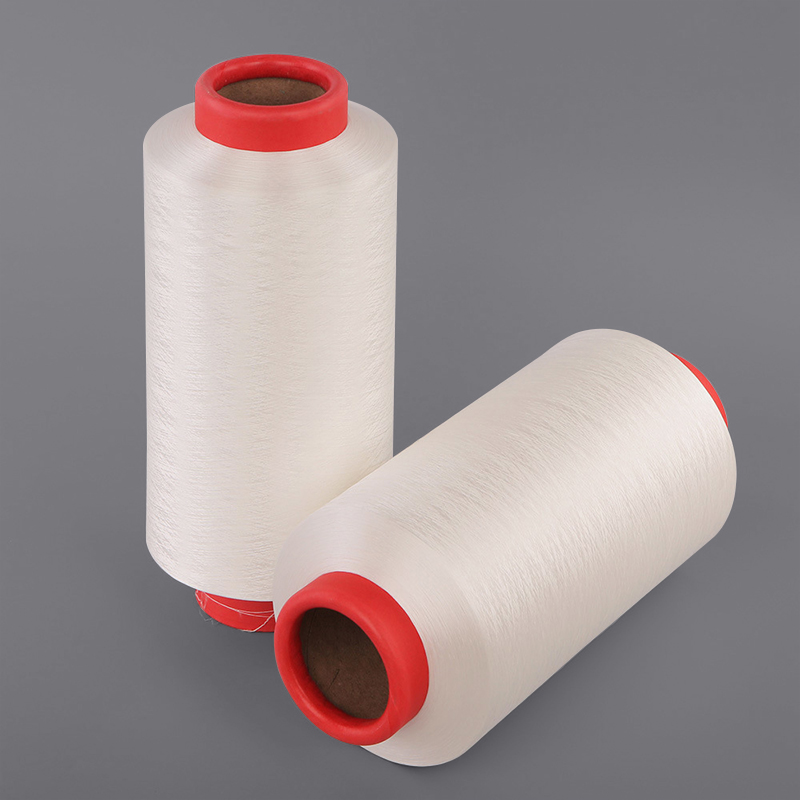
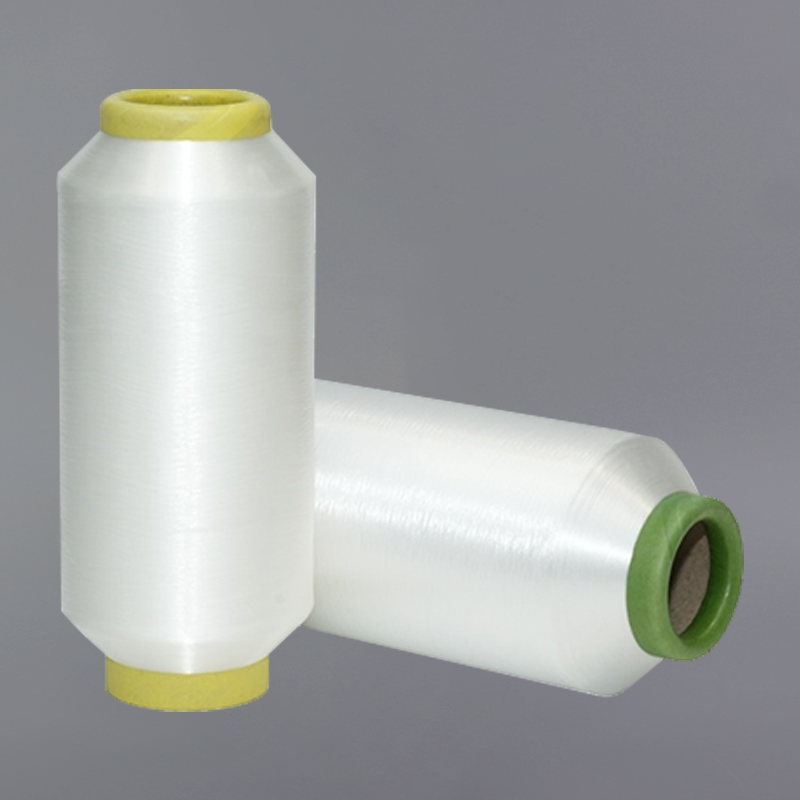
It is made with Bio-base PLA, fully biodegradable Feature: 1. Industrial compost product 2. Made with PLA 3. Eco-frie...
READ MORE
Content
Footwear manufacturers are under continuous pressure to produce lighter, stronger, more comfortable, and more sustainable shoes while maintaining efficient production costs. The upper is one of the most important components in this process. It must provide support, flexibility, breathability, dimensional stability, and visual appeal, often while combining several different layers and materials. These requirements make the choice of yarn and bonding material especially important.
Polyester Low Melting Yarn for Shoes Upper is a specialized functional yarn developed for footwear upper construction and thermal bonding applications. With a controlled activation temperature of approximately 110°C, high tenacity, smooth rewinding performance, and compatibility with modern production equipment, the yarn helps manufacturers join textile layers without relying exclusively on liquid adhesives or high-temperature polyester processing.
The product is available in 150D and can also be produced according to customer requirements. It is designed for use with synthetic mesh, knitted fabrics, nonwoven materials, linings, and other upper components that require controlled, low-temperature bonding. By combining the strength of polyester filament yarn with a carefully engineered low-melting component, the product supports reliable processing, improved production consistency, and greater design flexibility.
This article examines the yarn’s construction concept, performance advantages, applications, manufacturing strengths, quality considerations, and role in the future development of footwear production.
A modern shoe upper is rarely made from a single material. Athletic shoes may combine engineered mesh, knitted panels, reinforcing films, foam layers, lining fabrics, decorative components, and support structures. Casual footwear may use woven textiles, synthetic leather, nonwoven reinforcements, and comfort linings. These layers must remain properly positioned during cutting, stitching, molding, pressing, and final assembly.
Traditional joining methods may include sewing, liquid adhesives, hot-melt films, ultrasonic bonding, or mechanical fastening. Each method has advantages, but each can also create limitations. Sewing may leave visible stitch lines or add weight. Liquid adhesives can require solvent management, drying time, and careful application control. High-temperature bonding can damage heat-sensitive fabrics, coatings, or stretch materials.
Low melting yarn provides an additional solution. It can be incorporated into a textile structure or positioned where bonding is required. When the assembly is exposed to a carefully controlled temperature, the low-melting component softens and forms a bonding interface. After cooling, the joined materials maintain their relative position and contribute to the structural integrity of the upper.
This approach is particularly useful when manufacturers want to simplify material construction, reduce adhesive usage, or create a clean bonding effect within a lightweight textile assembly. The yarn acts not only as a conventional textile element but also as a functional processing material.
Polyester Low Melting Yarn for Shoes Upper is developed for footwear manufacturers that need a combination of mechanical strength, processing reliability, and controlled thermal activation. The product belongs to the low melting yarn category and is supplied in a 150D count, with other specifications available through production by order.
| Item | Product Information |
|---|---|
| Product type | Polyester low melting yarn |
| Primary application | Shoes upper construction and bonding |
| Standard count | 150D |
| Approximate activation temperature | 110°C |
| Main performance features | High tenacity, easy rewind, low-temperature bonding |
| Typical compatible materials | Synthetic mesh, knit fabric, nonwoven lining, coated textile, and related upper materials |
| Supply model | Standard supply and special production by order |
| Export logistics | Shanghai seaport |
The product is designed to provide a balanced combination of properties rather than focusing on only one performance characteristic. A yarn that melts at a low temperature but breaks during feeding would not provide an effective manufacturing solution. Similarly, a strong yarn that cannot rewind consistently may cause equipment stoppages and irregular bonding. The product therefore emphasizes both physical performance and practical production behavior.
The most distinctive feature of the yarn is its approximate 110°C activation temperature. This temperature is significantly lower than the melting range associated with conventional polyester materials, which is commonly around 260°C depending on polymer composition and test conditions.
The lower activation range is important because many footwear upper materials are sensitive to heat. Synthetic mesh, stretch knit, coated fabrics, thermoplastic films, and thin lining materials may shrink, distort, discolor, or lose their surface quality when exposed to excessive heat. A lower-temperature bonding process gives manufacturers a more suitable operating window.
At approximately 110°C, the low-melting component softens and can bond with adjacent textile layers when the correct pressure, dwell time, and cooling conditions are applied. The process must still be validated for each specific material combination, because actual bonding performance depends on equipment design, heating uniformity, pressure, fabric composition, surface finish, and production speed.
The controlled activation profile offers several potential benefits:
1. It reduces the risk of thermal damage to heat-sensitive upper components.
2. It supports bonding processes performed at lower equipment temperatures.
3. It helps manufacturers work with lightweight and stretchable materials.
4. It can improve process repeatability when the heating window is carefully controlled.
5. It may reduce the need for additional adhesive layers in selected constructions.
6. It allows designers to explore layered upper structures without using excessively high heat.
Low-temperature activation does not mean that every application can be processed under identical conditions. A factory should establish a process window through trials, including temperature, pressure, heating time, cooling time, and peel or tensile testing. Nevertheless, the 110°C profile provides a practical starting point for footwear materials that cannot tolerate the thermal conditions required by conventional polyester melting.
High tenacity is essential for yarn used in footwear manufacturing. During production, the yarn may pass through guides, tension devices, needles, rollers, winding mechanisms, laminating systems, and heat-pressing equipment. Any weakness can lead to yarn breakage, irregular feeding, machine stoppage, or defective bonding.
The high-tenacity design of this product helps the yarn maintain structural integrity under the tension conditions common in upper production. It is suitable for processes in which the yarn must be fed continuously and remain stable during stitching, textile formation, reinforcement, or bonding operations.
In high-volume factories, even a small reduction in yarn breakage can have a meaningful effect on productivity. Stoppages interrupt production schedules, require operator intervention, and may create material waste. Stable yarn performance supports longer continuous runs and helps production teams maintain consistent output.
High tenacity also contributes to the durability of the finished upper. The yarn can help reinforce areas where multiple textile layers are joined or where the upper experiences repeated flexing. Although final product durability depends on the complete material construction, seam design, bonding conditions, and footwear usage, a strong functional yarn provides a reliable foundation for structural performance.
Compared with ordinary low-cost yarns that may prioritize price over process stability, a high-tenacity low-melting yarn is better suited to applications where production reliability and finished-product quality are equally important. The advantage is especially relevant for athletic footwear, children’s shoes, work shoes, and other products that experience repeated bending and mechanical stress.
Yarn performance is determined not only by its polymer composition and tensile properties. Package quality and rewinding behavior are equally important. A yarn that is difficult to unwind can create tangles, uneven tension, loops, snarls, and sudden breaks even when its basic strength is satisfactory.
Polyester Low Melting Yarn for Shoes Upper is designed for easy rewind. The yarn can unwind smoothly and evenly from its package, supporting both automated and manual production operations. Consistent winding helps reduce feeding interruptions and makes it easier for operators to maintain stable production conditions.
For automated equipment, smooth feeding is particularly valuable. Modern footwear factories often rely on high-speed textile machinery, automatic stitching systems, lamination equipment, and synchronized material handling. Irregular unwinding can reduce line speed and cause defects that are difficult to detect until later in the process.
Easy rewind contributes to:
1. More stable yarn tension.
2. Fewer tangles and snarls.
3. Reduced risk of sudden feeding interruptions.
4. Lower operator intervention.
5. More consistent package utilization.
6. Improved suitability for continuous production.
The benefit is not limited to large factories. Smaller manufacturers and sample rooms also benefit from yarn that is easy to handle. When production changes frequently between designs or material combinations, simple and predictable yarn handling can save time during setup and adjustment.
General-purpose low-melting yarns may be used in several industries, but footwear upper construction has specific requirements. Upper materials must balance flexibility, support, comfort, appearance, weight, and dimensional stability. A bonding yarn designed for another application may not provide the appropriate combination of strength, softness, thermal response, and processing behavior.
This product is formulated with the structural and bonding needs of shoes upper production in mind. Its purpose-built positioning makes it suitable for joining and reinforcing the layered textile structures commonly found in athletic and casual footwear.
Typical uses include:
1. Laminating textile layers within an upper.
2. Securing linings to outer materials.
3. Reinforcing selected structural zones.
4. Supporting mesh and knitted upper assemblies.
5. Helping maintain the position of textile components during heat pressing.
6. Creating bonding interfaces in lightweight footwear constructions.
7. Supporting decorative or functional upper components where controlled thermal bonding is appropriate.
The yarn may also be considered for related textile applications, including sportswear lamination, structured fabric components, and other products that require a controlled low-temperature melt profile. Before commercial production, each proposed application should be tested to confirm compatibility with the fabric surface, color, stretch, coating, and final performance requirements.
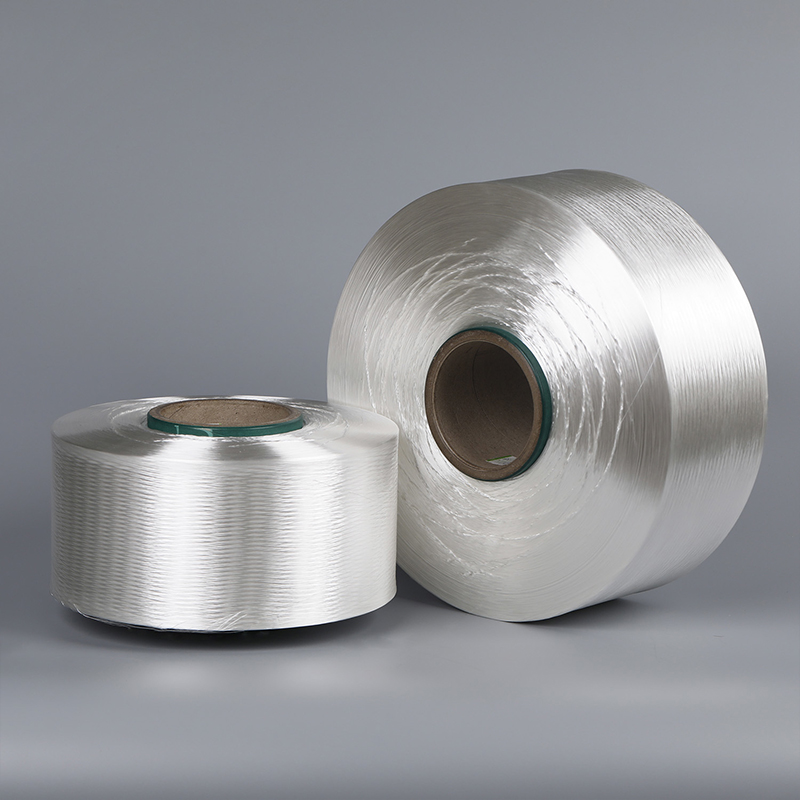
Polyester Low Melting Yarn For Shoes Upper
One of the principal advantages is the ability to activate the bonding function at approximately 110°C rather than using the much higher temperatures associated with conventional polyester melting. This lower temperature can help protect sensitive textiles and reduce distortion in thin or elastic upper materials.
In suitable constructions, the yarn can provide a bonding function without requiring a separate liquid adhesive layer. This may simplify material handling, reduce adhesive application steps, and support cleaner production areas. It can also help manufacturers reduce reliance on chemical solvents, although the overall environmental profile must be evaluated across the entire manufacturing process.
Footwear designers increasingly seek lighter uppers that maintain support and durability. A functional yarn can contribute to bonding and reinforcement without adding a bulky adhesive coating or heavy mechanical structure. Lower material weight may support comfort and help brands meet lightweight design targets.
Low-melting yarn allows manufacturers to combine different textile layers and explore new upper geometries. It can help secure curved, shaped, or selectively reinforced areas during thermal processing. This flexibility is useful for running shoes, casual shoes, fashion footwear, and specialized performance products.
The combination of high tenacity, easy rewind, and controlled activation helps create a more predictable production process. Consistency is especially important when factories produce large quantities for international markets and must maintain uniform quality across different production batches.
Where the construction is properly engineered, thermal bonding can reduce the need for visible stitches or excessive adhesive marks. This may support a cleaner upper appearance and give designers more freedom to create smooth, minimal, or seamless-looking surfaces.
| Performance factor | Low melting polyester yarn | Conventional polyester yarn | Liquid adhesive | Mechanical stitching only |
|---|---|---|---|---|
| Activation temperature | Approximately 110°C | Much higher melting range | Usually no thermal melting step, depending on adhesive | Not applicable |
| Bonding function | Integrated into the yarn system | Primarily textile reinforcement | Separate adhesive application | Mechanical joining |
| Suitability for heat-sensitive materials | Strong potential when process is validated | Limited at high temperatures | Depends on adhesive chemistry | Generally suitable, but may create punctures |
| Feeding and handling | Easy rewind and continuous yarn format | Usually easy, depending on package quality | Requires liquid or film handling | Requires sewing thread management |
| Visual appearance | Can support clean bonded structures | Depends on construction | May produce squeeze-out or visible residue | Visible stitch lines may remain |
| Process integration | Can be integrated into textile or heat-pressing steps | Used in standard textile processes | Requires coating, spraying, or film placement | Requires sewing operations |
This comparison does not mean that one material replaces every other method. Footwear construction often uses a combination of sewing, bonding, reinforcement, and molding. The advantage of low-melting yarn is that it gives manufacturers another functional option and may reduce the complexity of selected constructions.
The performance of a functional yarn depends on the quality of its raw materials, polymer formulation, spinning conditions, drawing process, thermal control, winding precision, and inspection system. Developing a yarn with a reliable 110°C activation profile requires more than simply mixing two materials. The components must be engineered to work together throughout production and final use.
High-quality polyester is used as the main raw material for the yarn. Raw material selection affects tensile strength, elongation, thermal response, surface quality, color stability, and long-term durability. The low-melting component must also be selected and processed so that its activation behavior is consistent from batch to batch.
Raw materials should be checked for moisture, contamination, uniformity, and relevant technical properties before entering production. Stable input materials make it easier to control spinning and reduce variation in the finished yarn.
The low-melting function is created through a carefully controlled material formulation. The relationship between the high-strength polyester component and the lower-temperature bonding component must be balanced. Excessive low-melting content may affect strength or handle, while insufficient functional content may reduce bonding effectiveness.
Manufacturing teams must consider the intended count, cross-sectional structure, surface characteristics, and final application. A yarn intended for shoes upper production may require a different balance from a yarn used in packaging, industrial textiles, or general fabric bonding.
During spinning, polymer flow, temperature, pressure, and filament formation must be controlled carefully. Variations at this stage can produce uneven filament thickness, inconsistent tensile performance, or unstable thermal behavior. Precision spinning supports the uniformity required for downstream processing.
The yarn’s filament arrangement also affects its feel, flexibility, coverage, and bonding contact. For footwear applications, the construction must be strong enough for production but sufficiently adaptable to curved and flexible upper structures.
Drawing improves molecular orientation and contributes to tensile performance. The drawing ratio and thermal conditions must be selected to achieve high tenacity without compromising the required low-temperature activation characteristics.
This balance is a central technical challenge. A yarn designed for bonding must retain its functional thermal response, while a yarn used on high-speed equipment must also withstand tension and friction. Process engineers therefore need to coordinate mechanical and thermal targets rather than optimizing them separately.
Heat treatment can stabilize the yarn and help control shrinkage, dimensional behavior, and package performance. If heat treatment is excessive, the low-melting component may be affected before the yarn reaches the customer’s production process. If it is insufficient, the yarn may show unwanted relaxation or package instability.
Carefully managed thermal processing helps maintain the intended activation profile and contributes to predictable performance during footwear heat pressing.
Winding is a critical step because the final package must unwind consistently. Winding tension, traverse speed, package density, edge formation, and surface smoothness all influence feeding performance.
Proper winding reduces the likelihood of tangling and helps maintain stable yarn delivery on automatic equipment. It also makes the product easier to store, transport, and use across different production environments.
Quality control for low-melting yarn should include checks of linear density, tensile strength, elongation, winding appearance, activation temperature, bonding behavior, and package consistency. Depending on the customer’s requirements, additional tests may include shrinkage, thermal stability, color, abrasion resistance, and compatibility with specific upper fabrics.
Testing should be performed using controlled methods and representative samples. A yarn may perform differently when combined with a smooth coated fabric than when used with an absorbent knitted textile. Application-level testing is therefore essential in addition to laboratory testing of the yarn itself.
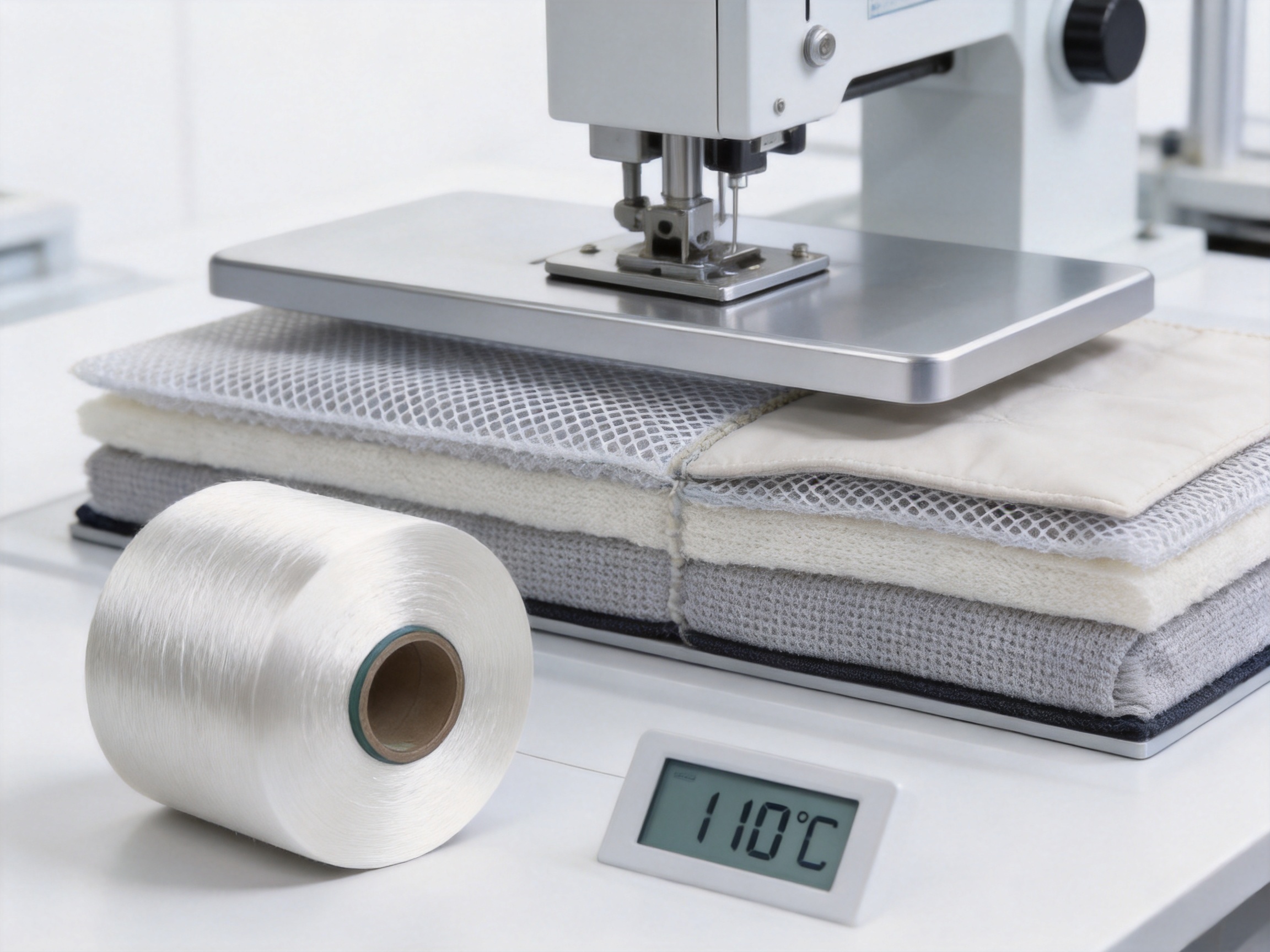
Manufacturers should treat low-melting yarn as part of a complete bonding system. The yarn, upper fabric, heating equipment, pressure, and cooling conditions all influence the final result. A successful process begins with a controlled trial rather than immediate full-scale production.
Before production, the yarn should be tested with each target fabric. Important factors include fabric fiber type, coating, thickness, surface energy, stretch, moisture content, color, and heat sensitivity. Materials that appear similar may respond differently during bonding.
The stated 110°C activation temperature should be regarded as a nominal product characteristic. Actual equipment temperature may differ from the displayed setting, and heat transfer through layered materials may not be uniform. Manufacturers should use calibrated instruments to confirm the temperature at the bonding interface.
Temperature alone does not determine bond quality. Adequate pressure helps bring the yarn into contact with adjacent layers, while dwell time allows the low-melting component to soften and spread sufficiently. Excessive pressure or heating time may damage the upper material, flatten the textile structure, or create unwanted marks.
The bonded assembly should be allowed to cool under suitable conditions. Cooling under pressure may help prevent layer movement before the bonding interface solidifies. The required cooling method depends on equipment, material thickness, and production speed.
Peel strength, tensile strength, flex resistance, washing or moisture exposure, and repeated bending tests may be appropriate depending on the final footwear application. Testing should examine both immediate bonding and performance after simulated use.
Once a suitable process is established, the factory should document temperature, pressure, dwell time, cooling conditions, machine speed, yarn specification, fabric batch, and inspection results. This information supports repeatability when production moves between lines or manufacturing locations.
Running shoes often use lightweight mesh, engineered knit, and selectively reinforced structures. Low-melting yarn can support the bonding of layers while helping preserve flexibility and breathability. Its lower activation temperature is valuable when the upper contains elastic fibers or thin coatings.
Casual footwear frequently combines textile panels, linings, decorative overlays, and comfort materials. The yarn can be used to secure selected layers and contribute to a clean appearance. Its processing flexibility may help manufacturers respond to changing fashion designs and short development cycles.
Sports shoes may require reinforced zones around the heel, toe, arch, or sidewall. A low-melting yarn can be considered for bonding textile reinforcements into these areas, provided that the final construction meets the required support, flex, and durability standards.
Children’s shoes often need to be lightweight, comfortable, and resistant to repeated movement. Lower-temperature bonding may help protect soft or thin materials during assembly. The final product must still be evaluated for safety, durability, and resistance to normal wear.
Fashion footwear may place strong emphasis on appearance and surface cleanliness. Thermal bonding with functional yarn can support smooth visual designs and reduce the need for visible stitching in selected areas. Designers can combine color, texture, and layered construction while maintaining a more streamlined appearance.
The footwear industry is increasingly examining material consumption, chemical use, energy demand, production waste, and end-of-life options. Low-melting yarn can contribute to sustainability objectives in several ways, although sustainability claims should always be assessed through complete lifecycle analysis.
Because the yarn activates at a lower temperature than conventional polyester melting, it may help reduce thermal energy requirements in suitable production processes. The actual energy saving depends on equipment efficiency, heating time, line speed, cooling requirements, and factory operating practices.
The yarn may also reduce the use of liquid adhesives in selected constructions. This can help reduce solvent handling, adhesive waste, and the number of process steps. However, manufacturers should review the complete formulation and production system before making environmental claims.
Polyester-based materials may be recyclable in appropriate systems, especially when the upper construction has been designed to simplify material separation. Recycling performance depends on the final shoe composition, colorants, coatings, additives, and the availability of suitable collection and processing infrastructure.
Another sustainability benefit is waste reduction through improved process stability. High tenacity and easy rewind can reduce yarn breakage, machine interruptions, rejected components, and discarded production materials. Better consistency supports more efficient use of energy and raw materials.
For brands and manufacturers, the strongest sustainability strategy combines lower-temperature processing, responsible raw material selection, efficient production, long product life, and transparent technical documentation.
Functional yarn development requires specialized knowledge in polymer science, textile engineering, spinning technology, winding, thermal behavior, and customer application support. A supplier that only sells a standard yarn may not be able to provide the same level of assistance as a manufacturer with its own research, production, and development capabilities.
GC FIBER, operated by NanTong Global Chemical Fiber Co., Ltd., has been engaged in special textile manufacturing in China since 2006. The company researches, develops, produces, and sells special and functional eco-friendly textile products. Its product scope includes biodegradable yarn, low melting yarn, ECDP yarn, anti-static yarn, HDPE yarn, bio-component yarn, and polyester filament yarn.
This product range indicates experience across several categories of specialty fiber and functional textile materials. Such experience is valuable because customers often require more than a single standard specification. They may need a different count, color, package format, thermal profile, strength level, or material combination for a particular footwear design.
The company also cooperates with customers to develop new materials. This collaborative model can help footwear manufacturers move from an initial concept to a production-ready yarn. Joint development may include reviewing the target fabric, defining the required activation temperature, assessing strength and elongation, evaluating package requirements, and conducting bonding trials.
A research and development team composed of industry experts and senior engineers supports continuous technical improvement. This technical foundation allows the manufacturer to study changing market needs, respond to new upper materials, and optimize products for evolving footwear production technologies.
The standard product is available in 150D, while special production can be arranged by order. Customization is important because footwear manufacturers do not all use the same machines or construction methods. One factory may require a specific package size for an automated feeder, while another may prioritize a different count, color, or bonding behavior.
Potential customization discussions may include:
1. Yarn count and linear density.
2. Package size and winding format.
3. Color and appearance requirements.
4. Tensile strength and elongation targets.
5. Activation temperature range.
6. Compatibility with a specific upper fabric.
7. Production volume and delivery schedule.
8. Testing and documentation requirements.
Custom production should be based on clear technical specifications and trial results. Customers are encouraged to provide information about their equipment, upper material, production speed, bonding method, and final performance requirements. This allows the manufacturer to recommend a more suitable product configuration.
International supply capability is also important for global footwear production. Shipment through Shanghai seaport provides a practical export channel for overseas customers and supports delivery to manufacturing regions in Asia and other markets.
In the specialty yarn market, product consistency is often more valuable than a low initial purchase price. A small variation in activation behavior can change the bonding result. Inconsistent tensile strength can create feeding problems. Uneven winding can increase machine downtime. These issues may lead to higher total manufacturing costs even when the yarn’s unit price appears attractive.
The competitive advantage of this product lies in the combination of functional performance and manufacturing discipline. High tenacity supports mechanical reliability. Easy rewind supports stable feeding. Controlled low-temperature activation supports material compatibility. Purpose-built development supports footwear-specific use. Together, these qualities provide a more complete solution than a basic commodity yarn.
Manufacturers also benefit from technical communication. When a supplier understands the difference between an engineered mesh upper and a coated textile lining, it can provide more relevant guidance than a supplier focused only on catalog specifications.
The economic value of low-melting yarn should be evaluated across the complete production process. Potential benefits include reduced adhesive consumption, fewer process steps, lower rejection rates, less downtime, and improved production speed.
High tenacity can lower the frequency of yarn breakage and operator intervention. Easy rewind can improve machine utilization. A lower activation temperature may reduce heat-related defects in sensitive materials. A clean bonding process may reduce the need for trimming or removal of excess adhesive.
The actual financial result depends on the factory’s equipment, material construction, labor costs, energy prices, and quality requirements. A controlled factory trial should compare the yarn with the existing production method. Relevant measurements may include:
1. Yarn consumption per pair of shoes.
2. Machine stoppage frequency.
3. Operator adjustment time.
4. Energy use per production batch.
5. Bonding defect rate.
6. Material rejection rate.
7. Production output per shift.
8. Finished-product performance.
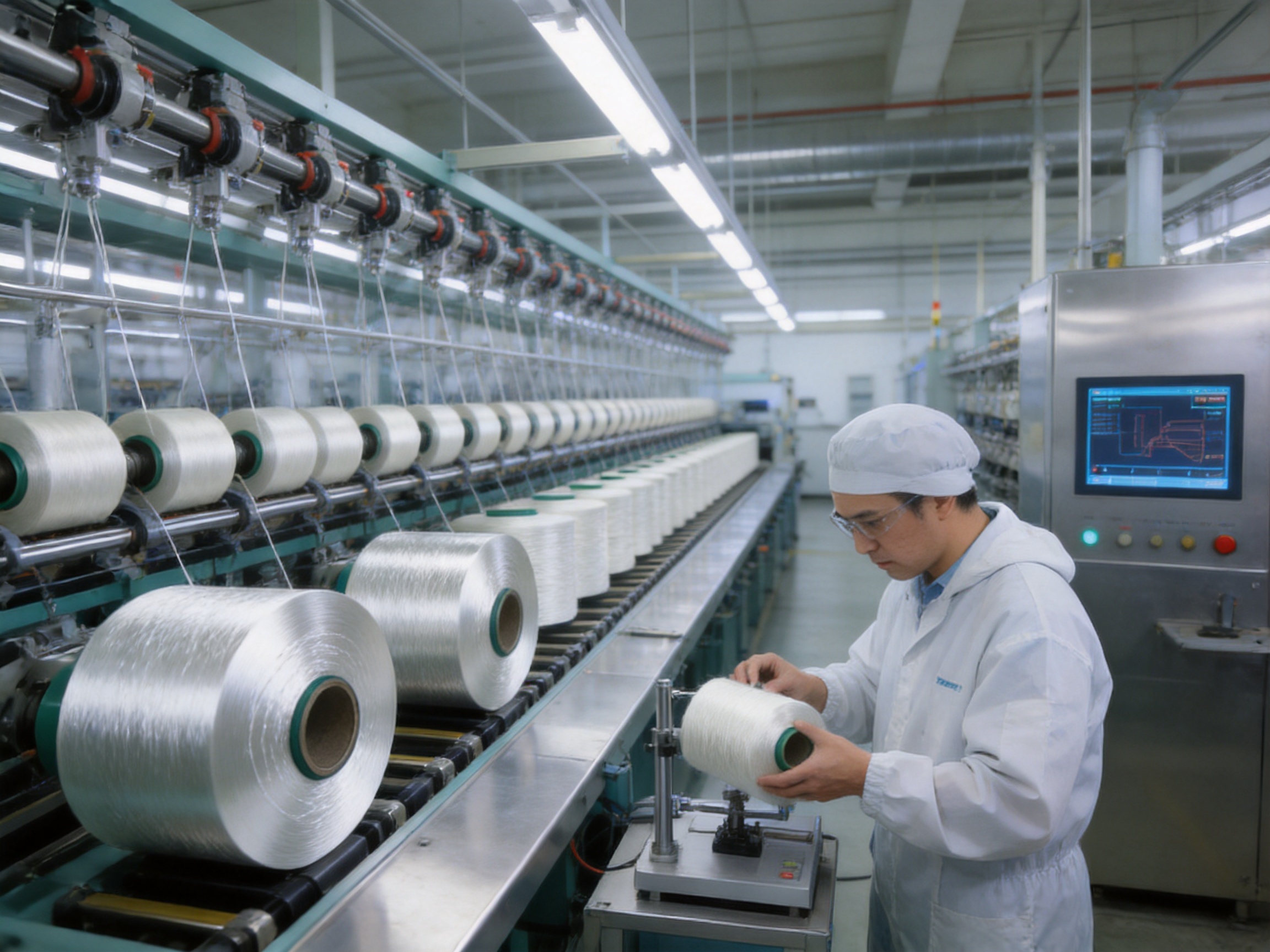
Low-melting yarn can help designers move beyond conventional stitched constructions. It may be used to combine textile panels with reinforcement layers, create selective bonding zones, or stabilize three-dimensional upper shapes during heat pressing.
For breathable footwear, the yarn can support bonding around open mesh areas while preserving the ventilation structure of the upper. For flexible footwear, it can be applied in a way that reinforces specific zones without making the entire upper rigid. For fashion footwear, it can help create clean lines, layered patterns, and visually smooth surfaces.
The product may also support faster prototyping. Designers can test alternative materials and upper configurations without developing a completely new adhesive system for every sample. Once the heating and pressure conditions are established, the same general process may be adapted to multiple designs, subject to material compatibility testing.
Proper storage is important for maintaining yarn quality. Packages should be protected from excessive moisture, dust, direct sunlight, contamination, and extreme temperature changes. The yarn should remain in its original packaging until it is needed for production.
Before use, operators should inspect the package for damage, deformation, loose winding, or contamination. If the yarn has been stored for an extended period or exposed to unusual conditions, a preliminary test is recommended.
During production preparation, the yarn should be installed according to the equipment manufacturer’s instructions. Guides and tension devices should be clean and properly aligned. Excessive tension can increase breakage, while insufficient control may cause loops or irregular feeding.
When the yarn is used in heat bonding, operators should confirm that the heating surface is clean and that temperature distribution is uniform. Regular calibration and preventive maintenance help ensure that the process remains within the validated operating window.
A professional technical evaluation should recognize that low-melting yarn is not universally suitable for every upper construction. The best results depend on the relationship between yarn structure, fabric composition, machine settings, and product design.
Some fabrics may have surface treatments that prevent adequate bonding. Some coatings may soften or migrate at the activation temperature. Excessive heating may cause shrinkage even when the yarn itself performs correctly. In other cases, the upper may require mechanical stitching in addition to thermal bonding for long-term durability.
For these reasons, customers should conduct laboratory and production-scale trials before approving the yarn for mass manufacturing. Recommended evaluations include appearance, peel strength, tensile strength, flex resistance, washing or moisture exposure where relevant, and long-term aging.
The product should also be specified accurately in technical documents. The approximate activation temperature should not be interpreted as a guarantee that every material will bond at exactly the same machine setting. Application conditions must be developed for the particular upper construction.
Identify the upper materials, bonding location, required flexibility, target strength, production equipment, and expected daily output.
Begin with the standard 150D specification or request a customized count if the application requires a different balance of coverage, strength, and flexibility.
Test temperature, pressure, dwell time, and cooling conditions using representative material samples. Record both immediate bonding results and visible effects on the fabrics.
Evaluate peel strength, tensile behavior, flex resistance, and any other performance criteria relevant to the intended footwear category.
Use the yarn on the actual production equipment. Monitor feeding stability, package performance, machine speed, operator adjustments, and defect rates.
Review quality data, production economics, supply requirements, and final product performance before approving the yarn for regular production.
It is a functional polyester yarn designed to support thermal bonding in footwear upper construction. Its low-melting component activates at approximately 110°C, allowing it to bond adjacent textile layers under controlled heat and pressure.
The listed standard count is 150D. Other counts or specifications may be available through special production by order, depending on technical requirements and order volume.
It is designed for many textile-based upper materials, including synthetic mesh, knit fabrics, nonwoven linings, and related constructions. However, compatibility must be confirmed through testing because coatings, finishes, fiber composition, thickness, and stretch can affect bonding performance.
Many upper materials are sensitive to high heat. The approximately 110°C activation profile provides a lower-temperature processing option that may reduce distortion, discoloration, shrinkage, or weakening compared with processes based on conventional polyester melting temperatures.
Not necessarily. It can reduce or supplement sewing in selected constructions, but the final joining method depends on the design, strength requirements, flexibility, safety standards, and expected use of the footwear.
Yes. Its high tenacity and easy rewind characteristics support stable feeding on automated equipment. Machine tension, guide alignment, package format, and operating speed should still be adjusted and validated for the specific production line.
Special production by order is available for customers requiring alternative specifications. Customization should be discussed in relation to count, package, color, strength, activation behavior, and the target upper construction.
Where the thermal bonding profile is appropriate, the yarn may be considered for sportswear lamination, structured textile components, and other applications requiring controlled low-temperature bonding. Application testing is necessary before commercial use.
Testing should include yarn strength, rewinding behavior, activation response, bonding strength, fabric appearance, flex resistance, and any environmental or aging requirements associated with the finished product.
A buyer should provide the intended application, upper fabric composition, yarn count, color, package requirements, estimated quantity, equipment type, bonding method, delivery destination, and any required test standards or certifications.
It may support lower energy use in an appropriate process, but energy savings depend on the complete equipment and production setup. Heating time, pressure, cooling, line speed, machine insulation, and factory operating practices all influence the result.
Standard polyester filament yarn primarily provides textile strength and structure. This low-melting product adds a controlled thermal bonding function, making it more suitable for constructions where textile layers must be joined through heat processing.
A functional yarn supplier should provide more than a product name and a nominal count. Footwear manufacturers need technical clarity, consistent production, responsive communication, and the ability to discuss application-specific requirements.
GC FIBER has specialized in functional and environmentally oriented textile products since 2006. Its manufacturing and development activities cover multiple special yarn categories, allowing the company to build experience across different polymer systems and textile applications.
The company’s product portfolio includes biodegradable yarn, low melting yarn, ECDP yarn, anti-static yarn, HDPE yarn, bio-component yarn, and polyester filament yarn. This broad scope supports cross-application knowledge and creates opportunities for customers seeking new material combinations.
Customer cooperation is especially important when a footwear manufacturer is developing a new upper structure. The supplier can review the intended process, recommend an initial specification, arrange sample production, and support adjustments based on test feedback. This reduces the risk of selecting a yarn based only on a general catalog description.
The company is located in Haian, Nantong City, Jiangsu Province, China, and supports international shipment through Shanghai seaport. Its technical and manufacturing base is positioned to serve both domestic and overseas customers.
Polyester Low Melting Yarn for Shoes Upper is a specialized material for manufacturers seeking a practical balance between strength, thermal functionality, processing efficiency, and design flexibility. Its approximate 110°C activation temperature provides a controlled bonding option for many footwear upper materials that may be damaged by conventional high-temperature polyester processing.
The product’s high tenacity helps it withstand the tension and handling demands of footwear production. Its easy rewind behavior supports smooth feeding and reduces the risk of unnecessary stoppages. Its footwear-specific development makes it more relevant to upper construction than a general-purpose low-melting yarn.
When integrated correctly, the yarn can support lamination, reinforcement, lining attachment, and selected seamless or reduced-stitch constructions. It may also help reduce adhesive usage, simplify production steps, lower thermal stress, and create new opportunities for lightweight and modern upper design.
The strongest results come from cooperation between the yarn supplier, footwear designer, material developer, and production engineer. Each application should be validated through controlled trials that consider fabric compatibility, temperature, pressure, dwell time, cooling, bond strength, appearance, and durability.
With experience in functional yarn research, development, production, and customer-oriented material cooperation, GC FIBER provides a foundation for footwear manufacturers that need dependable low-melting yarn and customized textile solutions. For companies developing the next generation of athletic, casual, fashion, and performance footwear, this product offers a technically focused route toward cleaner, lighter, and more adaptable upper construction.

1. General principles of polyester fiber formation, orientation, thermal behavior, and textile processing.
2. Footwear upper construction methods, including textile lamination, reinforcement, stitching, and thermal bonding.
3. Technical guidance on hot-pressing process control for synthetic mesh, knitted fabrics, coated textiles, and nonwoven materials.
4. Industrial quality-control practices for filament yarn linear density, tensile strength, elongation, package formation, and winding performance.
5. Research literature concerning low-temperature thermoplastic bonding systems in textile and footwear manufacturing.
6. Sustainable textile manufacturing principles covering energy use, adhesive reduction, material efficiency, waste prevention, and recyclability.
7. Customer-provided product information for Polyester Low Melting Yarn for Shoes Upper, including the 150D specification, approximately 110°C activation temperature, high-tenacity performance, easy rewind behavior, footwear application, and special-order production capability.
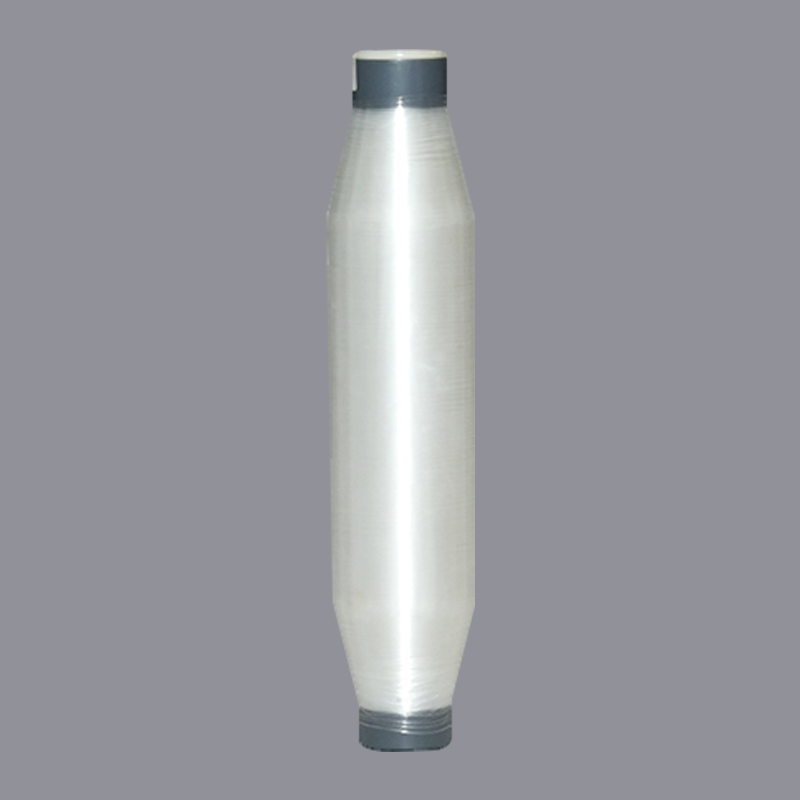
It is made with Bio-base PLA, fully biodegradable Feature: 1. Industrial compost product 2. Made with PLA 3. Eco-frie...
READ MOREPlease fill out the form below and our team will contact you as soon as possible.
Addres: No.66 Qiaogang Road, Haian, Nantong City, Jiangsu Province, China
E-mail: service@gcfiber.com admin@gcfiber.com
Copyright ? GC FIBER All Rights Reserved. Eco-Friendly Textile Products Manufacturer Biodegradable Yarn Company