English
 中文简体
中文简体
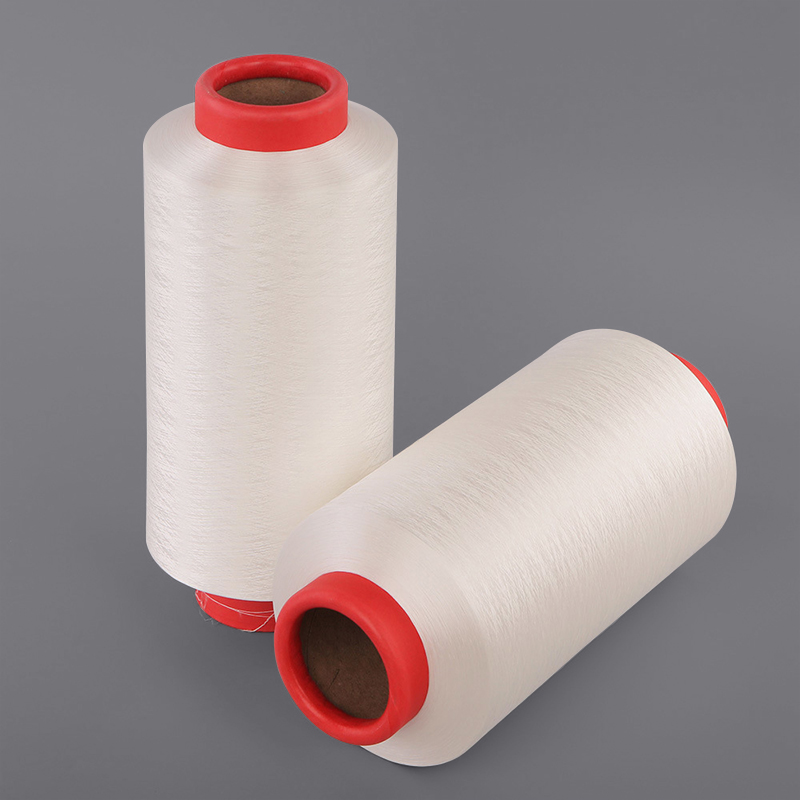
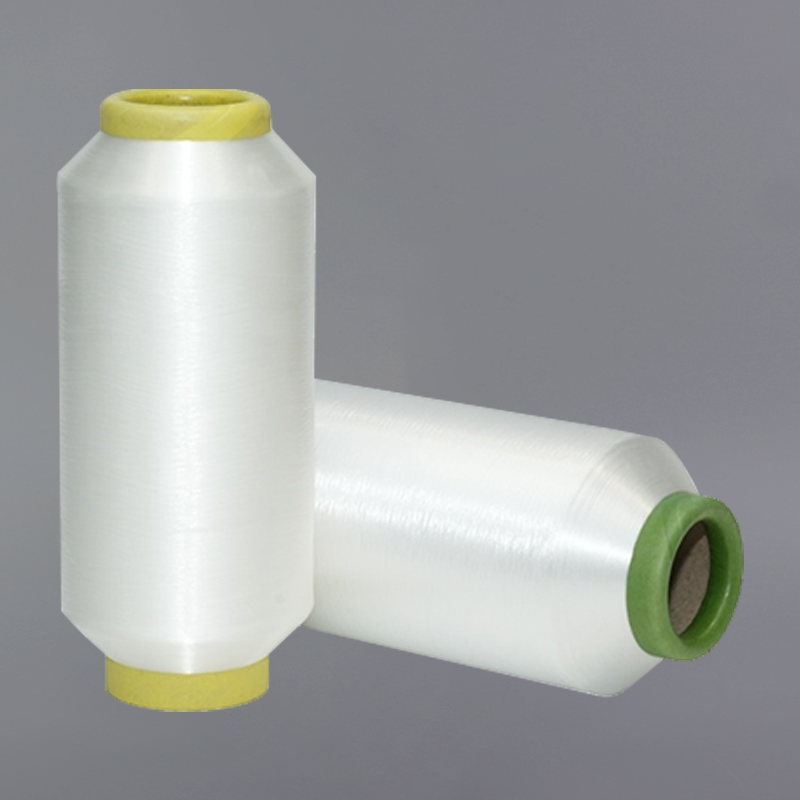
It is made with Bio-base PLA, fully biodegradable Feature: 1. Industrial compost product 2. Made with PLA 3. Eco-frie...
READ MORE
Content
The textile industry is entering a period of significant transformation. Manufacturers, brands, and consumers are increasingly looking for materials that combine dependable performance with lower environmental impact. Conventional synthetic fibers have played an important role in modern textile production because of their strength, consistency, processability, and affordability. However, their dependence on fossil-based raw materials and their persistence after disposal have created new challenges for the industry.
PLA biodegradable staple fiber offers a practical response to these challenges. Produced from polylactic acid derived from renewable plant resources, PLA staple fiber is designed to provide a bio-based alternative to conventional petroleum-derived fibers. It can be used in apparel, home textiles, nonwoven products, filling materials, and other applications where sustainability, hygiene, process efficiency, and comfort are important.
GC FIBER develops and supplies special and functional textile materials, including PLA biodegradable staple fiber, biodegradable yarn, low melting yarn, ECDP yarn, anti-static yarn, HDPE yarn, bio-component yarn, and polyester filament yarn. With experience dating back to 2006, the company combines product research, material development, manufacturing, and customer-focused customization to support textile producers seeking more responsible fiber solutions.
This article examines the composition, manufacturing considerations, performance advantages, applications, processing requirements, and commercial value of PLA biodegradable staple fiber. It also explains how this material compares with conventional polyester and why cooperation with an experienced functional fiber manufacturer can help customers achieve consistent quality and efficient scale-up.
PLA Biodegradable Staple Fiber
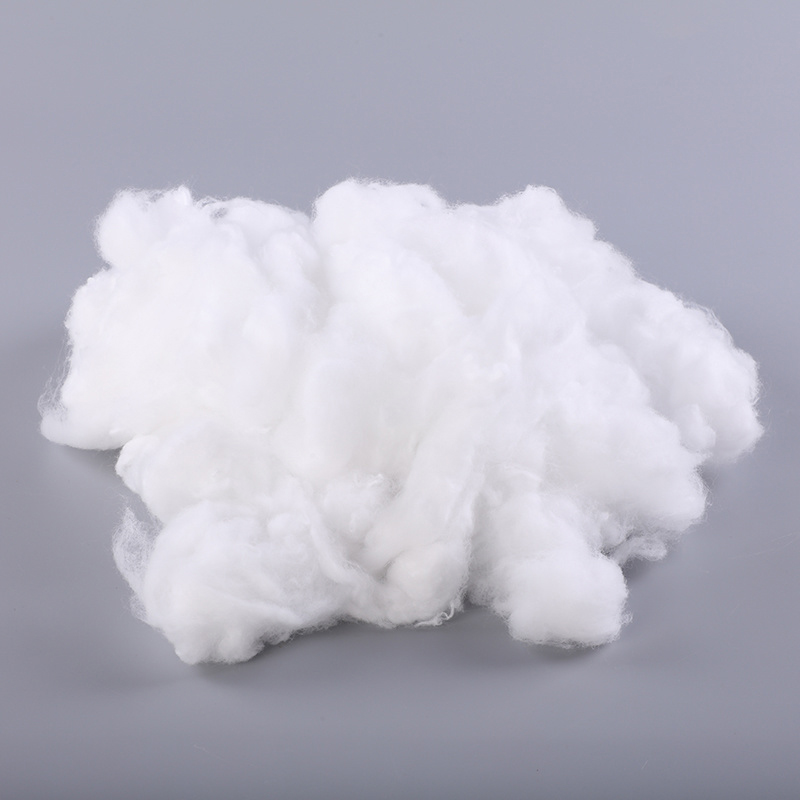
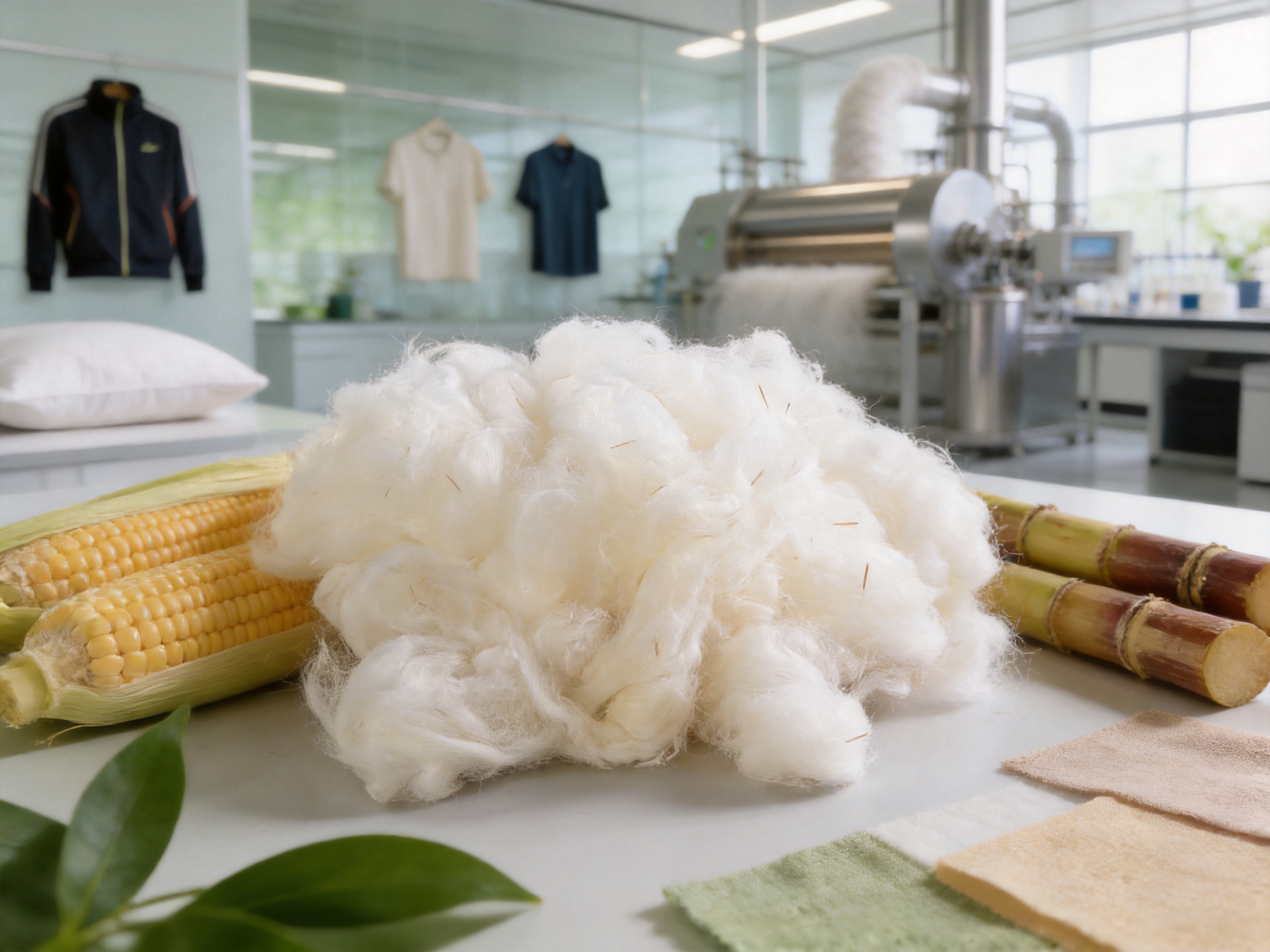
PLA biodegradable staple fiber is a short-length textile fiber made from polylactic acid, commonly known as PLA. PLA is a bio-based polymer produced from lactic acid, which can be obtained by fermenting renewable resources such as corn starch, sugarcane, and other agricultural materials. The lactic acid is then converted into a polymer through chemical processes, creating a material suitable for fiber spinning.
Unlike conventional polyester, which is generally manufactured from petroleum-derived raw materials, PLA begins with renewable biological resources. This difference occurs at the raw-material stage and gives PLA an important position in the development of more sustainable textile systems.
The term “staple fiber” refers to fibers that are cut into short, controlled lengths rather than produced as continuous filaments. Common specifications for this product include 1.5 denier by 38 millimeters and 1.5 denier by 51 millimeters. These dimensions are suitable for blending, carding, spinning, filling, and nonwoven production. Special sizes and production requirements can also be discussed according to the customer’s intended process and end use.
PLA staple fiber is not designed to disappear under ordinary storage or everyday use. Its biodegradation performance depends on the disposal environment. Industrial composting facilities provide controlled temperature, humidity, aeration, and microbial activity, allowing suitable PLA products to break down into carbon dioxide, water, and organic matter within an appropriate timeframe. Therefore, product claims should always distinguish between industrial compostability and uncontrolled degradation in soil, seawater, landfill, or household composting conditions.
Textile production requires large volumes of polymeric materials. Historically, petroleum-based polyester has been favored because it offers good strength, dimensional stability, availability, and relatively mature processing technology. At the same time, the industry is under pressure to reduce its dependence on finite fossil resources and improve the management of textile waste.
Renewable-resource-based materials can help address the first part of this challenge. PLA does not eliminate every environmental impact associated with textile manufacturing, but it can reduce dependence on petroleum-derived feedstocks at the polymer source. Its industrial compostability potential also creates an alternative end-of-life pathway for selected products and applications.
The value of PLA is strongest when the entire product system is considered. Raw material selection, polymer production, fiber spinning, dyeing, finishing, product use, collection, and end-of-life treatment all influence the final environmental performance. PLA staple fiber is therefore best viewed as one component of a broader sustainability strategy rather than as a universal solution for every textile product.
For brands and manufacturers, the material can support product lines that emphasize renewable content, lower-temperature processing, and carefully managed end-of-life options. For consumers, it can provide access to textiles that combine familiar fiber functionality with a more responsible material profile.
The supplied PLA biodegradable staple fiber is categorized as a staple fiber and is available in common specifications of 1.5D × 38 mm and 1.5D × 51 mm. Denier indicates the linear density of the fiber, while the millimeter value indicates cut length. These specifications influence how the fiber behaves during opening, carding, blending, web formation, spinning, and filling operations.
A 1.5D fiber provides a relatively fine structure that can contribute to softness and a smoother textile hand. The choice between 38 mm and 51 mm depends on the customer’s machinery, spinning system, blend composition, fabric structure, and final application. Shorter fibers may be suitable for particular nonwoven or filling processes, while longer staple lengths can support certain spinning and blending requirements.
Other specifications may be available through special production by order. Customers should provide information about required cut length, denier, color, crimp, finish, blend ratio, packaging, processing route, and target performance. Early technical communication helps the manufacturer evaluate compatibility and reduce unnecessary trial production.
| Item | PLA Biodegradable Staple Fiber |
|---|---|
| Polymer base | Polylactic acid derived from renewable plant resources |
| Fiber category | Staple fiber |
| Common specification | 1.5D × 38 mm |
| Additional common specification | 1.5D × 51 mm |
| Key characteristics | Industrial compostability potential, naturally inhibitive properties, lower dyeing temperature, and good UV stability |
| Typical uses | Apparel, sportswear, home textiles, fillings, nonwovens, hygiene products, and outdoor textile products |
| Supply model | Standard specifications and special production by order |
| Shipping point | Shanghai seaport |
The most fundamental advantage of PLA staple fiber is its bio-based origin. Conventional polyester begins with petroleum-derived chemical feedstocks, while PLA is produced from lactic acid associated with renewable plant resources. This gives manufacturers an opportunity to reduce the fossil-resource component of selected textile products.
The renewable origin of PLA can also support sustainability communication when claims are accurately documented. Brands should identify the percentage of bio-based content, clarify the relevant certification or testing basis, and avoid implying that every stage of the product lifecycle has no environmental impact. Transparent communication is more credible and more useful than broad claims that cannot be verified.
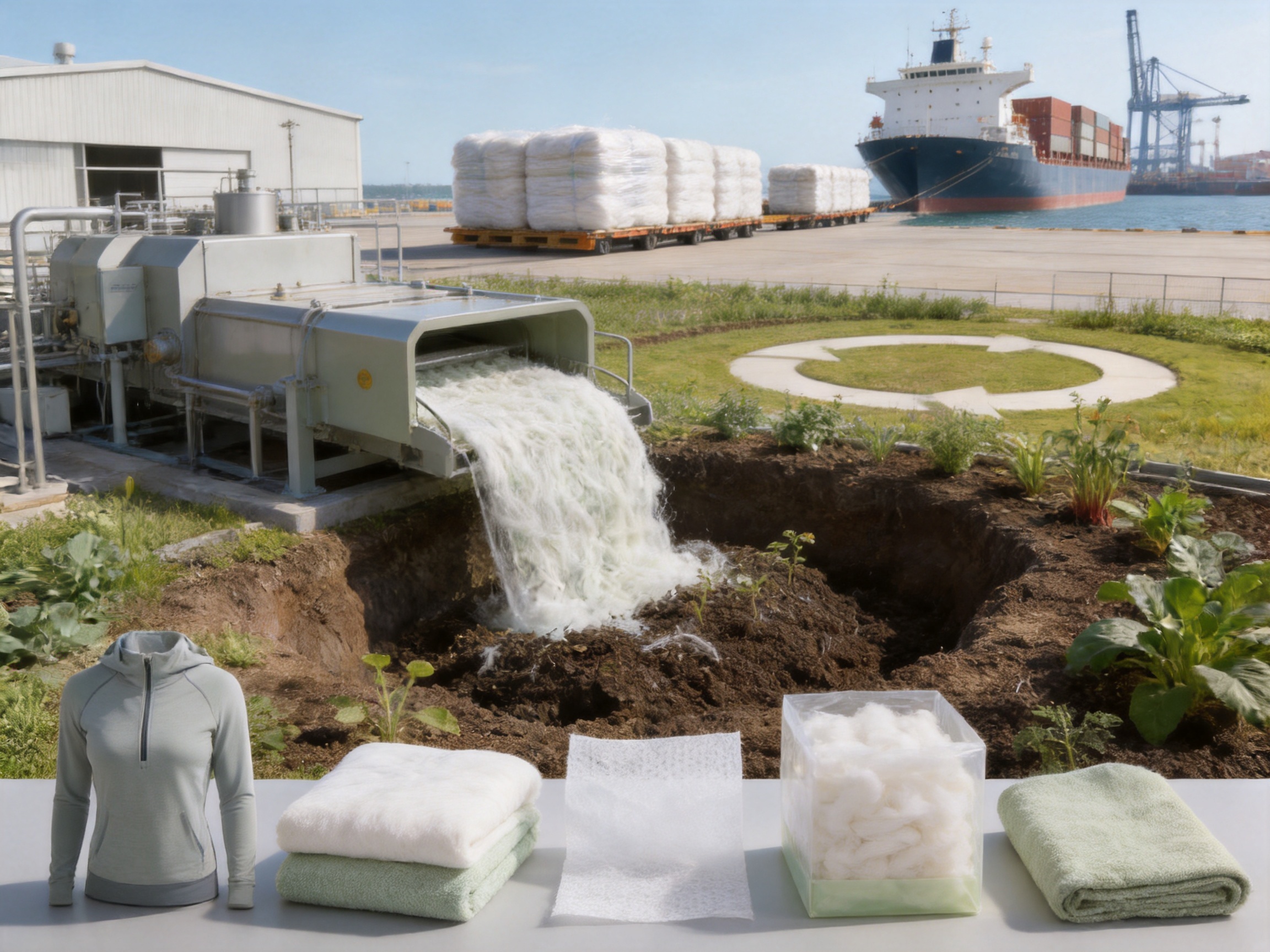
PLA is recognized for its potential to biodegrade under controlled industrial composting conditions. In a suitable facility, elevated temperature, moisture, oxygen, and microbial activity accelerate the breakdown of the polymer. The resulting products can include carbon dioxide, water, and organic matter.
This characteristic distinguishes PLA from many conventional synthetic fibers that can remain in the environment for very long periods. It may be particularly relevant to products designed for controlled collection and composting systems, including selected nonwoven articles, disposable products, and agricultural materials.
Industrial compostability does not mean that a PLA textile should be placed in any ordinary waste stream and expected to disappear quickly. A responsible product design should consider collection infrastructure, contamination, dyes, finishes, blends, accessories, and the actual composting conditions available in the target market. If PLA is blended permanently with non-compostable fibers, the end-of-life advantages may be reduced.
PLA fiber has naturally inhibitive characteristics associated with its material structure and relatively low moisture absorption. These characteristics can help limit the conditions that support bacterial growth on a textile surface. The result may include improved freshness and odor control in appropriate applications.
This benefit is especially relevant to intimate apparel, underwear, sportswear, bedding, towels, and other products where hygiene and comfort are important. Because the effect is inherent to the fiber, manufacturers may not need to rely solely on topical antibacterial treatments or additional chemical additives.
Performance depends on the fabric construction, blend ratio, finishing treatment, humidity, wear conditions, washing practices, and the specific microorganisms being evaluated. For commercial claims, customers should conduct appropriate antibacterial or odor-control testing on the finished textile rather than assuming that fiber-level performance automatically applies to every fabric.
One of the processing advantages associated with PLA staple fiber is its ability to achieve color uptake at a lower temperature than standard polyester under suitable dyeing conditions. Conventional polyester dyeing commonly takes place at approximately 130°C, while PLA can be processed at a lower temperature depending on the dye system, fabric construction, machinery, and desired shade.
Lower-temperature dyeing may provide several benefits:
Lower-temperature processing does not mean that all dyeing parameters can be transferred directly from polyester production. Dye selection, pH, time, liquor ratio, auxiliaries, heat setting, and drying conditions must be optimized for PLA. A factory should run laboratory trials before moving to full-scale production.
PLA staple fiber offers good UV stability for applications exposed to sunlight. Resistance to ultraviolet exposure can help reduce yellowing, color fading, and loss of strength during use. This is valuable for outdoor textiles, shading materials, gardening covers, automotive interiors, and other products that may experience prolonged exposure to sunlight.
Actual outdoor durability is determined by more than the fiber alone. Pigments, dyes, finishes, fabric weight, exposure intensity, moisture, temperature, and construction all influence the result. UV testing should therefore be performed on the intended finished product when long-term outdoor service is required.
Fine staple fibers can contribute to a soft and comfortable hand, particularly when the denier and cut length are selected appropriately. PLA can be used in apparel, underwear, loungewear, bedding, and other products that come into contact with the skin.
Comfort depends on fiber fineness, crimp, cross-sectional design, blend selection, spinning conditions, fabric density, and finishing. The 1.5D specifications supplied for this product offer a useful starting point for customers seeking a balance between softness, processability, and structural performance.
Producing consistent PLA biodegradable staple fiber requires control across the entire manufacturing route. The process begins with polymer preparation and continues through melt processing, spinning, drawing, crimping, cutting, finishing, inspection, and packaging. Each stage influences the final denier, length, strength, elongation, crimp, cohesion, softness, and processing stability.
The polymer must be prepared under controlled conditions before spinning. Moisture control is particularly important because excessive moisture can affect melt processing and polymer stability. Proper storage, drying, and material handling help maintain consistent viscosity and reduce the risk of processing defects.
Raw-material management also affects product repeatability. A professional manufacturer evaluates incoming polymer quality, batch consistency, storage conditions, and processing behavior. Clear lot identification supports traceability and makes it easier to investigate any variation reported by a customer.
During melt spinning, the PLA polymer is heated until it reaches a suitable melt state and is then extruded through spinneret openings to form continuous filaments. Temperature control must be sufficiently precise to achieve stable flow without excessive thermal degradation.
The extrusion system, metering accuracy, spinneret condition, cooling airflow, and take-up speed all influence fiber uniformity. Stable spinning helps produce consistent linear density and reduces weak points, fused filaments, and irregular cross sections.
Because PLA has different thermal behavior from conventional polyester, processing parameters must be developed specifically for the polymer. Attempting to use identical settings for every polymer can lead to unstable spinning or inconsistent mechanical properties.
After extrusion, the filaments are drawn to improve molecular orientation and develop the required mechanical properties. Drawing conditions affect tensile strength, elongation, dimensional stability, and processing performance during subsequent textile operations.
Balanced orientation is important. Excessive drawing may create a fiber that is too stiff or less forgiving during carding, while insufficient drawing may produce inadequate strength or poor dimensional stability. Experienced process engineers adjust the drawing ratio and thermal conditions according to the target specification and end use.
Crimp provides bulk, cohesion, resilience, and improved processability. It helps staple fibers hold together during carding and web formation and can contribute to loft in filling applications. Crimp level and shape should be selected according to whether the product is intended for spinning, nonwoven production, or filling.
Consistent crimp is especially important when PLA is blended with other fibers. Large differences in crimp or shrinkage behavior can cause uneven web formation, drafting problems, or fabric appearance variations. Careful process adjustment helps maintain a stable blend performance.
Continuous filaments are cut into controlled staple lengths, such as 38 mm or 51 mm. Accurate cutting is essential because length variation can affect carding, drafting, spinning efficiency, and fabric uniformity.
Quality control should monitor average cut length, length distribution, fiber entanglement, and the presence of excessively short or long pieces. A clean and consistent cut supports more predictable downstream processing.
Depending on the intended use, a suitable finish may be applied to improve opening, carding, antistatic behavior, cohesion, softness, or compatibility with other fibers. The finish must be selected carefully because it can influence dyeing, skin contact, compostability claims, and final product performance.
For customers pursuing an industrially compostable product, every additional ingredient should be reviewed. Dyes, lubricants, binders, coatings, and finishing agents may affect the compostability of the complete textile product even when the base fiber itself is compostable under industrial conditions.
Finished fiber can be evaluated for denier, cut length, tensile strength, elongation, crimp, moisture content, oil content, color, cleanliness, and thermal behavior. The most relevant tests depend on the customer’s processing route and final application.
For a textile manufacturer, reliable inspection data provides more than a certificate. It helps establish machine settings, compare production lots, identify causes of defects, and maintain stable quality over time. Product documentation should be matched to the actual specification and should not make unsupported environmental or performance claims.
GC FIBER, operated by NanTong Global Chemical Fiber Co., Ltd., has worked in the special textile materials field since 2006. Its business covers research, development, production, and sales of functional and eco-friendly textile products. This combination is valuable because customers often need more than a standard commodity fiber. They may require a modified specification, a new blend, a different finish, or a material adapted to a specific manufacturing line.
PLA biodegradable staple fiber belongs to a broader family of functional textile materials. A manufacturer that also works with biodegradable yarn, low melting yarn, ECDP yarn, anti-static yarn, HDPE yarn, bio-component yarn, and polyester filament yarn can draw on a wide range of polymer and textile-processing knowledge.
This product portfolio supports practical problem-solving. For example, a customer may want to combine PLA with another fiber to achieve a specific balance of softness, strength, bonding behavior, cost, or end-of-life performance. Experience across different fiber categories helps the manufacturer discuss these trade-offs more effectively.
Functional materials often require application-specific development. The appropriate fiber for a carded nonwoven is not necessarily the same as the appropriate fiber for a spun yarn or a mattress filling. Denier, staple length, crimp, finish, shrinkage, and thermal behavior must be coordinated with the customer’s equipment and final product.
GC FIBER cooperates with customers to develop new materials. This cooperation may include reviewing technical requirements, recommending a suitable fiber structure, producing trial material, gathering processing feedback, and refining the specification. Such collaboration can shorten the distance between laboratory concept and commercial production.
When product development and manufacturing are closely connected, feedback from production can be incorporated into future formulation and process adjustments. This is particularly important for PLA because the material’s thermal and dyeing behavior differs from conventional polyester.
An integrated approach can help address questions such as:
Standard 1.5D × 38 mm and 1.5D × 51 mm specifications provide convenient starting points, but many customers need a customized product. Special production by order allows the fiber to be adapted to a particular process or product concept.
Customization may involve fiber fineness, cut length, crimp, finish, color, packaging, or blend compatibility. The feasibility of each request depends on the technical requirements, order quantity, testing needs, and production schedule. Customers can improve the efficiency of the development process by supplying complete application information at the beginning.
GC FIBER is located in Jiangsu Province, China, and supplies products through the Shanghai seaport. Export-oriented logistics support is important for international customers who need reliable documentation, packaging, shipment coordination, and communication across different time zones and markets.
For global textile supply chains, the commercial value of a fiber includes both its technical quality and the manufacturer’s ability to deliver it consistently. Stable packaging, clear labeling, lot traceability, and responsive communication help customers manage production planning and inventory.
Conventional polyester remains a strong competitor because of its mature supply chain, broad availability, high durability, and established processing methods. PLA should not be evaluated as a universal replacement in every application. Instead, it offers distinct advantages for products where renewable content, industrial compostability potential, lower-temperature dyeing, and naturally inhibitive characteristics are priorities.
| Comparison Factor | PLA Biodegradable Staple Fiber | Conventional Polyester Staple Fiber |
|---|---|---|
| Primary raw-material direction | Renewable plant-based resources | Generally petroleum-based resources |
| End-of-life potential | Can be industrially compostable under suitable controlled conditions | Generally persistent and not readily biodegradable |
| Dyeing behavior | Can be dyed at lower temperatures with suitable process development | Commonly processed at higher polyester dyeing temperatures |
| Antibacterial characteristics | Naturally inhibitive characteristics associated with the fiber | Often requires a separate additive or treatment for antibacterial claims |
| UV performance | Good UV stability for suitable applications | Performance varies by grade, additives, color, and construction |
| Supply-chain maturity | Growing and application-dependent | Highly mature and widely available |
| Best strategic fit | Sustainability-focused apparel, nonwovens, fillings, and selected outdoor products | Applications prioritizing established cost, durability, and broad processing familiarity |
The table demonstrates that product selection depends on priorities. Polyester may remain preferable where very high heat resistance, maximum durability, or the lowest conventional material cost is required. PLA becomes attractive when a customer wants to improve the renewable profile of a product, explore industrial compostability, lower dyeing temperatures, or provide a naturally comfortable and hygienic fiber option.
PLA staple fiber should be opened carefully to avoid excessive mechanical damage. The opening intensity, feed rate, and blending sequence may need adjustment compared with conventional polyester. When PLA is combined with cotton, viscose, recycled fibers, or other synthetic materials, the blend ratio should be selected according to the required strength, softness, moisture behavior, cost, and disposal pathway.
Blending is not only a performance decision but also an end-of-life decision. A product intended to be industrially compostable may require a carefully selected component set. Non-compostable sewing threads, elastane, coatings, labels, dyes, or accessories can affect the compostability of the complete item.
Carding settings influence fiber separation, web uniformity, nepping, and fiber orientation. The appropriate settings depend on the fiber finish, crimp, length, and blend. Excessive speed or aggressive wire settings can increase fiber breakage, while insufficient opening can cause uneven distribution.
Trial production is recommended when introducing PLA to an existing line. Monitoring web weight, visual uniformity, fiber loss, and machine loading can help determine the correct operating window.
PLA staple fiber can be considered for selected spun-yarn applications. The appropriate spinning system depends on fiber length, fineness, blend ratio, and required yarn count. Drafting stability and cohesion are affected by crimp and finish, so the fiber should be evaluated under the actual spinning conditions.
Manufacturers should monitor yarn evenness, strength, elongation, hairiness, and breakage rate during trials. The final fabric may also require testing for pilling, dimensional stability, abrasion resistance, and color fastness.
PLA staple fiber is well suited to selected nonwoven applications. It can be processed into carded webs and may be used in wipes, filtration materials, hygiene products, agricultural textiles, and other disposable or semi-disposable products.
Thermal bonding conditions require special attention. PLA has a lower processing temperature than many conventional polymers, which may be useful for energy efficiency but also means that excessive heat can affect fiber shape and product structure. Bonding temperature, dwell time, pressure, web density, and cooling should be adjusted through controlled trials.
Staple fiber can be used as filling material in pillows, duvets, mattresses, cushions, and upholstery products. Crimp, resilience, fiber length, and bulk are important in these applications. A suitable fiber structure can help create a lightweight and comfortable filling with good loft.
For bedding and intimate-use products, the naturally inhibitive characteristics and soft hand of PLA can provide additional value. Customers should still assess wash durability, compression recovery, odor behavior, and safety requirements for the finished article.
PLA products should be dyed using a process developed for PLA rather than automatically applying standard polyester recipes. Lower-temperature dyeing can create opportunities for energy savings, but successful results depend on the selected dyes and auxiliaries.
After dyeing, finishing conditions should be controlled to protect softness, dimensional stability, and fiber integrity. Heat setting must be carefully evaluated because PLA can be sensitive to excessive thermal exposure. A controlled finishing profile can help maintain the intended balance between appearance and performance.
PLA staple fiber can be used in eco-conscious activewear, underwear, inner linings, loungewear, and sustainable fashion collections. Its soft hand, renewable origin, lower-temperature dyeing potential, and naturally inhibitive characteristics support applications where comfort and environmental positioning are important.
In sportswear, product developers should evaluate moisture management, drying rate, stretch recovery, abrasion, odor control, and washing durability. PLA can be used alone in selected constructions or blended with other fibers to achieve the required mechanical and comfort properties.
Home textile applications include bedding, towels, pillow fillings, duvets, mattress materials, upholstery fabrics, and household nonwovens. The fiber’s softness and hygiene-related properties can be useful in products that remain in close contact with users for long periods.
For bedding and filling products, loft retention, compression recovery, resilience, and cleaning performance are important. For woven and knitted home textiles, manufacturers should consider fabric density, dimensional stability, pilling, dye fastness, and finishing compatibility.
PLA staple fiber can be used in biodegradable wipes, filtration materials, hygiene products, agricultural geotextiles, and other nonwoven structures. These products may benefit from the combination of renewable material content and industrial compostability potential.
Nonwoven manufacturers should evaluate wet strength, dry strength, absorption, bonding, microbial behavior, and disposal conditions. A product may be suitable for industrial composting only when its complete composition and manufacturing additives are compatible with the relevant requirements.
Good UV stability allows PLA fiber to be considered for outdoor shading, gardening covers, agricultural materials, automotive interiors, and other products exposed to sunlight. Product developers should conduct accelerated weathering or outdoor exposure tests when service life and color retention are critical.
PLA staple fiber can also be explored for eco-friendly packaging fill materials and protective cushioning. Its low density, softness, and renewable material profile may offer an alternative to certain petroleum-based filling materials.
Packaging designers should assess compression resistance, dust generation, static behavior, storage stability, and the disposal system available to the end user. Clear disposal instructions can help ensure that the intended environmental benefit is achieved.
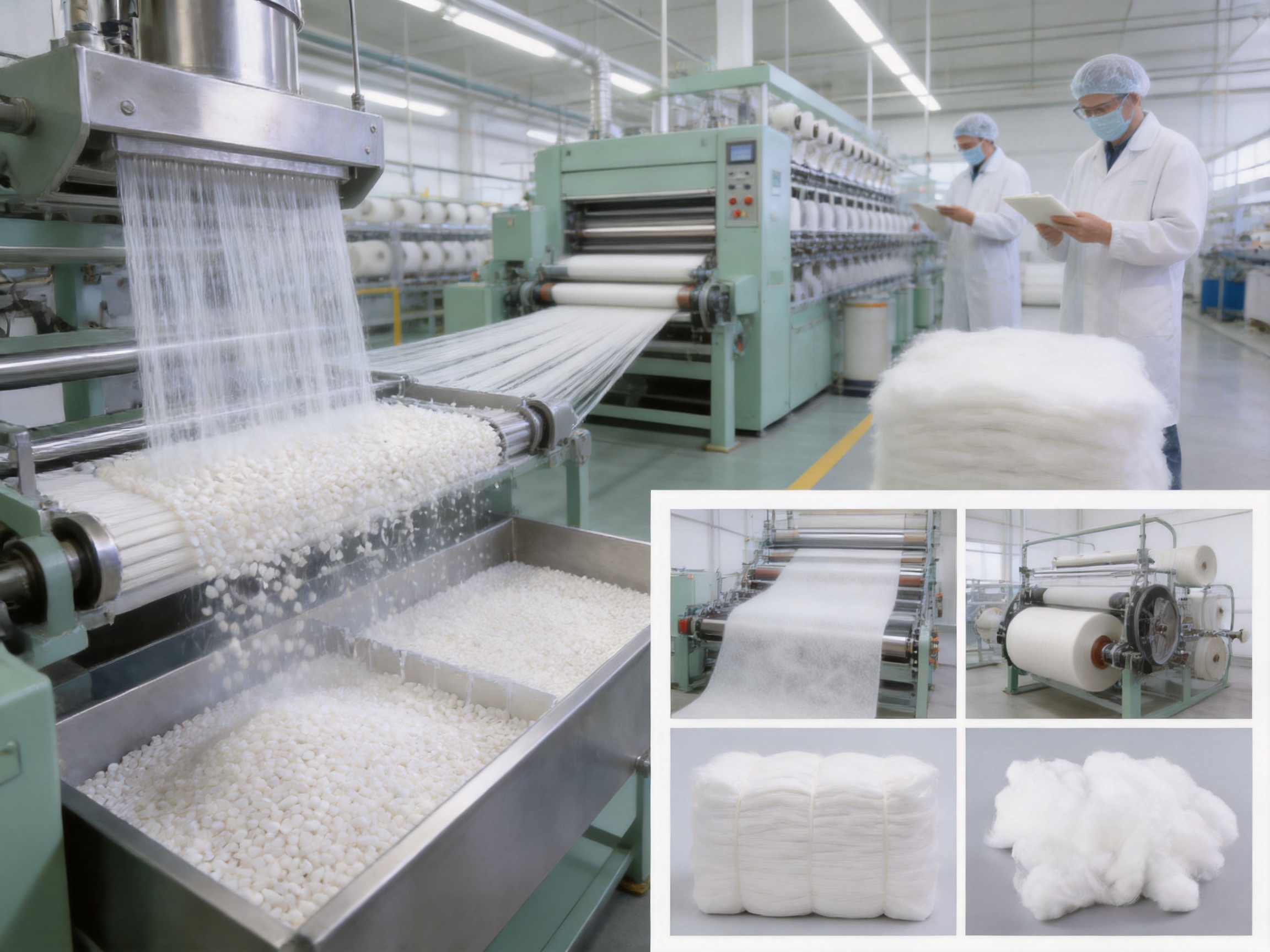
PLA biodegradable staple fiber can support more sustainable product development, but environmental claims should be precise. The fiber is derived from renewable resources, and it may break down under industrial composting conditions. These are meaningful advantages, but they do not mean that every PLA product is automatically home-compostable, soil-biodegradable, carbon-neutral, or suitable for unrestricted disposal.
The complete environmental profile depends on agricultural inputs, polymer production, energy consumption, fiber manufacturing, dyeing, transportation, product use, and end-of-life treatment. A transparent product description should state the relevant conditions and avoid claims that exceed available evidence.
Manufacturers and brands should also consider product design. A compostable fiber may be most effective in a product with a simple composition and a defined collection route. If the product contains incompatible coatings, large amounts of synthetic thread, metal parts, or non-compostable laminates, the end-of-life pathway may become more complicated.
Responsible sustainability communication can include:
This approach helps customers, regulators, and consumers understand the real value and limitations of the material. It also protects brands from vague environmental statements that could create compliance risks.
Choosing a supplier for PLA staple fiber involves more than comparing a price per kilogram. The supplier must understand polymer behavior, staple-fiber processing, downstream textile requirements, environmental claims, and international logistics.
An experienced functional fiber manufacturer can help customers select a practical specification rather than simply supplying a generic material. The supplier can discuss whether 38 mm or 51 mm is more appropriate, whether a particular finish is necessary, how the fiber should be blended, and what testing should be completed before commercialization.
GC FIBER’s experience in special textile products provides a foundation for this type of technical cooperation. Its product portfolio covers several functional and environmentally oriented fiber categories, while its research and development activities support cooperation on new materials. This is particularly useful for customers developing differentiated products rather than purchasing standard commodity fiber.
Manufacturing experience also supports consistency. Stable polymer handling, controlled melt spinning, accurate cutting, appropriate finishing, inspection, and lot management all contribute to reliable downstream processing. When a fiber runs consistently, textile manufacturers can reduce production interruptions, material waste, and repeated machine adjustment.
Before ordering, customers should identify the final product and manufacturing route. A supplier can make a more accurate recommendation when the following information is available:
Customers should also provide information about existing machinery. Fiber behavior is influenced by carding equipment, drafting systems, needle-punching conditions, thermal bonding units, dyeing machines, and finishing lines. A fiber that performs well on one production line may require adjustment on another.
Sampling and trial production are important stages in the selection process. Laboratory testing can evaluate basic fiber characteristics, while pilot production reveals actual machine behavior. The finished textile should then be tested for the performance and environmental claims that will appear in marketing or technical documentation.
PLA biodegradable staple fiber can create value in several parts of the textile business. First, it allows brands to develop products with a renewable-resource story. Second, it can support lower-temperature dyeing strategies that may reduce energy use during wet processing. Third, its naturally inhibitive characteristics may reduce reliance on certain additional treatments. Fourth, industrial compostability potential can support selected circular or controlled end-of-life models.
These benefits may help manufacturers differentiate products in competitive markets. Sustainable fashion, eco-friendly home textiles, hygiene products, and responsible packaging are all areas where material choice can influence purchasing decisions.
However, commercial success depends on more than environmental positioning. The fiber must also run reliably, meet the required quality standards, provide acceptable comfort and appearance, and fit the customer’s cost structure. GC FIBER’s ability to supply standard products and discuss special production by order allows customers to balance these factors during development.
Another commercial advantage is the possibility of reducing process temperature during dyeing. Energy savings vary according to the factory, recipe, equipment, and production volume, so each customer should calculate actual savings based on its own operations. Even when the financial savings are moderate, lower thermal exposure may contribute to gentler processing and improved product quality.
Quality assurance should begin with a clear product specification. The specification should state the fiber type, denier, cut length, color, finish, packaging, and agreed tolerances. Additional requirements may include tensile properties, moisture content, crimp, shrinkage, dyeing behavior, or special environmental criteria.
For sustainability-focused products, customers should request documentation that supports the claims they intend to make. Depending on the market, this may include bio-based content information, industrial compostability test results, chemical compliance documents, safety data, and production-lot traceability.
Finished-product testing remains essential. A fiber-level claim does not automatically prove the performance of a yarn, fabric, nonwoven, or completed consumer article. The final product may contain other fibers, finishes, dyes, binders, elastomers, coatings, and accessories that influence performance and disposal.
A disciplined testing program may include:
PLA staple fiber is made from polylactic acid, a bio-based polymer produced from lactic acid. Lactic acid can be obtained from renewable plant resources such as corn starch and sugarcane through fermentation and subsequent polymerization.
No. PLA is generally associated with biodegradation under controlled industrial composting conditions. It should not automatically be described as rapidly biodegradable in soil, seawater, landfill, or household composting environments. Disposal claims should be based on the actual product and relevant testing.
Common specifications include 1.5D × 38 mm and 1.5D × 51 mm. Other specifications may be available through special production by order, depending on the application and technical requirements.
PLA requires a process developed for its own thermal and dyeing behavior. It can achieve color uptake at a lower temperature than conventional polyester under suitable conditions, but dye selection, auxiliaries, time, pH, and finishing parameters must be optimized through trials.
PLA has naturally inhibitive characteristics that may help limit bacterial growth and support odor control in suitable textile constructions. Finished-product testing is recommended before making specific antibacterial claims.
It can be suitable for selected sportswear and activewear applications. Product developers should evaluate moisture management, drying, stretch, abrasion, odor control, washing durability, and fabric construction according to the intended use.
Yes. PLA can be evaluated in blends with other fibers to balance softness, strength, processability, cost, and appearance. However, blending may influence the product’s end-of-life options, especially when industrial compostability is an important claim.
Yes. Potential nonwoven applications include wipes, filtration materials, hygiene products, agricultural geotextiles, and selected disposable products. Bonding and thermal-processing conditions should be developed specifically for PLA.
The “D” refers to denier, a measurement of linear density. A 1.5D fiber is relatively fine and can support soft textile hand and comfortable fabric construction. The suitability of this fineness depends on the customer’s machinery and end product.
The supplied information identifies Shanghai seaport as the shipping point. International customers should confirm packaging, documentation, lead time, minimum order quantity, and shipment terms during quotation and order planning.
Special production by order is available for suitable requirements. Customers should provide details about denier, cut length, finish, crimp, color, blend, processing route, final application, and expected volume so that the technical team can evaluate the request.
GC FIBER has operated in the special textile materials field since 2006 and covers research, development, production, and sales. Its experience with biodegradable, functional, and specialty fibers supports technical cooperation, customized development, and supply for international textile customers.
PLA biodegradable staple fiber provides a valuable option for textile producers seeking to combine functional performance with a more responsible material strategy. Its renewable plant-resource foundation, industrial compostability potential, naturally inhibitive characteristics, lower-temperature dyeing behavior, good UV stability, and soft textile hand make it suitable for a broad range of applications.
The material is especially relevant to apparel, sportswear, home textiles, fillings, nonwovens, hygiene products, agricultural materials, outdoor products, and eco-friendly packaging. Its advantages are most meaningful when the complete product system is designed carefully and when environmental claims are supported by appropriate testing and disposal information.
Successful PLA product development requires a manufacturer that understands polymer processing, staple-fiber production, downstream textile operations, and customer-specific requirements. GC FIBER combines experience in special textile materials with research and development, manufacturing, export support, and customized production by order. This combination enables customers to move from an initial sustainability concept to a practical, repeatable fiber solution.
For brands and manufacturers preparing the next generation of textile products, PLA biodegradable staple fiber offers a route toward renewable material use, improved processing efficiency, and differentiated product performance. With proper specification selection, process development, quality control, and end-of-life planning, it can become an important part of a more sustainable textile portfolio.
1. Information supplied for the product “PLA Biodegradable Staple Fiber,” including product specifications, features, applications, and company information.
2. General technical literature concerning polylactic acid polymers, bio-based raw materials, melt spinning, staple-fiber production, and textile processing.
3. General guidance on industrial compostability, biodegradation testing, and responsible environmental claims for textile products.
4. General textile engineering references covering fiber denier, staple length, crimp, carding, spinning, nonwoven production, dyeing, and finishing.
5. General sustainability references concerning renewable feedstocks, textile product life cycles, controlled end-of-life systems, and circular material design.
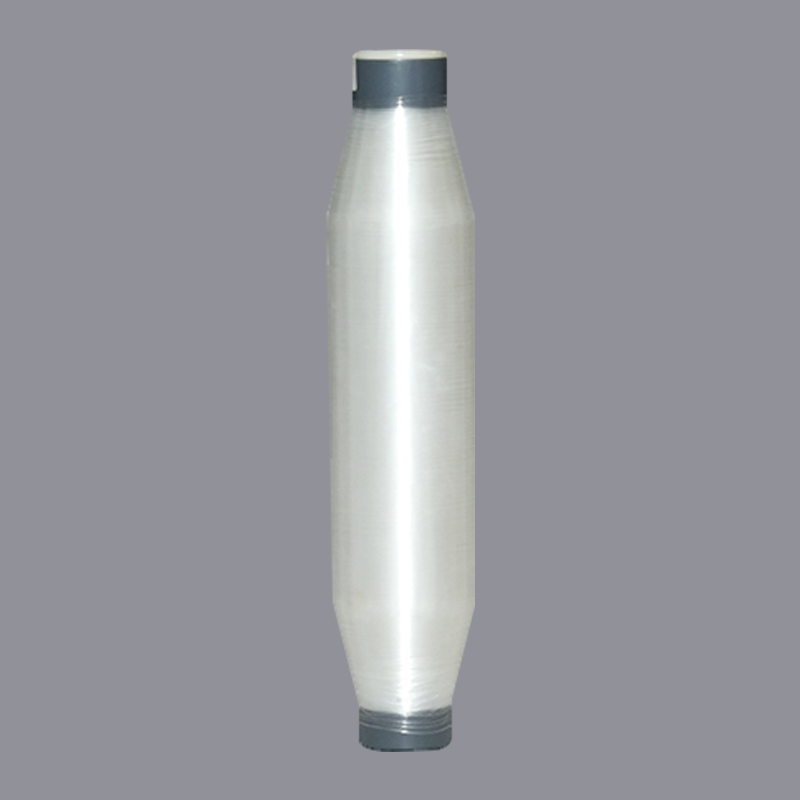
It is made with Bio-base PLA, fully biodegradable Feature: 1. Industrial compost product 2. Made with PLA 3. Eco-frie...
READ MOREPlease fill out the form below and our team will contact you as soon as possible.
Addres: No.66 Qiaogang Road, Haian, Nantong City, Jiangsu Province, China
E-mail: service@gcfiber.com admin@gcfiber.com
Copyright ? GC FIBER All Rights Reserved. Eco-Friendly Textile Products Manufacturer Biodegradable Yarn Company