English
 中文简体

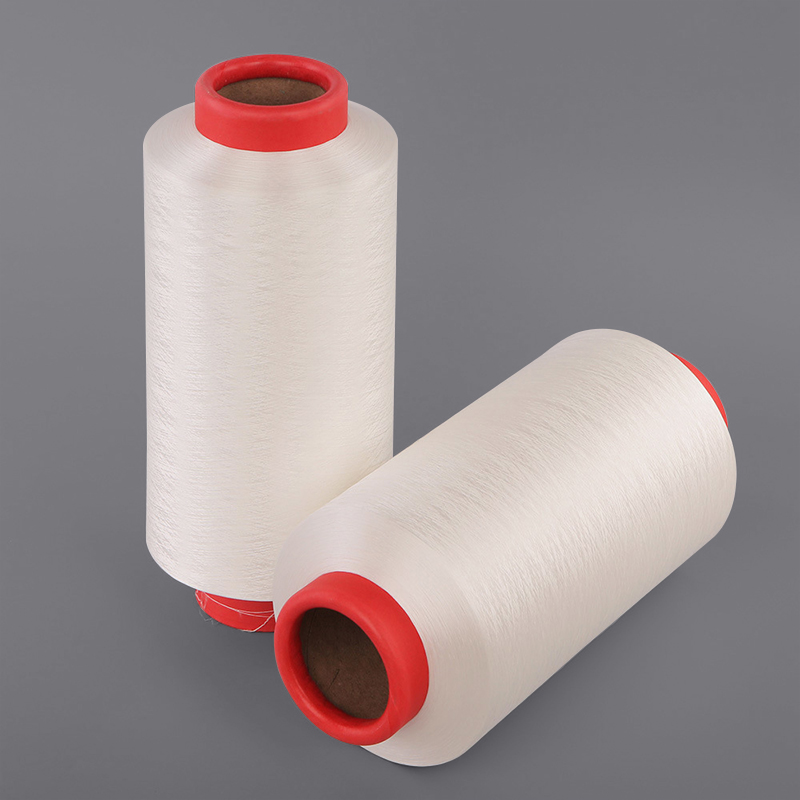
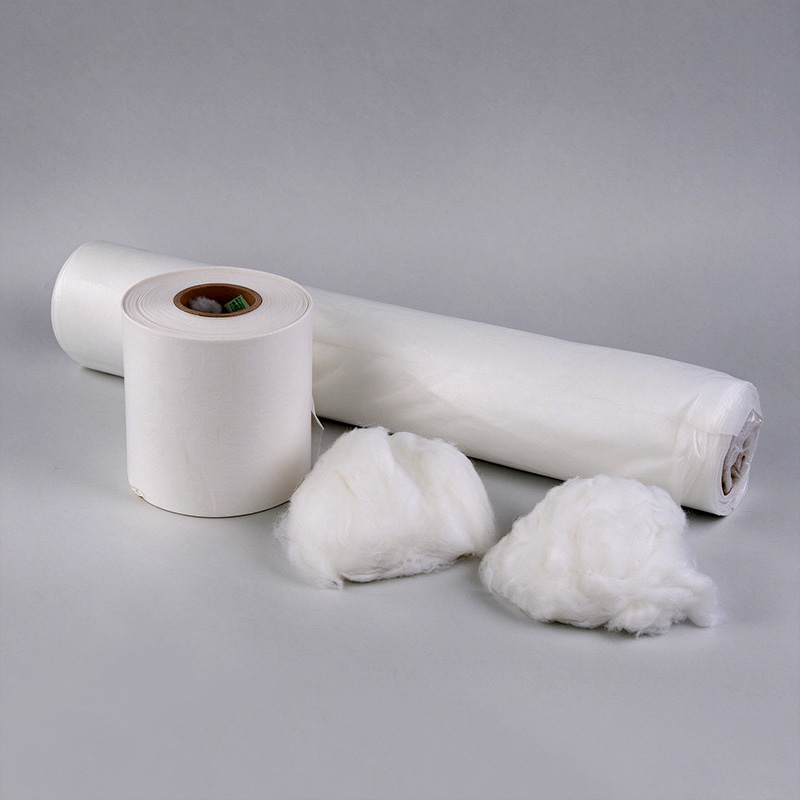
Made of PBS (Polybutylene Succinate), fully biodegradable.Features:1.Home compostable2.Raw material: PBS Polybutylene Su...
READ MORE
Content
PLA biodegradable monofilament yarn is a plant-based single-filament material designed for applications that require dimensional stability, controlled stiffness, tensile performance, and a reduced environmental footprint. Manufactured from polylactic acid derived from renewable resources such as corn starch or sugarcane, it offers an alternative to conventional petroleum-based nylon and polyester monofilaments.
Unlike ordinary biodegradable fibers that may sacrifice mechanical reliability, PLA monofilament yarn is engineered for practical industrial use. Its smooth surface, consistent diameter, low moisture regain, and ability to maintain structural form make it suitable for weaving, knitting, filtration, netting, agricultural textiles, tea bag strings, brush bristles, and other specialized products.
The material is especially valuable when a product must provide dependable performance during its service life and a more responsible end-of-life route afterward. Under suitable industrial composting conditions, PLA can break down into carbon dioxide, water, and biomass. This characteristic distinguishes it from many conventional synthetic monofilaments that can persist in the environment for decades.
This article examines the composition, performance, manufacturing process, applications, customization possibilities, quality advantages, and environmental considerations of PLA biodegradable monofilament yarn. It also explains how an experienced functional-yarn manufacturer can support customers with product development, technical consultation, OEM production, and large-scale supply.
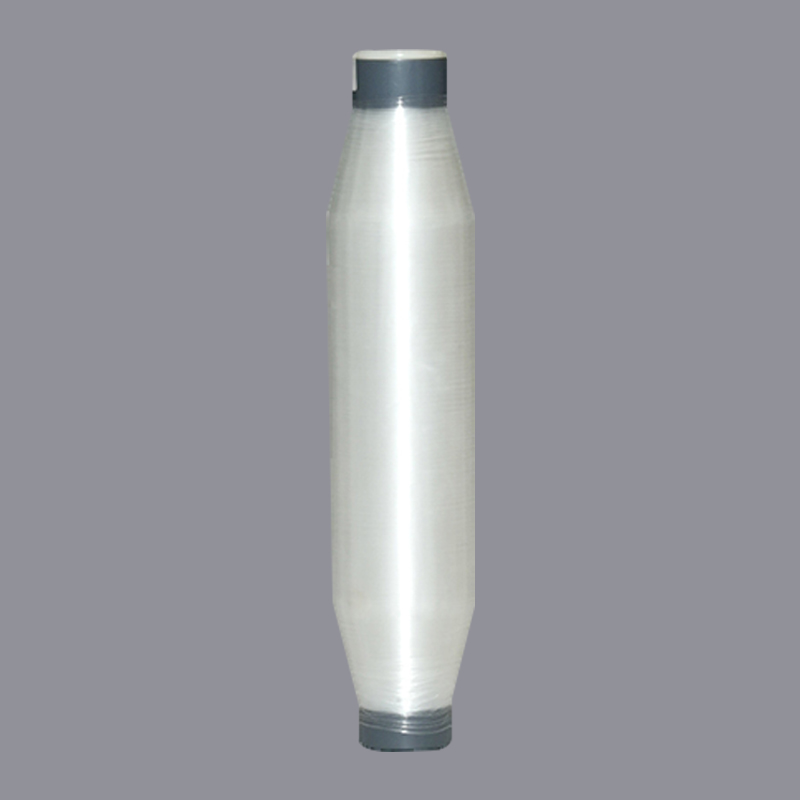
PLA Biodegradable Monofilament Yarn
PLA biodegradable monofilament yarn is a continuous single-strand filament produced from polylactic acid resin. Polylactic acid is a thermoplastic polymer made by processing lactic acid, which can be obtained by fermenting sugars or starches from renewable crops. Depending on the formulation, the raw material may originate from corn, sugarcane, cassava, or other plant-based feedstocks.
The term “monofilament” means that the yarn consists of one relatively thick, continuous filament rather than many fine filaments twisted or combined together. This structure gives the product a smooth and uniform surface. It also allows manufacturers to control diameter, stiffness, tensile strength, elongation, and cross-sectional shape with a high degree of precision.
Standard PLA monofilament yarn is available in 30 denier and can also be developed in other specifications according to the customer’s requirements. Depending on the intended use, the filament may be produced in different diameters, colors, surface finishes, hardness levels, and functional formulations.
Because PLA is thermoplastic, the polymer can be melted, extruded, cooled, drawn, and wound into a stable filament. This makes it compatible with modern fiber-processing equipment while also allowing manufacturers to optimize its physical properties for weaving, knitting, extrusion, filtration, agriculture, and consumer products.
It is important to distinguish industrial compostability from ordinary environmental degradation. PLA monofilament is generally intended for controlled industrial composting environments, where temperature, humidity, oxygen, and microbial activity are carefully managed. It should not automatically be described as suitable for home composting, soil burial, marine degradation, or uncontrolled disposal.
Textile and technical-material manufacturers are under increasing pressure to reduce fossil-resource consumption, limit persistent plastic waste, and offer products with improved lifecycle performance. Conventional polyester and nylon remain highly useful materials, but they are made primarily from fossil-based resources and can remain in the environment for long periods when discarded.
PLA responds to part of this challenge by using renewable carbon as its primary feedstock. The plants used to produce the raw material absorb carbon dioxide during growth, and the resulting polymer can offer a lower fossil-resource burden than conventional petroleum-derived polymers. The exact environmental benefit depends on agricultural practices, energy use, processing conditions, logistics, and end-of-life management.
For brands, distributors, and industrial buyers, PLA also provides a way to develop products that communicate a clearer sustainability message. Agricultural netting, temporary filtration media, compostable packaging components, tea bag strings, and selected consumer goods may benefit from a material that combines usable performance with a defined industrial composting pathway.
However, sustainability does not eliminate the need for engineering. The yarn must still run smoothly on production equipment, retain its shape during service, meet dimensional requirements, and remain stable during storage and use. A quality PLA monofilament product therefore depends on more than the use of renewable resin. It requires careful resin selection, controlled extrusion, precise drawing, appropriate heat treatment, and reliable testing.
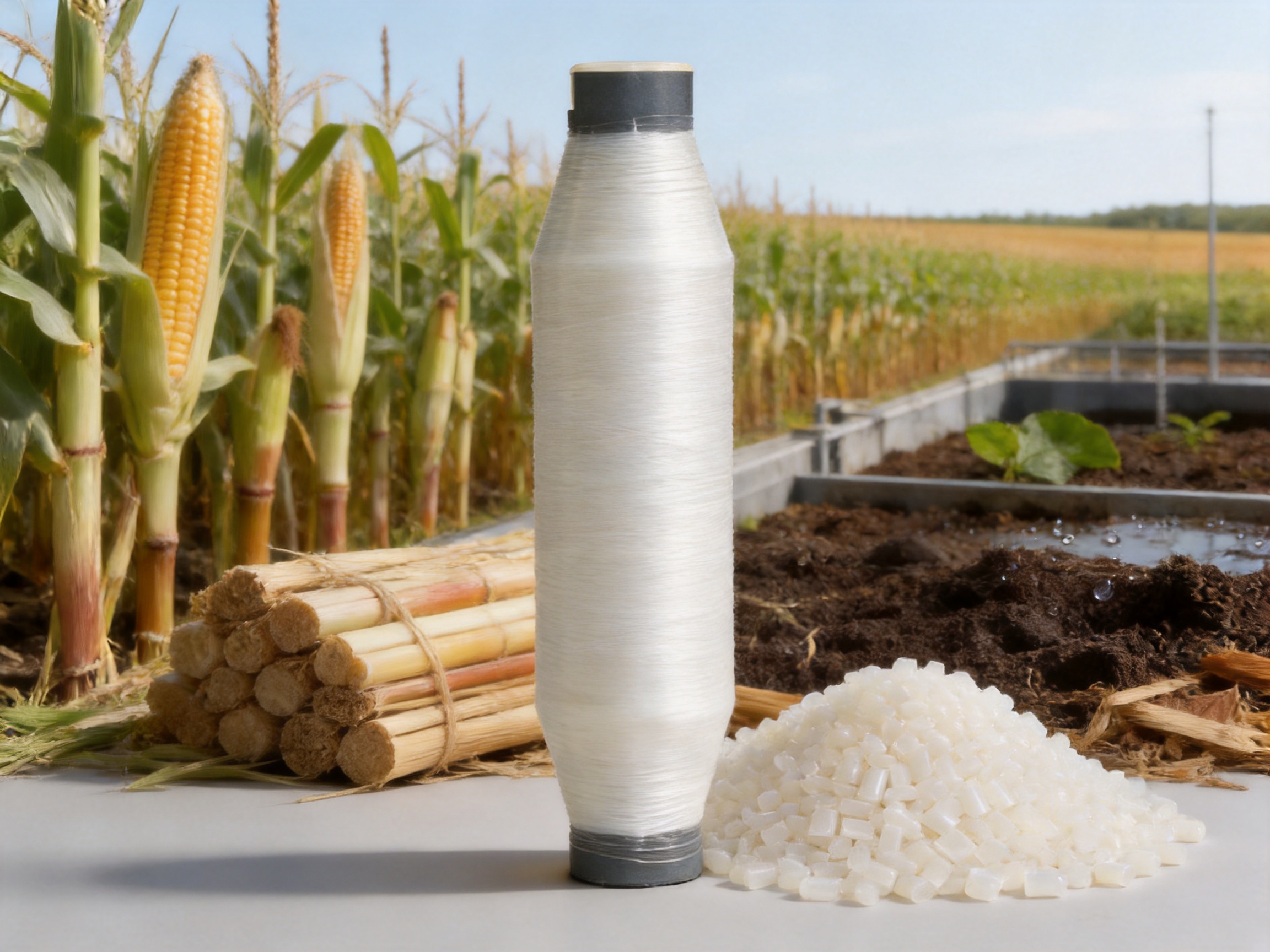
The most recognizable advantage of PLA monofilament is its renewable origin. Instead of relying entirely on fossil-based raw materials, PLA is produced from plant-derived sugars or starches. This supports the development of textile products with a more responsible raw-material profile.
Renewable feedstock is particularly relevant for companies establishing sustainability targets, reducing dependence on petroleum-based materials, or developing products for environmentally conscious markets. It can also support product differentiation in industries where material origin influences purchasing decisions.
PLA can be designed for industrial composting at the end of its useful life. Under suitable controlled conditions, the material gradually hydrolyzes and biodegrades, producing carbon dioxide, water, and biomass. This gives product designers an alternative to monofilaments that remain intact for many years after disposal.
Industrial compostability must be evaluated through the appropriate testing and certification process. A finished article may behave differently from the raw yarn because dyes, coatings, additives, finishes, and other components can influence disintegration and biodegradation. Buyers should therefore confirm whether the complete product, rather than only the polymer resin, has been assessed.
Monofilament applications often depend on accurate diameter control. Variations in filament size can affect mesh openings, filtration accuracy, fabric appearance, tension distribution, and machine performance. Advanced extrusion and online process monitoring help maintain a stable filament profile.
The smooth surface of PLA monofilament also supports controlled movement through guides, heddles, knitting elements, and winding equipment. When properly processed, the yarn can provide a clean appearance and predictable contact behavior in both textile and industrial applications.
PLA monofilament can provide a comparatively firm hand and useful bending stiffness. These characteristics are valuable in filtration screens, support structures, nets, brush components, and products where the yarn must retain an open form rather than collapse easily.
Dimensional stability is also important in woven and knitted structures. A stable filament helps maintain the intended geometry of the fabric and can reduce distortion during processing. The precise balance between stiffness and flexibility can be adjusted through resin grade, draw ratio, heat setting, diameter, and formulation.
PLA generally absorbs relatively little moisture compared with many natural fibers. Low moisture regain helps the yarn retain a consistent mass, diameter, and mechanical response in changing humidity conditions. This is useful for filtration products, packaging reinforcement, agricultural textiles, and other applications exposed to moisture.
Low moisture absorption does not mean that PLA is completely unaffected by water. Prolonged exposure to heat and moisture can accelerate hydrolysis and reduce molecular weight. Proper storage and process control are therefore important for maintaining performance.
PLA-based materials can offer a less favorable environment for certain forms of microbial growth than some moisture-retaining materials. This may help reduce odor and mold-related problems in selected applications. The actual antibacterial performance depends on the polymer, additives, surface condition, test method, and surrounding environment.
When a product requires a verified antibacterial claim, the finished yarn or article should be tested according to an appropriate recognized standard. Natural polymer characteristics alone should not be treated as a substitute for laboratory validation.
PLA has a lower melting range than many conventional high-temperature engineering polymers. This can support lower-temperature processing in suitable operations and may reduce thermal stress on equipment and adjacent materials.
PLA can accept suitable disperse dyes, pigments, or masterbatch formulations, although color development, dye uptake, heat resistance, and color fastness may differ from polyester. Processing conditions must be selected carefully to prevent polymer degradation and to obtain the desired color uniformity.
In competitive markets, a product’s material story can be as important as its basic mechanical performance. PLA monofilament allows manufacturers to develop products that combine technical functionality with a renewable-resource narrative. This can be useful for sustainable packaging, eco-conscious textiles, agricultural products, and specialty consumer goods.
PLA monofilament does not replace nylon or polyester in every application. Conventional materials often provide higher heat resistance, established processing behavior, broader chemical resistance, and lower cost. PLA is most competitive when renewable feedstock, industrial compostability, low moisture regain, and end-of-life considerations are important purchasing factors.
| Performance or Sustainability Factor | PLA Monofilament | Conventional Polyester or Nylon Monofilament |
|---|---|---|
| Primary feedstock | Renewable plant-based starch or sugar | Primarily petroleum-based raw materials |
| End-of-life potential | Industrial composting may be possible under controlled conditions | Generally persistent unless recycled through an appropriate system |
| Melting range | Approximately 150–170°C, depending on grade | Usually higher, depending on polymer type |
| Moisture regain | Low, generally below 1 percent | Low for polyester; nylon may absorb more moisture |
| Stiffness | Useful structural stiffness and shape retention | Varies by polymer and processing method |
| Heat resistance | More limited at elevated temperatures | Often better for high-temperature applications |
| Environmental positioning | Renewable and potentially industrially compostable | Well-established but fossil-based and generally non-compostable |
| Relative cost | Often higher because of resin and processing costs | Often lower due to mature supply chains |
The correct material choice depends on the application. PLA is advantageous for temporary products, compostable systems, renewable-material programs, and products where moderate service temperatures are acceptable. Polyester or nylon may remain preferable for permanent outdoor structures, high-temperature processes, aggressive chemical environments, or applications requiring maximum long-term durability.
The following values represent typical ranges for standard PLA monofilament grades. Actual results depend on resin formulation, filament diameter, draw ratio, crystallinity, cooling conditions, additives, and testing procedures. A technical data sheet should be requested for a specific production grade.
| Property | Typical Information |
|---|---|
| Polymer | Polylactic acid, commonly abbreviated as PLA |
| Available standard count | 30 denier, with other counts available by order |
| Diameter range | Approximately 0.05 mm to 3.0 mm, depending on design |
| Tensile strength | Approximately 3.0–5.5 grams per denier for suitable standard grades |
| Elongation at break | Approximately 15–35 percent |
| Melting point | Approximately 150–170°C, depending on polymer structure |
| Density | Approximately 1.24–1.27 g/cm³ |
| Moisture regain | Generally below 1 percent |
| UV performance | Moderate to good depending on formulation and stabilization |
| Processing method | Melt extrusion, drawing, heat treatment, and precision winding |
These values should be used for preliminary material selection rather than final design approval. Industrial products may require testing for tensile strength, elongation, knot strength, abrasion, thermal shrinkage, dimensional uniformity, color fastness, and chemical resistance.
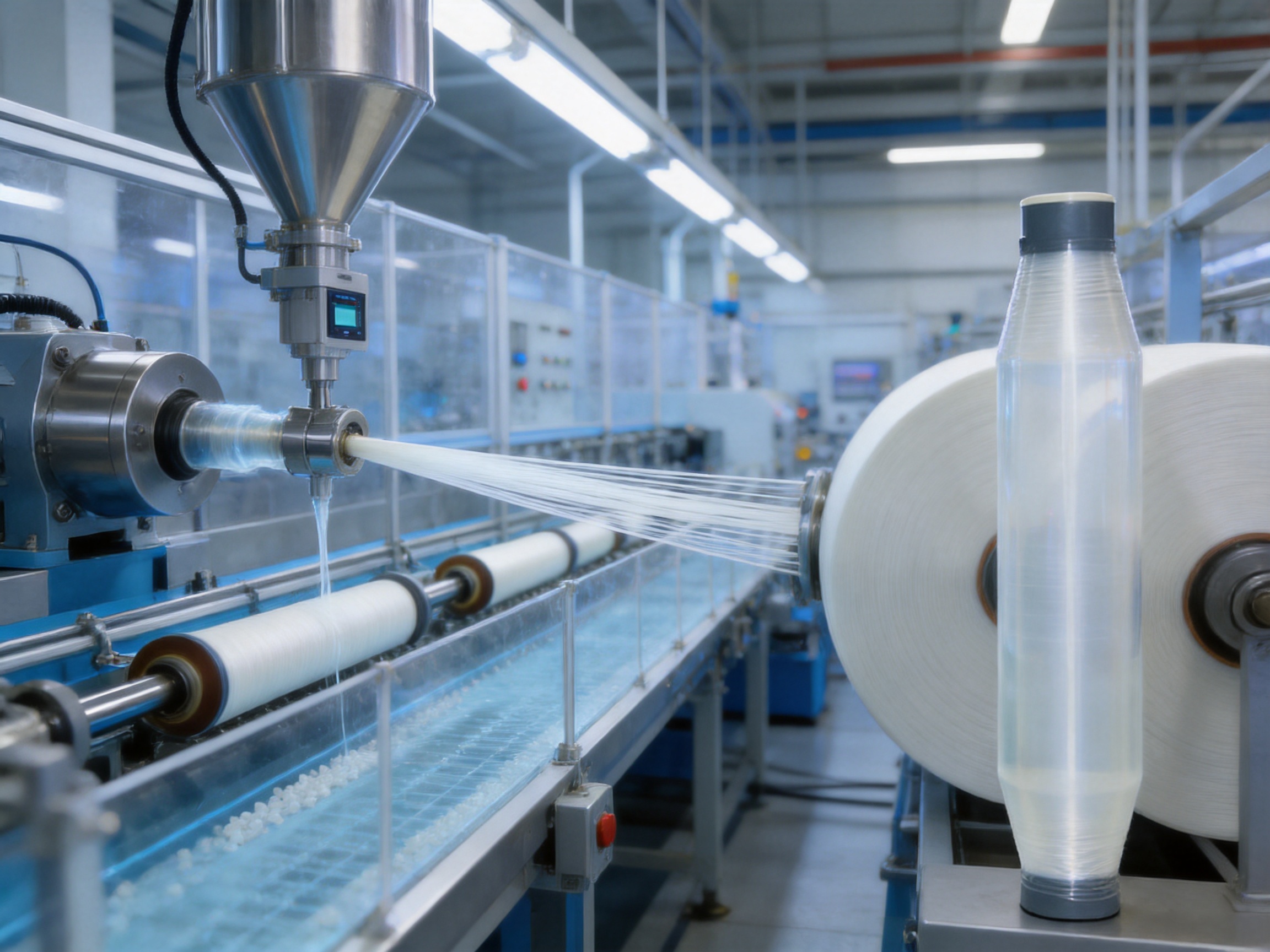
Manufacturing begins with the selection of PLA resin appropriate for the final application. Resin grades differ in molecular weight, optical properties, crystallization behavior, melt viscosity, thermal stability, and processing window. A filament intended for weaving may require a different balance of stiffness and elongation from a filament intended for filtration or brush bristles.
Raw materials should be inspected before production. Important considerations include resin identity, moisture level, contamination, particle consistency, color, storage history, and compatibility with any planned masterbatch or additive package. Because PLA is sensitive to hydrolysis, moisture control is especially important.
Before extrusion, PLA resin is normally dried under controlled conditions. Excess moisture can react with the polymer during melting and cause hydrolytic degradation. This may reduce molecular weight, lower tensile strength, increase breakage, and create inconsistent extrusion behavior.
Professional manufacturing systems use controlled drying equipment and monitor material residence time. The objective is to remove moisture without overheating the resin or introducing unnecessary thermal history. Proper material handling continues through storage, feeding, extrusion, and winding.
In the extrusion stage, dried PLA pellets are fed into a temperature-controlled extruder. The polymer is gradually heated until it reaches a stable molten state. Screw design, barrel temperature, pressure, and residence time must be carefully balanced to ensure complete melting while limiting degradation.
The molten polymer passes through a precision spinneret or die. The die determines the initial filament geometry and has a direct influence on diameter uniformity, surface smoothness, and cross-sectional form. Advanced production can support round, modified, or application-specific cross sections where technically appropriate.
Stable melt pressure is essential. Pressure fluctuations may create denier variation, surface defects, or intermittent filament breakage. Process engineers therefore monitor extrusion pressure, melt temperature, throughput, and line speed to maintain a consistent output.
After exiting the die, the molten filament must be cooled in a controlled manner. Cooling conditions influence crystallinity, orientation, shrinkage, surface quality, and final mechanical behavior. Water cooling, air cooling, or a combination of methods may be selected according to the filament specification.
Uniform cooling is particularly important for monofilament because uneven solidification can produce ovality, internal stress, or diameter variation. Carefully designed cooling zones help the filament develop a stable structure before it enters the drawing section.
Drawing stretches the cooled filament between controlled roller systems. This process orients polymer chains along the filament axis, improving tensile strength and influencing elongation, stiffness, and dimensional stability.
The draw ratio must be matched to the polymer grade and intended use. Excessive drawing can make the filament brittle, while insufficient drawing may result in low strength and poor shape retention. A professional manufacturer adjusts roller speed, temperature, tension, and draw ratio to achieve a reliable balance of properties.
Heat treatment can be used to stabilize the filament after drawing. Controlled heating allows internal stresses to relax and helps reduce unwanted shrinkage during later weaving, knitting, or use. Heat setting must remain within the material’s safe processing range to avoid deformation or degradation.
For technical textiles, dimensional stability is often as important as initial tensile strength. A filament that performs well during laboratory testing but shrinks excessively during fabric processing may not be suitable for production. Heat treatment is therefore an important part of quality engineering.
Depending on the final application, the yarn may receive a suitable finish to improve handling, reduce static buildup, support high-speed processing, or improve compatibility with downstream equipment. Additives can also be incorporated during extrusion for color, stabilization, or other functional requirements.
Any additive or finish must be evaluated against the customer’s environmental and performance objectives. For products marketed as industrially compostable, the complete formulation should be assessed rather than assuming that every additive will behave identically to the base PLA resin.
Modern monofilament production benefits from continuous monitoring of diameter, tension, line speed, and surface condition. Online inspection can identify irregularities before large quantities are produced. Automatic tension control also helps prevent loose winding, overlapping, or deformation of the finished package.
The final yarn is wound onto packages suitable for transportation and downstream processing. Package size, winding density, core dimensions, labeling, and protective wrapping can be adjusted to match customer equipment and logistics requirements.
A reliable PLA monofilament supplier should operate quality control at several stages rather than relying only on final inspection. Incoming material control verifies that the polymer meets the required specification. In-process control monitors the extrusion and drawing conditions. Finished-product testing confirms whether the yarn meets the agreed technical requirements.
Typical quality checks may include denier, diameter, diameter variation, tensile strength, elongation, shrinkage, surface appearance, winding quality, color consistency, and package weight. For application-specific projects, additional tests may include abrasion resistance, knot strength, bending stiffness, filtration accuracy, UV exposure, aging, and compostability assessment.
Traceability is another important manufacturing strength. Production records should connect the finished package to the raw-material batch, machine line, operating conditions, inspection results, and packing information. This supports consistent supply and makes it easier to investigate any technical issue that arises during customer processing.
Quality systems are especially important for customers purchasing customized yarn. A product developed for one machine setting or end-use may require tighter tolerances than a standard catalog product. Clear specifications and documented approval samples help prevent misunderstandings between the supplier and the buyer.
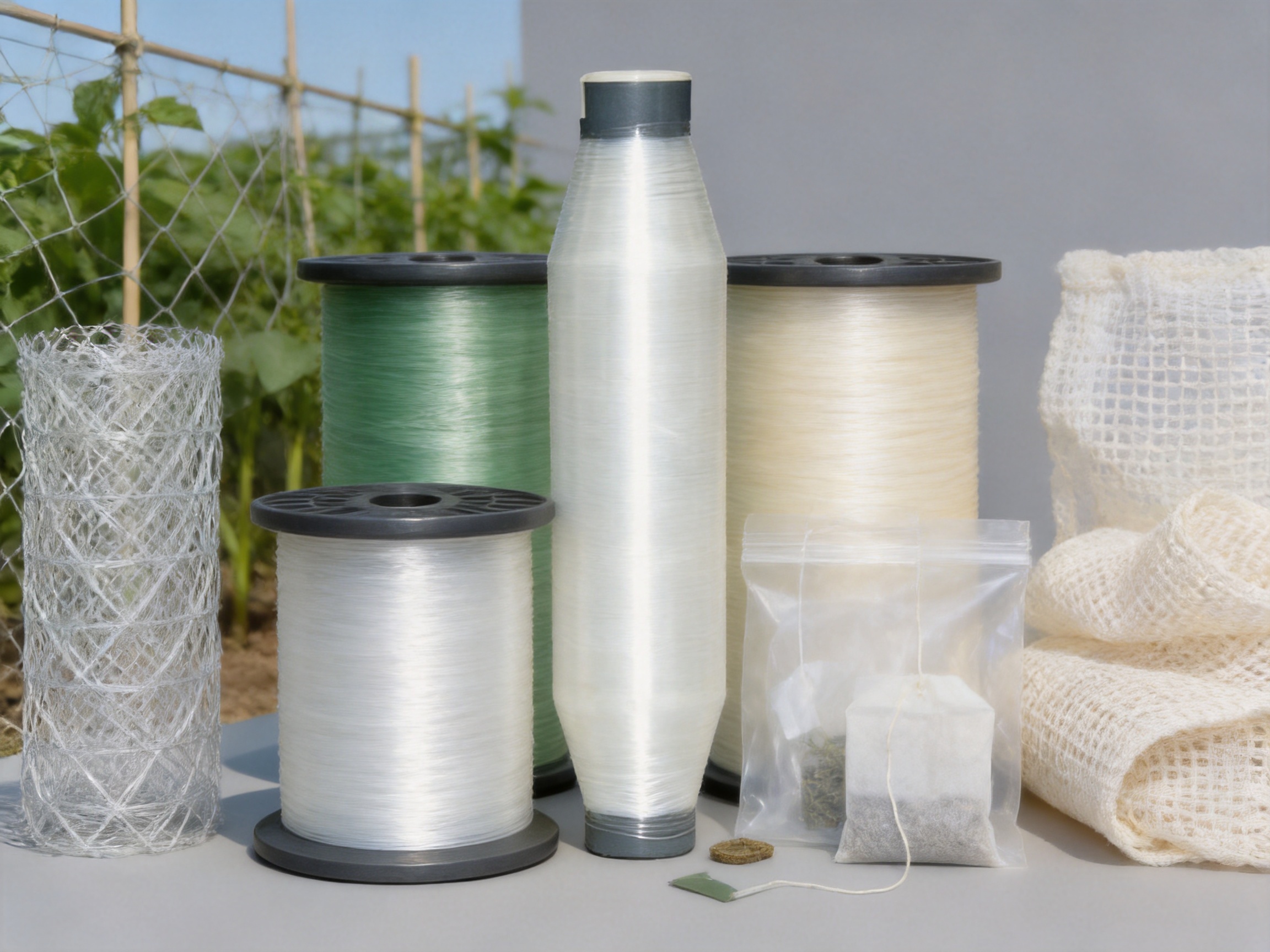
PLA monofilament yarn can be woven into filter mesh for applications where a controlled opening, smooth surface, and temporary service life are valuable. Potential uses include industrial filter screens, flour-sifting mesh, liquid filtration bags, and other filtration media.
The uniform diameter of a monofilament helps create consistent openings across a woven structure. The smooth filament surface can also support the release of filtered particles and simplify cleaning in suitable applications. The correct yarn size must be selected according to the required mesh count, pressure, flow rate, temperature, and chemical environment.
PLA filtration media are most appropriate when the operating temperature is moderate and the filter is intended for a defined service period. Applications involving continuous high heat, aggressive solvents, or long-term structural exposure may require polyester, nylon, or higher-performance engineering polymers instead.
Agricultural and horticultural products are strong candidates for biodegradable monofilament because many of them are temporary by design. Crop support lines, trellising twines, greenhouse netting, crop protection structures, erosion-control fabrics, and selected mulch or support nets may be used for only one season or for a limited growing period.
After the crop cycle, removing conventional plastic materials can be labor-intensive. A compostable or biodegradable alternative may reduce collection requirements when the complete product and local waste-management system support the intended end-of-life route.
Outdoor performance must still be considered carefully. Sunlight, moisture, soil contact, temperature changes, and mechanical loading affect the useful life of PLA. Stabilization and formulation can improve UV performance, but PLA should be selected for temporary or seasonal applications rather than assumed to provide the same long-term durability as permanent synthetic netting.
PLA monofilament may be used in selected eco-conscious consumer products, including specialty tea bag strings, toothbrush bristles, brush components, compostable packaging reinforcement, and decorative or structural textile elements.
Tea bag string is an example where a fine, clean, and food-contact-appropriate material may be required. The exact formulation and compliance requirements depend on the market, product design, and applicable regulations. Food-contact suitability should be verified for the complete yarn and finished article before commercial use.
In packaging, the yarn can provide reinforcement in string, mesh, tie, or structural components. Its renewable origin and potential industrial compostability can support packaging concepts designed to reduce persistent plastic content. Nevertheless, the packaging system must be assessed as a whole, including coatings, adhesives, inks, labels, and closures.
PLA monofilament is suitable for weaving and knitting applications requiring an open structure, controlled stiffness, or a distinctive surface effect. The yarn may be used alone or combined with multifilament, spun yarn, natural fibers, recycled fibers, or other functional materials.
Processing conditions should be optimized to avoid excessive tension, friction, or heat. Guides and machine components should be checked for sharp edges that could damage the filament. Proper tension control helps reduce breaks and supports consistent fabric construction.
In knitted products, the balance between stiffness and elongation influences loop formation, fabric hand, recovery, and dimensional stability. In woven products, filament diameter and surface friction affect warp preparation, shedding, insertion, and fabric density. A technical trial is recommended before full-scale production.
Technical textile projects rarely fit a single standard specification. A professional functional-yarn manufacturer should therefore be able to provide customized solutions based on the customer’s equipment, design, and end-use requirements.
Different applications require different filament sizes. Fine yarns may be appropriate for lightweight textiles and tea bag strings, while larger diameters may be required for filtration mesh, agricultural structures, brush bristles, or support lines. Custom denier and diameter development allows the yarn to be matched more accurately to the final product.
Although the standard product is a monofilament, customers may require specific filament geometry or a related yarn construction. Cross-section design can influence surface area, bending behavior, optical appearance, grip, and contact with surrounding materials.
Color can be incorporated through suitable pigment masterbatch or applied through a compatible dyeing process. Color selection should consider heat stability, light exposure, color fastness, and the environmental requirements of the finished product.
Depending on the project, the yarn may be developed with modified stiffness, improved processability, enhanced UV stability, antistatic performance, altered surface friction, or other functional characteristics. The selected feature must be balanced against compostability, mechanical performance, cost, and regulatory requirements.
OEM cooperation often begins with a laboratory sample or pilot order. This allows the customer to verify machine performance, fabric appearance, tensile behavior, and end-use suitability before committing to larger volumes. Once the specification is approved, multiple production lines and controlled raw-material sourcing can support regular commercial supply.
Successful custom development requires communication between sales, research and development, design, production, and quality teams. The supplier should understand the customer’s target performance, processing equipment, package requirements, compliance needs, and delivery schedule.
A manufacturer with dedicated R&D capabilities can also assist customers who are developing new materials rather than simply purchasing an existing yarn. This collaborative approach is valuable for emerging applications in sustainable packaging, agriculture, filtration, and specialty textiles.
PLA monofilament should be stored in a cool, dry environment away from direct sunlight. Original packaging should remain sealed until the material is ready for use. Exposure to humidity over a prolonged period may increase the risk of hydrolysis during later processing.
Packages should be protected from crushing, contamination, and excessive heat. Direct contact with hot surfaces or storage near ovens, steam lines, or unconditioned outdoor areas should be avoided. Proper warehouse rotation helps ensure that older material is used within the recommended storage period.
During processing, the machine temperature should remain within the recommended range for the selected grade. Excessive heat or extended residence time can reduce molecular weight and cause discoloration, brittleness, or unstable output. Tension should be controlled carefully, especially during high-speed weaving and winding.
Finished products should be labeled accurately when compostability is part of the sales proposition. Labels should identify the relevant disposal route and avoid implying that the product will degrade rapidly in ordinary soil, water, landfill, or a home compost bin unless that specific claim has been tested and verified.
Environmental claims should be precise, technically supported, and related to the complete product. Describing PLA as “plant-based” identifies the feedstock, but it does not automatically mean that every finished product is compostable. The presence of coatings, dyes, additives, blends, and non-PLA components can change the final environmental behavior.
Industrial compostability claims should reference appropriate standards and testing. ASTM D6400 and EN 13432 are commonly used frameworks for evaluating compostable materials and packaging in controlled industrial composting conditions. Testing normally considers disintegration, biodegradation, ecotoxicity, and material composition.
Customers should also confirm whether suitable industrial composting facilities exist in their target market. A material can be technically compostable but still require a collection and processing system to achieve its intended environmental benefit.
Responsible communication improves customer confidence. Clear instructions should explain that the product is designed for industrial composting where available, that home composting may not provide sufficient temperature or humidity, and that conventional recycling streams may not accept PLA together with ordinary polyester materials.
PLA is biodegradable under suitable industrial composting conditions, where controlled heat, humidity, oxygen, and microbial activity accelerate decomposition. The exact behavior depends on the polymer grade, filament diameter, additives, and finished-product design. It should not automatically be described as rapidly biodegradable in home compost, soil, seawater, or a landfill.
Usually, home composting is not reliable for standard PLA monofilament. Household compost bins may not reach or maintain the temperatures required for efficient disintegration. Industrial composting is generally the more appropriate end-of-life route unless home compostability has been specifically tested and certified.
A 30-denier count is available as a standard option. Other deniers and diameters can be produced by order, subject to application requirements, production feasibility, minimum quantity, and technical approval.
Yes. PLA can be colored using compatible disperse dyes, pigments, or masterbatch during extrusion. Dye uptake and color fastness may differ from polyester, so production trials are recommended. The selected color system should also be reviewed if the finished product must retain an industrial compostability claim.
It can be suitable for temporary or seasonal outdoor applications, such as agricultural netting and crop support products. Long-term exposure to ultraviolet radiation, moisture, heat, and mechanical stress can shorten the service life. UV stabilizers and suitable formulations may improve performance, but application testing remains necessary.
PLA offers renewable feedstock and potential industrial compostability, while nylon generally provides strong mechanical performance, flexibility, and broader long-term durability. PLA has a lower heat-resistance range and may be less suitable for demanding permanent structures. The best selection depends on service temperature, lifetime, chemical exposure, environmental objectives, and cost.
PLA and polyester can both provide low moisture regain, stable dimensions, and good processing versatility. PLA has the advantage of renewable origin and potential industrial compostability, while polyester generally offers greater heat resistance, extensive market availability, and lower cost. Processing conditions, dyeing behavior, and end-of-life systems should be evaluated for each project.
Yes. Its consistent diameter, smooth surface, stiffness, and potential for a temporary end-of-life route make it suitable for selected filter mesh and filtration bags. The yarn should be tested for pressure, temperature, chemical compatibility, aperture stability, and required service duration.
PLA may provide useful resistance to certain microbial and mold-related effects, but antibacterial performance depends on the formulation and test conditions. If a verified antibacterial claim is required, the finished yarn or product should be tested according to an applicable laboratory standard.
Store the yarn in its original packaging in a cool, dry place protected from direct sunlight and excessive heat. Keep humidity controlled and open packages only when needed. If the yarn has been exposed to moisture for an extended period, processing performance should be evaluated before production.
Yes. Custom options may include denier, diameter, color, filament geometry, stiffness, surface properties, UV stability, antistatic behavior, packaging, and other application-specific characteristics. Custom development normally begins with technical requirements and sample trials.
Useful information includes the intended application, required diameter or denier, color, tensile and elongation targets, machine type, package size, annual or trial quantity, operating temperature, exposure conditions, compostability requirements, destination market, and required delivery schedule.
PLA monofilament is a specialized product rather than a simple commodity yarn. Its performance depends on polymer selection, drying, extrusion, cooling, drawing, heat treatment, winding, and application-specific testing. An experienced manufacturer can control these stages as an integrated process.
A supplier with dedicated research and development capability can help customers move from an initial concept to a workable production specification. This is especially important when the customer requires a combination of mechanical performance, compostability, color, dimensional stability, and machine compatibility.
Multiple production lines and flexible equipment can support both pilot quantities and larger orders. Strong control over raw-material sourcing helps reduce variation between production batches. A coordinated professional team can also provide support across sales, technical development, design, quality assurance, production, and delivery.
For international customers, responsive communication and shipment coordination are equally important. Clear documentation, production updates, package labeling, inspection records, and logistics planning reduce uncertainty throughout the order process. A dependable supplier should remain engaged after the quotation stage and support the customer through sample approval and repeat production.
PLA biodegradable monofilament yarn combines the practical benefits of a precision-engineered single filament with the sustainability advantages of a renewable plant-based polymer. Its consistent diameter, useful stiffness, low moisture regain, lower processing temperature, and potential industrial compostability make it a valuable option for technical textiles, agricultural products, filtration media, packaging components, consumer goods, weaving, and knitting.
The material is not a universal replacement for nylon or polyester. Its lower heat resistance, application-dependent outdoor durability, specialized disposal requirements, and often higher cost must be considered during product development. However, when a project requires temporary service life, renewable feedstock, controlled compostability, and dependable monofilament performance, PLA can provide a strong competitive alternative.
The quality of the final yarn depends heavily on manufacturing expertise. Moisture-controlled raw-material handling, precision extrusion, uniform cooling, optimized drawing, heat setting, online inspection, and careful winding are essential for consistent performance. OEM development, customized specifications, laboratory testing, and coordinated technical support further improve the likelihood of commercial success.
By combining advanced production processes with application-focused research and development, a specialized functional-yarn manufacturer can help customers create products that meet both performance requirements and evolving environmental expectations. The result is a practical material solution that supports the transition toward more responsible textile and industrial-product design.
ASTM International. Standard Specification for Compostable Plastics, ASTM D6400.
European Committee for Standardization. Packaging: Requirements for Packaging Recoverable Through Composting and Biodegradation, EN 13432.
International Organization for Standardization. Textiles: Determination of Linear Density of Mass Per Unit Length by the Skein Method.
International Organization for Standardization. Plastics: Determination of the Degree of Disintegration of Plastic Materials Under Defined Composting Conditions.
Auras, R., Lim, L. T., Selke, S. E. M., and Tsuji, H. Poly(lactic acid): Synthesis, Structures, Properties, Processing, and Applications.
Jamshidian, M., Tehr任, E., Imran, M., Jacquot, M., and Desobry, S. Poly-Lactic Acid: Production, Applications, Nanocomposites, and Release Studies.
Selected technical data supplied for PLA biodegradable monofilament yarn specifications, processing guidance, application development, and customized production.
Made of PBS (Polybutylene Succinate), fully biodegradable.Features:1.Home compostable2.Raw material: PBS Polybutylene Su...
READ MOREPlease fill out the form below and our team will contact you as soon as possible.
Addres: No.66 Qiaogang Road, Haian, Nantong City, Jiangsu Province, China
E-mail: service@gcfiber.com admin@gcfiber.com
Copyright ? GC FIBER All Rights Reserved. Eco-Friendly Textile Products Manufacturer Biodegradable Yarn Company