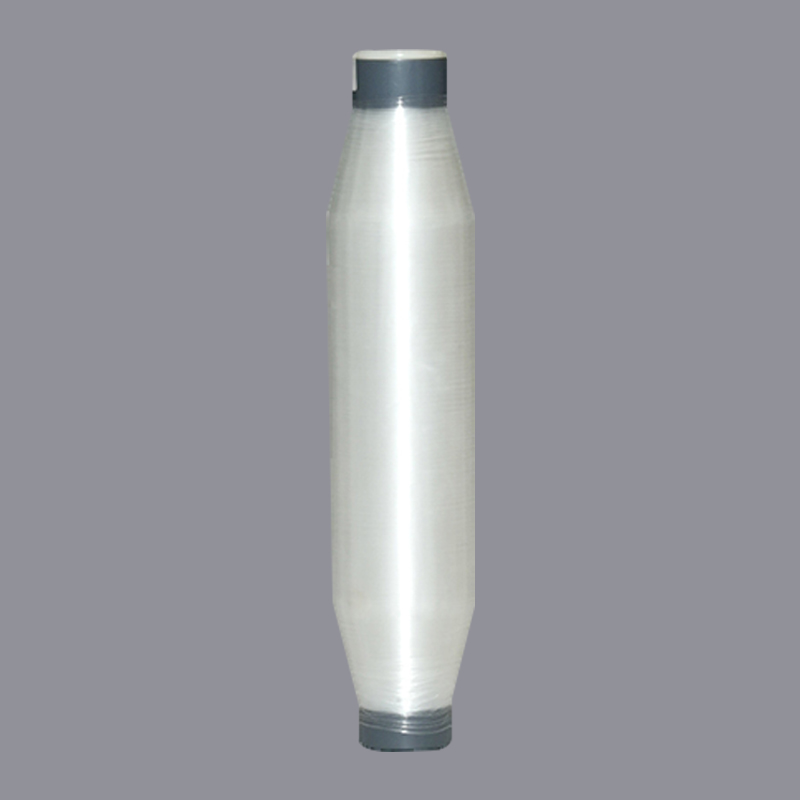
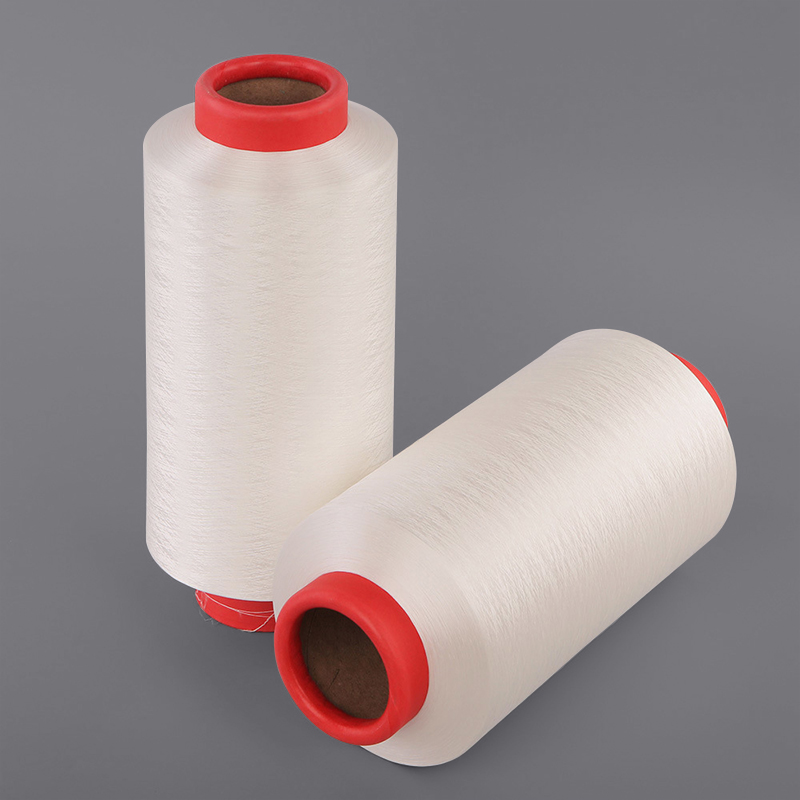
English
 中文简体

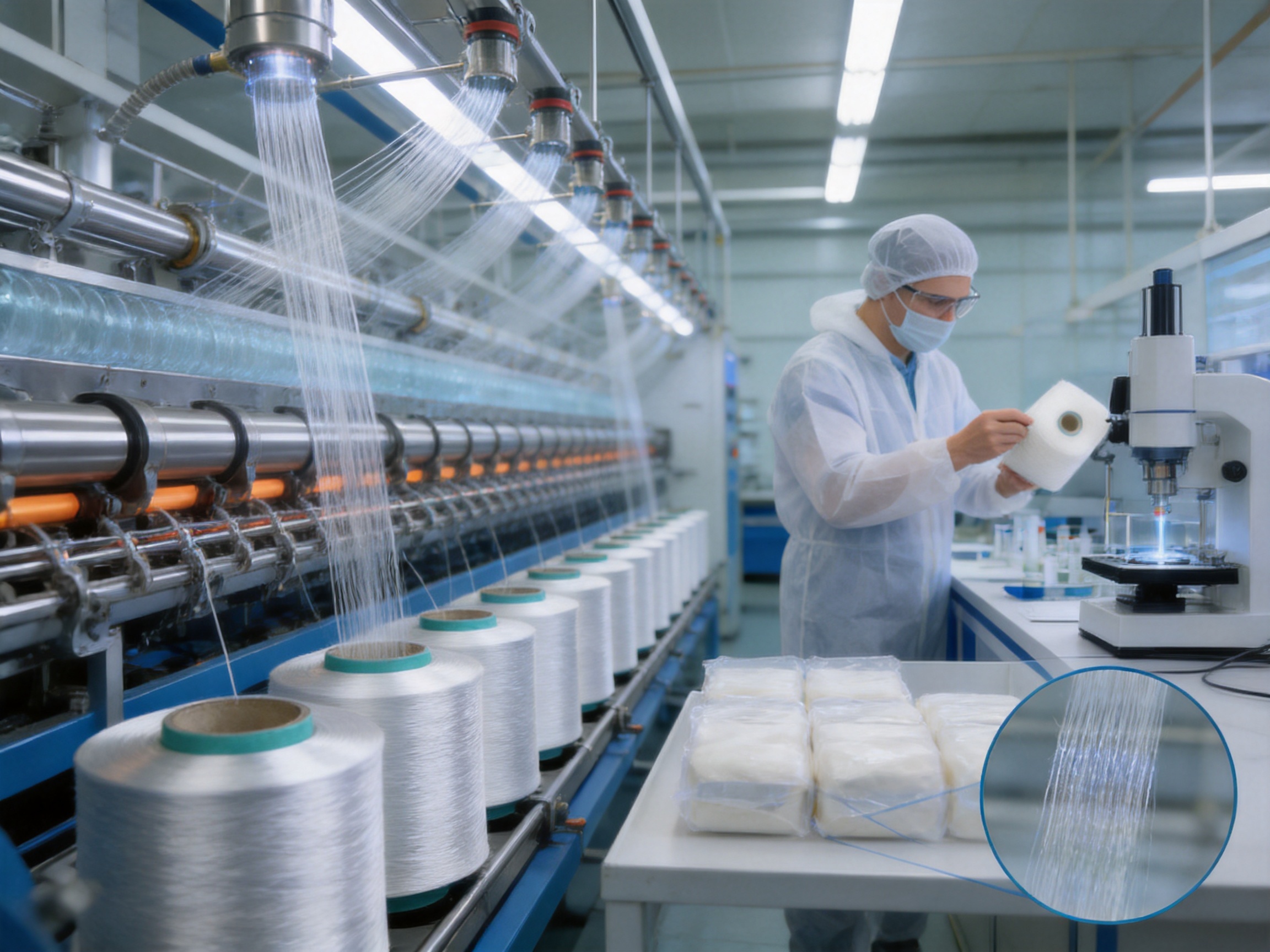
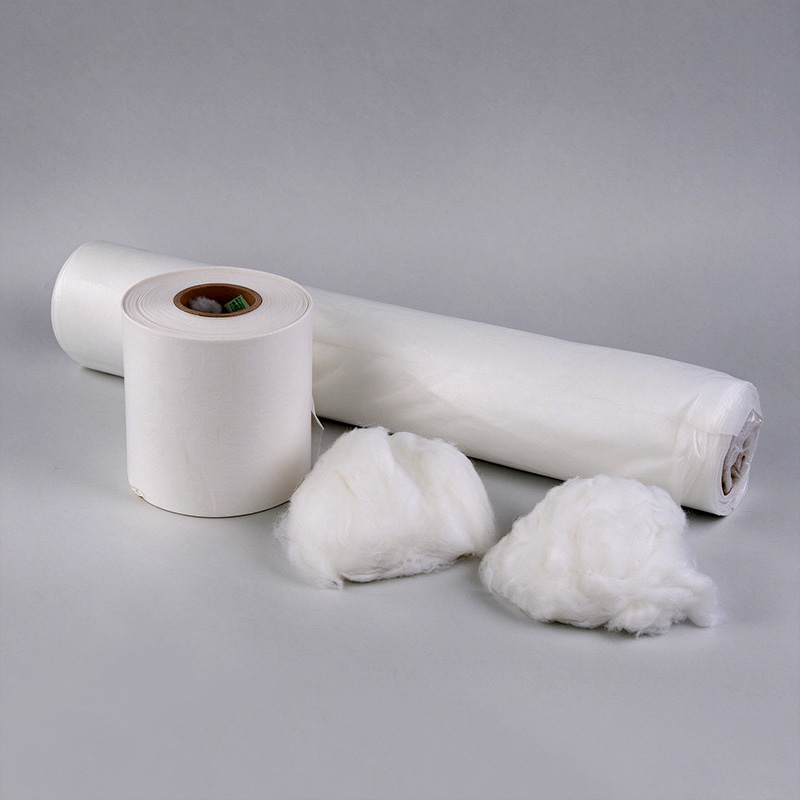
Made of PBS (Polybutylene Succinate), fully biodegradable.Features:1.Home compostable2.Raw material: PBS Polybutylene Su...
READ MORE
Content
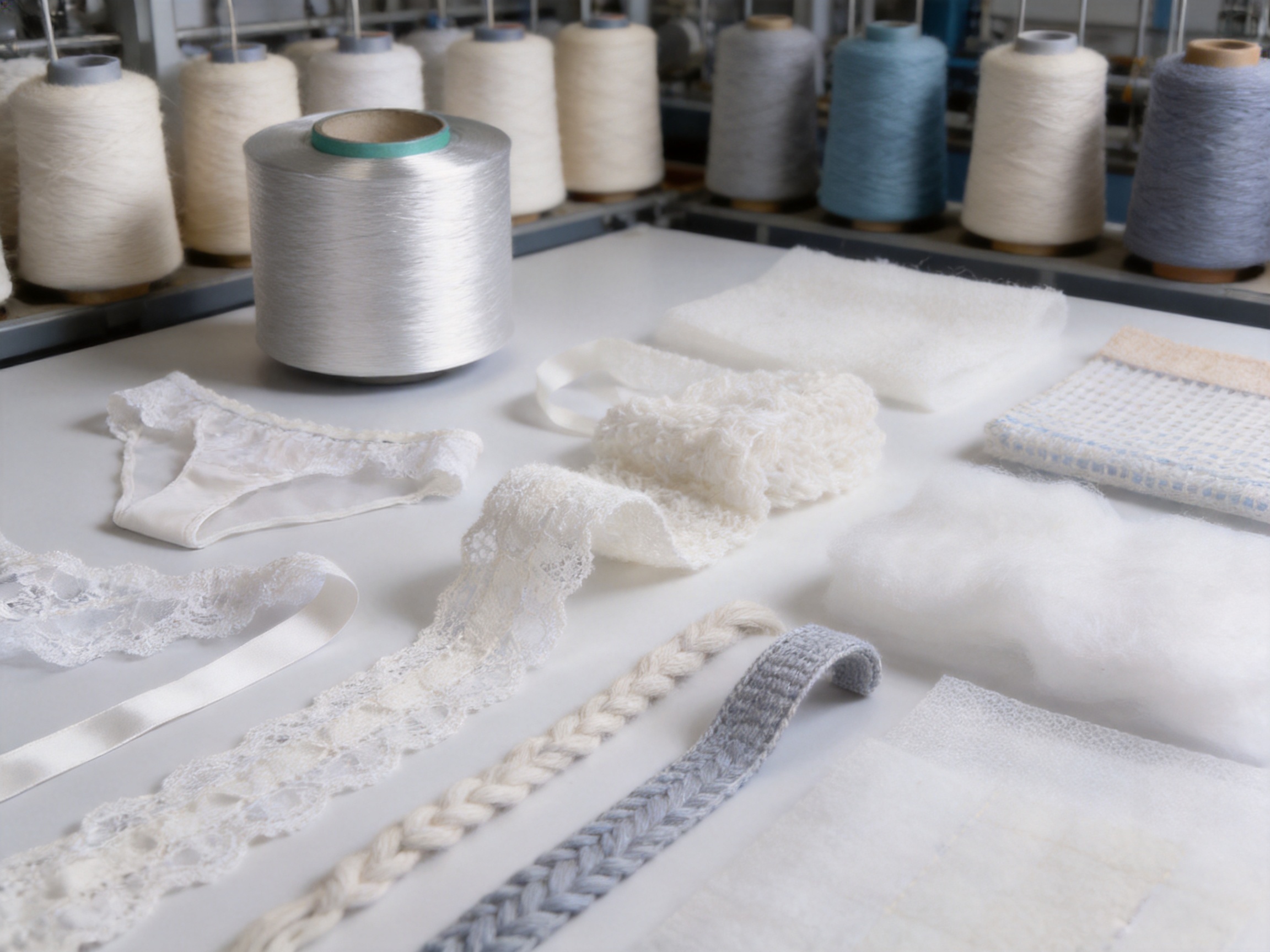
Sheath-core polyester low melting yarn is a specialized functional yarn designed to combine thermal bonding performance with the strength and dimensional stability of a conventional polyester filament. The 110 degree version uses a bi-component cross-section in which a low melting polyester sheath surrounds a regular polyester core. When the yarn is exposed to controlled heat, the outer sheath softens and bonds with adjacent fibers, while the inner core remains intact and continues to provide mechanical support.
This construction makes the yarn more than a simple adhesive fiber. It functions as a structural component, a bonding agent, and a processing-friendly filament in the same product. It can be incorporated into knitted fabrics, narrow textiles, lace, underwear components, chenille yarn, ropes, cable protection materials, nonwoven structures, wadding, filtration media, and composite textile products.
Compared with a conventional low melting yarn that may soften throughout its entire cross-section, a sheath-core yarn provides better control over the bonding process. The outer polymer is available for adhesion, while the core maintains the yarn’s strength and shape. This balance is especially valuable when manufacturers need low-temperature activation without sacrificing flexibility, tensile performance, or final product stability.
Sheath-core polyester low melting yarn is a bi-component filament made from two polyester materials with different thermal characteristics. The outer component, called the sheath, has a lower melting or softening temperature. The inner component, called the core, has a higher melting point and remains stable during the selected bonding process.
The cross-section is generally circular or modified circular, with the low melting polymer distributed around the central core. This arrangement is carefully controlled during extrusion. The sheath must be sufficiently continuous to provide reliable bonding, while the core must remain centered and consistent enough to deliver stable tenacity and dimensional performance.
In the 110 degree specification, the outer sheath is designed to activate at approximately 110 degrees Celsius. The actual processing temperature depends on heating method, exposure time, machine speed, fabric construction, pressure, and the characteristics of the surrounding materials. Manufacturers should validate the precise operating window through trials before moving to mass production.
During heating, the sheath becomes soft or molten and spreads across contact points between filaments or fiber layers. It then creates bonding points as the assembly cools. The core does not act as a melted adhesive. Instead, it remains a continuous polyester backbone that supports the yarn before, during, and after thermal treatment.
This combination gives the yarn a dual function. Before heating, it can be processed like a high-tenacity polyester filament. After heating, it helps lock surrounding fibers or textile structures into a more stable form. The result is a material that can simplify production by integrating reinforcement and bonding capability into one yarn.
The most important advantage of the product is the separation of functions between the sheath and the core. In many textile processes, bonding and strength are treated as separate requirements. A binder may be needed to connect fibers, while another yarn or fiber is needed to provide mechanical stability. A sheath-core construction combines these functions in one continuous filament.
The sheath is responsible for thermal activation. Because it softens earlier than the core, it can attach to adjacent polyester fibers or compatible materials under moderate heat. The core preserves continuity through the heating cycle and helps prevent excessive loss of strength after cooling.
This structure also improves control over the amount of adhesive polymer present in the final textile. Instead of applying a liquid coating or a separate adhesive film, the bonding component is carried within the yarn itself. This can reduce handling steps, improve material uniformity, and make the bonding process easier to integrate into automated production.
A full low melting filament may become soft throughout its entire diameter. Depending on the application, this can lead to excessive deformation, reduced tensile strength, or a more rigid final structure. By contrast, the sheath-core design allows the outer layer to contribute bonding while the core helps retain the original yarn framework.
The construction is especially useful in products that require a soft hand, fine appearance, or precise shape retention. Delicate lace, lingerie ribbons, seamless underwear components, fine knitted structures, and lightweight 3D fabrics may benefit from a bonding yarn that does not behave like a heavy adhesive coating.
| Item | Reference Description | Production Significance |
|---|---|---|
| Product type | Sheath-core polyester low melting yarn | Provides thermal bonding and structural support in one filament |
| Sheath function | Low melting polyester outer layer | Softens and bonds neighboring fibers during controlled heating |
| Core function | Regular, higher-melting polyester inner component | Maintains strength, continuity, and dimensional support |
| Nominal activation point | Approximately 110 degrees Celsius | Allows bonding at a comparatively moderate temperature |
| Available counts | 30D, 50D, and 70D | Supports fine, lightweight, and high-gauge textile applications |
| Cross-section | Sheath-core bi-component structure | Separates bonding performance from core strength |
| Processing feature | High tenacity and easy rewinding | Supports stable winding, unwinding, knitting, and weaving |
| Supply format | Cones or buyer-defined packaging | Can be adapted to downstream equipment and logistics |
| Customization | Special production by order | Allows adjustment to project-specific requirements |
The available 30D, 50D, and 70D counts give buyers flexibility when selecting a balance between fineness, coverage, bonding contribution, and mechanical performance. A 30D yarn may be selected for especially fine lace, narrow ribbons, delicate knitted components, or lightweight high-gauge products. A 50D yarn can provide a middle option for general fine textile production. A 70D yarn may be considered when a project requires additional visibility, handling stability, or reinforcement.
Actual performance depends on filament configuration, winding quality, heating conditions, fabric density, blend ratio, and the characteristics of the companion fibers. For this reason, the listed deniers should be treated as reference options rather than a substitute for application testing.
The approximately 110 degree activation point is one of the defining features of this product. It allows manufacturers to introduce bonding at a lower processing temperature than many conventional high-temperature adhesive systems. This can be beneficial when the surrounding textile contains heat-sensitive fibers, elastomeric components, dyes, finishes, or other materials that may be affected by excessive heat.
Lower-temperature activation may also help reduce thermal exposure time and energy consumption, although the actual energy benefit depends on the machine, production speed, insulation, pressure, and heating method. The most reliable way to evaluate energy performance is to compare complete production cycles rather than temperature settings alone.
During processing, temperature should be controlled carefully. A temperature reading from the machine display does not always represent the actual temperature at the yarn contact point. Airflow, fabric thickness, line speed, moisture, and pressure can all affect heat transfer. The goal is to activate the sheath sufficiently for bonding while avoiding unnecessary thermal exposure.
Steam, hot air, heated rollers, heat presses, ovens, and other systems may be suitable depending on the product. Steam can provide efficient heat transfer and moisture-assisted processing. Dry heat can provide a cleaner and more easily measurable process for certain assemblies. Heated rollers can combine temperature and pressure, while a press may be useful for smaller components or molded textile parts.
The recommended setting should be established through a controlled trial. Important variables include heating temperature, dwell time, pressure, cooling rate, yarn percentage, and the type of neighboring fiber. A successful trial should examine not only immediate bond strength but also flexibility, appearance, wash durability, dimensional stability, and resistance to repeated mechanical stress.
A separate adhesive coating, resin, or bonding film requires additional storage, dosing, application, and quality-control steps. Sheath-core low melting yarn incorporates the bonding function into a textile filament. This can simplify material planning and reduce the number of components required for some products.
The core also means that the yarn continues to contribute strength after the sheath has been activated. This is different from a system in which a liquid adhesive only connects fibers but contributes little to tensile performance. The product therefore has potential value in applications where the bonded structure must remain flexible yet mechanically stable.
Because the low melting component is positioned around the core, the bonding material is distributed along the length of the yarn. This can support more even bonding than manually applied adhesives, particularly when the yarn is laid, knitted, woven, or blended throughout a textile structure.
Uniform distribution is important in fine products. Localized adhesive buildup may create hard spots, shine, stiffness, or visible marks. The sheath-core approach can reduce the risk of such defects when the yarn count, heating profile, and fabric design are properly matched.
Liquid adhesives may migrate through porous materials, bleed to the surface, or accumulate on rollers and guides. The sheath-core design keeps the bonding polymer within the filament until the intended heating stage. The core helps maintain the position of the softened sheath and can reduce uncontrolled flow.
This does not mean that process contamination is impossible. Excessive temperature, excessive pressure, incompatible finishes, or over-application can still cause deposits. However, a properly processed sheath-core yarn can offer a cleaner alternative to some wet adhesive systems and may reduce maintenance requirements on thermal equipment.
Many bonding systems are difficult to use in delicate textiles because they add bulk or create a stiff hand. The 30D, 50D, and 70D options are suited to lightweight constructions where the bonding component must be present without dominating the appearance or flexibility of the product.
Fine-denier yarns can be integrated into narrow ribbons, lace, fine knitted fabrics, and small structural zones. The appropriate count should be selected according to required bond strength, fabric density, machine capability, and the desired surface effect.
High tenacity and easy rewinding are practical advantages in commercial production. A yarn may have excellent laboratory properties but still create problems if it breaks frequently, unwinds unevenly, or forms unstable packages. Stable package construction supports predictable feeding into knitting, weaving, winding, braiding, and other equipment.
Improved processing stability can reduce stoppages, waste, operator intervention, and quality variation. It is particularly important for computerized flat knitting, warp knitting, high-speed winding, and automated assembly lines where a single weak package can interrupt a larger production sequence.
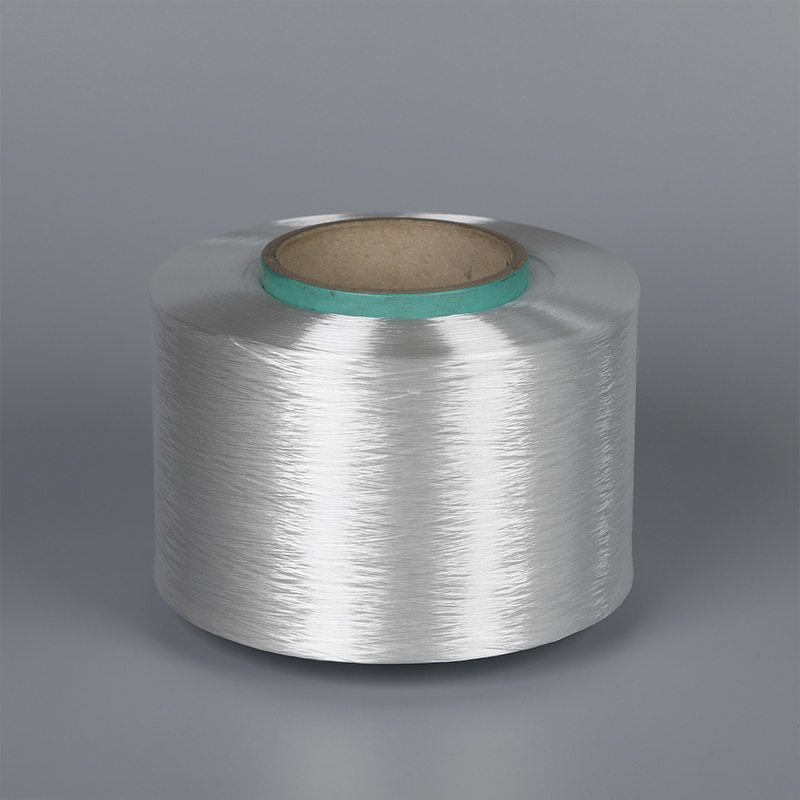
Sheath-Core Polyester Low Melting Yarn 110 Degree
The performance of a sheath-core yarn begins with the selection and preparation of the two polyester components. The sheath polymer must have suitable melting behavior, flow characteristics, compatibility, and adhesion properties. The core polymer must deliver the required tenacity, stability, and resistance to the selected processing temperature.
At a specialized manufacturing facility, the two polymers are prepared separately and fed into a bi-component extrusion system. Each polymer is melted under controlled conditions before entering a composite spinning assembly. The extrusion system must maintain stable pressure and temperature so that the sheath remains continuous around the core.
Polyester materials are sensitive to moisture and thermal history. Before extrusion, raw materials may require drying to reduce hydrolytic degradation during melting. Excess moisture can lower molecular weight, reduce strength, create bubbles, and affect spinning stability. Correct drying conditions therefore contribute directly to filament quality.
Material handling must also prevent contamination. Foreign particles, degraded polymer, and incompatible additives can disturb the cross-section or create weak points. Dedicated storage, controlled feeding, filtration, and regular equipment cleaning help protect the consistency of the final yarn.
In the extrusion stage, the sheath and core polymers are melted in separate channels. Their flow rates are controlled according to the target cross-section and sheath-to-core ratio. The two streams meet in a specialized composite spinneret that forms the desired arrangement before the filament exits.
Cross-section control is critical. If the core shifts from the center, one side of the sheath may become too thin while the opposite side becomes too thick. An uneven sheath can cause irregular bonding, inconsistent shrinkage, or variable appearance. Advanced equipment and stable process parameters are used to reduce these variations.
Extrusion temperature must be high enough to provide stable polymer flow but low enough to avoid unnecessary degradation. Pressure, throughput, melt viscosity, and quench conditions must be coordinated. A change in one variable can affect filament diameter, orientation, sheath distribution, and winding behavior.
After leaving the spinneret, the composite filament is cooled and drawn to develop the required mechanical properties. Drawing aligns molecular chains and increases tenacity. The drawing ratio must be selected carefully because the sheath and core may respond differently to stress and temperature.
Excessive drawing can damage the sheath, reduce bonding capability, or create internal stress. Insufficient drawing can produce a weak filament with poor dimensional stability. A specialized producer therefore balances strength, elongation, thermal response, and processing behavior rather than maximizing only one property.
Heat setting may be used to stabilize the filament and control residual shrinkage. The treatment must be compatible with the low melting sheath. If the yarn is exposed to too much heat during an early stage, the sheath may partially activate before the intended application, creating sticking, deformation, or package problems.
Interlacing can be applied to improve cohesion and handling. The degree of interlace influences unwinding, feeding, and behavior in knitting or weaving. A suitable level helps maintain filament unity without creating excessive knots or surface irregularity.
Winding is more than a packaging step. Package density, edge shape, tension, traverse pattern, and yarn path all influence downstream performance. An unstable package may collapse during transport or unwind unevenly on the customer’s equipment.
Easy rewinding indicates that the yarn can be transferred or rewound with reduced risk of snarling and breakage. Production teams can inspect package hardness, tension variation, surface condition, and the presence of defects before shipment. Buyer-specific cone sizes and packaging formats can also be considered for special orders.
A reliable low melting yarn requires more than a nominal melting point. Quality assurance should evaluate the relationship between thermal performance, mechanical properties, cross-section, winding behavior, and application results.
Incoming polymer inspection can include identification, moisture control, contamination checks, viscosity-related measurements, and batch traceability. During spinning, operators and quality personnel may monitor melt pressure, temperature, throughput, filament appearance, and break frequency.
Finished-yarn testing may include denier, tenacity, elongation, shrinkage, melting or softening behavior, package build, interlace, and visual inspection. Cross-sectional analysis can help verify that the sheath remains continuous and that the core is appropriately positioned.
Application testing is equally important. A yarn may meet a general specification but behave differently in a particular fabric because of stitch density, companion fiber, machine tension, or heating method. Small-scale bonding tests can identify the most suitable process window before full-scale production.
For international buyers, documentation and traceability are valuable. Batch numbers, production dates, packaging details, test records, and agreed specifications support communication between the supplier and the customer. They also make it easier to investigate a deviation if one occurs during downstream processing.
The 30D count is appropriate when fineness and low visual impact are priorities. It can be considered for delicate lace, fine underwear ribbons, translucent narrow fabrics, lightweight mesh, and high-gauge knitted products. Because the yarn is fine, the production process may require careful tension control and compatible machine settings.
Buyers should not assume that a finer yarn is always the best choice. The 30D option may require a higher number of filaments, a greater insertion density, or a carefully designed blend ratio to provide the desired bonding contribution. Testing should confirm whether the fine yarn delivers sufficient contact area and bond strength.
The 50D count provides an intermediate solution for applications that need a balance between fineness, handling, and bonding contribution. It may be suitable for knitted structures, lace-related products, narrow fabrics, light reinforcement, and composite textile assemblies.
This count can be useful when a 30D yarn is too delicate for the equipment or when a 70D yarn adds more body than the product design permits. Final selection should consider fabric thickness, machine gauge, required flexibility, and the percentage of low melting yarn in the construction.
The 70D count may be selected when handling stability, reinforcement, or a stronger bonding presence is required. It can be used in 3D knitted fabrics, chenille-related structures, ropes, cable wire sleeves, technical narrow fabrics, and other applications where the yarn must remain easy to process while contributing to structural integrity.
A heavier count can affect fabric hand, thickness, and appearance. It should therefore be evaluated not only by strength but also by flexibility, bending behavior, drape, and the visual result after heat activation.
Three-dimensional knitted fabrics require localized stability without losing breathability or flexibility. Sheath-core yarn can be introduced into structural zones, joining points, edges, or reinforcement areas. After heat activation, it may help stabilize the selected regions while allowing the remainder of the fabric to retain a softer and more open construction.
In lightweight shoe uppers and technical mesh, careful placement is important. The yarn should reinforce the intended area without creating a hard ridge or reducing comfort. Fine counts are particularly useful when the product design requires a clean surface and low added weight.
Delicate intimate apparel requires softness, elasticity, comfort, and resistance to fraying. A low melting bonding yarn can support lace edges, ribbon structures, channels, decorative elements, or selected seams. Its thermal activation may help hold fibers together without applying a separate adhesive layer that could be felt against the skin.
Compatibility with elastane, nylon, standard polyester, dyes, finishes, and washing conditions must be checked. The bonding temperature should not damage elastic recovery or alter the appearance of the delicate base fabric.
In narrow fabrics, edge stability and resistance to unraveling are often important. Sheath-core yarn can be incorporated into a woven or knitted ribbon and activated to stabilize the structure. This may be useful for lingerie ribbons, elastic narrow bands, labels, binding tapes, and decorative textile components.
The desired result depends on how much of the ribbon contains the low melting yarn and where it is positioned. A yarn placed near the edge may improve edge security, while a yarn distributed through the body may support overall cohesion.
Chenille yarn contains a pile structure that can be vulnerable to fiber movement or unraveling. Sheath-core yarn may help secure selected components of a chenille construction when exposed to an appropriate thermal process. The treatment must be carefully controlled to avoid crushing the pile or creating visible hardened sections.
In fine ropes, cords, and braided products, thermal bonding can help stabilize the arrangement of filaments and reduce slippage between components. The 70D option may be evaluated where a stronger processing yarn is needed, while lighter counts may be useful for smaller cords or decorative applications.
Rope designers should assess tensile strength, knot performance, flexibility, abrasion resistance, and behavior under repeated bending. A bonding yarn may improve dimensional stability, but the final construction must still be designed around the intended load and environment.
Heat-sealable textile sleeves can benefit from a low melting component that helps close, stabilize, or reinforce the sleeve structure. The polyester core can provide continuity while the sheath bonds at selected contact points. Electrical, thermal, abrasion, and flame-related requirements must be evaluated according to the intended cable application.
In nonwoven structures, the yarn can act as a bonding element between fiber layers. It may be incorporated into fiber webs, stitched constructions, or hybrid textile assemblies. When heated, the sheath bonds contact points and helps the material retain its shape.
Wadding, quilt filling, pillows, insulation materials, and soft composite products may benefit from improved shape retention. The final hand should be checked carefully because excessive bonding can reduce loft and flexibility.
Filtration media often require stable geometry and controlled pore structure. A bonding yarn can help hold layers or support a filter assembly without relying entirely on liquid binders. The chosen count, bonding level, and thermal cycle must not block the intended filtration pathways or introduce unacceptable extractables.
Automotive textile components, molded composite parts, trunk liners, acoustic materials, and interior reinforcement structures may use thermal bonding fibers to improve shape retention. The suitability of this yarn depends on automotive specifications, temperature exposure, odor requirements, aging, flammability, and compatibility with other materials.
For technical applications, buyers should request project-specific evaluation rather than assuming that a general textile grade automatically satisfies an industrial standard.
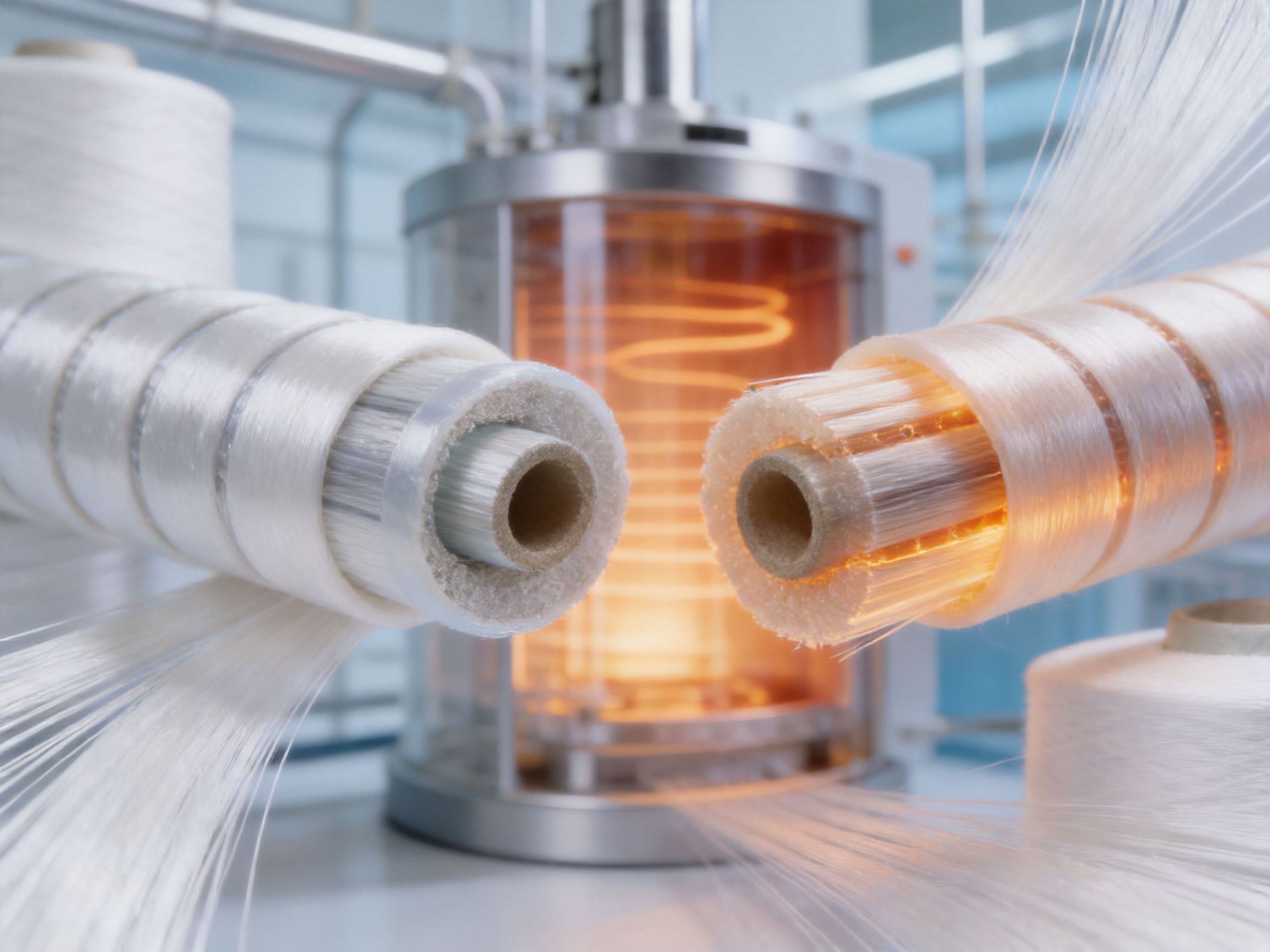
Conventional polyester filament yarn provides strength and dimensional stability but does not normally create a thermal bond at moderate temperatures. A separate adhesive must be added if bonding is required. Sheath-core yarn offers an integrated solution by adding a low melting outer layer to the structural filament.
Fully low melting fibers can offer strong bonding because most or all of the fiber softens. However, they may lose more of their mechanical integrity during heating. The sheath-core construction keeps a higher-melting core in place, which can improve post-bond stability and handling.
Liquid binders can coat large areas efficiently, but they may require mixing, application equipment, drying, curing, ventilation, and waste management. They may also alter hand, increase stiffness, or migrate through porous textiles. A filament-based bonding system can be cleaner and easier to integrate into a yarn-based production line.
Adhesive films provide continuous bonding surfaces, but they can increase bulk and may be difficult to place accurately in complex textile structures. Sheath-core yarn offers line-based or point-based bonding that can follow the architecture of a knitted, woven, braided, or stitched product.
The best choice depends on the product. Sheath-core yarn is particularly competitive when a manufacturer needs fine denier, low-temperature activation, mechanical continuity, controlled bonding, and compatibility with standard polyester processing.
Manufacturers often evaluate a functional yarn by its total production impact rather than by laboratory values alone. A successful product should run steadily, reduce defects, fit existing equipment, and deliver a consistent final result.
High tenacity helps the yarn withstand tension during winding, knitting, weaving, warping, braiding, and feeding. Easy rewinding supports package preparation and can reduce interruptions when material is transferred to different production formats.
The integrated bonding function may reduce the need for separate adhesive inventory. It can also simplify production planning by allowing bonding capability to be introduced through yarn placement, blend ratio, or fabric design rather than through a separate coating station.
Because the sheath and core are both polyester-based, the yarn may provide good material compatibility with standard polyester fibers. Similar chemical identity can support consistent dye behavior and reduce the risk of visible streaking caused by strongly different fiber types. Dyeing results still depend on polymer formulation, additives, temperature, and process conditions.
Cleaner processing can be another benefit. Compared with some liquid adhesive systems, the yarn does not require wet application or solvent handling. Reduced liquid handling may simplify housekeeping and reduce the risk of adhesive splashing or uncontrolled coating thickness.
GC FIBER, formally Nantong Global Chemical Fiber Co., Ltd., is a specialized textile manufacturer in China with experience dating back to 2006. The company focuses on the research, development, production, and sale of special and functional eco-friendly textile products.
Its product portfolio includes biodegradable yarn, low melting yarn, ECDP yarn, anti-static yarn, HDPE yarn, bio-component yarn, and polyester filament yarn. This concentration on functional materials is relevant to buyers seeking more than a general-purpose polyester supplier.
A specialized product focus supports a deeper understanding of polymer selection, bi-component extrusion, thermal response, yarn handling, and downstream textile requirements. It also creates a foundation for cooperation when a customer needs to modify a melting range, tenacity level, denier, packaging format, or other specification.
The company operates in Nantong, Jiangsu Province, an important textile manufacturing region. Its address is No. 66 Qiaogang Road, Haian, Nantong City, Jiangsu Province, China. Product shipments can be arranged through Shanghai seaport, which provides a practical export channel for international buyers.
GC FIBER also supports special production by order. Custom development should begin with a clear technical discussion covering target melting behavior, compatible base fibers, processing equipment, yarn count, desired tenacity, package format, and final application. Sample trials can then be used to confirm performance before commercial production.
For sourcing teams, the value of a specialized manufacturer lies in the ability to discuss the complete application rather than only quote a commodity yarn. A technical supplier can help identify whether the issue is related to yarn count, sheath ratio, heating profile, fabric construction, or machine settings.
Before large-scale use, buyers should conduct a structured trial. The first step is to identify the intended bonding method and the materials that will contact the yarn. Polyester, nylon, elastane, polypropylene, natural fibers, coatings, and finishing agents may each respond differently to heat.
The second step is to select a preliminary count. The 30D option may suit fine products, the 50D option may provide a balanced starting point, and the 70D option may be considered for reinforcement or more robust structures.
The third step is to test several temperature and dwell-time combinations around the expected activation range. Testing should begin conservatively and increase gradually. Excessive heat can produce hardening, shrinkage, discoloration, surface marks, or equipment deposits.
The fourth step is to examine the bonded product after cooling. Useful checks include peel or pull strength, bending flexibility, appearance, dimensional change, surface feel, wash performance, and repeated mechanical stress. If the product is intended for intimate apparel or skin contact, comfort and irritation-related requirements should also be evaluated.
The fifth step is to run the yarn on production equipment. A laboratory sample may not reveal package or tension problems. Commercial trials should measure breakage, unwinding behavior, machine stoppage, fabric defects, and consistency across multiple packages.
Functional yarn should be stored in a clean, dry environment away from direct sunlight, excessive heat, moisture, and chemical contamination. Packages should remain protected in their original packaging until they are ready for use.
Sudden changes in temperature and humidity can influence yarn behavior and package condition. Allowing the yarn to acclimatize before processing may improve consistency, especially when the storage area and production floor have substantially different conditions.
Packages should be handled carefully to prevent crushed edges, surface damage, and contamination. Any damaged package should be identified before feeding it to high-speed machinery. Clear batch separation is also recommended so that production teams can trace the material used in each order.
Lower-temperature thermal bonding may help reduce process energy compared with systems that require higher activation temperatures, although the actual result must be measured on the relevant equipment. The possibility of reducing separate adhesive materials may also simplify process waste management.
The yarn itself is polyester-based, so end-of-life considerations should be evaluated according to the final product and local recycling infrastructure. A mono-material or predominantly polyester design may offer advantages in some recycling strategies, but additives, blends, coatings, and composite constructions can affect recyclability.
Eco-friendly performance should therefore be evaluated across the product life cycle. Relevant factors include raw materials, production energy, process emissions, durability, washing life, repairability, recycling potential, and the amount of auxiliary chemistry required during manufacturing.
Insufficient bonding may result from low temperature, short dwell time, excessive line speed, poor contact, low yarn content, or incompatibility between the sheath and neighboring fiber. It may also occur if the yarn has been stored improperly or if the process temperature does not reach the actual yarn location.
Possible solutions include adjusting temperature gradually, increasing contact pressure, extending dwell time, improving yarn placement, or reviewing the blend ratio. The supplier should be consulted if the cross-section or thermal behavior appears inconsistent.
Excessive stiffness can result from overheating, too much low melting yarn, excessive pressure, or a structure that becomes heavily bonded at many points. A finer count, lower yarn percentage, shorter dwell time, or reduced temperature may improve the hand.
Visible streaks, hard spots, or irregular bonding may be caused by uneven sheath distribution, inconsistent fabric tension, poor heat transfer, unstable package unwinding, or nonuniform placement in the textile. Cross-sectional inspection and a review of the heating zone can help identify the source.
Breakage during processing may be associated with excessive tension, damaged packages, incorrect guides, poor winding, insufficient tenacity, or incompatibility with machine speed. It is useful to compare breakage by package and batch. If only certain packages are affected, package formation or handling may be the primary issue.
| Purchasing Question | Why It Matters |
|---|---|
| Which count is required? | Count affects fineness, handling, bonding contribution, and final appearance. |
| What is the actual heating method? | Steam, hot air, rollers, and presses transfer heat differently. |
| What materials will contact the yarn? | Compatibility influences adhesion, color, flexibility, and durability. |
| What is the target production speed? | Speed affects dwell time, tension, and heat penetration. |
| What package format is needed? | Correct cone size and winding format support efficient feeding. |
| Are custom specifications necessary? | Special projects may require adjusted denier, tenacity, or thermal behavior. |
| Which tests are required? | Testing should reflect the final application rather than only generic yarn properties. |
| What shipping route is preferred? | Export planning should consider Shanghai seaport and the buyer’s logistics network. |
The sheath is a low melting polyester layer that softens first and bonds to neighboring fibers when heated. The core is a higher-melting polyester component that remains substantially intact and provides strength, continuity, and shape retention.
110 degrees Celsius is the nominal product designation and reference activation point. Actual softening and bonding behavior depends on the polymer formulation, test method, heating rate, pressure, exposure time, and equipment. Buyers should confirm the operating window through application testing.
In many textile bonding, nonwoven, wadding, narrow-fabric, and reinforcement applications, it can reduce or eliminate the need for a separate adhesive component. Whether it can fully replace an adhesive depends on required bond strength, coverage, durability, substrate compatibility, and product design.
The core is designed to remain stable under the intended activation conditions while the sheath softens. However, excessive temperature or prolonged exposure can affect the entire yarn. Process control is therefore necessary.
30D or 50D may be suitable starting points for delicate lace, depending on the required bond strength and machine conditions. The final choice should be confirmed through trials that evaluate softness, appearance, edge stability, and wash durability.
50D or 70D may be considered when additional handling stability or structural contribution is needed. The appropriate selection depends on the rope diameter, braid density, tensile requirement, flexibility, and thermal process.
Yes. Since both the sheath and core are polyester-based, the yarn is generally suitable for integration with polyester textile materials. Dyeing, shrinkage, finishing, and bonding behavior should still be confirmed for the specific formulation and fabric construction.
The approximately 110 degree activation point can be advantageous for some heat-sensitive materials. Compatibility must be verified because a fiber may tolerate a brief temperature exposure differently from a prolonged thermal cycle.
GC FIBER cooperates with customers on special material development. Potential discussion areas include melting point range, denier, tenacity, package format, and application-specific performance. Development normally requires technical information and sample evaluation.
Buyers should review cross-section consistency, thermal response, tenacity, elongation, winding quality, batch stability, documentation, sample performance, communication, and production capacity. A supplier’s experience with functional and bi-component yarns is also relevant.
An inquiry should state the intended application, target count, base fiber, machine type, heating method, line speed, desired bond strength, package format, estimated quantity, shipping destination, and any required testing or certification.
Sheath-core polyester low melting yarn with an approximately 110 degree activation point is a practical solution for manufacturers that need controlled thermal bonding together with continuous filament strength. Its bi-component structure separates the adhesive function from the structural function: the sheath softens and bonds, while the core maintains mechanical stability.
The product is available in 30D, 50D, and 70D counts, supporting applications that range from delicate lace and lingerie ribbons to 3D knitted fabrics, chenille structures, ropes, cable sleeves, nonwovens, wadding, filtration media, and technical composites.
Its advantages over conventional bonding approaches include integrated functionality, fine-denier availability, potentially cleaner processing, controlled adhesive distribution, high tenacity, and easy rewinding. These benefits are most valuable when the yarn is matched carefully to the fabric construction and processed within a verified thermal window.
Manufacturing quality depends on polymer preparation, moisture control, bi-component extrusion, cross-section stability, drawing, heat setting, interlacing, winding, inspection, and batch traceability. GC FIBER’s focus on functional textile products and special production by order provides a foundation for buyers seeking both standard specifications and application-oriented development.
For best results, customers should evaluate samples under real processing conditions, compare counts, confirm compatibility with surrounding fibers, and measure final product performance after heating, cooling, washing, and mechanical use. With appropriate selection and process control, this yarn can help manufacturers create lighter, cleaner, and more stable bonded textile structures.
1. Standard technical principles of bicomponent fiber extrusion and sheath-core filament formation.
2. General polyester fiber processing practices covering drying, melt spinning, drawing, heat setting, interlacing, and winding.
3. Textile thermal bonding principles for nonwoven fabrics, wadding, filtration media, and composite structures.
4. General quality-control methods for filament denier, tenacity, elongation, shrinkage, package stability, and thermal response.
5. Application guidance supplied for sheath-core polyester low melting yarn with an approximately 110 degree activation point.
6. Product and company information provided by GC FIBER, Nantong Global Chemical Fiber Co., Ltd.
Made of PBS (Polybutylene Succinate), fully biodegradable.Features:1.Home compostable2.Raw material: PBS Polybutylene Su...
READ MOREPlease fill out the form below and our team will contact you as soon as possible.
Addres: No.66 Qiaogang Road, Haian, Nantong City, Jiangsu Province, China
E-mail: service@gcfiber.com admin@gcfiber.com
Copyright ? GC FIBER All Rights Reserved. Eco-Friendly Textile Products Manufacturer Biodegradable Yarn Company