English
 中文简体
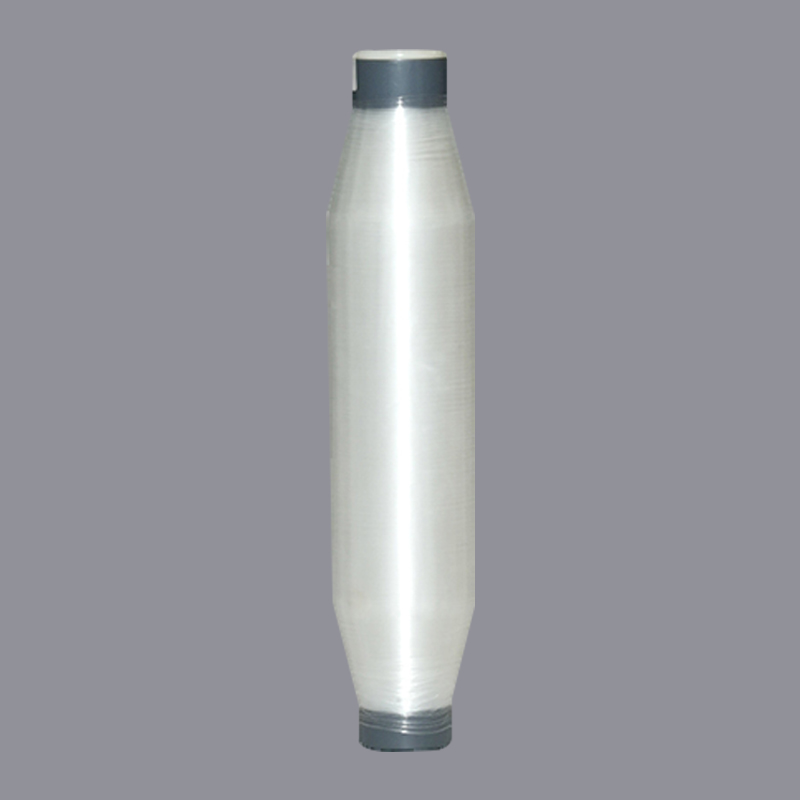
Made of PBS (Polybutylene Succinate), fully biodegradable.Features:1.Home compostable2.Raw material: PBS Polybutylene Su...
READ MORE
Content
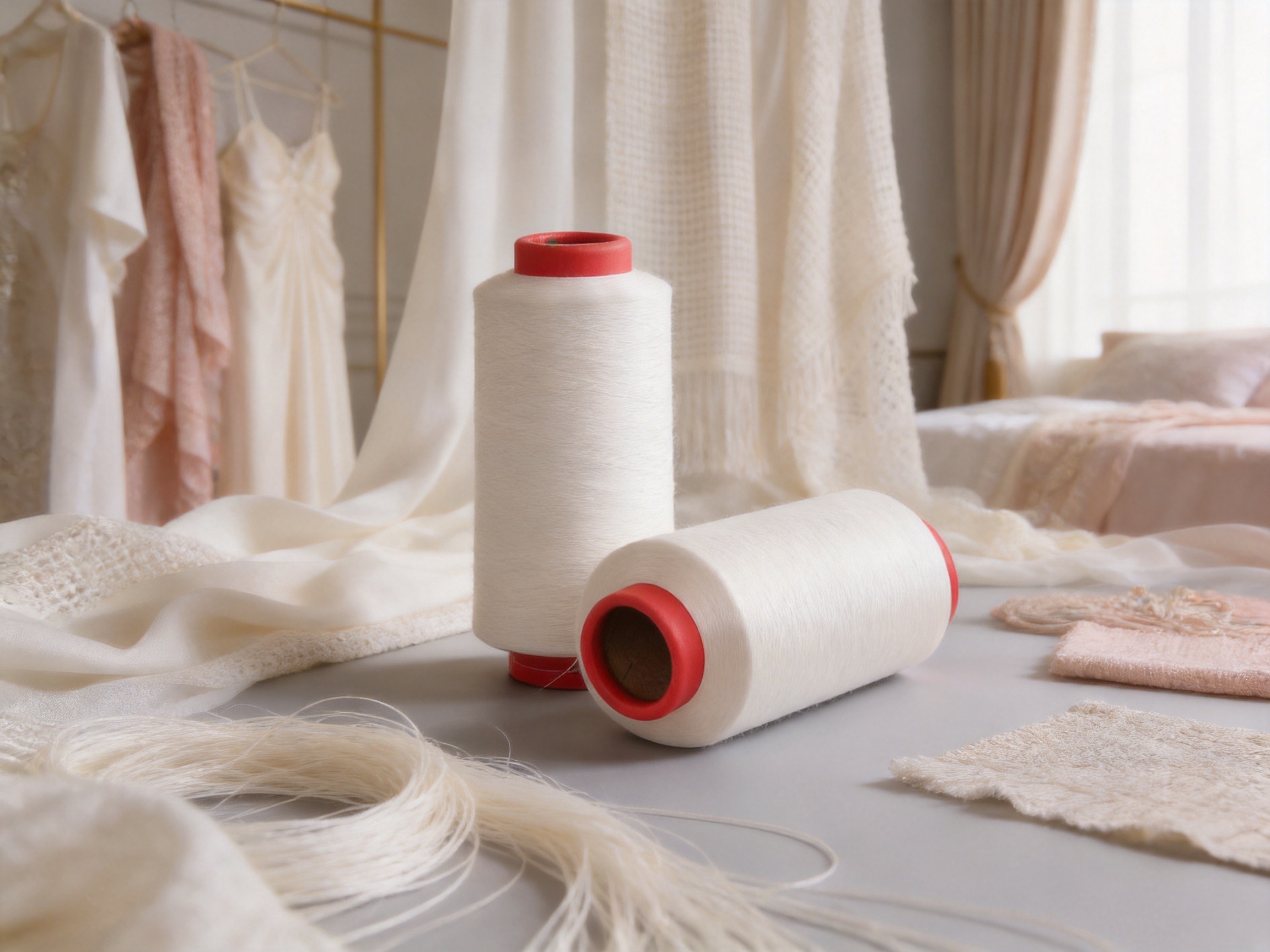
Polyester Finest Yarn is an ultra-fine polyester filament yarn developed for textile manufacturers that require softness, strength, stable processing, and refined fabric performance in one material. Available in extremely fine specifications such as 7D/8F and 10D/12F DTY, this yarn provides a delicate handle while retaining the durability and elastic resilience associated with high-quality polyester.
As textile production continues to move toward lighter, softer, more comfortable, and higher-value fabrics, yarn fineness has become an important factor in product development. Ultra-fine yarns can help manufacturers create fabrics with improved drape, refined surface appearance, enhanced coverage, and a comfortable hand feel. However, producing very fine yarn consistently requires more than simply reducing the yarn diameter. It requires carefully selected raw materials, precise spinning technology, controlled texturing, reliable rewinding, and strict quality management.
Polyester Finest Yarn is designed to meet these requirements. It is suitable for weaving and knitting and can be specially produced according to customer specifications. The product combines the practical benefits of polyester with the advantages of ultra-fine filament construction, making it appropriate for apparel, home textiles, technical fabrics, and other applications where both appearance and performance matter.
Polyester Finest Yarn is made from polyester and processed into a highly refined filament structure. Its ultra-fine count allows manufacturers to produce lightweight fabrics with a soft and delicate surface. Compared with ordinary polyester yarns, the finer filaments can provide a different fabric architecture, including greater softness, improved drape, and a more refined visual effect.
The product is available in DTY specifications including 7D/8F and 10D/12F. DTY, or draw textured yarn, is a filament yarn that has been drawn and textured to improve its bulk, elasticity, touch, and processing characteristics. The combination of a very fine denier and a textured structure creates a yarn that can be used in fabrics requiring comfort and flexibility without sacrificing the basic strength of polyester.
In practical textile production, a yarn must perform consistently throughout winding, warping, knitting, weaving, dyeing, finishing, and final garment or product assembly. Polyester Finest Yarn is developed with these production stages in mind. Its good rewinding performance helps support stable downstream processing, while its tenacity and elastic resilience contribute to reliable fabric formation.
The product is not limited to a single fabric category. Depending on the construction, finishing method, color, and final application, it can be incorporated into lightweight apparel, soft lining fabrics, intimate apparel, sportswear, scarves, decorative textiles, bedding, curtains, and selected industrial textile products.
| Product name | Polyester Finest Yarn |
| Material | Polyester |
| Yarn type | DTY polyester filament yarn |
| Available fine counts | 7D/8F and 10D/12F |
| Primary processes | Weaving and knitting |
| Main characteristics | Ultra-fineness, good tenacity, good rewinding, soft handle, high strength, elastic resilience |
| Production method | Special production by order |
| Shipping point | Shanghai seaport |
The available specifications allow textile manufacturers to select a suitable balance between fineness, fabric coverage, softness, and processing requirements. Since different fabric constructions may require different yarn behaviors, special production by order also provides flexibility for customers who need a specific product configuration.
Textile buyers increasingly expect fabrics to be lightweight, soft, attractive, and durable at the same time. These requirements can be difficult to achieve with conventional yarns alone. Ultra-fine polyester yarn offers a practical route to product refinement because its smaller filament dimensions can influence both the tactile and visual properties of the finished fabric.
A finer yarn can help create a smoother fabric surface. When many fine filaments are arranged within a fabric structure, the resulting textile may feel more delicate and comfortable against the skin. The fabric can also achieve a soft drape without becoming excessively heavy. These properties are valuable in clothing, linings, scarves, home textiles, and other products where touch and appearance influence purchasing decisions.
Fine yarns may also support improved fabric coverage. Multiple fine filaments can create a dense and uniform structure while maintaining a lightweight construction. This can be beneficial for manufacturers developing breathable or fluid fabrics that need an attractive surface without excessive thickness.
Another advantage is design flexibility. Ultra-fine polyester yarn can be used in different knitting and weaving structures, allowing fabric developers to explore new combinations of texture, transparency, softness, stretch response, and surface appearance. When combined with suitable dyeing and finishing processes, the yarn can contribute to fabrics with a premium appearance.
Nevertheless, ultra-fine yarn production presents technical challenges. A very small yarn diameter can make consistency, strength, and winding more difficult to control. Any variation in raw material quality, tension, heating, texturing, or winding can affect downstream performance. This is why the manufacturing process is central to the quality of Polyester Finest Yarn.
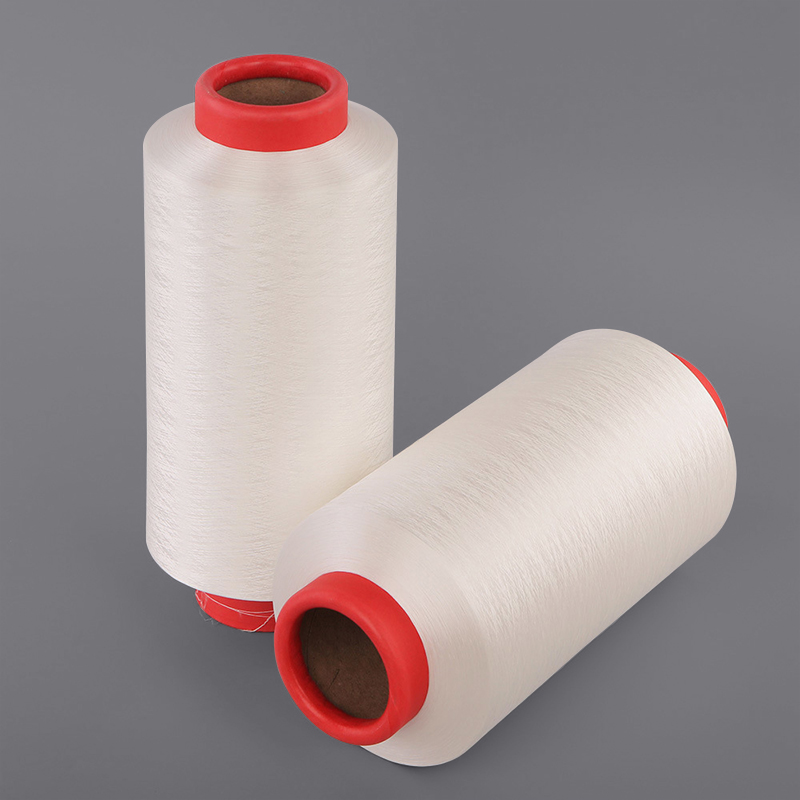
Polyester Finest Yarn
The defining characteristic of this product is its extremely fine denier. The 7D and 10D options are designed for applications requiring a refined yarn structure. Ultra-fineness can help produce fabrics with a soft, smooth, and lightweight character that is difficult to obtain from coarser yarns.
For product developers, fine yarn opens opportunities to create delicate garments, comfortable next-to-skin fabrics, elegant home textiles, and lightweight fashion materials. It can also help improve the visual uniformity of a fabric when the yarn is processed under suitable conditions.
Although the yarn is very fine, it is designed to provide good tenacity. Tenacity is important because the yarn must withstand tension during manufacturing and use. A yarn with insufficient strength may break during knitting or weaving, causing production interruptions, fabric defects, and material waste.
Good tenacity supports stable textile processing and contributes to the durability of the finished fabric. It also gives manufacturers greater confidence when using fine yarn in production systems that require controlled tension and continuous operation.
Rewinding is an important stage in yarn preparation. A yarn that rewinds smoothly can be formed into a package with suitable density, uniformity, and unwinding behavior. Good rewinding performance helps reduce problems such as snarling, uneven tension, package deformation, and sudden yarn breaks.
For weaving and knitting factories, stable packages can improve machine efficiency and reduce the need for frequent operator intervention. This is especially valuable when producing fine fabrics, where small variations may become visible in the final product.
Polyester Finest Yarn is designed to provide a good handle. The fine filament structure contributes to a soft and delicate touch, while the textured yarn form can create a comfortable surface with useful bulk and flexibility.
A soft handle is particularly important in apparel, bedding, underwear, lightweight knitwear, scarves, and other products that come into close contact with the body. It can also increase the perceived value of home textiles and fashion fabrics.
High strength is one of the fundamental advantages of polyester. The material is known for its resistance to wear and its ability to maintain performance during repeated use. When high strength is combined with fine yarn construction, textile producers can develop lightweight products that still offer practical durability.
This balance is useful in applications where reducing fabric weight is important but excessive delicacy would be unacceptable. For example, a lightweight garment fabric may need to tolerate regular washing, handling, folding, and movement. Polyester Finest Yarn can support these requirements when properly processed into a suitable fabric structure.
Elastic resilience refers to the ability of a yarn or fabric to recover after deformation. Polyester Finest Yarn offers elastic resilience that can help textiles maintain their shape during use. This property is beneficial for garments, knitted products, fitted items, and fabrics exposed to repeated movement.
Shape retention can improve the service life and appearance of finished products. It may also reduce the tendency of a fabric to remain permanently stretched after being worn or handled. The final performance will depend on fabric construction and finishing, but the yarn provides a useful foundation for resilience.
The yarn is suitable for both weaving and knitting. This compatibility gives textile manufacturers flexibility in developing different fabric constructions. Woven fabrics can emphasize stability, smoothness, and tailored appearance, while knitted fabrics can emphasize stretch, comfort, and drape.
Because the product can be used across more than one processing route, buyers may simplify their material sourcing and evaluate the same fine yarn concept for multiple product lines. Special production by order can further support application-specific requirements.
Conventional polyester yarn remains widely used because of its strength, affordability, and processing convenience. However, standard yarns may not always provide the level of softness, fineness, or refined appearance required by premium textile products. Polyester Finest Yarn is positioned for applications where these additional qualities are important.
The most visible difference is yarn diameter. A finer yarn can create a more delicate fabric surface and may support lighter constructions. This is particularly valuable for fashion and comfort-oriented products, where fabric weight and handle are major selling points.
Another difference is the potential for improved fabric coverage and surface refinement. When fine filaments are arranged evenly, the fabric may display a smoother appearance and more uniform touch. This can help manufacturers develop products with a more premium market position.
Fine polyester yarn can also help balance softness with durability. Some soft materials may lack strength, while some strong materials may feel harsh or rigid. Polyester Finest Yarn is designed to bring together a soft handle, good tenacity, high strength, and elastic resilience.
Compared with natural fibers, polyester offers advantages in wear resistance, wrinkle resistance, and ease of washing and drying. Compared with ordinary synthetic yarns, the ultra-fine construction provides an additional level of comfort and refinement. The result is a material suited to manufacturers that want functional polyester performance in a more sophisticated textile form.
| Performance factor | Polyester Finest Yarn | Typical coarse or standard yarn |
| Yarn fineness | Ultra-fine options such as 7D and 10D | Usually larger denier options |
| Handle | Soft, smooth, and delicate | May be firmer or less refined |
| Fabric weight potential | Suitable for lightweight textile development | More limited when very light fabric is required | Strength | Good tenacity and high strength | Varies according to specification |
| Elastic response | Good elastic resilience | Depends on yarn type and construction |
| Processing | Suitable for weaving and knitting | Often application-dependent |
The comparison is not intended to suggest that one yarn is suitable for every application. Instead, it illustrates why fine polyester yarn is valuable when the product objective includes a combination of lightness, softness, strength, and refined appearance.
Consistent ultra-fine yarn requires a carefully controlled manufacturing system. GC FIBER is a special textile factory in China that researches, develops, produces, and sells functional and eco-friendly textile products. The company has operated in the special textile field since 2006 and has developed experience across several specialized yarn categories.
The manufacturing approach for Polyester Finest Yarn begins with the selection of polyester raw materials. Raw material quality affects yarn strength, uniformity, appearance, and processing behavior. Careful screening and testing help ensure that the input material is appropriate for fine filament production.
After raw material selection, the production process must maintain accurate control over filament formation. Fine yarns are sensitive to fluctuations in temperature, pressure, speed, and tension. Advanced production equipment supports the precise handling required to produce yarn with consistent characteristics.
The texturing stage is also important for DTY. Texturing modifies the filament structure to provide suitable bulk, touch, and elastic behavior. For ultra-fine specifications, the process must be balanced carefully. Excessive variation can affect package formation and downstream fabric appearance, while insufficient control can reduce the desired tactile and elastic properties.
Rewinding is performed to create packages suitable for customer processing. A stable package should unwind smoothly and maintain consistent tension. This is especially important for high-speed knitting and weaving operations, where unstable unwinding may lead to machine stops or fabric defects.
Quality control continues throughout production rather than being limited to a final inspection. A comprehensive system can monitor raw materials, production conditions, yarn appearance, package quality, and performance characteristics. This approach helps improve consistency from one batch to another.
High-quality polyester raw materials provide the foundation for high-quality filament yarn. The factory uses screening and testing procedures to assess raw material suitability before production. This helps reduce the possibility of defects caused by inconsistent or unsuitable inputs.
For fine yarn, raw material control is especially important because the small yarn size leaves less tolerance for variation. Stable raw materials support more predictable spinning and texturing behavior, helping the production team maintain consistent results.
Advanced production equipment contributes to stable yarn formation and process efficiency. Equipment must be capable of controlling the conditions required for fine filament production, including yarn speed, tension, heating, cooling, and winding.
Modern equipment also supports repeatability. When a customer places repeated orders, consistent settings and process records can help the factory reproduce the required product characteristics. This is valuable for brands and textile mills that need continuity across seasonal or long-term production programs.
Equipment alone does not guarantee product quality. Fine yarn production also depends on experienced technical personnel who understand the relationship between raw materials, process parameters, yarn structure, and downstream performance.
GC FIBER combines production equipment with a technical team focused on special and functional textile products. This combination supports problem solving, product adjustment, and customer communication during development. When a buyer needs a special count or application-specific result, technical knowledge is essential for translating the requirement into a workable yarn specification.
Process stability is a major advantage in commercial textile manufacturing. Stable production helps reduce variation in yarn strength, fineness, appearance, winding, and texture. It can also reduce material waste and improve machine efficiency for customers.
For manufacturers of high-value fabrics, process stability has a direct commercial impact. A small yarn inconsistency can become a visible line, shade variation, hole, or texture difference in the final fabric. Consistent yarn helps customers protect product quality and maintain reliable production schedules.
GC FIBER does not only produce established yarns. The company also cooperates with customers to develop new materials. This development capability is relevant to Polyester Finest Yarn because textile applications can vary widely. A customer may require a particular combination of denier, filament number, handle, strength, package form, or processing performance.
Working with a manufacturer capable of special production can shorten the distance between an initial fabric concept and a commercial yarn solution. It also gives customers the opportunity to test new constructions rather than selecting only from standard products.
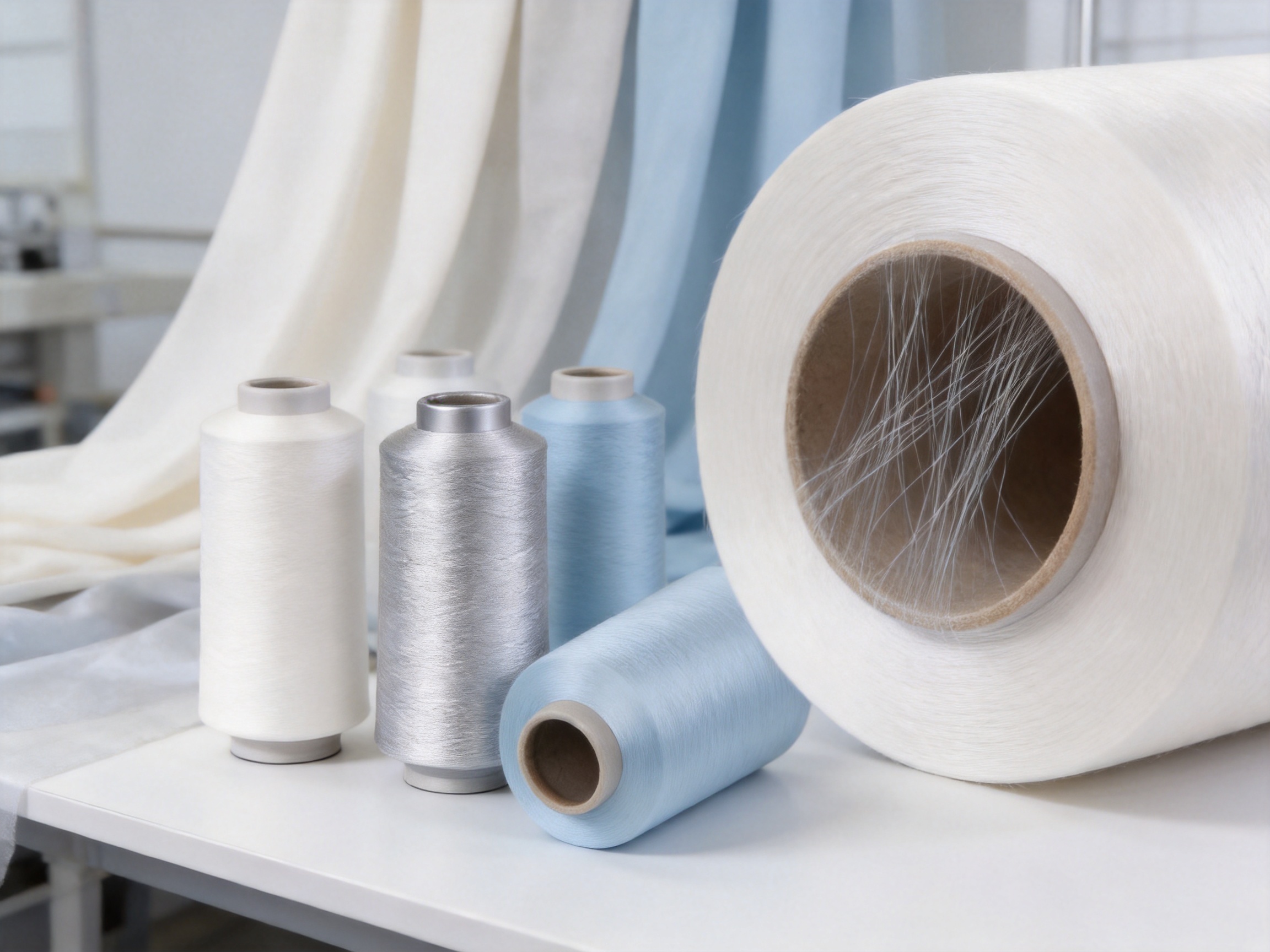
Quality management is essential because the product is intended for demanding textile applications. A suitable quality system should evaluate both the yarn itself and its ability to perform during downstream processing.
Important quality considerations include denier consistency, filament uniformity, yarn strength, elongation, texture stability, package formation, rewinding behavior, and visual cleanliness. Depending on the customer’s application, additional assessments may be required for color, moisture, oil content, or compatibility with dyeing and finishing.
Strength and tenacity testing help verify that the yarn can withstand the tension applied during weaving or knitting. Elongation and resilience testing help provide information about the yarn’s response to deformation. Package inspection helps confirm that the yarn can unwind smoothly in the customer’s equipment.
Visual inspection is also important. Fine yarns must be checked for irregularities, broken filaments, contamination, excessive fuzz, and other conditions that could affect fabric appearance. Careful inspection at multiple stages helps identify issues early and supports continuous improvement.
Quality control records can also contribute to order consistency. When production data are retained and reviewed, the factory can compare batches and identify opportunities to improve process control. This systematic approach is particularly useful for customers that place repeat orders or operate large-scale production programs.
Polyester Finest Yarn can be used in woven fabrics where smoothness, lightness, strength, and refined appearance are required. Woven structures provide dimensional stability and can be designed for clothing, linings, decorative materials, and household products.
In apparel weaving, the yarn may be used for lightweight shirts, dresses, skirts, blouses, fashion accessories, and premium lining fabrics. The soft handle and fine construction can contribute to a comfortable and elegant fabric surface, while polyester’s strength supports regular use.
In home textiles, the yarn can be considered for lightweight curtains, bed textiles, decorative covers, and other products where appearance and easy care are important. The final fabric performance depends on the weave design, finishing treatment, and end-use requirements.
Fine woven polyester may also be suitable for blended or layered constructions. It can be combined with other yarns to create differences in texture, surface effect, strength, or drape. Such combinations allow designers to use the yarn where its ultra-fine characteristics provide the greatest value.
Knitted fabrics require yarns that can run smoothly under continuous tension and form consistent loops. Polyester Finest Yarn is suitable for knitting and offers a combination of fine construction, strength, softness, and elastic resilience.
Potential knitted applications include lightweight apparel, sportswear components, intimate apparel, fashion knitwear, scarves, soft accessories, and comfortable lining materials. The yarn can support products that require a smooth hand and flexible movement.
In circular knitting, package quality and unwinding behavior are important. Good rewinding performance helps provide a stable yarn supply to the knitting machine. Stable yarn tension can reduce the risk of uneven loops, streaks, needle problems, and fabric irregularities.
Warp knitting and other specialized knitting methods may also benefit from fine polyester yarn when the yarn specification is matched carefully to machine settings and fabric design. Customers should evaluate yarn performance through trials before full-scale production, especially when developing a new construction.
The apparel industry is one of the most important markets for fine yarn. Garment manufacturers and fashion brands increasingly seek fabrics that combine attractive appearance with comfort, durability, and easy care. Polyester Finest Yarn addresses these requirements through its ultra-fine construction and functional polyester characteristics.
For lightweight clothing, the yarn can help create fabrics with good drape and a delicate surface. It may be used in dresses, blouses, shirts, skirts, linings, scarves, and fashion accessories. The soft handle can improve the wearer’s comfort, while strength and resilience help the garment maintain its practical value.
For sports and active products, fabric developers often need a balance between low weight, flexibility, durability, and recovery. Fine polyester yarn can be evaluated for such constructions, particularly when combined with suitable knitting, finishing, or blending technologies.
For premium products, the yarn’s fine count may contribute to a more sophisticated fabric identity. It can support a smoother appearance and a more refined touch, helping manufacturers differentiate their products from textiles made with standard yarns.
Polyester Finest Yarn is also appropriate for selected home textile applications. Bedding, curtains, decorative fabrics, covers, and other interior products may benefit from a combination of softness, color presentation, durability, and ease of care.
Fine yarn can contribute to a lightweight and flowing curtain construction. In bedding and household fabrics, softness and comfort are important, while polyester’s resistance to wrinkles and ease of washing can support consumer convenience.
In decorative textiles, the yarn can be combined with different weave or knit structures to create surface effects. Designers may use it to achieve a smooth, fine, or delicate appearance without relying entirely on heavier materials.
The suitability of the yarn for a specific home textile depends on the required abrasion resistance, fabric weight, dimensional stability, dyeing method, and finishing process. These factors should be discussed during product selection and sampling.
Polyester Finest Yarn is primarily associated with apparel and home textiles, but polyester filament yarn also has potential in selected industrial applications. The material’s strength, wear resistance, and processing versatility make polyester useful in many technical textile structures.
Possible areas include lightweight interior materials, selected filter constructions, protective covers, and other products where fine yarn geometry and stable polyester performance are beneficial. Industrial users should define technical requirements clearly because each application may require different levels of strength, elongation, heat resistance, chemical resistance, or dimensional stability.
The ability to develop special products by order can be valuable in technical applications. Instead of selecting a general-purpose yarn, customers may work with the factory to identify a specification suited to the intended product and production process.
Polyester Finest Yarn is a synthetic textile material, and its environmental profile should be evaluated across the full product life cycle. Important considerations include raw material sourcing, production efficiency, fabric durability, washing behavior, product service life, and end-of-life management.
Durable textiles can reduce the frequency of replacement when they remain attractive and functional over extended use. Polyester’s strength, wear resistance, wrinkle resistance, and easy-care properties may contribute to longer product use in suitable applications.
GC FIBER’s wider product portfolio includes biodegradable yarn, low melting yarn, ECDP yarn, anti-static yarn, HDPE yarn, bio-component yarn, and polyester filament yarn. This range reflects the company’s focus on special and functional eco-friendly textile products and provides customers with opportunities to explore different material solutions.
Environmental performance should always be assessed according to the complete product design. A yarn choice may be combined with recycled content, bio-based components, efficient dyeing, optimized fabric weight, durable finishing, or improved product longevity. Customers seeking a specific environmental objective should communicate that objective during development so the appropriate material route can be evaluated.
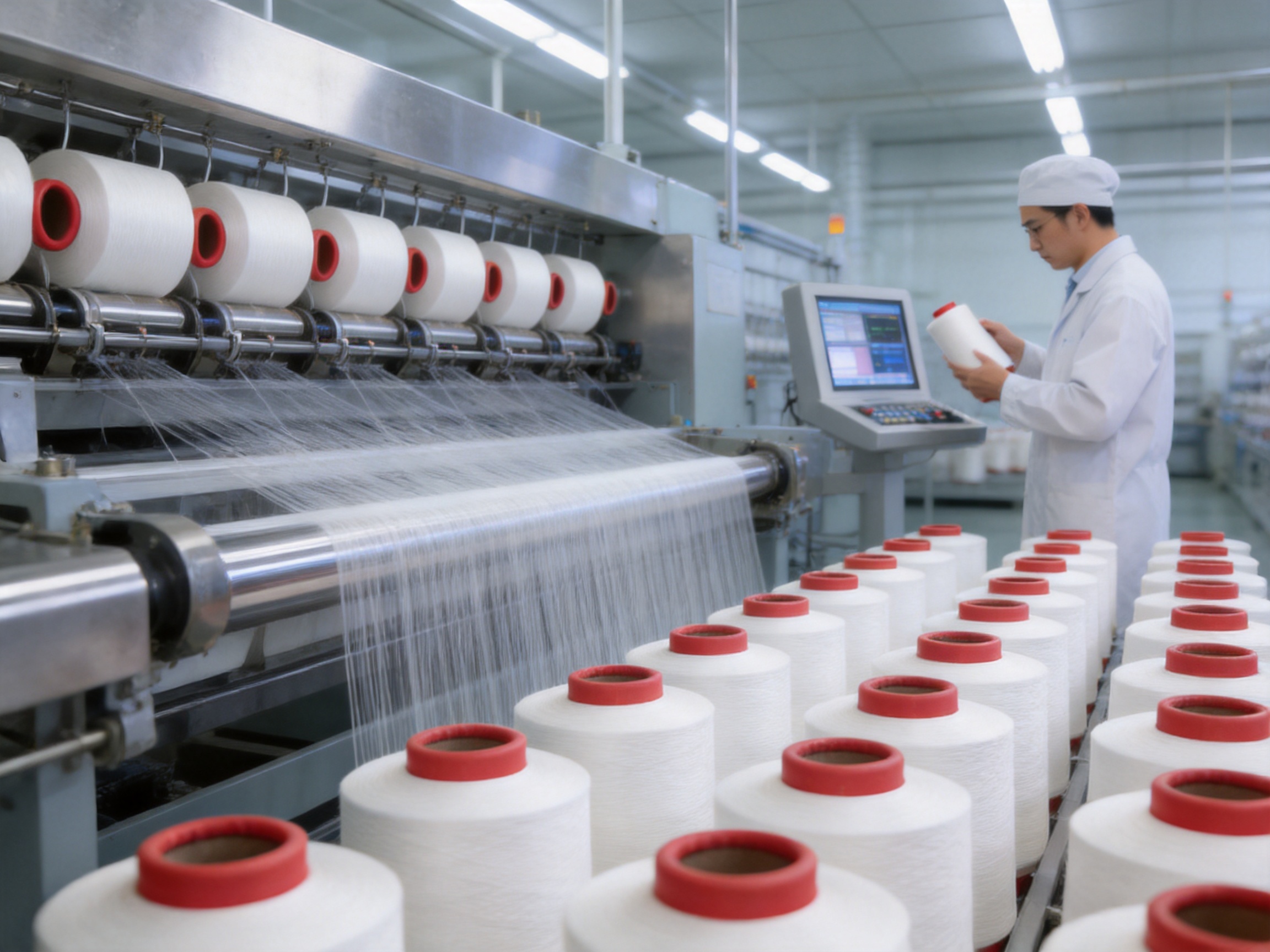
Textile manufacturers often need yarns that meet specific production or product requirements rather than standard catalog specifications. Polyester Finest Yarn can be specially produced by order, allowing customers to discuss their application, count, filament arrangement, package requirements, and intended processing route.
Customization may be useful when a customer is developing a new fabric, replacing an existing yarn, improving softness, reducing fabric weight, or solving a processing problem. A special production program can also help customers create a differentiated textile product that is not easily reproduced with ordinary yarns.
The development process should begin with a clear technical brief. Useful information includes the intended fabric type, knitting or weaving method, machine model, required fabric weight, desired handle, color or dyeing conditions, target strength, elongation requirements, and estimated order volume.
Sampling is an important part of customization. A trial sample allows the customer to assess yarn behavior in actual production conditions. It also gives the manufacturer useful feedback about tension, winding, machine settings, fabric appearance, and finishing response.
Once the required specification is confirmed, production parameters can be standardized for future orders. This supports repeatability and helps ensure that the yarn continues to meet the customer’s expectations over time.
Choosing an experienced manufacturer is important when purchasing ultra-fine yarn because the product requires specialized process control. A supplier with experience in functional and special textile products is better positioned to understand the relationship between yarn structure and final fabric performance.
GC FIBER has operated as a special textile factory since 2006. Its business covers research, development, production, and sales of specialized yarn products. This integrated capability can help customers move from product inquiry to sample development and commercial supply through a coordinated process.
The company’s product portfolio demonstrates experience across different functional requirements. Its materials include biodegradable, low melting, ECDP, anti-static, HDPE, bio-component, and polyester filament yarns. Such a portfolio supports broader technical discussions when customers are comparing material options.
The factory also cooperates with customers to develop new materials. This is an advantage for buyers whose requirements are not fully addressed by standard yarns. Technical cooperation can help identify a more suitable combination of fineness, strength, handle, elasticity, and production behavior.
Another strength is the company’s focus on customer service and order-based production. Textile customers often need clear communication, reliable lead-time coordination, consistent documentation, and responsive technical support. These service factors can be as important as the yarn itself in long-term supply relationships.
The first consideration is the target fabric. A lightweight woven fabric may require a different yarn behavior from a soft knitted fabric. The customer should define whether the priority is surface smoothness, drape, softness, coverage, elasticity, or dimensional stability.
The second consideration is the yarn count and filament arrangement. The available 7D/8F and 10D/12F options provide a starting point for evaluation. The more suitable choice will depend on the fabric design, machine capability, required fabric weight, and desired visual effect.
The third consideration is machine compatibility. Knitting and weaving equipment may have different tension requirements and operating conditions. Buyers should conduct trials to confirm that the yarn runs smoothly at the intended production speed.
The fourth consideration is finishing. Dyeing, heat setting, softening, calendaring, coating, and other finishing processes can change the final fabric’s appearance and handle. Yarn selection should therefore be considered together with the complete fabric process.
The fifth consideration is volume and supply planning. Customers should communicate estimated demand, delivery requirements, packaging preferences, and repeat-order expectations. Early planning helps the manufacturer organize special production and maintain consistent supply.
Identify the final product and its performance requirements. For example, a garment lining may prioritize smoothness and lightness, while sportswear may require resilience and durability. Home textiles may emphasize softness, appearance, and easy care.
Compare 7D/8F and 10D/12F according to the desired fabric weight, coverage, surface, and processing behavior. A technical consultation can help determine which option is more appropriate for the intended construction.
Run the yarn on the intended knitting or weaving equipment. Observe package unwinding, yarn tension, breakage, loop or pick formation, and fabric uniformity. Machine trials provide more meaningful information than specifications alone.
Assess handle, drape, appearance, strength, elasticity, dimensional stability, and dyeing response. If the fabric will be finished, evaluate it both before and after finishing to understand the complete performance profile.
After the technical evaluation, confirm order quantity, packaging, production schedule, inspection requirements, and delivery arrangements. Shanghai seaport is available as the stated shipping point for export coordination.
Fine filament yarn should be stored in a clean, dry, and well-ventilated area. Packages should remain protected from excessive moisture, dust, direct sunlight, and physical impact. Proper storage helps preserve package shape and supports smooth downstream processing.
Packages should be handled carefully to avoid crushing, contamination, or damage to the outer yarn layers. If packages are moved between storage and production areas, they should be protected from sharp edges and unnecessary friction.
Before use, customers should allow the yarn to reach the normal environmental conditions of the production area when appropriate. Sudden changes in temperature or humidity may influence handling behavior. Production teams should also follow their standard procedures for machine setup, tension control, and package placement.
Because fine yarn can be sensitive to process conditions, operators should monitor the initial production carefully. Early observation can identify whether adjustments are needed in machine speed, tension, guide position, or other settings.
Polyester Finest Yarn can create business value in several ways. First, it enables the development of differentiated fabrics with a soft, refined, and lightweight character. These qualities can support premium positioning in competitive textile markets.
Second, the yarn’s strength and resilience can help manufacturers produce lightweight fabrics without compromising practical durability. This balance may support products that are comfortable for consumers and efficient for brands to market.
Third, good rewinding and processing performance can contribute to production efficiency. Smooth yarn delivery reduces interruptions and helps maintain fabric quality, which may lower waste and improve operating consistency.
Fourth, special production by order supports product customization. Customers can work toward a yarn solution aligned with their own fabric technology rather than accepting a specification that only partially meets their needs.
Finally, cooperation with a manufacturer that produces multiple functional yarn categories can simplify future development. A customer may begin with polyester fine yarn and later explore biodegradable, bio-component, low melting, anti-static, or other specialized options within the same technical supply relationship.
Polyester Finest Yarn is an ultra-fine polyester filament yarn designed for lightweight, soft, and refined textile applications. It is available in fine DTY specifications including 7D/8F and 10D/12F.
DTY means draw textured yarn. It is a filament yarn that has been drawn and textured to provide suitable bulk, touch, flexibility, and elastic behavior for textile processing.
The stated available counts are DTY 7D/8F and DTY 10D/12F. Other requirements may be discussed for special production by order.
Yes. The product is intended for both knitting and weaving. Customers should select the specification and machine conditions according to the planned fabric construction.
The main advantages include ultra-fine construction, good tenacity, reliable rewinding, soft handle, high strength, and elastic resilience. These characteristics make it suitable for refined and lightweight textiles.
Fine filament construction can contribute to a softer, smoother, and more delicate fabric surface. The final handle also depends on the fabric structure, processing conditions, dyeing, and finishing treatments.
It can be suitable for high-end apparel, home textiles, and other refined products where softness, lightness, appearance, and processing stability are important. Final suitability should be confirmed through sampling and application testing.
Yes. The product can be specially produced by order. Customers are encouraged to provide information about the intended application, count, machine, fabric construction, performance targets, and expected quantity.
Good rewinding performance helps create stable packages that unwind smoothly. This can reduce yarn breaks, tension fluctuations, machine interruptions, and fabric irregularities during knitting or weaving.
Potential industries include apparel, fashion, home textiles, decorative textiles, knitting, weaving, and selected industrial textile applications. The most appropriate use depends on the required fabric and performance characteristics.
Customers should conduct a trial on the intended knitting or weaving equipment, then evaluate yarn running behavior and finished fabric properties. Testing should include handle, appearance, strength, elasticity, dimensional stability, and finishing response where relevant.
Shanghai seaport is the stated shipping point for the product. Delivery terms and logistics arrangements should be confirmed during order negotiation.
Polyester Finest Yarn provides textile manufacturers with a practical material solution for developing lightweight, soft, durable, and refined fabrics. Its 7D/8F and 10D/12F DTY specifications are designed for applications where ultra-fineness and processing reliability are equally important.
The product combines the established strengths of polyester, including high strength, wear resistance, wrinkle resistance, and easy care, with the added benefits of a very fine filament structure. Good tenacity, reliable rewinding, a soft handle, and elastic resilience make it suitable for weaving, knitting, apparel, home textiles, and selected technical applications.
Its competitive value is supported by the manufacturing capabilities of GC FIBER, a special textile factory with experience dating back to 2006. The company uses selected raw materials, advanced production equipment, technical expertise, and quality control procedures to support stable product performance. Its ability to cooperate with customers on new material development also provides flexibility for special applications.
For buyers seeking an ultra-fine polyester yarn, the most effective approach is to define the final application, review the available count, perform a machine trial, evaluate the finished fabric, and confirm commercial requirements. With proper specification and process matching, Polyester Finest Yarn can help textile producers create products that offer a stronger combination of comfort, appearance, durability, and market differentiation.
1. Textile Institute, Textile Terms and Definitions, discussion of yarn structures, filament yarns, and textile processing terminology.
2. American Society for Testing and Materials, Standard Test Methods for Textile Yarns and Fibers, guidance on yarn strength, elongation, and related performance evaluation.
3. International Organization for Standardization, Textile Testing Standards, general principles for assessing yarn and fabric quality.
4. Technical product information supplied for Polyester Finest Yarn, including DTY 7D/8F and 10D/12F specifications, product features, and applications.
5. Company information supplied for GC FIBER, including manufacturing history, special textile product categories, research and development capabilities, and customer material cooperation.
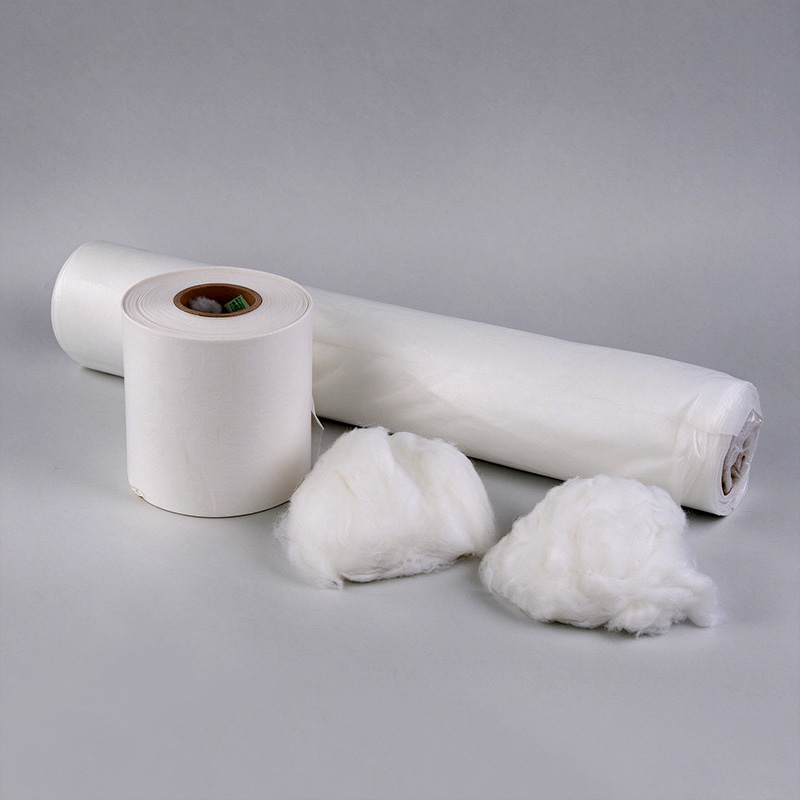
Made of PBS (Polybutylene Succinate), fully biodegradable.Features:1.Home compostable2.Raw material: PBS Polybutylene Su...
READ MOREPlease fill out the form below and our team will contact you as soon as possible.
Addres: No.66 Qiaogang Road, Haian, Nantong City, Jiangsu Province, China
E-mail: service@gcfiber.com admin@gcfiber.com
Copyright ? GC FIBER All Rights Reserved. Eco-Friendly Textile Products Manufacturer Biodegradable Yarn Company