English
 中文简体
中文简体
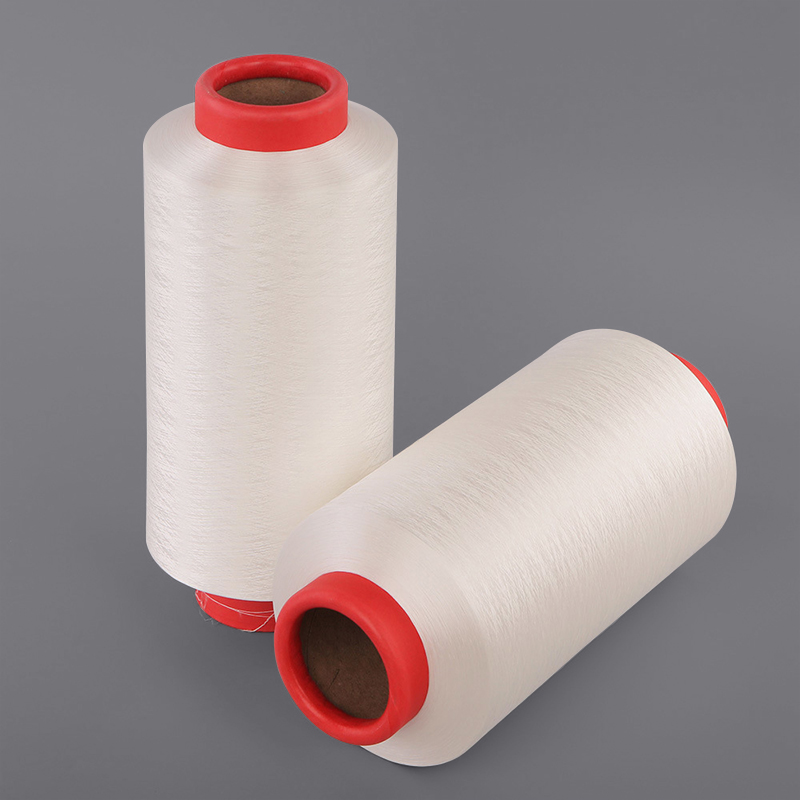
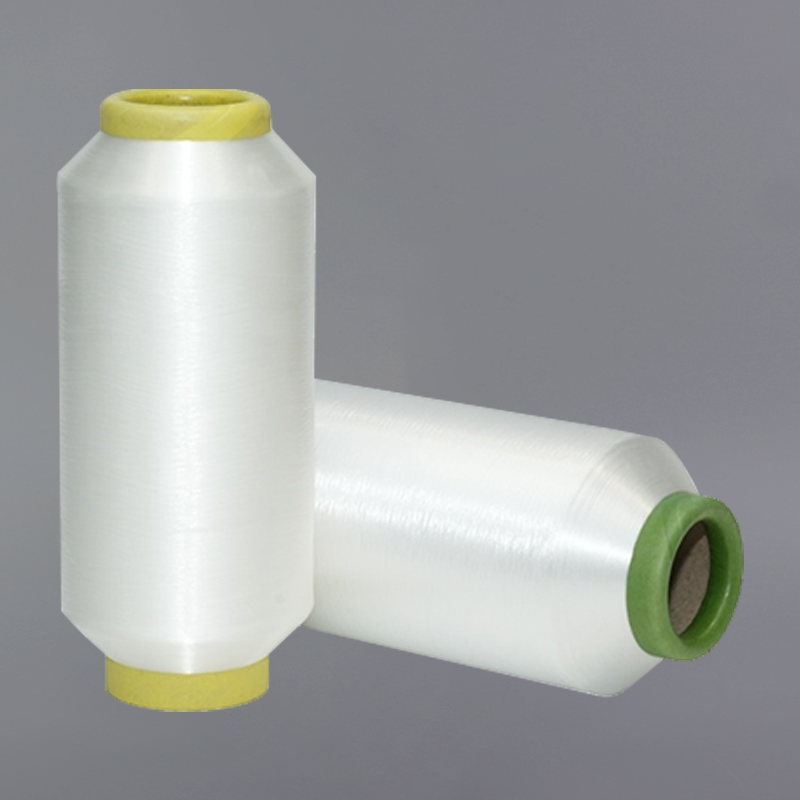
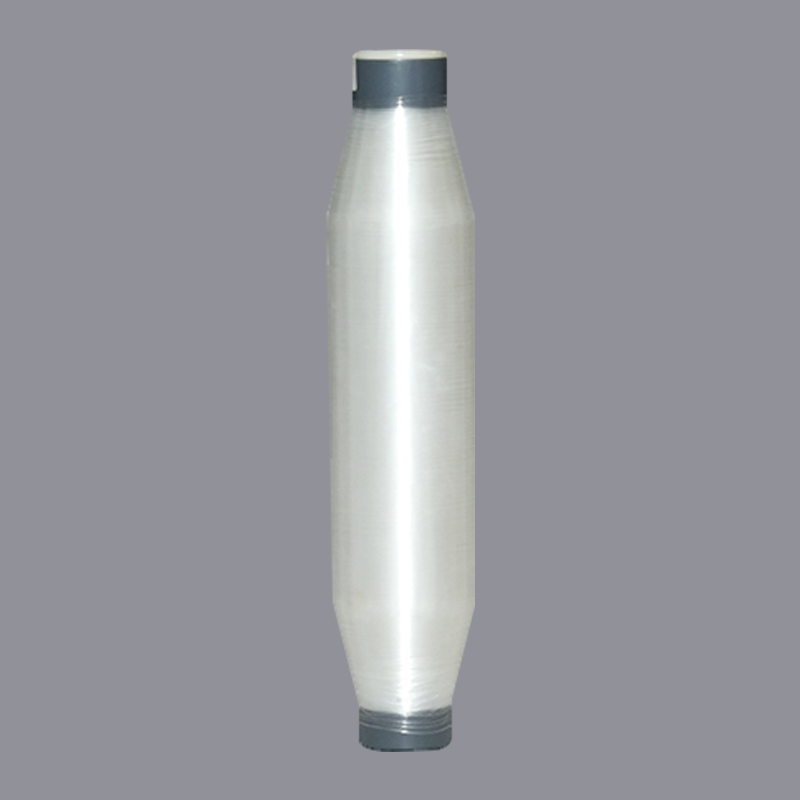
It is made with Bio-base PLA, fully biodegradable Feature: 1. Industrial compost product 2. Made with PLA 3. Eco-frie...
READ MORE
Content
As textile manufacturers, brands, and consumers place greater emphasis on sustainability, the demand for renewable and lower-impact fiber materials continues to grow. PLA biodegradable staple fiber has emerged as an important solution for companies seeking to reduce dependence on petroleum-based resources while maintaining the comfort, processability, and functional performance expected from modern textile materials.
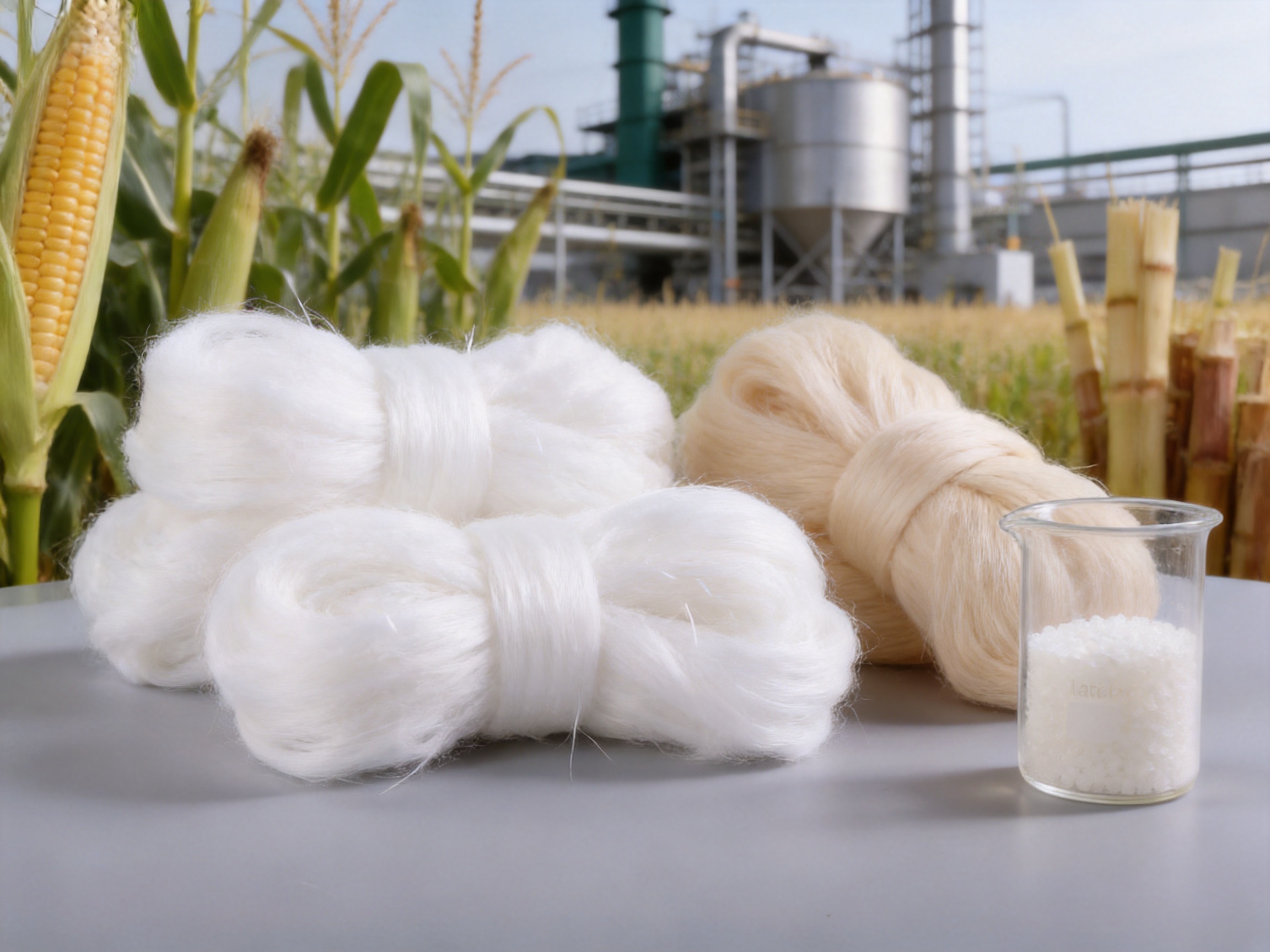
PLA, or polylactic acid, is a bio-based polymer produced from renewable plant resources such as corn starch and sugarcane. Through fermentation and polymerization, these resources are converted into a polymer suitable for fiber production. After extrusion, drawing, crimping, cutting, and finishing, the resulting staple fiber can be processed through established textile manufacturing methods.
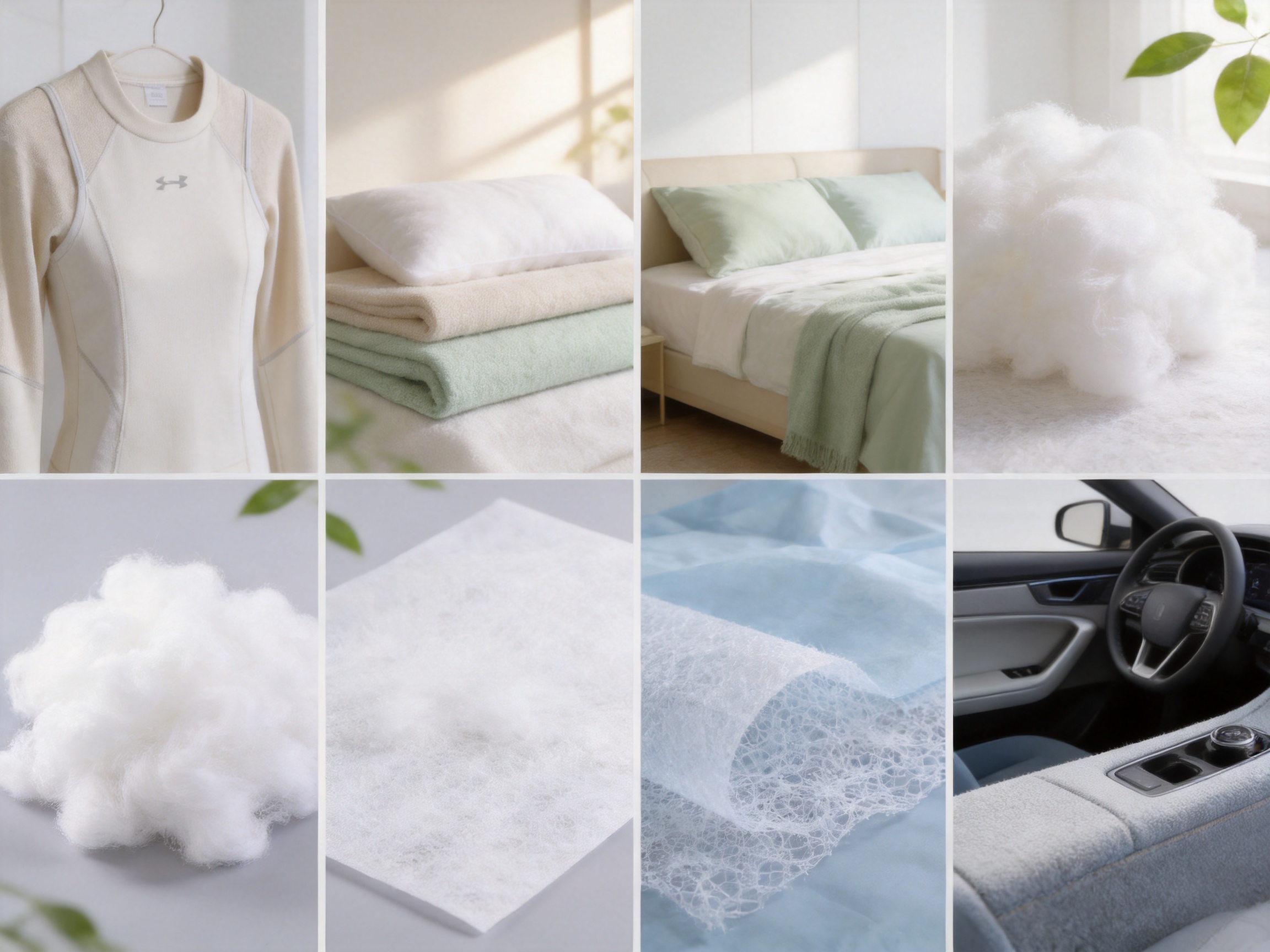
PLA biodegradable staple fiber combines several benefits in a single material. It offers a renewable raw material source, industrial compostability under suitable conditions, natural resistance to bacterial growth, lower dyeing temperatures, and useful ultraviolet stability. These advantages make it suitable for apparel, sportswear, bedding, nonwoven products, hygiene materials, filtration media, agricultural textiles, and other applications where both performance and environmental responsibility are important.
For manufacturers, the value of PLA staple fiber extends beyond its environmental profile. Its stable specifications, available 1.5D × 38 mm and 1.5D × 51 mm formats, compatibility with textile processing, and potential for customized production allow buyers to select a material that matches their spinning, blending, filling, or nonwoven requirements.
PLA Biodegradable Staple Fiber
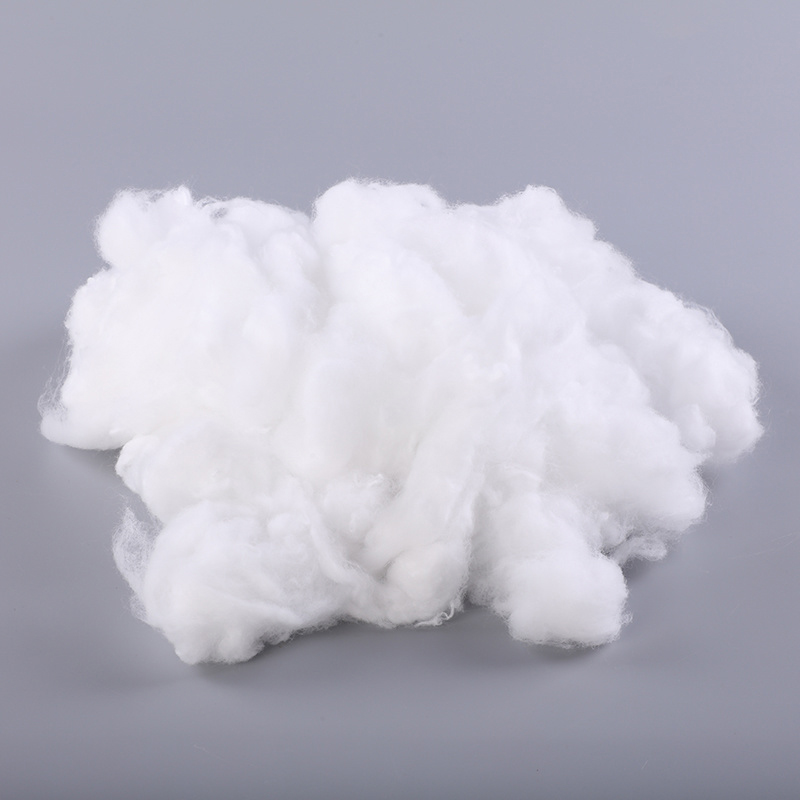
PLA biodegradable staple fiber is a short-length fiber made from polylactic acid. Unlike conventional polyester, which is generally derived from petroleum-based feedstocks, PLA is produced from renewable biological resources. The plant-based feedstock is processed into lactic acid and subsequently transformed into polylactic acid through controlled chemical processes.
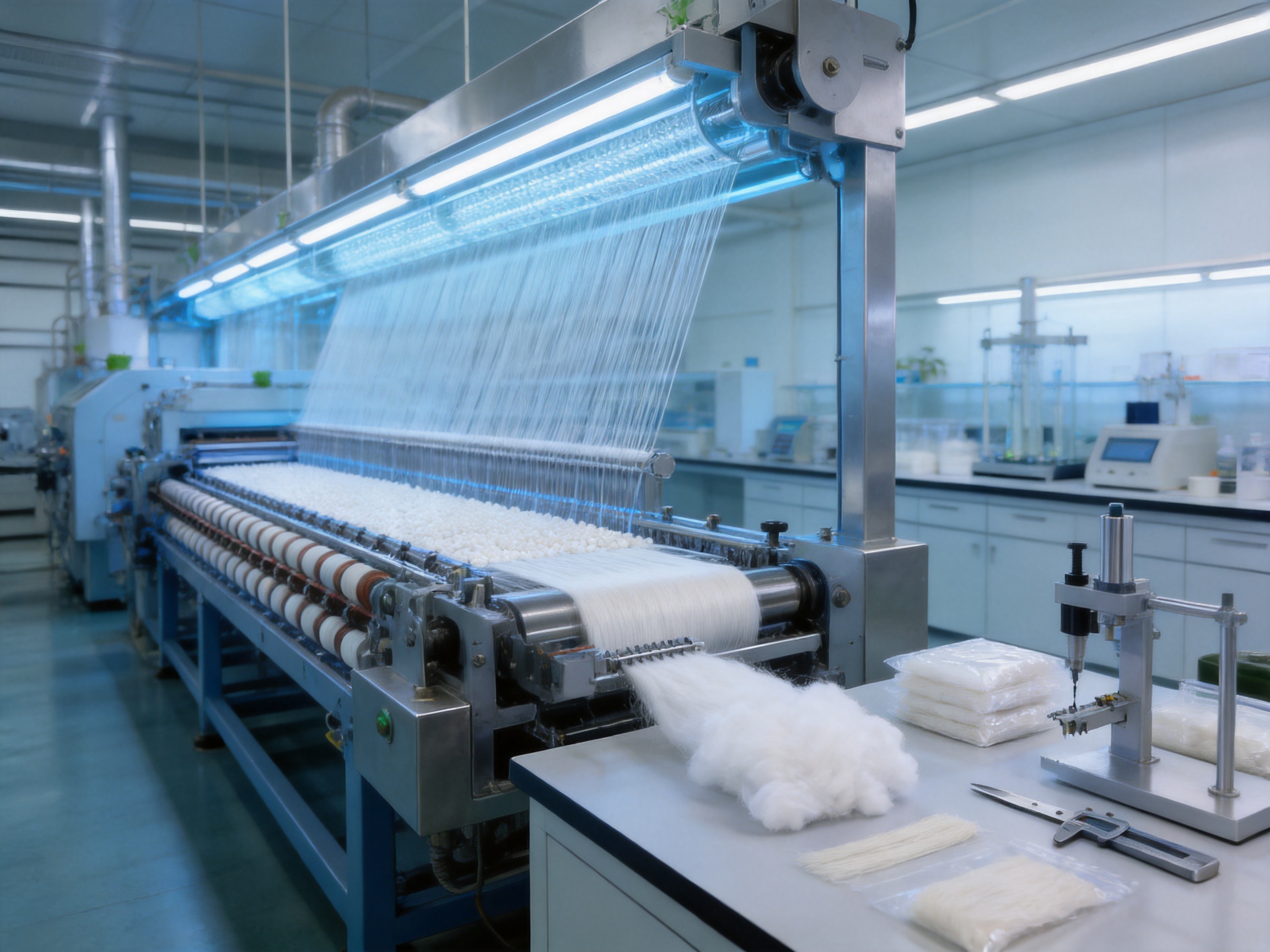
The polymer is then melted and extruded through precision spinnerets to form continuous filaments. These filaments are cooled, drawn to improve molecular orientation, crimped to enhance bulk and cohesion, and cut into predetermined staple lengths. The result is a versatile fiber that can be blended with other fibers or processed independently.
The term “biodegradable” must be understood in relation to the correct disposal environment. PLA staple fiber is designed to be industrially compostable under controlled conditions involving appropriate temperature, humidity, oxygen availability, and microbial activity. In such facilities, the material can break down into water, carbon dioxide, and organic matter within a suitable processing period.
Industrial compostability is different from unrestricted degradation in ordinary soil, landfills, oceans, or household compost containers. Professional buyers should therefore evaluate the intended end-of-life route, applicable certifications, local waste infrastructure, and product composition before making environmental claims. When properly specified and handled, PLA provides a meaningful pathway toward renewable-material sourcing and improved circular-economy strategies.
The primary environmental advantage of PLA is its origin. The polymer is made from renewable plant resources rather than relying exclusively on finite petroleum reserves. This helps textile producers diversify their raw-material portfolio and respond to the growing preference for bio-based products.
Using renewable resources does not automatically eliminate every environmental impact associated with fiber manufacturing. Agricultural inputs, energy use, transportation, processing, and end-of-life treatment must all be considered in a complete life-cycle assessment. Nevertheless, bio-based feedstocks provide a valuable alternative to conventional fossil-based raw materials and can support a broader sustainability strategy.
PLA staple fiber is engineered for industrial composting conditions. In an appropriately managed facility, heat, moisture, and microbial activity accelerate the breakdown of the polymer. This characteristic is particularly valuable for selected nonwoven, disposable, and short-life product applications where recovery or mechanical recycling may be difficult.
Manufacturers should evaluate whether the final product remains compostable after blending PLA with dyes, finishes, binders, coatings, or other fibers. A fiber may be compostable as a raw material while a finished product requires additional testing. Clear material declarations and responsible disposal guidance are important parts of an accurate sustainability program.
The structure of PLA provides an environment that can naturally inhibit bacterial growth. This property can support odor control, hygiene, and user comfort without relying solely on topical antibacterial treatments. As a result, PLA fiber can be considered for intimate apparel, bedding, towels, sportswear, and selected hygiene-related products.
Natural antibacterial performance should not be confused with sterilization or complete elimination of microorganisms. The actual level of inhibition depends on fiber structure, fabric construction, moisture conditions, finishing processes, and testing methods. Buyers should request appropriate laboratory data when antibacterial performance is a critical product requirement.
PLA can be dyed at lower temperatures than many conventional polyester fibers. This can reduce the thermal energy required during dyeing and finishing, shorten processing cycles, and decrease heat-related stress on the fiber. Lower-temperature processing may also help preserve a soft hand feel and reduce production costs.
Dye selection, dye concentration, bath chemistry, pH control, time, and finishing conditions must be optimized for PLA. A lower dyeing temperature does not mean that every conventional polyester dyeing recipe can be transferred without adjustment. Technical trials are recommended before large-scale production.
PLA staple fiber offers good resistance to ultraviolet exposure and can help reduce noticeable yellowing, fading, and strength deterioration in suitable applications. This supports its use in outdoor textiles, sunshades, gardening covers, automotive interior materials, and other products exposed to sunlight.
UV performance depends on exposure intensity, exposure duration, fiber color, additives, fabric construction, and environmental conditions. For demanding outdoor applications, manufacturers should combine material testing with accelerated weathering evaluations and actual-use simulations.
The available 1.5D × 38 mm and 1.5D × 51 mm specifications correspond to common staple-fiber formats. These dimensions can be selected according to the intended spinning system, blending ratio, nonwoven production method, filling structure, or final product requirements.
Staple fibers can be opened, carded, blended, drafted, spun, needled, thermally bonded, or incorporated into filling materials. The appropriate route depends on fiber length, crimp, denier, cut quality, moisture content, finish, and the characteristics of the companion fibers.
| Performance Area | PLA Biodegradable Staple Fiber | Conventional Petroleum-Based Polyester | Practical Buyer Consideration |
|---|---|---|---|
| Feedstock | Renewable plant-based resources | Primarily petroleum-based resources | Suitable for brands seeking bio-based material options |
| End-of-Life Potential | Industrial compostability under suitable controlled conditions | Generally resistant to natural degradation | Requires compatibility with local industrial composting systems |
| Dyeing | Can be processed at lower dyeing temperatures | Usually requires higher-temperature dyeing | May reduce energy consumption after recipe optimization |
| Antibacterial Behavior | Natural bacterial-growth inhibition potential | Often requires additives or special finishes for comparable claims | Useful for hygiene-focused textile applications |
| UV Performance | Good UV stability in suitable constructions | Performance varies by grade and treatment | Appropriate for selected indoor and outdoor applications |
| Processing Form | Available as staple fiber for blending, spinning, filling, and nonwovens | Available in many staple and filament formats | Selection depends on equipment and product design |
Textile buyers rarely select a fiber based on one feature alone. The most effective material must balance cost, quality, manufacturing efficiency, compliance, availability, and end-use performance. PLA biodegradable staple fiber is attractive because it addresses several of these requirements at the same time.
Traditional polyester remains widely used because of its strength, durability, processability, and global supply network. However, it is based primarily on fossil resources and is highly resistant to natural degradation. PLA offers manufacturers a bio-based alternative for product lines where renewable sourcing and compostability are important purchasing criteria.
This difference can be especially valuable for sustainable fashion collections, eco-labeled home textiles, disposable nonwovens, and companies that have established targets for reducing fossil-resource dependence. PLA does not need to replace every synthetic fiber in every application. Instead, it provides an additional material choice for product categories where its performance and end-of-life characteristics are appropriate.
Lower dyeing temperatures can produce benefits throughout a textile plant. Reduced heating demand may lower energy consumption, decrease the thermal load on equipment, and improve process efficiency. Shorter dyeing cycles can also increase machine availability and help manufacturers respond more quickly to production schedules.
Lower-temperature processing may be particularly attractive in regions where energy costs are high or where textile producers are working to reduce their carbon emissions. The actual benefit depends on the complete process recipe, equipment efficiency, dye chemistry, bath ratio, water treatment, and production volume.
When a fiber possesses inherent functional characteristics, manufacturers may be able to reduce their reliance on additional topical treatments. PLA’s natural bacterial-growth inhibition potential can support hygiene-oriented product development without requiring the same level of externally applied antibacterial chemistry.
Reducing additional finishes can simplify processing and may improve the durability of the functional effect. It can also help companies respond to consumer concerns about chemical additives. Nevertheless, final products should be tested because the performance of a fiber is influenced by the entire textile structure rather than by the raw material alone.
Consumers increasingly compare products according to material origin, environmental impact, comfort, durability, and responsible disposal. A textile made with PLA staple fiber can provide a clear sustainability narrative when its claims are supported by accurate documentation and appropriate certification.
For brands, the material can support product differentiation in sustainable apparel, sportswear, bedding, hygiene products, and environmentally conscious home furnishings. For manufacturers, it can create access to customers seeking specialized fibers rather than commodity polyester alone.
PLA staple fiber is not limited to one product category. Its structure and available staple formats allow it to serve different industries, including apparel, sportswear, home textiles, nonwovens, filling materials, automotive interiors, agricultural textiles, and selected packaging applications.
This broad potential allows a fiber supplier to support multiple customer segments. It also gives textile manufacturers flexibility when developing new products, blending PLA with compatible fibers, or adapting existing equipment to renewable-material programs.
The performance of a specialty fiber depends not only on its chemical composition but also on the consistency of its manufacturing process. Variations in polymer quality, melt temperature, spinning pressure, drawing ratio, crimp, cutting, moisture, or packaging can affect downstream processing and final-product quality.
Advanced specialty-fiber manufacturing therefore requires coordinated control from raw-material preparation through final inspection. A professional producer should manage the polymer, production equipment, process parameters, quality testing, packaging, and technical communication as one integrated system.
Production begins with controlled preparation of PLA polymer materials. Feedstock quality, polymer consistency, moisture control, and storage conditions must be managed carefully. PLA is sensitive to hydrolysis when excessive moisture is present during melt processing. Proper drying and handling help protect molecular weight and reduce the risk of processing defects.
Raw-material inspection can include checks for moisture, appearance, contamination, melt behavior, and batch consistency. Stable incoming materials create a stronger foundation for uniform spinning and predictable staple-fiber performance.
During extrusion, the polymer is heated until it reaches a suitable melt state and is conveyed through the spinning system. Temperature control is essential. Excessive heat may contribute to polymer degradation, while insufficient heat can create unstable flow, pressure fluctuations, or uneven filament formation.
Modern extrusion lines use controlled heating zones, pressure monitoring, metering systems, and filtration components. These systems help maintain a uniform polymer flow and reduce the presence of gels, impurities, and unmelted particles. Consistent extrusion supports stable denier, improved appearance, and better downstream processing.
The spinneret determines the shape and distribution of the extruded filaments. Precision spinneret design and careful maintenance are important for achieving uniform filament dimensions. A blocked, damaged, or contaminated spinneret can cause denier variation, broken filaments, or uneven fiber surfaces.
Cooling conditions must also be controlled after extrusion. Air temperature, air velocity, quenching uniformity, and the distance between the spinneret and cooling zone all influence filament solidification. Stable cooling helps maintain consistent physical properties along the production line.
Freshly formed filaments generally require drawing to improve molecular orientation and develop useful strength. The drawing ratio, roller speed, temperature, and tension must be selected according to the polymer grade and target specification.
Controlled drawing improves the balance between strength, elongation, softness, and dimensional stability. Excessive drawing may make the fiber too stiff or brittle, while insufficient drawing may result in weak or unstable material. Process engineers must therefore optimize the drawing stage rather than treating it as a fixed setting.
Crimp gives staple fiber bulk, resilience, cohesion, and improved handling during carding and spinning. It also influences the loft and recovery of fillings and nonwoven structures. The type, frequency, and stability of the crimp must be matched to the intended application.
Consistent crimping helps fibers remain interconnected during processing. It can also improve softness and coverage in finished products. For filling applications, suitable crimp contributes to loft and resilience. For nonwovens, it can improve web formation and bulk.
After crimping, the tow is cut into the required staple length. The available 38 mm and 51 mm lengths provide options for different textile systems. Accurate cutting is important because excessive length variation can lead to poor blending, uneven drafting, inconsistent web formation, and irregular yarn quality.
Cutting equipment must be maintained to prevent damaged ends, fuzz, and inconsistent lengths. Quality control should verify both average staple length and the distribution of individual fiber lengths.
Depending on the intended application, a controlled finish may be applied to improve antistatic behavior, lubrication, carding performance, or fiber-to-fiber cohesion. The finish must be compatible with the product’s environmental objectives and should not undermine the required compostability or downstream processing characteristics.
Packaging protects the fiber from moisture, contamination, compression, and handling damage. Clear labeling should identify the fiber type, denier, staple length, batch information, recommended storage conditions, and any relevant technical instructions.
Professional quality management requires documented testing and traceability. Depending on the customer’s requirements, testing may include linear density, staple length, tensile strength, elongation, crimp, moisture regain, color, oil content, thermal behavior, and appearance.
Batch traceability allows manufacturers to identify the raw materials, equipment settings, production date, inspection results, and packaging information associated with each shipment. This is particularly important for specialty fibers used in regulated, branded, or export-oriented products.
A supplier specializing in functional and eco-friendly textile materials can offer advantages beyond the production of a single fiber. Experience with biodegradable yarn, low-melting yarn, ECDP yarn, anti-static yarn, HDPE yarn, bio-component yarn, and polyester filament yarn creates a broader technical foundation for material selection and product development.
Different fiber families require different approaches to polymer handling, spinning, drawing, heat treatment, finishing, and quality control. Experience across multiple technologies helps engineers understand how a new PLA product should be evaluated in relation to existing textile processes.
This cross-material knowledge is valuable when customers require blends, composite structures, or a combination of functions. For example, PLA may be combined with another fiber to improve strength, resilience, softness, thermal bonding behavior, or cost efficiency. A supplier with a wider technical portfolio can help identify practical combinations.
Specialty-fiber customers often need more than an off-the-shelf specification. They may require a particular staple length, denier, crimp profile, finish, color, packaging format, or processing behavior. A capable manufacturer should be able to review these requirements, conduct trials, adjust process parameters, and confirm the result through testing.
Custom production by order is especially useful for customers developing new products or working with specialized textile equipment. It allows the fiber to be adapted to actual production conditions rather than forcing the buyer to accept a specification that is only approximately suitable.
When research, development, production, and sales are closely connected, technical feedback can move more efficiently between the customer and the factory. Problems encountered during spinning, dyeing, carding, bonding, or finishing can be analyzed and addressed through material or process adjustments.
This integrated approach also supports the development of new functional materials. As sustainability regulations and market expectations evolve, manufacturers need the ability to improve existing grades and explore new bio-based, low-energy, or functional fiber solutions.
International textile customers require reliable communication, consistent documentation, shipment coordination, and responsive technical support. A supplier located near a major seaport can organize export logistics efficiently and support regular deliveries to overseas customers.
Clear communication is particularly important for PLA because buyers may need information about processing temperature, dyeing conditions, compostability limitations, storage, blending, and final-product testing. A technically informed supplier can help prevent misunderstandings and improve project efficiency.
Specialty-fiber sourcing is often a long-term process. A buyer may begin with samples, conduct spinning or nonwoven trials, perform dyeing tests, evaluate finished products, and then proceed to commercial production. A supplier that supports each stage can reduce development risk and improve the probability of successful adoption.
Long-term cooperation may include regular batch reviews, production feedback, customized specifications, new material development, and coordinated quality improvement. This is more valuable than a transactional approach focused only on one shipment.
PLA biodegradable staple fiber can be used in sustainable apparel collections where renewable raw materials and comfort are important selling points. It may be suitable for shirts, underwear, inner layers, loungewear, socks, and selected fashion fabrics, either independently or in blends.
Sportswear designers can consider PLA for lightweight base layers, training garments, activewear linings, and odor-control products. The fiber’s potential antibacterial behavior may support freshness during use, while its lower-temperature dyeing characteristics can assist manufacturers working to reduce energy consumption.
Fiber blending offers additional design flexibility. PLA may be combined with natural fibers, regenerated fibers, or selected synthetic fibers to balance softness, strength, elasticity, moisture management, appearance, and cost. The correct blend depends on the performance priorities of the finished garment.
Before commercial production, brands should evaluate pilling, abrasion, seam performance, colorfastness, dimensional stability, laundering behavior, and consumer comfort. Sustainable sourcing should complement, rather than replace, complete product-performance testing.
Home textile products are another important area for PLA staple fiber. The material can be considered for bedding, pillow and duvet fillings, mattress structures, upholstery fabrics, blankets, towels, curtains, and other products where softness, hygiene, and sustainability are valued.
For filling applications, crimp and fiber length influence loft, resilience, compression recovery, and distribution. A suitable PLA grade can help manufacturers develop lightweight and comfortable fillings while supporting a renewable-material story.
In bedding and household fabrics, natural resistance to bacterial growth may contribute to odor management and a fresher user experience. However, the final performance will also depend on humidity, washing, finishing, fabric density, and care conditions.
Home textile producers should consider the complete life cycle of the product. If a product is intended to be industrially compostable, all major components—including sewing threads, labels, coatings, dyes, elastic components, and closures—must be reviewed for compatibility.
Nonwoven manufacturers can use PLA staple fiber in products made through carding, air-laying, needle punching, thermal bonding, or other web-forming processes. Potential applications include wipes, hygiene-product substrates, filtration materials, agricultural fabrics, disposable protective products, and selected packaging structures.
PLA is especially interesting for short-life products where end-of-use disposal is a major concern. Industrial compostability can provide an alternative pathway when reuse or recycling is impractical. The final product must still be designed carefully to ensure that adhesives, finishes, coatings, and other components do not prevent the desired disposal route.
For thermal-bonded nonwovens, processing temperatures must be carefully selected to achieve adequate bonding without damaging the fiber. For needle-punched products, staple length, crimp, strength, and fiber cohesion affect web stability and finished thickness. For wipes and absorbent products, liquid handling, softness, wet strength, and biodegradation requirements should all be evaluated.
Good UV stability makes PLA staple fiber suitable for selected outdoor and semi-outdoor applications. Possible uses include shading materials, gardening covers, outdoor furnishings, automotive interior components, and fabrics exposed to periodic sunlight.
Outdoor textile designers should consider the full combination of ultraviolet exposure, moisture, heat, abrasion, mechanical stress, and environmental contamination. PLA may be appropriate for applications requiring moderate outdoor stability, but highly demanding technical products should undergo accelerated weathering and field testing.
The fiber can also contribute to sustainable product development in automotive interiors and mobility-related applications. Interior components often require a balance of weight, appearance, comfort, emissions performance, durability, and environmental profile. PLA-based structures may provide an additional option for selected interior fabrics, fillings, and nonwoven components.
PLA staple fiber should be stored in clean, dry, and well-ventilated conditions. Packages should remain sealed until the material is needed. Excessive moisture can affect processing behavior, especially during heat exposure, so proper warehouse management is essential.
Gentle opening helps preserve fiber length and crimp. Excessive mechanical stress can increase fiber breakage and create unwanted short fibers. When PLA is blended with other materials, the blend ratio should be controlled accurately to ensure consistent performance and reliable environmental claims.
Carding settings should be adjusted according to fiber length, crimp, finish, and cohesion. Excessive speed or aggressive settings may cause fiber damage, while insufficient opening may result in poor web uniformity. In spinning applications, drafting conditions, roller settings, twist level, and blend composition should be optimized through trials.
Lower-temperature dyeing is one of PLA’s important process advantages. However, dye selection and recipe design remain critical. Manufacturers should conduct laboratory trials to determine the appropriate temperature, time, pH, dispersing system, and after-treatment. Colorfastness to washing, rubbing, perspiration, and light should be verified according to the end-use requirements.
Finishing treatments can influence softness, moisture management, antistatic behavior, pilling, handle, and dimensional stability. Any finish used on a product marketed as compostable should be assessed for its effect on the overall disposal pathway.
Before placing a commercial order, buyers should establish a clear technical specification. Important parameters may include denier, staple length, tensile strength, elongation, crimp, color, moisture, finish, packaging, and acceptable variation.
For sustainability-focused projects, buyers should also request information about bio-based content, industrial compostability, relevant certifications, manufacturing controls, and recommended disposal conditions. Environmental claims should be specific and accurately worded. For example, “industrially compostable under controlled conditions” is more precise than simply describing a product as universally biodegradable.
Application-specific testing is equally important. Apparel buyers may require tests for softness, pilling, abrasion, laundering, and colorfastness. Nonwoven producers may focus on web strength, absorbency, bonding, filtration, and wet performance. Filling manufacturers may prioritize loft, recovery, compression resistance, and migration behavior.
Not every textile mill uses the same machinery or production settings. A staple fiber that performs well on one carding or spinning line may require adjustment on another. Custom production provides an opportunity to match the fiber more closely to the buyer’s process.
Customization may involve denier, staple length, crimp, finish, color, packaging, blend compatibility, and production quantity. It may also involve developing a special specification for a new application, such as a biodegradable nonwoven, a sustainable filling material, or a low-temperature dyed fabric.
The development process usually begins with a technical consultation. The buyer provides information about equipment, target product, blend ratio, required performance, and expected annual volume. The supplier then recommends a trial specification, prepares samples, reviews test results, and adjusts the material as necessary.
This collaborative process reduces the risk of selecting a fiber based only on a general product description. It also gives both sides a better understanding of how material characteristics influence manufacturing efficiency and final-product quality.
PLA biodegradable staple fiber can support sustainability goals, but responsible use requires a complete and transparent approach. Renewable feedstock is an important advantage, yet manufacturers should also consider energy use, water consumption, agricultural sourcing, transportation, chemical processing, packaging, product lifetime, and end-of-life infrastructure.
Industrial compostability is most meaningful when a suitable collection and treatment system exists. If a product is sent to a landfill or mixed with incompatible materials, its expected end-of-life benefit may not be achieved. Brands should therefore provide clear disposal instructions and avoid vague environmental promises.
Durability also matters. A product that lasts longer may reduce resource consumption through extended use, while a short-life product may benefit more directly from compostable design. The correct material choice depends on the intended function, service life, disposal route, and consumer behavior.
Manufacturers can strengthen their sustainability programs by using accurate documentation, conducting life-cycle assessments, improving energy efficiency, reducing production waste, and selecting compatible packaging. PLA fiber is a valuable tool within this broader strategy rather than a complete solution by itself.
PLA staple fiber enables brands to create products with a stronger connection between performance and environmental responsibility. Renewable material sourcing can support sustainability collections, corporate responsibility programs, and compliance with emerging market expectations.
For textile mills, lower-temperature dyeing may provide operational benefits when the process is correctly optimized. Energy savings, shorter cycles, and reduced thermal stress can contribute to improved manufacturing efficiency. The actual economic result depends on equipment, energy prices, dyeing volume, and product specifications.
For nonwoven producers, PLA can open opportunities in compostable or bio-based product categories. For home textile manufacturers, it can support sustainable fillings and fabrics. For apparel companies, it can provide a material story that differentiates products in a competitive marketplace.
Commercial success still depends on consistent quality, competitive pricing, dependable delivery, regulatory compliance, and technical support. The combination of these factors is what makes a specialty fiber commercially useful.
The selection process should begin with the final product rather than the raw fiber alone. Buyers should define whether the fiber will be spun into yarn, blended into a fabric, used as filling, processed into a nonwoven, or incorporated into a technical structure.
The 1.5D × 38 mm specification may be suitable for applications requiring a shorter staple format, while 1.5D × 51 mm may offer advantages in other spinning, filling, or web-forming systems. The best choice depends on equipment, blend composition, desired softness, fiber cohesion, and finished-product thickness.
Buyers should also identify the required functional priorities. If hygiene is central, antibacterial testing should be emphasized. If the product is intended for outdoor use, UV and weathering tests should be conducted. If dyeing efficiency is important, laboratory dye trials should be completed. If compostability is essential, the full product composition must be reviewed.
A small-scale trial is usually the most efficient way to confirm compatibility. Sample testing can reveal issues with carding, drafting, dye uptake, web formation, bonding, softness, or finished-product appearance before commercial quantities are ordered.
PLA staple fiber is made from polylactic acid, a bio-based polymer produced from renewable plant resources such as corn starch and sugarcane. These resources are converted into lactic acid and then polymerized into a fiber-forming material.
No. PLA is designed to break down efficiently under suitable industrial composting conditions. The temperature, moisture, oxygen, and microbial environment must be controlled. It should not be described as guaranteed to disappear rapidly in ordinary soil, oceans, landfills, or household compost.
Yes. PLA staple fiber can be dyed, and it may achieve suitable color uptake at lower temperatures than conventional polyester. Dye selection and process conditions must be optimized through laboratory and production trials.
PLA has natural bacterial-growth inhibition potential associated with its material structure. The actual performance depends on fabric construction, moisture, finishing, and testing conditions. Finished products should be tested if antibacterial claims are required.
PLA can be considered for selected sportswear and activewear products, including base layers, underwear, linings, and sustainable apparel. Designers should test moisture management, stretch, abrasion, laundering, colorfastness, and odor-control performance according to the product requirements.
The listed standard specifications include 1.5D × 38 mm and 1.5D × 51 mm. Other specifications may be available through special production by order, subject to technical evaluation and production requirements.
Yes. PLA can be blended with compatible natural, regenerated, or synthetic fibers to balance strength, softness, cost, appearance, resilience, and processability. The appropriate blend ratio should be confirmed through trials.
Yes. It may be used in carded, air-laid, needle-punched, or thermally bonded nonwovens. Potential applications include wipes, hygiene substrates, filtration materials, agricultural textiles, and selected disposable products.
Buyers should evaluate denier, staple length, tensile properties, elongation, crimp, moisture, appearance, dyeing behavior, processing stability, and finished-product performance. For sustainability projects, bio-based content, industrial compostability, and the compatibility of all product components should also be reviewed.
Special production by order may be available. Customization can involve staple length, denier, crimp, finish, color, packaging, and other technical parameters. Customers should provide detailed information about the intended application and processing equipment.
PLA fiber should be kept sealed in a clean, dry, and well-ventilated warehouse. It should be protected from excessive moisture, contamination, direct sunlight, and unnecessary heat exposure.
Not automatically. Lower dyeing temperatures can reduce energy demand, but the total environmental effect depends on the complete production process, including water use, dye chemistry, equipment efficiency, electricity sources, and wastewater treatment.
When sourcing PLA biodegradable staple fiber, buyers should look beyond a basic product catalog. A reliable manufacturing partner should demonstrate production experience, process control, technical documentation, quality consistency, customization capability, and responsive communication.
A supplier with a broader portfolio of functional and eco-friendly textile materials can provide valuable guidance when customers are comparing PLA with low-melting fibers, bio-component materials, polyester filament yarn, anti-static fibers, or other specialty products. This wider perspective helps buyers select the most appropriate material for each product rather than applying one solution universally.
Manufacturing location and logistics also matter. Efficient access to export transportation can support reliable delivery, while an organized customer-service team can assist with samples, technical questions, order planning, and documentation.
NanTong Global Chemical Fiber Co., Ltd., operating under the GC FIBER name, has specialized in special and functional textile products since 2006. Its product scope includes biodegradable yarn, low-melting yarn, ECDP yarn, anti-static yarn, HDPE yarn, bio-component yarn, polyester filament yarn, and related materials. This range reflects experience in developing and supplying textile solutions for customers with different performance and sustainability requirements.
The company’s manufacturing and development approach focuses on researching, producing, and selling specialty textile materials while cooperating with customers on new-material development. For PLA staple fiber buyers, this means that product selection can be supported by technical discussion, sample evaluation, production trials, and customized order requirements.
PLA biodegradable staple fiber offers a practical route toward more sustainable textile production. Made from renewable plant-based resources, it can provide industrial compostability under controlled conditions, natural bacterial-growth inhibition, lower-temperature dyeing, useful UV stability, and compatibility with a wide range of staple-fiber applications.
Compared with conventional petroleum-based polyester, PLA provides a different balance of environmental and functional advantages. It can help reduce dependence on fossil resources, support lower-energy dyeing strategies, and create new opportunities in sustainable apparel, home textiles, nonwovens, fillings, and technical products.
The success of PLA adoption depends on more than the fiber itself. Correct polymer handling, drying, extrusion, drawing, crimping, cutting, finishing, packaging, testing, and traceability are essential for reliable quality. Equally important are application trials, accurate compostability claims, compatible product design, and a realistic understanding of end-of-life infrastructure.
With standard options such as 1.5D × 38 mm and 1.5D × 51 mm, along with the possibility of special production by order, PLA staple fiber can be adapted to different manufacturing systems. A supplier with experience in functional and eco-friendly textile materials can help customers move from initial concept to stable commercial production.
As the textile industry continues to pursue renewable materials, lower energy consumption, functional performance, and circular-economy solutions, PLA biodegradable staple fiber is positioned as a valuable material for responsible product development. Its greatest potential is achieved when bio-based sourcing, controlled manufacturing, verified performance, and responsible disposal are treated as parts of one complete system.
1. European Committee for Standardization. Industrial Compostability and Biodegradation Testing Principles for Plastics and Textile Materials.
2. International Organization for Standardization. Textiles—Fiber Analysis, Testing, and Performance Evaluation Methods.
3. International Organization for Standardization. Plastics—Determination of the Ultimate Aerobic Biodegradability Under Controlled Composting Conditions.
4. Textile Exchange. Preferred Fiber and Materials Market Reports and Guidance on Bio-Based Textile Materials.
5. United Nations Environment Programme. Sustainability and Circularity Considerations for the Textile Value Chain.
6. European Bioplastics. Technical Information on Bio-Based and Compostable Polymers.
7. General technical literature on polylactic acid polymer production, melt spinning, staple-fiber processing, dyeing, and industrial composting.
It is made with Bio-base PLA, fully biodegradable Feature: 1. Industrial compost product 2. Made with PLA 3. Eco-frie...
READ MOREPlease fill out the form below and our team will contact you as soon as possible.
Addres: No.66 Qiaogang Road, Haian, Nantong City, Jiangsu Province, China
E-mail: service@gcfiber.com admin@gcfiber.com
Copyright ? GC FIBER All Rights Reserved. Eco-Friendly Textile Products Manufacturer Biodegradable Yarn Company