English
 中文简体
中文简体
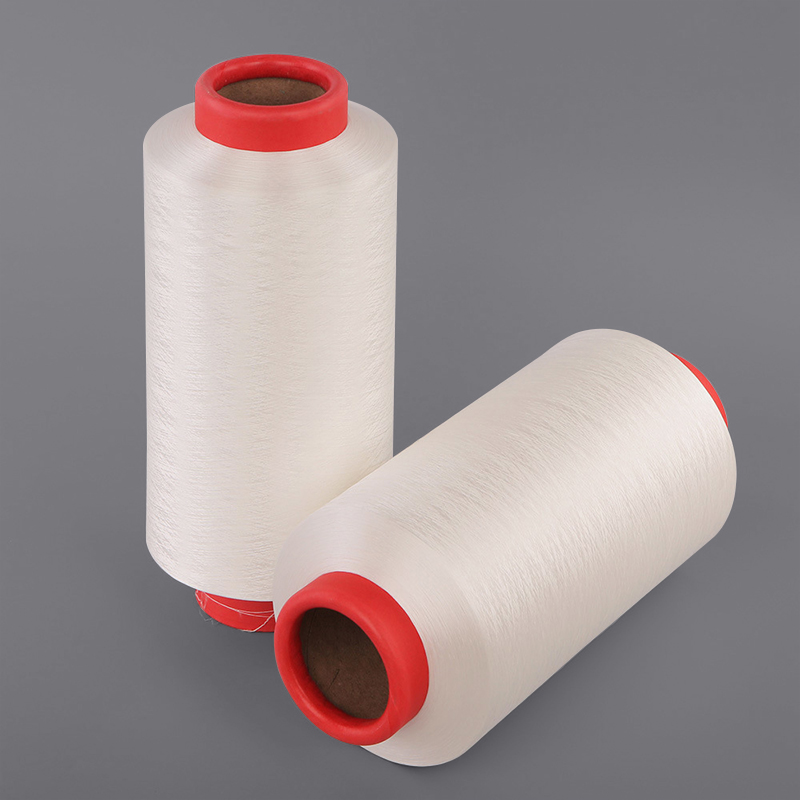
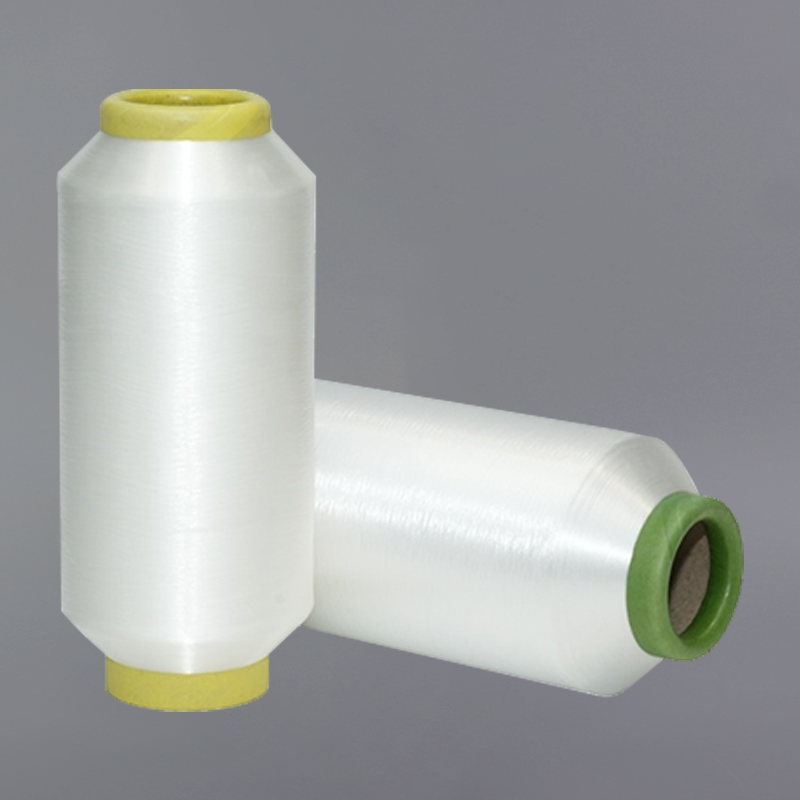
It is made with Bio-base PLA, fully biodegradable Feature: 1. Industrial compost product 2. Made with PLA 3. Eco-frie...
READ MORE
Content
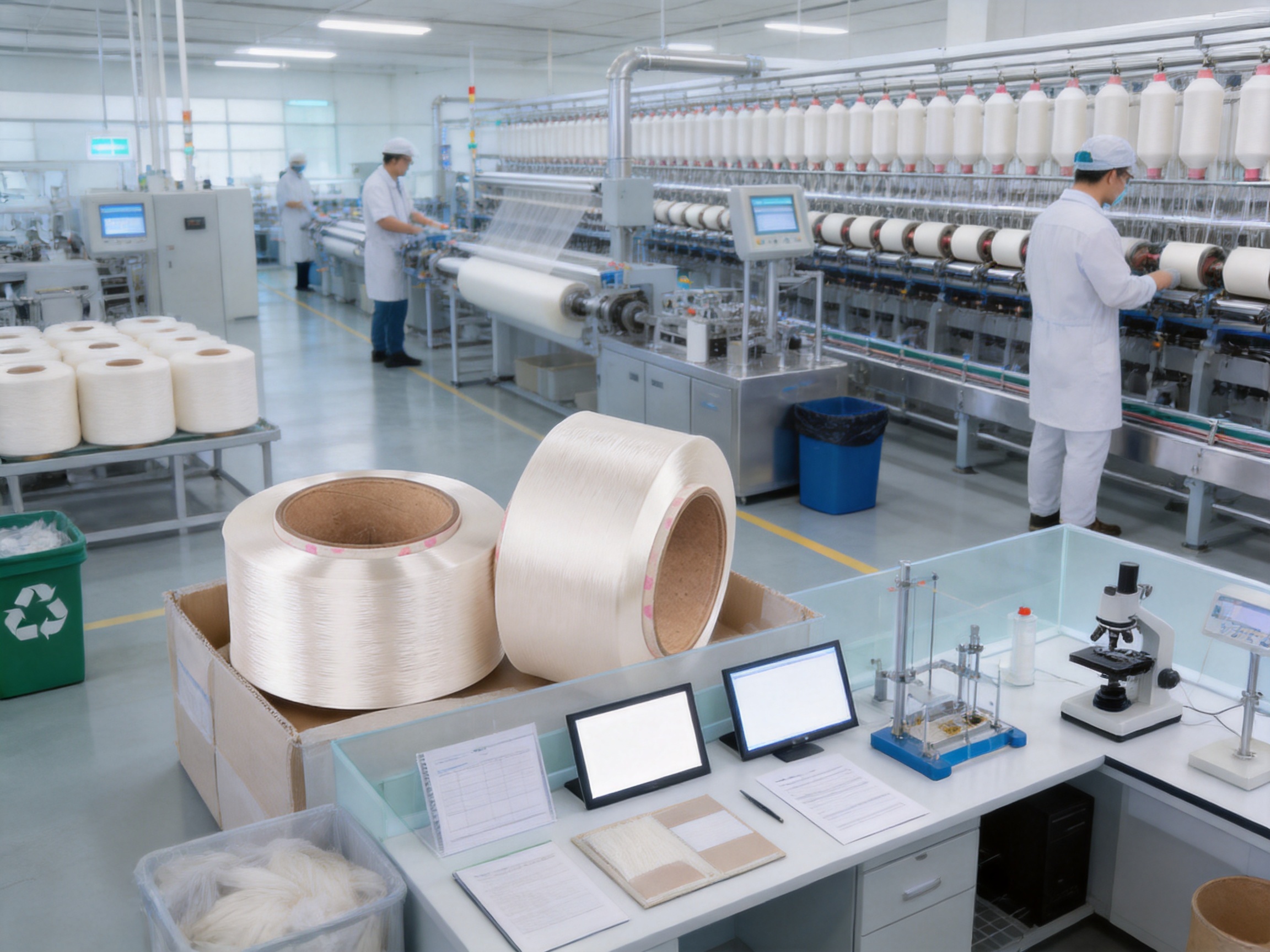
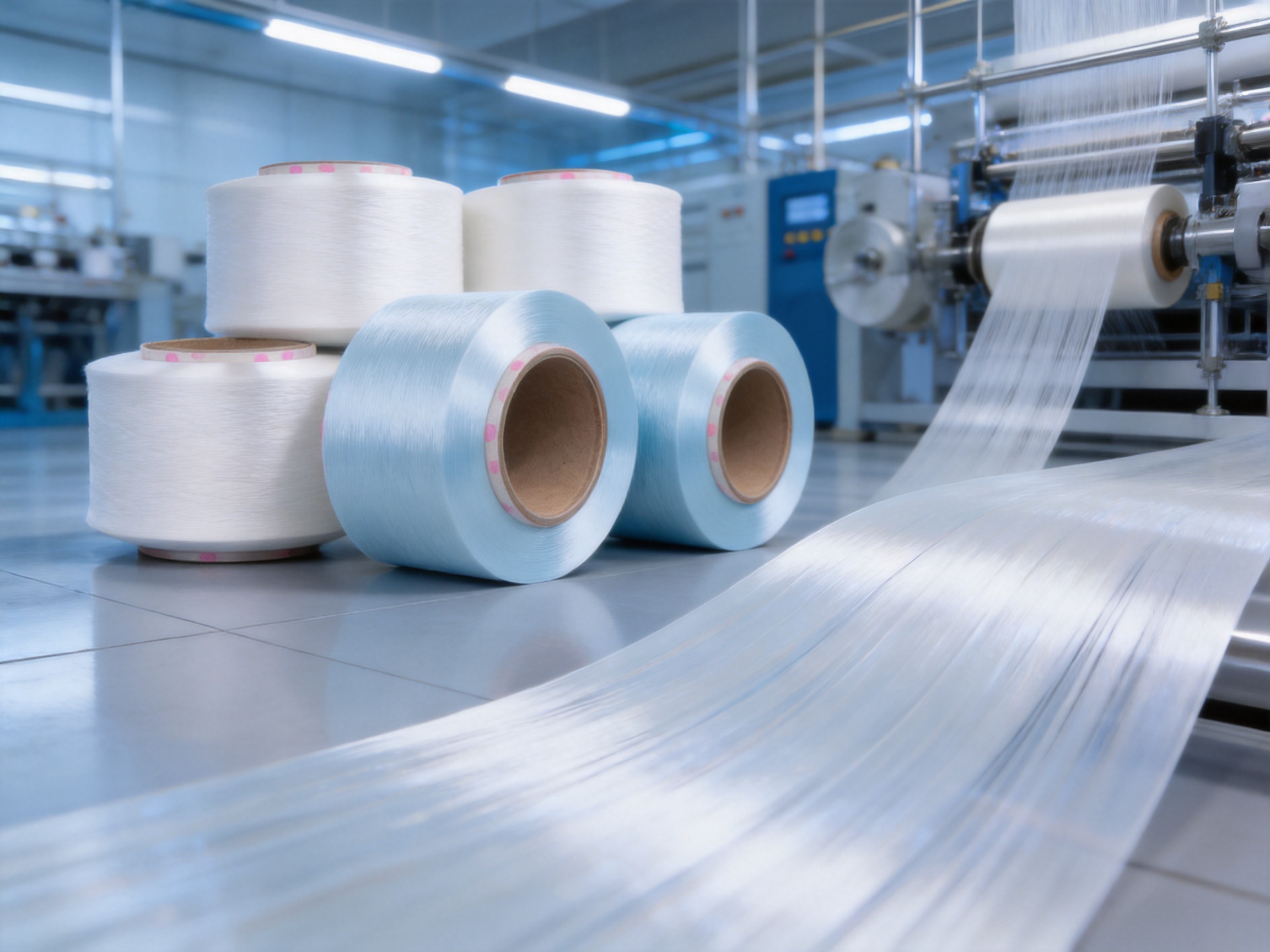
PE flat FDY yarn is a functional textile material designed for manufacturers seeking a combination of cooling touch, high tenacity, reliable elongation, and broad application flexibility. Produced from high-density polyethylene and processed as fully drawn yarn, it offers a distinctive alternative to conventional polyester, nylon, and standard polyethylene yarns in applications where surface comfort, durability, and dimensional stability are important.
The demand for functional yarns has grown rapidly as textile producers respond to changing consumer expectations. Buyers increasingly want fabrics that do more than provide color and coverage. They expect clothing, bedding, sports products, home furnishings, and industrial textiles to deliver comfort, strength, long service life, and increasingly responsible resource use. PE flat FDY yarn addresses these requirements through a carefully designed fiber structure and a practical range of available deniers.
Unlike ordinary yarns that may focus on only one primary property, PE flat FDY yarn combines several useful performance characteristics. Its cooling touch provides an immediate tactile difference. Its high tenacity helps the yarn withstand tension and handling. Its good elongation supports flexibility and recovery in finished products. Its available specifications, from 50D to 400D, allow textile manufacturers to select a suitable balance between lightness, softness, coverage, and strength.
This article examines the product in detail, including its construction, performance advantages, processing considerations, available counts, application fields, quality factors, environmental positioning, and the manufacturing strengths of GC FIBER, a Chinese special textile factory established in 2006.
PE flat FDY yarn is a high-density polyethylene-based filament yarn with a flat cross-sectional or surface profile and a fully drawn structure. The term “PE” refers to polyethylene, while “FDY” means fully drawn yarn. During the manufacturing process, the filaments are drawn to improve molecular orientation and develop useful mechanical properties before being supplied for downstream textile processing.
The flat structure is especially important to the tactile behavior of the yarn. Compared with a more rounded filament, a flat filament can create a broader contact area when incorporated into a fabric. This structure contributes to the product’s cooling touch and can influence the way the finished textile reflects light, handles moisture, and feels against the skin.
FDY processing also distinguishes the material from partially oriented yarn. A fully drawn yarn is supplied in a condition suitable for many weaving and knitting operations without requiring the same degree of additional drawing during downstream use. The drawing process helps develop strength, improve dimensional consistency, and create a stable filament that can be used in a variety of textile constructions.
The product is available in several denier specifications: 50D, 75D, 100D, 200D, 300D, and 400D. Denier selection affects fabric weight, yarn coverage, visual appearance, hand feel, and mechanical performance. Lighter counts are suitable for fine and breathable structures, while heavier counts can support more robust fabrics and products requiring greater coverage or durability.
The most recognizable feature of PE flat FDY yarn is its cooling touch. When a textile made with this yarn comes into contact with the skin, it can provide an immediate cool sensation. This effect is associated with the flat fiber structure and the way the material transfers and disperses heat at the contact surface.
Cooling touch is especially valuable in warm-weather clothing, bedding, mattress fabrics, summer accessories, and home textiles. Consumers often judge a textile within the first few seconds of contact. A fabric that feels cool and comfortable can create a strong product impression before the user evaluates other features such as color, drape, or durability.
For apparel manufacturers, the cooling property can support the development of summer garments, lightweight sportswear, sleepwear, inner layers, and fashion fabrics. For home textile producers, it can be used in sheets, pillowcases, duvet covers, blankets, and decorative materials intended for warmer climates. The material can also be considered for automotive interiors and other products in which surface comfort is important.
Cooling touch does not simply represent a marketing phrase. It is a functional characteristic that can influence the perceived comfort of a finished article. The actual result will depend on fabric structure, blend ratio, finishing treatment, garment design, environmental conditions, and contact pressure. Nevertheless, the yarn provides a useful foundation for manufacturers developing textiles with a cooler hand feel.
PE flat FDY yarn is designed to offer good tenacity. Tenacity describes the tensile strength of a yarn relative to its linear density. A yarn with good tenacity is better able to tolerate pulling, twisting, tension during weaving or knitting, and repeated handling during product use.
High or good tenacity is particularly beneficial when a fabric must maintain integrity under stress. Examples include outdoor products, sports textiles, workwear components, luggage fabrics, protective covers, industrial textiles, and automotive interior materials. In these applications, weak filaments may break during processing or contribute to premature fabric damage.
The strength of the yarn also benefits manufacturers during production. A stable filament can reduce problems associated with yarn breakage, machine stoppage, uneven fabric formation, and inconsistent production efficiency. While every production line requires appropriate machine settings, yarns with reliable mechanical performance can make downstream processing more predictable.
Compared with some soft but less robust specialty yarns, PE flat FDY yarn offers a useful balance between tactile performance and mechanical reliability. It is not limited to delicate applications. Depending on the selected denier and fabric construction, it can support products that require both a comfortable surface and dependable physical strength.
Another important feature is good elongation. Elongation refers to the amount a yarn can stretch before breaking. Appropriate elongation allows a textile to accommodate movement, tension, and shaping without immediately losing structural integrity.
In apparel, good elongation can contribute to comfort during body movement and help fabrics conform to a garment pattern. In bedding, it can help the textile tolerate repeated stretching and repositioning. In home decoration, automotive interiors, and other formed products, controlled elongation can assist with fitting and installation.
Elongation also influences the appearance of finished products. A yarn that can stretch appropriately and recover its form helps reduce the risk of permanent distortion during ordinary use. The final dimensional stability of a fabric depends on many factors, including weave or knit design, heat setting, finishing, washing conditions, and the combination of yarns used. Even so, the yarn’s balanced elongation provides a valuable starting point for stable textile development.
The range of available deniers makes PE flat FDY yarn adaptable to different product strategies. A 50D yarn can be selected for lightweight fabrics where airiness, fine texture, and a soft appearance are priorities. A 75D or 100D option can provide additional coverage while remaining suitable for relatively light textile structures.
The 200D, 300D, and 400D options are appropriate when manufacturers require a stronger visual body, greater coverage, or a more substantial construction. These counts may be useful in bags, outdoor articles, decorative fabrics, upholstery-related materials, automotive applications, and other products that need a heavier yarn presence.
Providing several counts also allows one material family to serve multiple product lines. A textile group can use lighter specifications for seasonal apparel and heavier specifications for accessories or industrial products while maintaining a consistent functional concept. This can simplify material evaluation, purchasing, and product development.
| Available specification | General characteristics | Potential application direction |
|---|---|---|
| 50D | Lightweight, fine, and suitable for delicate fabric constructions | Light apparel, breathable fabrics, linings, and fine home textiles |
| 75D | Light to medium weight with increased coverage | Fashion fabrics, sportswear, bedding, and accessories |
| 100D | Balanced fineness, coverage, and processing versatility | Apparel, home textiles, decorative fabrics, and blended materials |
| 200D | More substantial yarn body and increased fabric coverage | Outdoor products, bags, furniture-related fabrics, and durable textiles |
| 300D | Heavy construction potential with strong visual presence | Industrial textiles, automotive interiors, covers, and accessories |
| 400D | Strong and durable option for robust constructions | Heavy fabrics, bags, protective products, and high-strength applications |
The structure of a filament yarn affects more than its appearance. It influences how the yarn touches the skin, how it occupies space in a fabric, how it interacts with light, and how it behaves during processing. The flat form of PE flat FDY yarn creates a distinctive surface profile that helps separate it from standard round-filament products.
A flat filament may create a broader interface with neighboring filaments and with the skin. This can support the cooling-touch sensation for which the product is recognized. It may also contribute to a smoother visual effect when the yarn is woven or knitted into an appropriate fabric structure.
Because the yarn is fully drawn, the filament has undergone controlled stretching to improve orientation. Molecular orientation is important for the development of tensile properties and consistency. A well-controlled drawing process helps produce a yarn that is more suitable for stable downstream operation than an incompletely oriented material.
The final performance of a flat FDY yarn depends on the relationship between polymer selection, spinning conditions, drawing conditions, winding, packaging, and storage. Each stage must be managed carefully. Excessive variation can affect denier uniformity, tensile properties, elongation, appearance, and the behavior of the yarn on customer equipment.
For this reason, buyers should assess the yarn as a complete manufacturing product rather than judging it only by its raw material name. The polymer type, filament geometry, drawing level, count, package quality, and technical consistency all have a direct effect on textile performance.
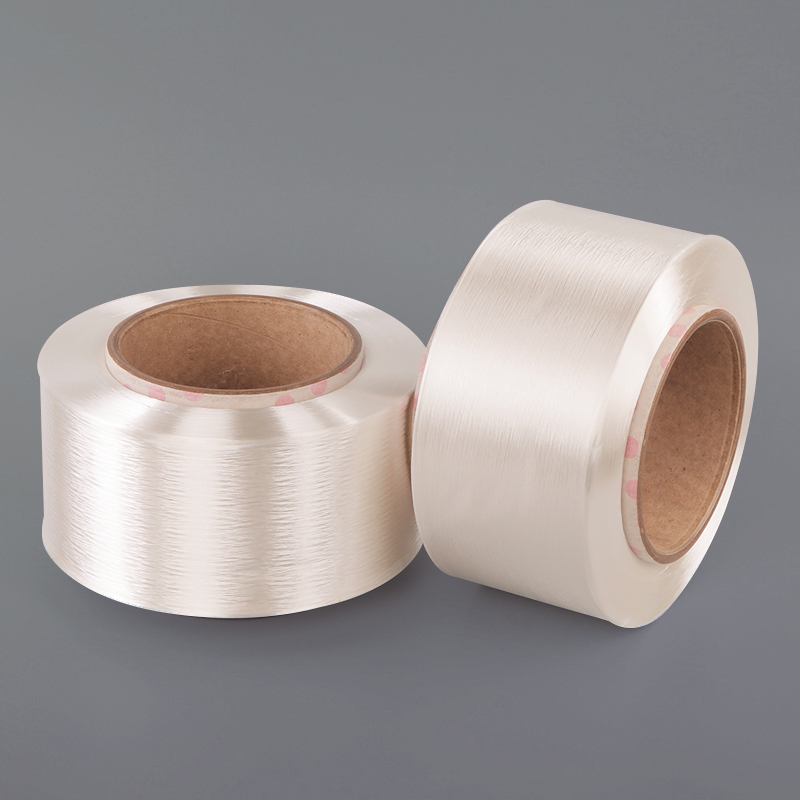
PE Flat FDY Yarn
Polyester filament yarn is widely used because of its versatility, strength, availability, and established processing technology. However, standard polyester does not automatically provide the same distinctive cooling touch associated with PE flat FDY yarn. When a product designer wants an instant cool hand feel, the flat polyethylene structure can offer a more targeted functional solution.
PE flat FDY yarn can therefore complement or compete with polyester in products where tactile comfort is a major selling point. It may be used alone or evaluated in a blend, depending on the required appearance, dyeing behavior, mechanical performance, and finishing route. Product developers should conduct application-specific trials because different fibers have different chemical and thermal characteristics.
The choice between the two materials should be based on the intended product rather than a general assumption that one yarn is universally superior. Polyester may remain suitable for products that prioritize conventional dyeing systems or high-temperature processing, while PE flat FDY yarn may be particularly attractive when cooling touch, low density, and a distinctive functional identity are central requirements.
Polyethylene is not a single performance category. Fiber geometry has a major influence on the resulting textile. A conventional round polyethylene filament may offer the benefits of the polymer but may not create the same surface contact and tactile effect as a flat filament.
The flat profile of PE flat FDY yarn gives manufacturers an additional design tool. It can be selected when the product requires a more noticeable cool touch or a particular surface character. This structural distinction allows the yarn to serve functional applications beyond those normally associated with basic polyethylene fibers.
General-purpose yarns may be inexpensive and easy to source, but they may not provide a clear functional advantage in the finished product. A specialized yarn can help manufacturers develop a stronger value proposition. Cooling comfort, good strength, and suitable elongation can be communicated as part of a finished textile’s performance story.
Functional differentiation is increasingly important in competitive markets. Apparel brands, home textile companies, and industrial textile producers need materials that help their products stand apart. PE flat FDY yarn offers a combination of visible and tactile benefits that can support product differentiation without requiring an entirely complex fiber system.
The manufacturing process begins with the preparation of polyethylene raw material suitable for filament production. Raw material quality has a direct influence on spinning stability, filament formation, strength, elongation, and appearance. Careful preparation helps reduce contamination and supports a stable melt-processing environment.
Material handling must be consistent from batch to batch. Variations in raw material condition can affect melt behavior and ultimately create differences in denier or mechanical properties. A professional factory therefore needs appropriate procedures for material receipt, storage, identification, and feeding.
In melt spinning, the polymer is heated until it reaches a suitable molten state and is then extruded through a spinneret. The spinneret determines the basic filament geometry. For PE flat FDY yarn, the spinneret and spinning conditions must support the formation of a consistent flat filament rather than an irregular or unstable profile.
Temperature control is important throughout the extrusion process. If the temperature is not properly controlled, the polymer may experience unstable flow, degradation, or variation in filament formation. Pressure, throughput, cooling conditions, and spinning speed also influence the quality of the emerging filaments.
The cooling stage helps solidify the filaments after extrusion. Uniform cooling supports consistent structure and reduces the risk of uneven properties across the yarn package. The relationship between cooling conditions and flat cross-sectional shape requires careful process control, especially when the product is intended for a specific tactile performance.
After spinning, the filaments undergo drawing. Drawing stretches the polymer chains and increases orientation, helping develop strength and establish the fully drawn condition. The draw ratio, temperature, roller speed, and tension must be coordinated to achieve the desired balance between tenacity and elongation.
Over-drawing can reduce elongation or increase the risk of filament damage, while insufficient drawing may result in inadequate strength and poor dimensional stability. A skilled production team must therefore manage the drawing process within an appropriate operating range.
The target is not simply maximum strength. Textile yarn performance requires balance. A yarn with high strength but insufficient flexibility may be difficult to process or uncomfortable in certain fabrics. PE flat FDY yarn is developed to provide good tenacity together with good elongation, creating a more useful combination for practical textile applications.
Following drawing, the yarn is wound onto packages for transport and downstream use. Package formation influences unwinding behavior, tension consistency, and the efficiency of weaving or knitting operations. Uneven winding can cause excessive tension variation, snarling, or interruptions during customer processing.
Professional winding procedures help create packages with appropriate firmness, edge quality, and yarn distribution. Packaging must also protect the yarn from contamination, moisture-related issues, compression damage, and unnecessary handling during storage and shipment.
Quality inspection is an essential part of functional yarn production. The product must be assessed not only for appearance but also for measurable physical properties. Relevant evaluation may include denier, tenacity, elongation, filament uniformity, package appearance, and unwinding behavior.
Testing procedures should be applied consistently so that customers receive material with predictable performance. When a product is used in high-speed textile machinery, even relatively small variations can affect efficiency. Stable testing and documentation therefore support both quality assurance and customer confidence.
GC FIBER describes its products as carefully designed and rigorously tested. Its experience in special and functional textile products supports a production approach centered on research, development, manufacturing, and customer-oriented material solutions. For custom orders, technical discussions can help determine suitable specifications and application requirements before production begins.
GC FIBER operates as NanTong Global Chemical Fiber Co., Ltd., a special textile factory in China established in 2006. The company researches, develops, produces, and sells special and functional eco-friendly textile products. Its product range includes biodegradable yarn, low melting yarn, ECDP yarn, anti-static yarn, HDPE yarn, bio-component yarn, and polyester filament yarn.
This product breadth is an important strength. A factory working with several categories of functional yarn can develop broader knowledge of polymer behavior, spinning technology, finishing requirements, and customer application challenges. This experience can be valuable when a buyer is comparing materials or developing a new textile product.
The company’s focus on research and development also supports the creation of new materials. GC FIBER cooperates with customers to develop products according to specific requirements. Such cooperation may involve selecting a denier, adjusting the intended application, evaluating fabric construction, or discussing performance priorities.
For PE flat FDY yarn buyers, a manufacturing partner with experience in both HDPE yarn and other functional fibers can provide more than a standard catalog item. The supplier can participate in material selection and application evaluation, helping the customer identify the most suitable count and processing approach.
The company’s location in Haian, Nantong City, Jiangsu Province, places production within one of China’s important textile manufacturing regions. Access to textile supply chains and a seaport supports communication with domestic and international customers. Shanghai seaport is listed as the shipping point for the product, providing a practical export channel for commercial orders.
Another strength is the ability to arrange special production by order. Custom production is important when a customer needs a specification that does not fit a standard purchasing program. Although custom development requires technical confirmation and production planning, it can help textile companies build products with more precise performance targets.
Environmental responsibility is increasingly connected with fiber selection. Manufacturers are expected to consider energy consumption, resource use, production waste, product life, and end-of-life options. GC FIBER states that it has adhered to environmental protection and innovation since its establishment and has continued to promote development in the textile industry.
PE flat FDY yarn is positioned within a broader portfolio of special and environmentally oriented textile products. The production approach emphasizes energy conservation and emission reduction, while the material is described as easy to recycle and reuse. These characteristics can support customers who are developing textile products with sustainability objectives.
It is important to evaluate environmental claims across the entire product life cycle. A responsible assessment should consider raw material sourcing, manufacturing energy, transportation, processing conditions, durability, recycling infrastructure, and the final use of the product. A durable yarn can contribute to longer product service life, while the possibility of recycling may help reduce resource waste when appropriate systems are available.
Manufacturers should also examine how PE flat FDY yarn will be combined with other fibers and finishes. Blended fabrics can improve performance, but mixed-material constructions may be more difficult to recycle than single-polymer products. Product designers should therefore consider both performance and end-of-life strategy during the early development stage.
The environmental value of a textile is not determined by a single label. It depends on responsible production, efficient use of material, product durability, appropriate consumer care, and realistic recycling or reuse pathways. PE flat FDY yarn can be part of that discussion, particularly for companies seeking functional materials from a supplier that places environmental protection and innovation among its stated priorities.
PE flat FDY yarn is suitable for apparel applications where a cool hand feel and comfortable surface are valued. Potential products include summer shirts, lightweight dresses, sportswear, leisurewear, sleepwear, linings, and fashion fabrics.
Designers can choose lighter deniers for fabrics that require a fine appearance and breathable construction. Medium counts can provide more body and coverage for everyday garments. The yarn may also be combined with other fibers to balance tactile properties, color effects, drape, stretch, or processing requirements.
Because the yarn has good tenacity and elongation, it can support garments that must withstand repeated wear and movement. However, garment developers should conduct trials for dyeing, printing, finishing, washing, and seam performance. Polyethylene has processing characteristics that differ from polyester and nylon, so the most appropriate manufacturing route should be established before bulk production.
Sportswear users often value materials that feel comfortable during physical activity and warm conditions. The cooling touch of PE flat FDY yarn can contribute to the first-contact comfort of sports garments and accessories. Its good strength and elongation are also relevant where the textile must tolerate movement and repeated handling.
Potential uses include training garments, outdoor clothing panels, sports accessories, lightweight bags, protective covers, and recreational products. The final performance will depend on the complete fabric system, including construction, ventilation, moisture management, coatings, and garment design.
For outdoor products, denier selection is especially important. A lightweight product may benefit from 50D or 75D yarn, while a more robust bag or cover may require 200D to 400D. Manufacturers can select among the available specifications according to the expected load, abrasion, visual weight, and portability of the finished item.
Bedding is one of the most promising application areas for a cooling-touch yarn. Sheets, pillowcases, duvet covers, mattress fabrics, and other sleeping products come into prolonged contact with the human body. A cool and smooth hand feel can improve perceived comfort, especially during warm seasons.
PE flat FDY yarn can also be considered for decorative home textiles. Curtains, cushion covers, wall fabrics, and other interior products may benefit from a distinctive surface effect and durable filament structure. The appropriate denier can be selected to achieve the desired balance of drape, coverage, and strength.
Home textile producers should assess laundering conditions, dimensional stability, color requirements, seam behavior, and compatibility with other yarns. A product intended for frequent washing requires testing under realistic care conditions rather than relying only on initial fabric performance.
Automotive interiors require materials that combine appearance, tactile comfort, and resistance to regular use. PE flat FDY yarn may be evaluated for seat-related fabrics, door panels, decorative surfaces, trim components, and other interior textile applications where a cooler touch or distinctive texture is desirable.
Automotive development involves strict testing requirements, including abrasion, light exposure, temperature variation, odor, fogging, flammability, and dimensional stability. PE flat FDY yarn should be tested against the exact technical standards required by the vehicle manufacturer or component supplier.
The yarn’s good tenacity and elongation provide a useful foundation for interior applications, particularly where the material must tolerate handling and shaping. Final qualification, however, must always be based on the complete fabric and finishing system.
Industrial textiles often prioritize strength, processing stability, and service life. The heavier denier options of PE flat FDY yarn can support product development in covers, protective fabrics, bags, equipment components, packaging-related textiles, and other constructions requiring a substantial filament presence.
Functional yarns can also be used in products that need a combination of mechanical performance and user comfort. For example, a protective textile that touches the body may benefit from a cooler surface, while an industrial cover may use the yarn for strength and visual uniformity.
Because industrial products vary widely, customers should provide detailed information about expected loads, temperatures, exposure conditions, abrasion, chemical contact, and required service life. Such information allows the material to be evaluated more accurately and helps determine the appropriate count and fabric construction.
Selecting the right PE flat FDY yarn begins with defining the finished product rather than choosing a denier in isolation. Buyers should identify whether the priority is lightness, cooling comfort, fabric coverage, mechanical strength, flexibility, appearance, or a combination of these factors.
For lightweight apparel and fine bedding, 50D, 75D, or 100D may be appropriate starting points. These counts can help create fabrics with a lighter hand and more delicate visual appearance. For general-purpose functional textiles, 100D or 200D may provide a balanced option.
For bags, covers, outdoor products, automotive components, or heavy decorative fabrics, 200D, 300D, and 400D should be evaluated. Heavier yarns may create stronger and more substantial constructions, but they can also increase fabric weight and affect drape. Product testing should determine the best compromise.
Buyers should also consider the machine type and processing route. Weaving and knitting equipment may require different tension settings, package formats, and yarn handling conditions. Trial production can identify whether adjustments are necessary to achieve stable operation.
Other questions should include the required order quantity, packaging, delivery schedule, color or downstream treatment, blend composition, testing standards, and intended export destination. When special production is required, technical details should be confirmed before an order is finalized.
PE flat FDY yarn should be stored in clean, dry conditions and protected from direct exposure to excessive heat, sunlight, dust, and mechanical damage. Packages should remain in their original protective packaging until they are needed for production.
During handling, operators should avoid unnecessary impact, compression, dragging, or contact with sharp surfaces. Damage to the package or filament can affect unwinding and increase the possibility of breaks during weaving or knitting.
Machine tension should be adjusted according to the selected denier and equipment configuration. Excessive tension may reduce elongation or cause filament damage, while insufficient control may create slack, uneven fabric formation, or processing instability.
Manufacturers should run a controlled trial before beginning full-scale production. The trial should examine unwinding, breakage rate, fabric appearance, hand feel, dimensional stability, and compatibility with any finishing treatment. Testing the actual final product is more reliable than evaluating yarn properties alone.
Because PE has different thermal and chemical behavior from polyester, finishing temperatures and chemical treatments should be selected carefully. Conditions that are suitable for polyester may not automatically be suitable for polyethylene. Technical consultation and small-scale trials can help reduce development risk.
Reliable quality is essential for functional yarn because small variations can influence the final textile. Customers should expect clear product specifications, consistent packaging, traceable production information, and appropriate test data.
A professional supplier should be able to discuss the yarn’s denier, tenacity, elongation, filament structure, package format, intended processing, and recommended application. It should also be willing to review customer feedback and investigate any production concerns.
GC FIBER’s role as a manufacturer rather than only a trading company supports direct communication between customers and production personnel. This can be valuable when a buyer needs custom development, special production by order, or assistance in matching a yarn to a particular fabric design.
The company’s broad range of functional yarns also makes it possible to compare alternative materials within one supply relationship. If a customer is considering biodegradable yarn, low melting yarn, ECDP yarn, anti-static yarn, bio-component yarn, or polyester filament yarn in addition to HDPE yarn, discussions can be organized around the performance needs of the finished textile.
PE flat FDY yarn creates opportunities for textile companies to develop products with a clear functional identity. Cooling comfort can be used as a central product benefit, while tenacity and elongation support claims related to durability and usability.
Manufacturers can explore different fabric densities, weave patterns, knit structures, and combinations with other fibers. The same yarn may create different tactile effects depending on how closely the filaments are packed and which finishing treatments are applied.
Product developers can also use the range of deniers to create coordinated collections. A lightweight cooling apparel line might use 50D and 75D, while matching accessories or outdoor products could use 200D to 400D. This approach helps create a consistent material story across several product categories.
Further opportunities may arise from customer-specific development. A brand may require a particular hand feel, fabric weight, or mechanical target. A home textile producer may focus on cooling bedding, while an industrial customer may focus on strength and dimensional stability. Special production by order allows the development discussion to begin with the customer’s application rather than a fixed standard specification.
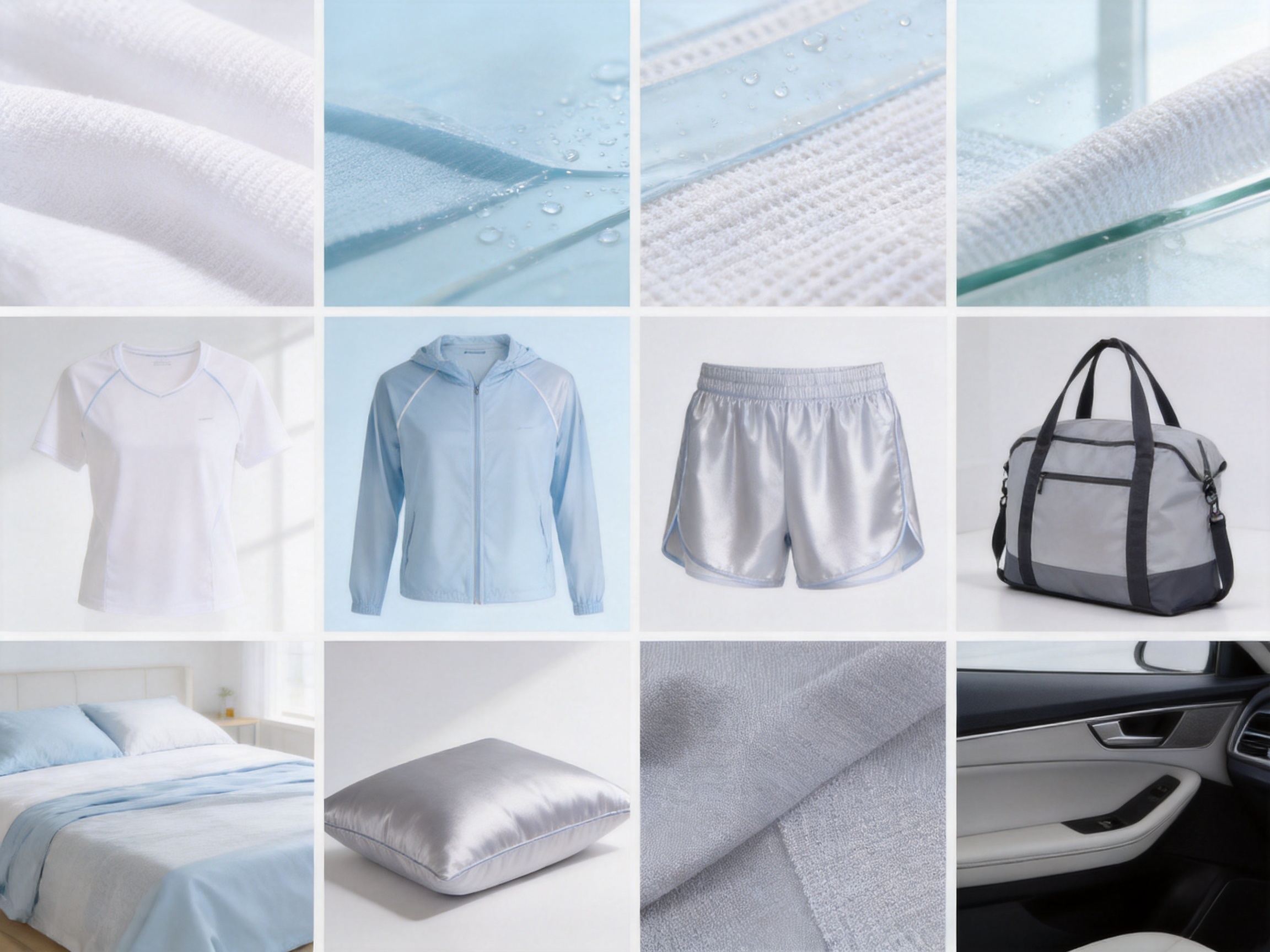
PE flat FDY yarn is a fully drawn filament yarn made from polyethylene, with a flat filament structure. It is designed to provide a cooling touch, good tenacity, and good elongation for use in apparel, home textiles, outdoor products, automotive interiors, and other applications.
FDY means fully drawn yarn. The filaments have been drawn during production to improve molecular orientation and develop useful strength, elongation, and dimensional consistency before the yarn is supplied for downstream textile processing.
The flat structure creates a distinctive surface profile and can increase the contact area between the filament and the skin. This supports the product’s cooling-touch characteristic and gives manufacturers a functional alternative to conventional round-filament yarns.
The suitable denier depends on the finished product. 50D, 75D, and 100D are appropriate starting points for lightweight and fine fabrics. 200D, 300D, and 400D are more suitable for heavier, stronger, or more substantial constructions. A production trial is recommended before final selection.
Yes. The cooling touch makes PE flat FDY yarn suitable for evaluation in sheets, pillowcases, duvet covers, mattress fabrics, and other bedding products. The final fabric should be tested for hand feel, laundering, dimensional stability, and long-term comfort.
It can be considered for sportswear and outdoor products where cooling comfort, good tenacity, and elongation are useful. The complete fabric should also be evaluated for moisture management, breathability, stretch, abrasion, washing, and finishing performance.
The product is included in a portfolio of special and functional eco-friendly textile products, and its production emphasizes environmental protection, energy conservation, emission reduction, and recycling or reuse potential. Buyers should evaluate the complete life cycle and the recycling conditions available for the finished product.
Special production by order is available subject to technical confirmation and production planning. Customers should provide their required denier, application, physical performance targets, package needs, and delivery expectations.
Shanghai seaport is listed as the shipping point. Delivery arrangements should be confirmed according to the order quantity, destination, packaging, and requested schedule.
A quotation request should include the required count, estimated quantity, application, intended processing method, packaging requirements, destination, delivery schedule, and any special performance or testing requirements. Providing complete information helps the manufacturer prepare a more accurate proposal.
PE flat FDY yarn is a specialized material for textile manufacturers seeking more than conventional filament performance. Its cooling touch creates a distinctive comfort advantage, while good tenacity and elongation support durable and flexible textile constructions. The six available deniers, ranging from 50D to 400D, allow the product to serve applications from lightweight apparel and bedding to heavier outdoor, industrial, automotive, and decorative products.
The product’s advantages come from the combination of polyethylene material, flat filament geometry, and fully drawn processing. This combination gives manufacturers a practical way to develop fabrics with a cool surface, dependable strength, and a differentiated functional profile.
GC FIBER brings experience as a special textile factory established in China in 2006. Its capabilities include research, development, production, sales, and cooperation with customers on new materials. Its broader product portfolio covers biodegradable, low melting, ECDP, anti-static, HDPE, bio-component, and polyester filament yarns, giving customers access to a wider functional textile resource.
For buyers comparing suppliers, the most important evaluation should include yarn consistency, processing behavior, application testing, technical communication, custom production ability, environmental objectives, and delivery reliability. With appropriate specification selection and trial processing, PE flat FDY yarn can become a valuable material for comfortable, durable, and innovative textile products.
1. Technical product information supplied for PE flat FDY yarn, including cooling touch, tenacity, elongation, available deniers, and shipping details.
2. Company information supplied for NanTong Global Chemical Fiber Co., Ltd., including its establishment in 2006 and its research, development, production, and sales activities.
3. General textile engineering references concerning fully drawn yarn, melt spinning, polymer orientation, denier selection, and filament yarn processing.
4. General textile testing references concerning yarn tenacity, elongation, dimensional stability, package quality, and downstream weaving and knitting performance.
5. General sustainability references concerning resource efficiency, recycling, reuse, life-cycle assessment, and environmental considerations in synthetic textile production.
It is made with Bio-base PLA, fully biodegradable Feature: 1. Industrial compost product 2. Made with PLA 3. Eco-frie...
READ MOREPlease fill out the form below and our team will contact you as soon as possible.
Addres: No.66 Qiaogang Road, Haian, Nantong City, Jiangsu Province, China
E-mail: service@gcfiber.com admin@gcfiber.com
Copyright ? GC FIBER All Rights Reserved. Eco-Friendly Textile Products Manufacturer Biodegradable Yarn Company