English
 中文简体
中文简体
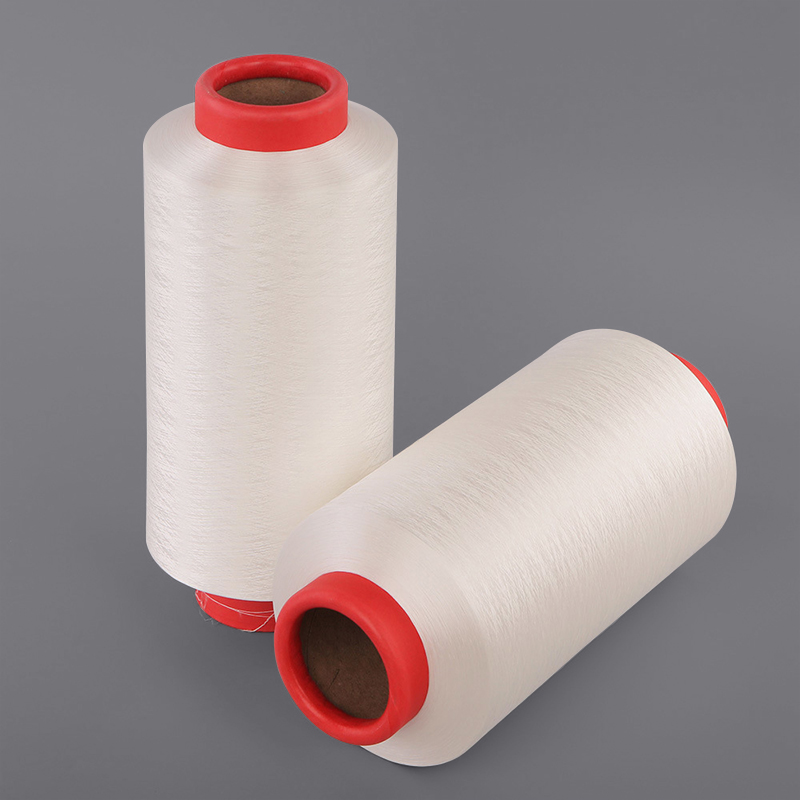
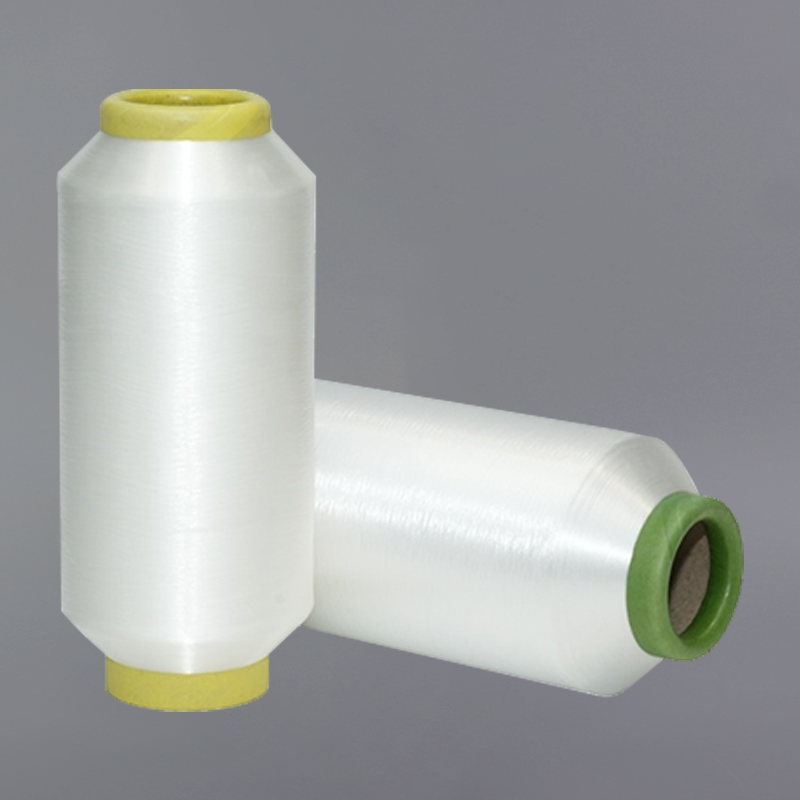
It is made with Bio-base PLA, fully biodegradable Feature: 1. Industrial compost product 2. Made with PLA 3. Eco-frie...
READ MORE
Content
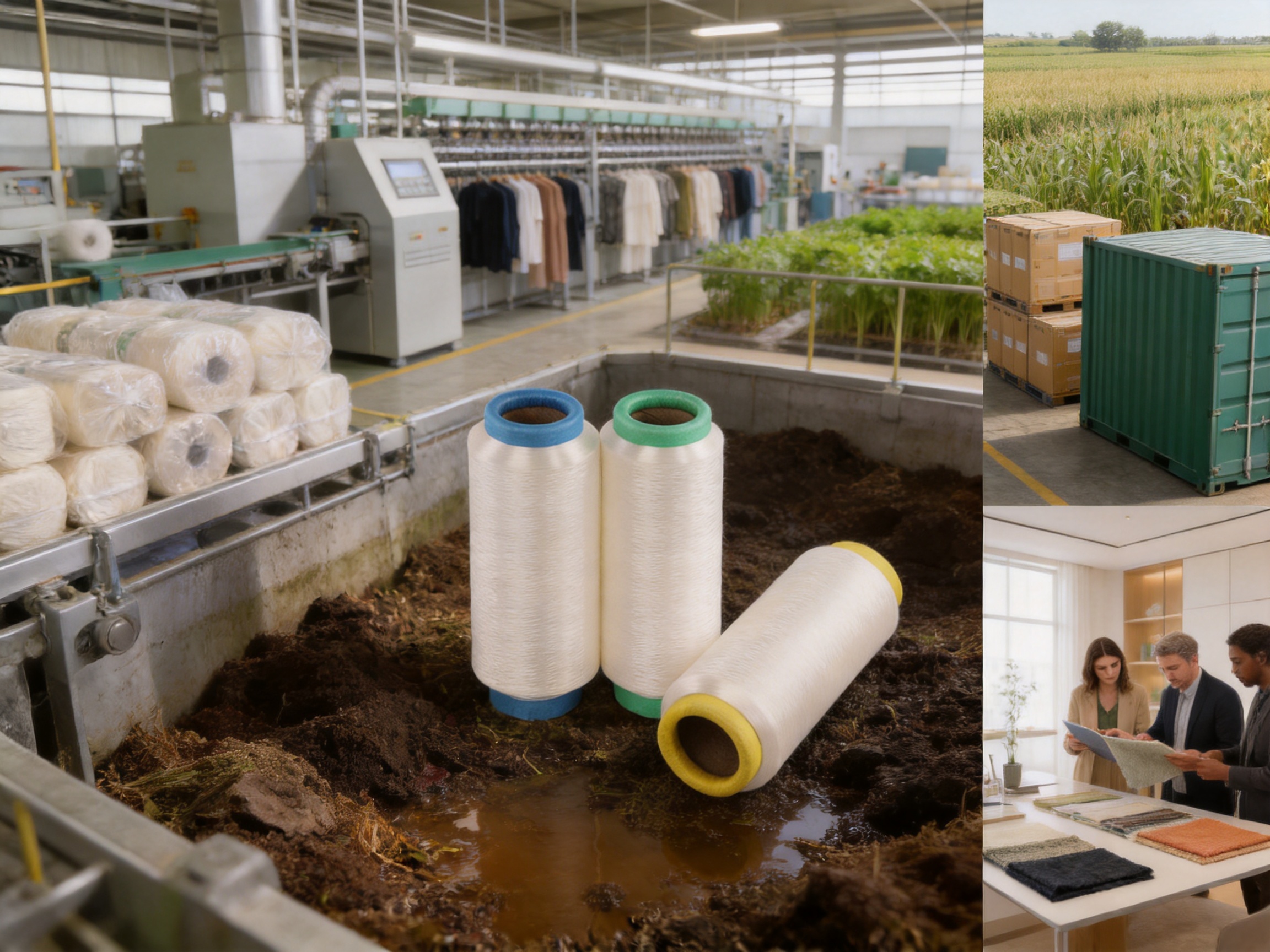
As textile manufacturers, fashion brands, and industrial users look for alternatives to petroleum-based materials, PLA biodegradable filament yarn has become an increasingly important option. It combines the continuous structure, smooth appearance, and processing consistency of filament yarn with the renewable origin and industrial compostability associated with polylactic acid. For producers seeking lower-impact materials without abandoning the productivity of modern weaving and knitting equipment, PLA filament yarn offers a practical bridge between conventional synthetic performance and circular material development.
PLA biodegradable filament yarn is produced from polylactic acid, a bio-based polymer commonly derived from renewable plant resources such as corn starch and sugarcane. The polymer is melted, filtered, extruded, cooled, oriented, and wound into continuous filaments. Unlike staple fibers, which must be cut and spun before they become yarn, filament yarn is formed as a continuous strand. This structure delivers a smooth surface, consistent linear density, stable tensile behavior, and reduced hairiness.
GC FIBER develops and supplies functional and environmentally oriented textile materials, including biodegradable yarn, low melting yarn, ECDP yarn, anti-static yarn, HDPE yarn, bio-component yarn, and polyester filament yarn. Its experience in special-fiber production enables it to support customers looking for yarns with specific performance, processing, and sustainability requirements. For PLA filament yarn users, this combination of material knowledge, production capability, and custom development support is an important advantage.
The textile industry continues to face pressure to reduce fossil-resource consumption, lower production emissions, and address the accumulation of difficult-to-degrade materials. Conventional polyester remains valuable because of its strength, availability, dimensional stability, and cost efficiency. However, conventional polyester is generally produced from petroleum-based raw materials and does not readily biodegrade in natural environments. These characteristics have encouraged manufacturers to investigate bio-based polymers and end-of-life solutions that can complement or replace conventional synthetic materials in selected applications.
PLA offers a different material pathway. Its principal raw material is renewable biomass rather than petroleum. When correctly processed and managed at the end of its useful life, PLA can be directed to industrial composting systems where controlled heat, moisture, oxygen, and microbial activity support decomposition. The resulting products can include carbon dioxide, water, and organic matter, depending on the composting conditions and applicable standards.
It is important to distinguish industrial compostability from unrestricted biodegradability. PLA products generally require controlled industrial composting conditions to decompose effectively within a defined period. They should not be described as materials that rapidly disappear in ordinary soil, seawater, or household compost. Responsible textile communication should therefore identify the applicable certification, collection route, and composting infrastructure. This clear approach strengthens the credibility of sustainability claims and helps buyers select suitable end-of-life systems.
PLA filament yarn is especially relevant because it can be introduced into continuous-filament textile processes. Manufacturers may use it in weaving, knitting, narrow fabrics, decorative textiles, selected apparel components, and other applications where a smooth, uniform yarn is desirable. Its ability to combine renewable sourcing with continuous-filament processing gives it a meaningful position between natural fibers and conventional synthetic yarns.
PLA biodegradable filament yarn is a continuous yarn made by extruding polylactic acid through precision spinnerets. The polymer is first converted into chips or another suitable feedstock. These materials are dried to control moisture, melted under carefully managed thermal conditions, and forced through small spinneret openings. The emerging filaments are cooled, drawn, and wound into packages suitable for downstream textile processing.
The production route creates long, uninterrupted filaments rather than short fibers. As a result, the yarn typically has a smooth surface and lower hairiness than many spun yarns. It can be manufactured in different denier ranges and configurations, including DTY specifications such as 50D, 75D, 100D, and 150D, depending on the required end use and processing design. Special production by order can also be considered when customers require specific colors, package formats, yarn structures, or performance targets.
Continuous-filament PLA yarn is not a single universal product. Its properties depend on polymer formulation, molecular weight, spinning conditions, draw ratio, texturing process, yarn count, cross-sectional profile, additives, and finishing treatment. The final textile performance also depends on fabric construction, dye selection, heat-setting conditions, and the way the yarn is combined with other fibers.
For this reason, product selection should begin with the intended application. A lightweight knitted garment, a sheer curtain, a biodegradable sewing thread, and an agricultural string may require very different balances of tenacity, elongation, flexibility, heat resistance, color, and compostability. A technically capable supplier should be able to discuss these requirements before recommending a yarn specification.
The most visible advantage of PLA is its renewable raw-material base. PLA is commonly produced from plant-derived sugars or starches that are fermented into lactic acid and then converted into a polymer. This gives manufacturers an alternative to materials made exclusively from fossil-based feedstocks.
A renewable origin does not automatically mean that every PLA product has a low total environmental impact. Agricultural inputs, energy consumption, transportation, polymer production, dyeing, finishing, use, and disposal all contribute to the product life cycle. Nevertheless, bio-based sourcing can reduce dependence on finite fossil resources and support a broader strategy for material diversification.
For brands developing sustainable product lines, PLA filament yarn can contribute to a documented bio-based material portfolio. The strongest sustainability programs combine renewable sourcing with responsible processing, product durability, efficient logistics, appropriate packaging, and clearly defined end-of-life management.
PLA is valued for its potential to break down under industrial composting conditions. In a properly managed facility, elevated temperature, moisture, aeration, and microbial action accelerate hydrolysis and biological decomposition. At the end of the process, the polymer can be converted into simpler substances that are compatible with the composting environment, subject to the relevant standard and product composition.
Industrial compostability can be particularly useful for products that are difficult to recover through conventional textile recycling. Examples may include certain disposable textile components, selected agricultural materials, some food-contact textile articles, and products contaminated during use. The suitability of PLA depends on the entire article. Dyes, coatings, elastics, sewing threads, labels, finishes, and blended fibers may affect whether the finished product qualifies for composting.
Manufacturers should request the appropriate technical and certification documentation before making compostability claims. If a yarn is intended to be used in a certified compostable product, every component and processing chemical should be assessed as part of the complete system.
The continuous-filament structure gives PLA yarn a clean and even surface. Compared with many staple-fiber yarns, it generally produces less loose fiber, lower hairiness, and a more uniform visual appearance. These characteristics can support efficient weaving and knitting while helping create fabrics with a refined hand feel.
Continuous filaments also provide consistent yarn geometry along the length of the package. This can benefit high-speed processing by reducing irregularities that may cause uneven fabric appearance, weak places, or excessive yarn breaks. The actual processing performance will depend on yarn quality, machine settings, package build, tension control, and the fabric design, but uniformity remains a central benefit of filament construction.
In finished fabrics, PLA filament yarn can provide a subtle luster and smooth drape. It may be used when a manufacturer wants an appearance that is more polished than a typical spun construction while still maintaining a bio-based material story.
PLA yarn is often selected for applications where freshness and skin contact are important. The polymer environment and the presence of lactic-acid-based chemistry can help inhibit the growth of certain microorganisms under appropriate conditions. This may reduce odor development in some textile constructions.
However, antibacterial performance should be evaluated through recognized laboratory methods rather than assumed solely from the word “PLA.” Results can vary according to moisture, fabric structure, microbial species, finishing treatments, laundering, and test protocol. Customers seeking antibacterial claims should specify the required test method and performance threshold.
One potential benefit of inherent or built-in functional behavior is durability. If the performance comes from the fiber polymer rather than a surface coating, it may be less vulnerable to removal during laundering. Even so, durability must be verified through testing. The yarn is best presented as a material with antibacterial potential and odor-management advantages, supported by appropriate evidence for the specific product and application.
PLA filament yarn can generally be dyed at lower temperatures than conventional polyester filament yarn. This difference can reduce the energy required during dyeing and may shorten certain processing cycles. Lower thermal exposure can also help protect yarn luster, reduce stress on sensitive structures, and limit distortion in carefully designed fabrics.
Lower-temperature dyeing is not simply a matter of reducing the temperature on an existing polyester recipe. PLA has its own dye-affinity, heat-setting, colorfastness, and chemical-resistance requirements. Dye classes, pH, auxiliaries, liquor ratio, holding time, and cooling procedure must be selected for PLA. Process trials are strongly recommended before mass production.
When properly managed, the lower dyeing temperature can support several operational benefits:
PLA filament yarn can offer useful resistance to ultraviolet exposure, making it suitable for selected outdoor and light-exposure applications. UV stability helps the yarn maintain appearance and mechanical integrity when used in curtains, shading textiles, outdoor decorative fabrics, and other products exposed to sunlight.
UV performance depends on the polymer grade, color, additives, fabric density, exposure intensity, environmental moisture, and duration of use. Dark colors, finishes, and blends may behave differently from undyed or pale materials. Buyers should therefore request accelerated-aging results or conduct application-specific testing when long-term outdoor service is required.
The smooth surface of a continuous filament can reduce the tendency of loose fibers to form pills. Pilling is influenced by yarn structure, fabric construction, friction, finishing, and laundering. No yarn can guarantee complete immunity from pilling in every fabric, but the low-hairiness structure of PLA filament yarn can help manufacturers design cleaner-looking surfaces.
This advantage can be valuable in fashion fabrics, linings, lightweight knitted articles, decorative textiles, and premium home furnishings where surface appearance is an important part of product quality.
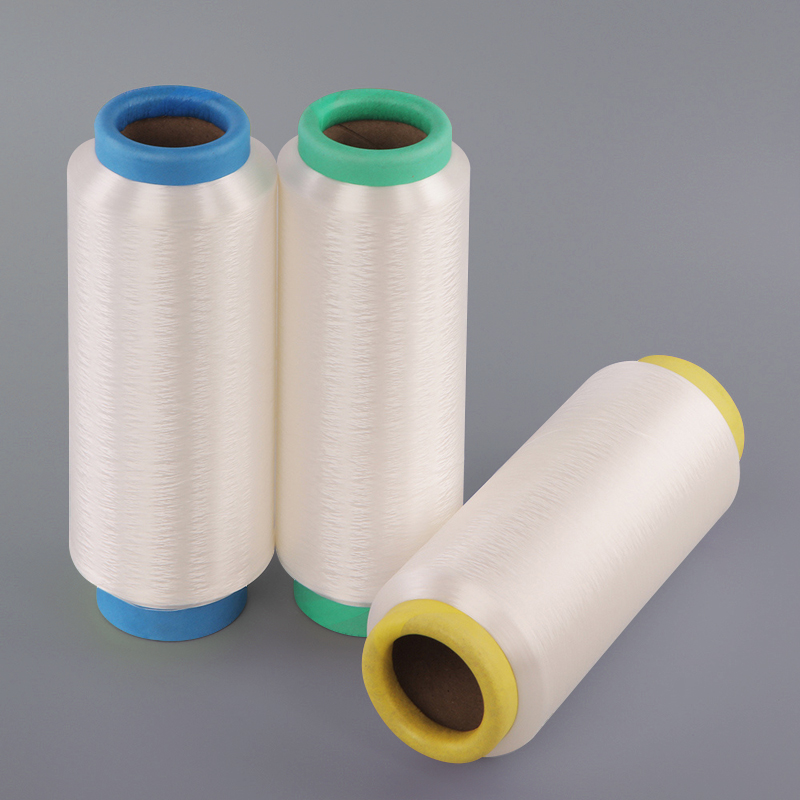
PLA Biodegradable Filament Yarn
High-quality PLA filament yarn depends on more than the selection of a renewable polymer. The manufacturing process must protect the polymer from moisture, control melt behavior, maintain spinneret precision, and ensure stable orientation during drawing and winding. GC FIBER’s experience in functional and specialty textile materials provides a foundation for managing these interconnected factors.
PLA is sensitive to moisture during melt processing. If water remains in the polymer before extrusion, it can promote hydrolytic degradation at elevated temperature. This may reduce molecular weight and negatively affect yarn strength, elongation, appearance, and spinning stability.
For this reason, raw-material preparation is a critical stage. Polymer chips must be stored in suitable conditions and dried according to the material supplier’s requirements. Drying temperature, residence time, dew point, airflow, and material turnover should be controlled. An effective moisture-control program reduces the risk of polymer degradation and supports more consistent melt viscosity.
Production teams should also monitor storage duration and package integrity. Even a well-designed drying process cannot compensate for uncontrolled reabsorption of moisture before the polymer enters the extruder. Proper handling from warehouse to spinning line is therefore part of the yarn-quality system.
During extrusion, PLA chips are conveyed into a heated barrel where they are gradually melted. Temperature zones must be balanced carefully. Excessive heat or prolonged residence time can damage the polymer, while insufficient heat can create incomplete melting, pressure fluctuation, or unstable extrusion.
Stable screw design and controlled feeding help maintain a consistent melt stream. Filtration removes impurities and undispersed particles that could block spinneret openings or create weak points in the filament. Melt pressure and temperature are monitored to identify process changes before they affect a large quantity of product.
For specialty yarn production, filtration quality is especially important. Even small contaminants can result in filament breaks, uneven denier, surface defects, or downstream weaving problems. Consistent raw-material handling and regular equipment maintenance contribute directly to production reliability.
The spinneret determines the number, size, and profile of the filaments. Precision manufacturing and maintenance of spinneret components are essential for producing uniform yarn. The geometry of the spinneret openings influences cross-sectional shape, surface area, luster, moisture behavior, and hand feel.
As the molten polymer exits the spinneret, it must be cooled under controlled conditions. Quenching airflow, temperature, velocity, and distribution affect filament solidification and orientation. Uneven cooling can create differences between individual filaments, leading to yarn irregularity or inconsistent dye uptake.
A stable spinning environment supports uniform filament formation. Production areas should control dust, temperature, airflow, and vibration as much as practical. The objective is to create a consistent strand that can withstand drawing, texturing, winding, and downstream processing.
Freshly formed filaments do not yet possess their final balance of strength and elongation. Drawing stretches the filaments to orient polymer molecules along the yarn axis. This orientation improves tensile performance and contributes to dimensional stability.
The draw ratio, roller temperature, contact time, line speed, and tension must be matched to the PLA grade and desired yarn specification. Excessive drawing may reduce elongation or cause filament damage, while insufficient drawing may leave the yarn weak or unstable. Accurate control is particularly important for fine-denier products such as 50D and 75D yarns.
The desired result is a yarn with balanced strength, elongation, uniformity, and processability. Different applications require different balances. A lightweight knitted fabric may benefit from controlled elasticity and soft hand, while a sewing thread or industrial string may prioritize strength and abrasion resistance.
Depending on the required product, PLA filament yarn may be supplied as a flat yarn or processed into a textured structure. Texturing can add bulk, softness, stretch, and coverage. The selected method and thermal conditions must account for PLA’s lower thermal resistance compared with conventional polyester.
Package winding is another important quality stage. Winding tension, traverse pattern, package hardness, and edge formation influence how the yarn unwinds during weaving or knitting. Poor package formation can cause tension variation, snarling, broken filaments, and inefficient machine operation.
A reliable supplier checks package appearance and unwinding behavior rather than focusing solely on laboratory measurements. A yarn that meets a strength specification but performs poorly on a customer’s machine is not a successful industrial product.
Specialty filament yarn production benefits from continuous monitoring. Depending on the line and product, quality controls may include denier measurement, tensile strength, elongation, filament break monitoring, oil pickup, moisture testing, appearance inspection, and package-weight verification.
Laboratory testing may also include color evaluation, shrinkage, boiling-water behavior, thermal properties, UV exposure, antibacterial testing, compostability assessment, and fabric-level performance. The selected tests should reflect the intended end use rather than be limited to a generic product checklist.
GC FIBER’s broader portfolio of functional yarns supports cross-material experience. Manufacturing products such as anti-static yarn, low melting yarn, ECDP yarn, HDPE yarn, bio-component yarn, and polyester filament yarn requires attention to different polymer behaviors and performance targets. This experience can help the company identify process interactions, suggest alternative constructions, and support the development of customized specifications.
GC FIBER, operated by NanTong Global Chemical Fiber Co., Ltd., has worked in specialty textile manufacturing in China since 2006. The company researches, develops, produces, and sells functional and eco-friendly textile products. Its product range covers several categories, allowing customers to source multiple specialized yarn solutions from one experienced supplier.
The company’s location in Haian, Nantong City, Jiangsu Province, provides access to established textile manufacturing, logistics, and chemical-fiber supply networks. Shipments can be arranged through the Shanghai seaport, supporting international export requirements and coordination with overseas textile manufacturers.
One of the company’s strengths is its focus on special production by order. Standard specifications are important for efficient purchasing, but many textile applications require adjustments that are not available from a general-purpose yarn supplier. These may include denier, color, package size, filament configuration, luster, texturing, performance targets, or compatibility with a particular fabric process.
Customer cooperation is also relevant when developing new materials. A manufacturer may approach GC FIBER with a target application rather than a finalized yarn specification. For example, the customer may need a biodegradable textile component with defined strength, a lower-temperature dyeing route, a particular hand feel, or improved performance in a specific knitting structure. Technical discussion can then connect the end-use requirement with a realistic yarn design.
Such cooperation is especially valuable for sustainable materials because the environmental claim must be considered together with the manufacturing process and final product design. A biodegradable yarn may not deliver the expected benefit if it is combined with incompatible fibers, non-compostable coatings, or finishes that prevent the finished article from entering the intended waste stream.
A capable supplier can assist with:
For international buyers, practical supply capability is as important as laboratory performance. Reliable communication, clear specifications, stable package quality, export coordination, and responsive after-sales support help reduce production risk. These factors can distinguish a specialty yarn manufacturer from a trading company that only resells standard materials.
PLA and conventional polyester are both capable of producing continuous filament yarn, but they differ in feedstock, thermal behavior, end-of-life options, and processing requirements. The most suitable material depends on the product’s performance needs, cost targets, environmental objectives, and disposal pathway.
| Comparison Factor | PLA Biodegradable Filament Yarn | Conventional Polyester Filament Yarn |
|---|---|---|
| Primary raw-material origin | Bio-based, renewable plant resources | Generally petroleum-based resources |
| Yarn structure | Continuous filament | Continuous filament |
| End-of-life potential | Industrial compostability under appropriate conditions and certification | Generally persistent and not readily biodegradable |
| Dyeing conditions | Often compatible with lower-temperature dyeing processes | Typically requires higher-temperature polyester dyeing |
| Surface appearance | Smooth surface with possible silk-like luster | Smooth surface with a wide range of available lusters |
| Antibacterial potential | May provide inherent microbial-inhibition properties, subject to testing | Usually requires a specific additive or finish for antibacterial claims |
| UV behavior | Good stability for selected applications, subject to formulation and testing | Generally good, with performance depending on grade and stabilization |
| Heat sensitivity | Requires careful control because of lower thermal resistance | Usually offers higher thermal-processing tolerance |
| Environmental positioning | Supports renewable-material and industrial-compostability strategies | Supports durability and recyclability strategies when appropriate systems exist |
The comparison does not mean that PLA is universally superior to polyester. Conventional polyester may remain preferable where very high heat resistance, strong dimensional stability, broad dye-house familiarity, or low cost is the main priority. PLA becomes attractive when renewable origin, lower-temperature dyeing, compostability potential, and a distinctive sustainability profile are central to the product specification.
In some cases, the two materials may also be evaluated in different layers or components of the same product. However, blending PLA with conventional polyester can affect biodegradability and complicate end-of-life claims. A manufacturer should assess the entire composition before describing a product as compostable.
Staple-fiber yarns are made from short fibers that are processed through drafting and spinning. They can offer a soft, natural-looking surface and may be suitable for products where hairiness, warmth, or a spun appearance is desirable. PLA filament yarn, by contrast, is made from continuous strands and typically has a smoother, more uniform construction.
The continuous structure can reduce fiber shedding during processing and use, although the environmental behavior of the complete textile still depends on the polymer, construction, finishing, and laundering conditions. It can also improve the consistency of fine yarns and make the material suitable for high-speed production where stable yarn geometry is important.
Filament yarn may be preferred for smooth woven fabrics, lightweight knitted products, linings, decorative threads, sheer textiles, and applications requiring a clean surface. Staple-fiber PLA may be selected when the objective is to imitate a cotton-like or wool-like appearance. The choice should be based on fabric design and performance rather than sustainability claims alone.
PLA biodegradable filament yarn can be used in sustainable fashion collections, lightweight apparel, activewear, athleisure, linings, and selected intimate apparel components. Its smooth surface supports a refined appearance, while its potential antibacterial and odor-management properties may be useful in garments worn close to the skin.
Designers can use the yarn in woven and knitted fabrics where drape, luster, and a low-hairiness surface are desired. It may also be combined with other fibers, but the effect of blending on compostability, recycling, dyeing, and care labeling must be reviewed carefully.
Sportswear producers increasingly seek materials that combine comfort, appearance, and a credible environmental story. PLA filament yarn may be suitable for lightweight tops, liners, mesh structures, windbreakers, and athleisure fabrics. Lower-temperature dyeing can be beneficial in reducing processing energy, while continuous filaments can support smooth surfaces and low bulk.
Before use in demanding sportswear, manufacturers should test moisture management, abrasion resistance, repeated laundering, dimensional change, colorfastness, and seam performance. PLA’s heat sensitivity and hydrolysis behavior should also be considered during garment finishing and care-label development.
Potential home-textile applications include sheer curtains, decorative fabrics, bedding components, lightweight upholstery elements, and other interior textiles. The yarn’s luster and drape can support premium visual effects, while its renewable origin can contribute to environmentally oriented interior collections.
For curtains and outdoor-adjacent products, UV exposure testing is recommended. For bedding and other washable articles, laundering trials should evaluate dimensional stability, color retention, surface appearance, and hand feel after repeated cycles.
PLA filament yarn may be considered for biodegradable sewing threads, lightweight filtration fabrics, selected tea-bag materials, agricultural strings, and other applications where a controlled end-of-life pathway is available. Industrial users should evaluate load requirements, moisture conditions, thermal exposure, chemical contact, and expected service life.
In agriculture, the most important question is often not whether a yarn is bio-based but whether it can safely and predictably degrade under the specific field or composting conditions. If a product is intended to be collected and industrially composted after use, the entire article should be designed for that route.
The smooth surface and consistent filament structure can make PLA yarn suitable for selected embroidery and decorative applications. It may provide a clean stitch appearance and subtle sheen. Color selection, abrasion resistance, needle heating, and compatibility with the base fabric should be evaluated during sampling.
PLA filament yarn should be introduced into production using conditions appropriate for its lower thermal tolerance and specific mechanical profile. Machine tension should be controlled carefully to avoid unnecessary stress. Excessive friction, sharp guides, damaged ceramic surfaces, or poorly aligned components can increase filament breaks.
During knitting, needle condition, yarn-feed tension, take-down settings, and machine speed can influence fabric quality. A controlled trial should be conducted to identify the best settings for each yarn count and fabric structure. For weaving, warp sizing, beam tension, reed selection, and loom speed may require adjustment from standard polyester settings.
Heat-setting should be performed with caution. Excessive temperature or residence time may cause shrinkage, loss of strength, surface changes, or deformation. Dyeing and finishing departments should establish a process window rather than relying automatically on polyester recipes.
When PLA yarn is combined with other materials, shrinkage and thermal behavior must be considered. A blend may require compromise conditions that do not fully optimize either component. In some cases, a layered construction or separate-component design can preserve the functional and environmental benefits more effectively than a random blend.
PLA filament yarn generally requires dyeing conditions different from those used for standard polyester. Lower-temperature dyeing can reduce energy consumption, but dye selection and process control remain essential. The dye house should verify color yield, levelness, migration, wash fastness, rubbing fastness, light fastness, and resistance to the intended finishing chemicals.
Finishing treatments should be reviewed for their effect on compostability. Some coatings, resin systems, water repellents, softeners, or antimicrobial finishes may introduce components that are not compatible with industrial compostability requirements. A product claim should be based on the finished article rather than the yarn alone.
Heat-setting, calendaring, raising, coating, laminating, and bonding processes may all affect the final textile. PLA’s thermal behavior should be discussed with the supplier before large-scale production. A well-designed process can preserve softness, luster, strength, and dimensional stability while reducing unnecessary thermal exposure.
Buyers should request a technical data sheet that identifies yarn count, filament number, tenacity, elongation, moisture content, shrinkage, package weight, color, and recommended processing conditions. For customized orders, the specification should also define tolerances and acceptance criteria.
If compostability is a required selling point, documentation should specify whether the claim applies to the polymer, yarn, fabric, or complete finished product. Relevant industrial compostability standards may include requirements for disintegration, biodegradation, ecotoxicity, and chemical composition. The exact standard depends on the target market and certification route.
For antibacterial claims, testing should identify the organism, test method, contact conditions, reduction rate, and durability after laundering. For UV claims, the testing method and exposure period should be recorded. Transparent documentation helps brands avoid vague claims and supports regulatory compliance in different markets.
Quality assurance should continue beyond the factory. Customers can evaluate incoming packages, yarn evenness, unwinding behavior, breakage rate, fabric appearance, dyeing performance, and finished-product durability. Feedback from these trials can then be used to refine the product specification.
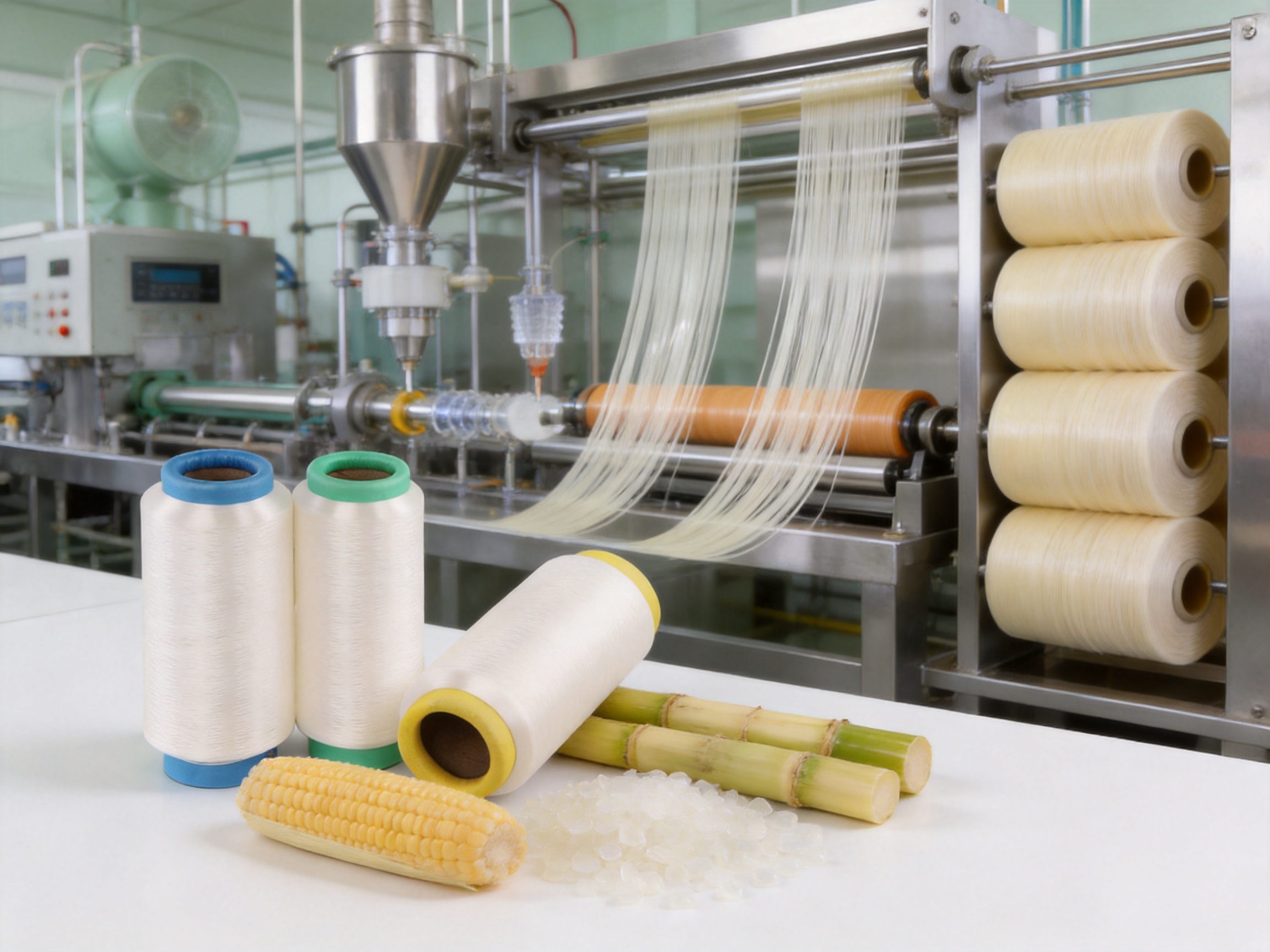
For textile manufacturers, the competitive value of PLA filament yarn comes from the combination of material origin, process compatibility, and product aesthetics. A yarn that is merely bio-based may not be commercially useful if it causes frequent breaks, poor colorfastness, or inconsistent fabric quality. Conversely, a yarn that performs well but cannot support a credible sustainability pathway may not meet the objectives of environmentally focused brands.
PLA filament yarn addresses several buyer priorities at the same time. It can support a renewable-material story, offer a continuous-filament appearance, provide potential antibacterial functionality, allow lower-temperature dyeing, and create a path toward industrial compostability when the finished product is correctly designed and certified.
GC FIBER’s advantage lies in combining these product characteristics with a broader specialty-yarn manufacturing platform. Customers can discuss PLA alongside other functional yarn categories, making it easier to compare alternatives and develop hybrid solutions. The company’s custom-order capability is also relevant to customers who need a material adapted to a specific machine, fabric structure, or sustainability requirement.
In a competitive market, responsive technical communication is often as important as the product itself. Clear answers about polymer origin, processing limits, package formats, test methods, minimum order quantities, lead times, and shipping arrangements help customers move from sampling to production more efficiently.
PLA filament yarn supports a more responsible material strategy when its full life cycle is considered. The environmental advantages begin with renewable feedstock but extend through spinning, dyeing, garment production, use, collection, and disposal. Manufacturing efficiency, reduced dyeing temperatures, durable product design, and appropriate waste management all contribute to the final impact.
Industrial compostability should be planned rather than assumed. Brands using PLA yarn should identify whether industrial composting facilities are available in their target markets. They should also determine whether consumers can separate the product from non-compostable components and whether local waste systems accept textile articles.
Durability remains important. A product that fails prematurely may create more environmental pressure than a longer-lasting alternative, even if the material is bio-based. PLA textiles should therefore be designed to provide the required service life before entering the intended end-of-life pathway.
Clear labeling is essential. Consumers and waste handlers should understand whether the product is recyclable, industrially compostable, home compostable, or suitable only for general disposal. Avoiding unsupported claims helps protect both the brand and the credibility of sustainable textiles as a whole.
Before ordering, buyers should define the application and the required performance. Important questions include:
For initial development, buyers should request samples in more than one specification when the application is not yet fully defined. Comparing 50D, 75D, 100D, and 150D options can reveal differences in coverage, drape, strength, and surface appearance. The best choice should be determined through fabric trials rather than yarn specifications alone.
Customers should also provide the supplier with information about machine type, line speed, needle or loom settings, dyeing equipment, finishing route, and target market. The more complete the technical brief, the more effectively the supplier can recommend or customize the yarn.
PLA filament yarn is made from polylactic acid, a bio-based polymer commonly produced from renewable plant resources such as corn starch and sugarcane. The polymer is melted and extruded into continuous filaments, which are then cooled, drawn, and wound into yarn packages.
PLA is generally designed to biodegrade under controlled industrial composting conditions. It should not automatically be described as rapidly biodegradable in ordinary soil, household compost, or seawater. The exact claim depends on the polymer, yarn, finished textile, certification, and local waste-management system.
It can be suitable for industrial composting when the yarn and finished article meet the requirements of the applicable standard. All components, including dyes, finishes, sewing threads, coatings, labels, and blended fibers, should be reviewed before a complete product is labeled compostable.
Common requested specifications include DTY 50D, 75D, 100D, and 150D. Other specifications may be available through special production by order. The appropriate denier depends on fabric weight, coverage, strength, drape, and machine requirements.
PLA filament yarn can generally be dyed at lower temperatures than conventional polyester filament yarn. However, dye selection, pH, auxiliaries, time, and temperature must be optimized specifically for PLA. Existing polyester dyeing recipes should not be transferred without trials.
PLA may provide an inherent ability to inhibit certain bacterial growth because of its polymer chemistry. The actual performance depends on the yarn, fabric, test organism, and conditions. Antibacterial claims should be supported by laboratory testing using a recognized method.
It can be suitable for selected sportswear, activewear, athleisure, lightweight garments, and linings. Manufacturers should evaluate moisture management, abrasion resistance, laundering, dimensional stability, colorfastness, and heat exposure before commercial production.
PLA and polyester have different performance profiles. Conventional polyester may provide higher heat resistance and broad processing familiarity, while PLA offers renewable sourcing and industrial-compostability potential. Strength depends on the specific yarn grade, denier, orientation, and manufacturing process.
PLA can be used in constructions that contain other fibers, but blending with conventional polyester can complicate biodegradability and end-of-life claims. The entire product must be evaluated before describing it as compostable.
Potential applications include sustainable apparel, sportswear, linings, intimate apparel components, curtains, bedding, decorative textiles, embroidery threads, biodegradable sewing threads, selected filtration materials, tea-bag materials, and agricultural strings.
Knitting conditions should be adjusted for yarn tension, friction, feed control, machine speed, needle condition, and heat exposure. A production trial is recommended because the optimal settings depend on the yarn specification and fabric construction.
PLA yarn should be stored in clean, dry conditions and protected from excessive humidity, heat, contamination, and prolonged direct sunlight. Proper storage helps preserve yarn quality and supports stable downstream processing.
GC FIBER supports special production by order and cooperates with customers on new-material development. Custom discussions may cover denier, yarn structure, color, package format, performance requirements, and intended processing route.
GC FIBER is located in Haian, Nantong City, Jiangsu Province, China, and can coordinate export shipments through the Shanghai seaport. Specific logistics arrangements should be confirmed according to order quantity, destination, and delivery requirements.
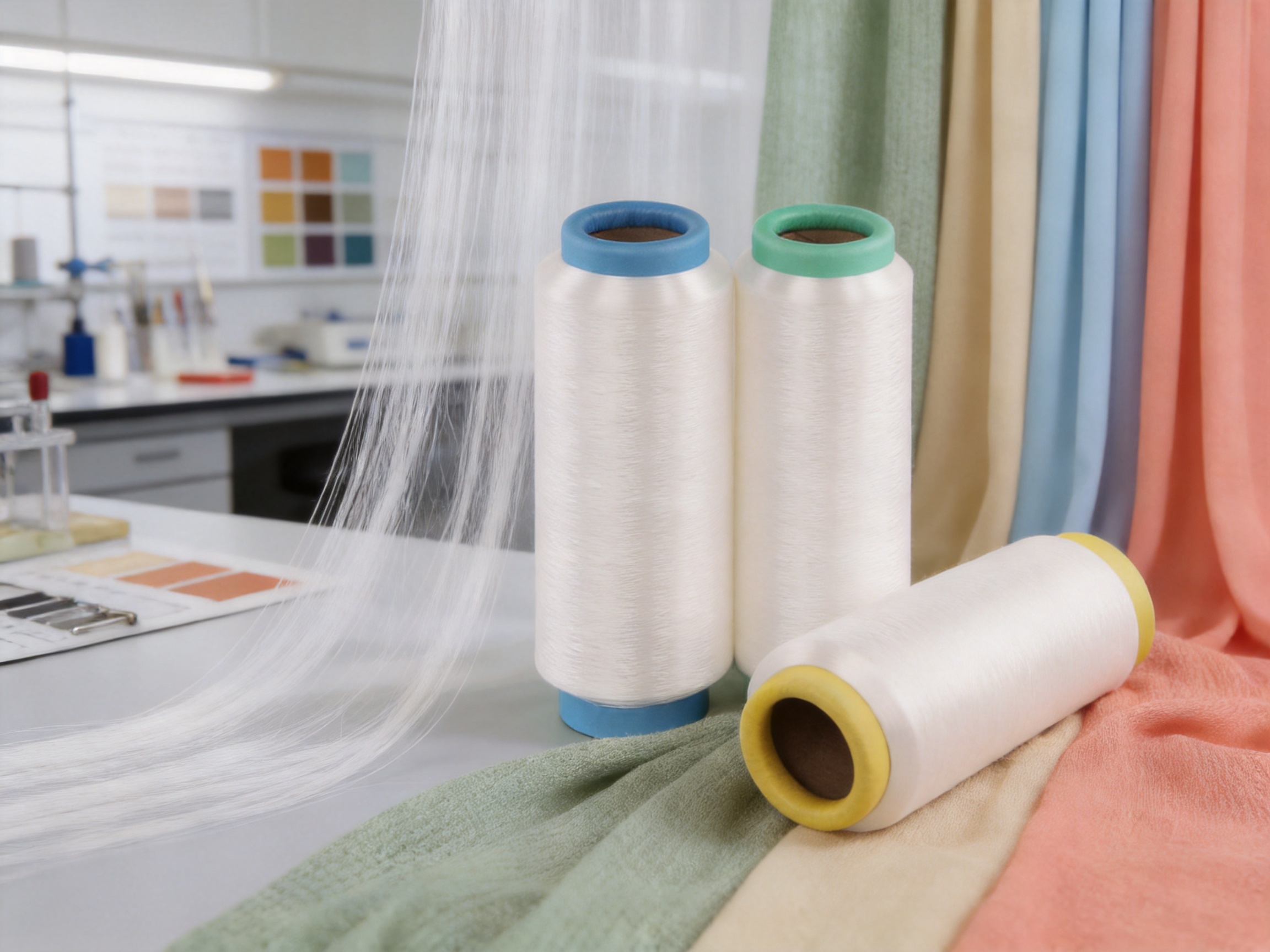
PLA biodegradable filament yarn provides textile manufacturers with a continuous-filament alternative that combines renewable material sourcing, industrial-compostability potential, smooth appearance, lower-temperature dyeing, antibacterial potential, and useful UV stability. Its advantages are most valuable when the yarn is matched carefully with the final application and supported by appropriate testing and end-of-life planning.
The product is not a universal replacement for every conventional synthetic yarn. PLA has specific thermal, dyeing, blending, and disposal requirements that must be understood before production. Nevertheless, for brands and manufacturers developing sustainable fashion, home textiles, industrial materials, and agricultural products, it offers a credible route toward lower-impact material design.
GC FIBER strengthens this opportunity through its experience in functional yarn manufacturing, product development, custom production, and international supply. With capabilities covering biodegradable yarn and several other specialty yarn categories, the company can support customers from initial material selection through sampling, process evaluation, and commercial supply.
As the textile sector advances toward renewable resources and circular product systems, PLA filament yarn is positioned to play an important role. Its success will depend on responsible claims, reliable manufacturing, appropriate fabric design, and cooperation among polymer producers, yarn manufacturers, textile processors, brands, consumers, and composting or recycling systems.
1. ASTM International. Standard specifications and test methods related to compostable plastics and biodegradation under controlled composting conditions.
2. European Committee for Standardization. EN 13432, Requirements for packaging recoverable through composting and biodegradation.
3. International Organization for Standardization. ISO 14855, Determination of the ultimate aerobic biodegradability of plastics under controlled composting conditions.
4. International Organization for Standardization. ISO 15985, Determination of the ultimate anaerobic biodegradation of plastics under high-solids anaerobic-digestion conditions.
5. Textile Exchange. Preferred Fiber and Materials Market Reports and guidance on bio-based and preferred textile materials.
6. European Bioplastics. Technical information concerning bioplastics, compostability, biodegradation, and bio-based materials.
7. Society of Dyers and Colourists. Technical resources concerning dyeing behavior, colorfastness, and textile wet processing.
8. General textile engineering references on polymer melt spinning, filament drawing, yarn texturing, winding, and quality control.
It is made with Bio-base PLA, fully biodegradable Feature: 1. Industrial compost product 2. Made with PLA 3. Eco-frie...
READ MOREPlease fill out the form below and our team will contact you as soon as possible.
Addres: No.66 Qiaogang Road, Haian, Nantong City, Jiangsu Province, China
E-mail: service@gcfiber.com admin@gcfiber.com
Copyright ? GC FIBER All Rights Reserved. Eco-Friendly Textile Products Manufacturer Biodegradable Yarn Company