English
 中文简体
中文简体
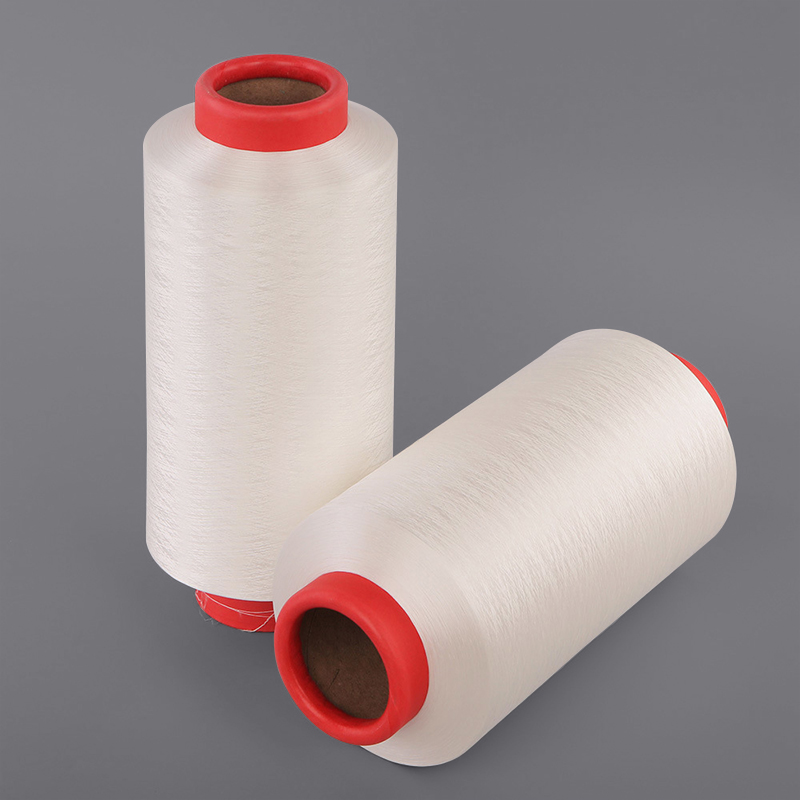
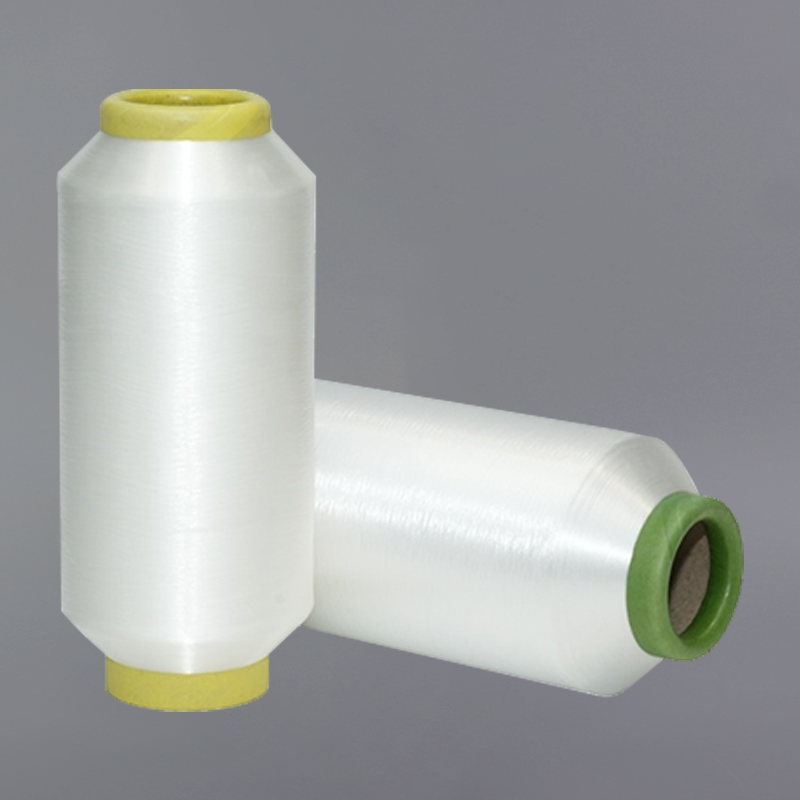
It is made with Bio-base PLA, fully biodegradable Feature: 1. Industrial compost product 2. Made with PLA 3. Eco-frie...
READ MORE
Content
PLA biodegradable monofilament yarn is a plant-based technical fiber designed for manufacturers seeking an alternative to conventional petroleum-derived monofilaments. Produced from polylactic acid, commonly known as PLA, this yarn combines renewable raw materials with the dimensional consistency, stiffness, tensile performance, and processing reliability required in weaving, knitting, filtration, agricultural textiles, packaging components, and specialty consumer products.
Unlike ordinary biodegradable fibers that may be unsuitable for demanding technical uses, PLA monofilament yarn is engineered as a continuous single-strand filament. Its smooth surface, consistent diameter, low moisture regain, and controlled mechanical properties support stable production across a wide range of textile and industrial processes. At the end of its useful life, the material can biodegrade under suitable industrial composting conditions, where temperature, humidity, oxygen, and microbial activity are carefully controlled.
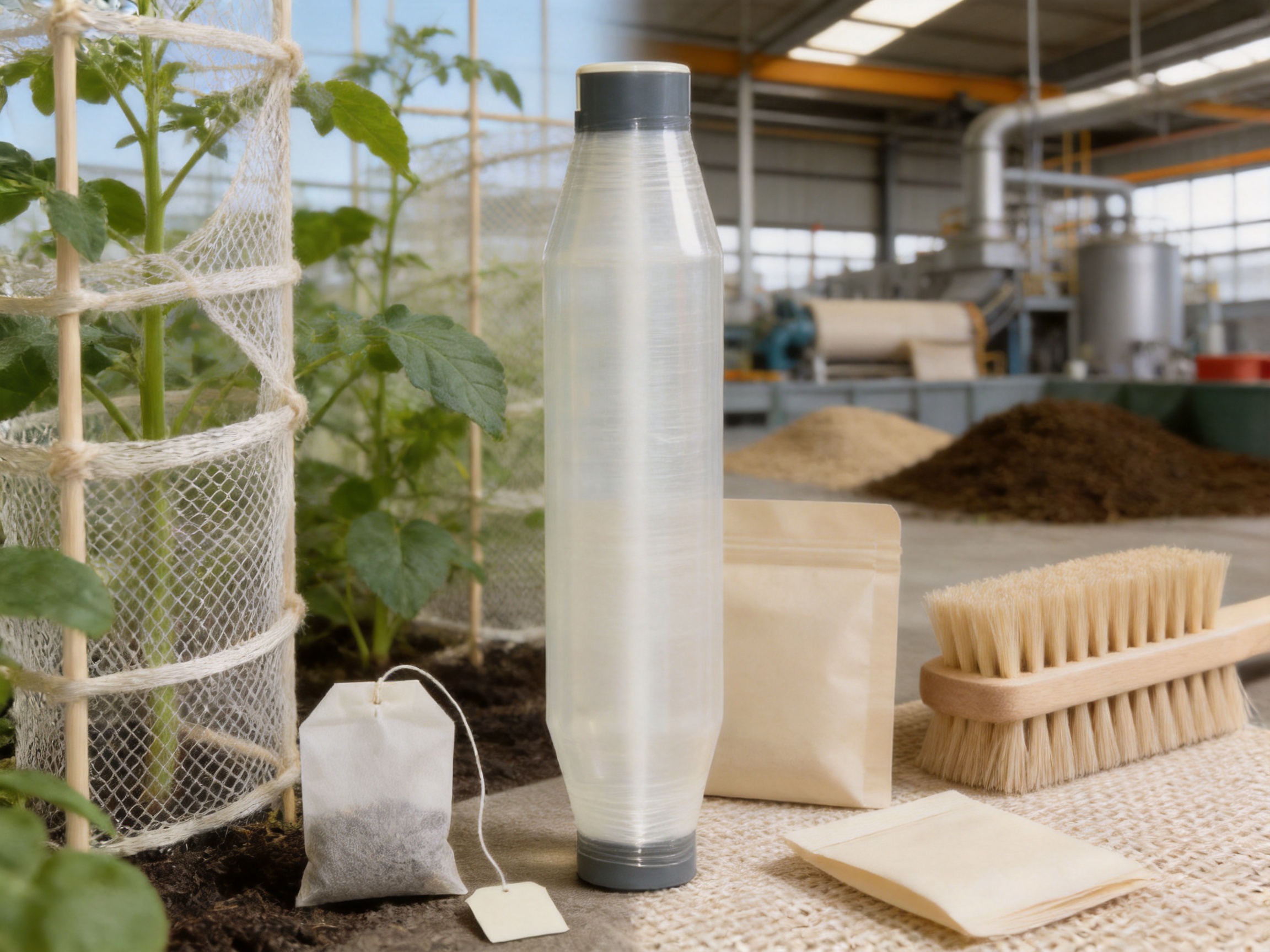
The yarn is particularly suitable for businesses that want to reduce dependence on fossil-based nylon or polyester while maintaining practical product performance. It can be supplied for specialized applications such as teabag strings, biodegradable filter mesh, agricultural netting, temporary support lines, brush bristles, and selected woven or knitted structures.
With experience in special and functional textile materials, GC FIBER develops and manufactures yarns for customers requiring customized performance, consistent quality, and environmentally responsible material solutions. Its PLA biodegradable monofilament yarn reflects this manufacturing focus by combining bio-based polymer technology with controlled melt extrusion, precision winding, application-specific development, and responsive technical service.
PLA Biodegradable Monofilament Yarn
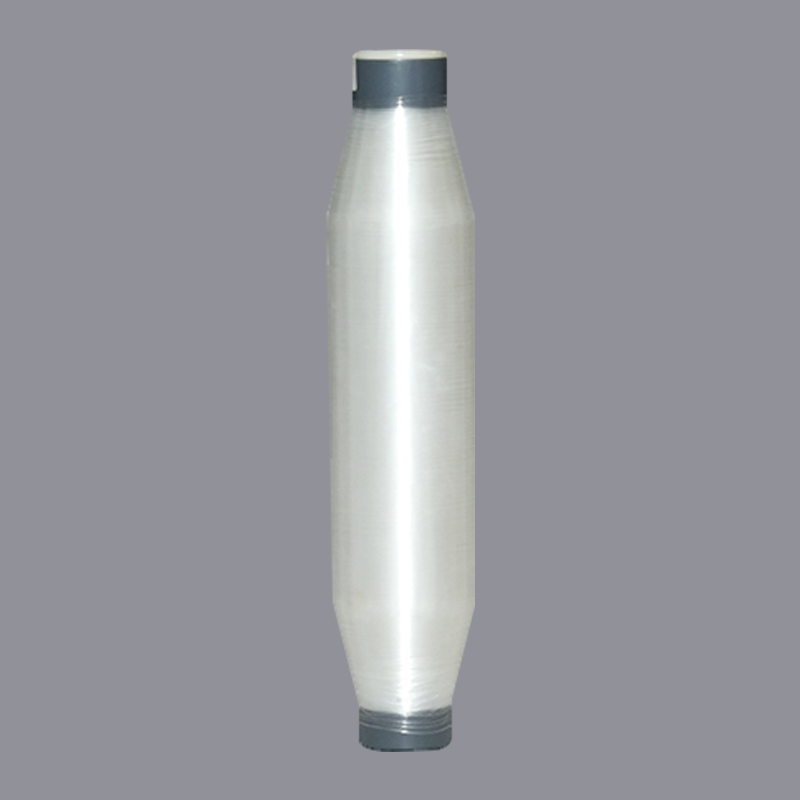
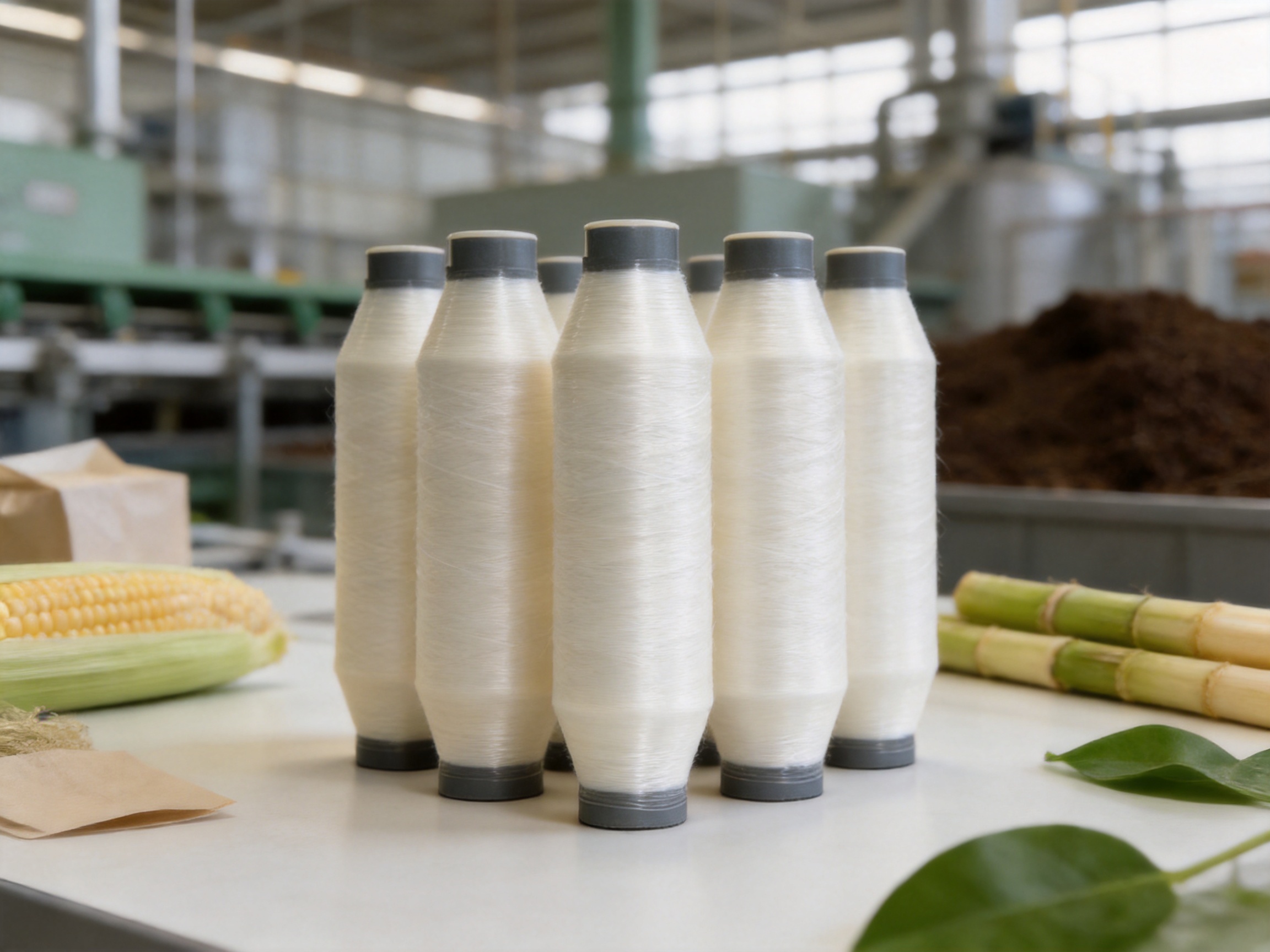
PLA biodegradable monofilament yarn is a single continuous filament made from polylactic acid resin. PLA is a thermoplastic polymer produced from lactic acid, which can be obtained by fermenting renewable plant-based resources such as corn starch or sugarcane. Through polymerization, the lactic acid is converted into a material that can be melted, extruded, cooled, drawn, and wound into a continuous yarn.
The term “monofilament” means that the product consists of one relatively thick filament rather than many fine filaments bundled together. This construction gives the yarn a distinctive combination of stiffness, surface smoothness, dimensional stability, and handling strength. The diameter can be selected according to the intended application, with the supplied product information identifying 30D as an available count and special production available by order.
PLA monofilament differs from PLA staple fiber. Staple fiber is cut into short lengths and spun or blended into yarn, while monofilament is extruded as a continuous strand. The continuous structure is advantageous for applications requiring a clean, stable strand, low fuzz, consistent diameter, and reliable resistance to pulling or abrasion during processing.
Although PLA originates from renewable resources, its biodegradation conditions must be clearly understood. The material is generally intended for industrial composting rather than ordinary landfill disposal or uncontrolled home composting. Industrial composting facilities provide elevated temperatures and managed humidity that accelerate hydrolysis and microbial decomposition. Under appropriate conditions, PLA can break down into carbon dioxide, water, and biomass without leaving persistent conventional plastic fragments.
Textile manufacturers and product developers are under increasing pressure to address the environmental impact of synthetic materials. Conventional polyester, nylon, and polypropylene are widely used because of their strength, affordability, and processing familiarity. However, these materials are derived primarily from fossil resources and can remain in the environment for very long periods when discarded.
The environmental challenge is especially important in products designed for temporary use. Agricultural netting, erosion-control mesh, disposable filtration components, packaging strings, and some food-service accessories may serve a purpose for only a short period before becoming waste. In such cases, a persistent synthetic material can create an end-of-life burden disproportionate to its service life.
PLA biodegradable monofilament yarn provides a material option for companies that want to align product design with renewable feedstocks and managed end-of-life systems. It does not attempt to replace every nylon or polyester application. Instead, it is most valuable where a product can operate effectively within PLA’s thermal and mechanical range and where industrial composting or another suitable recovery pathway is available.
The shift toward bio-based materials is also influenced by brand positioning, retailer requirements, environmental reporting, extended producer responsibility policies, and consumer expectations. A product made with plant-derived PLA can help manufacturers communicate a more responsible material strategy, provided that compostability statements are supported by appropriate testing and clear disposal instructions.
The primary raw material for PLA monofilament yarn is derived from renewable plant resources rather than petroleum. Corn starch and sugarcane are common feedstock sources, although the exact origin depends on the selected PLA resin and supply chain. By using bio-based polymer chemistry, manufacturers can reduce reliance on finite fossil resources.
This renewable origin gives the material a strong sustainability advantage over conventional petroleum-based monofilaments. It also enables product manufacturers to develop textiles and industrial components with a bio-based content story that is easier to communicate and verify than vague claims about general environmental friendliness.
Under suitable industrial composting conditions, PLA can be converted into non-toxic end products through hydrolysis and biological activity. This provides an important end-of-life option for products that are difficult to reuse or recycle because they are contaminated, temporary, or integrated into compostable systems.
Industrial compostability should not be confused with guaranteed decomposition in soil, seawater, a household compost bin, or a landfill. The actual rate depends on temperature, moisture, material thickness, additives, and the conditions of the receiving facility. Responsible manufacturers should identify the relevant test method and avoid making unsupported claims about home compostability or natural-environment degradation.
As a monofilament, the yarn offers a continuous and relatively uniform strand. This is valuable for weaving, knitting, mesh production, screening, brush applications, and products where loose fibers or surface fuzz are undesirable.
The continuous filament construction also supports predictable feeding through guides, needles, rollers, and tension-control systems. When the diameter is accurately controlled during extrusion, downstream manufacturers can achieve more uniform openings in mesh, more consistent spacing in woven structures, and more stable performance in filtration or support applications.
PLA monofilament can provide useful tensile strength and stiffness for many technical textile applications. Typical standard-grade data may range from approximately 3.0 to 5.5 grams per denier, although actual values depend on resin grade, diameter, draw ratio, cooling conditions, heat treatment, and testing method.
The material is particularly effective when the application benefits from a firm strand that retains its form under moderate tension. Examples include temporary agricultural supports, biodegradable mesh, teabag strings, and specialty woven components. Application testing remains essential because the performance of a finished product depends on construction, temperature, humidity, knotting, abrasion, and load duration.
PLA generally has low moisture regain, commonly below 1 percent under standard conditions. This characteristic helps the yarn retain relatively stable dimensions during storage and processing. Low moisture absorption can also support consistent feeding and reduce swelling-related changes in certain textile constructions.
However, low moisture regain does not mean that PLA is completely unaffected by water. Long-term exposure to heat and moisture can promote hydrolysis and reduce molecular weight. For this reason, appropriate packaging, dry storage, and process control are important for preserving yarn quality.
The product information identifies anti-bacterial performance and mold resistance as important features. PLA’s surface and moisture behavior may help limit conditions favorable to microbial growth in some applications. Nevertheless, the degree of anti-bacterial activity depends on the resin, additives, surface condition, test organism, and testing protocol.
For applications requiring a regulated anti-microbial claim, the finished yarn or product should be tested under the applicable national or international standard. This is especially important for medical, food-contact, hygiene, and consumer products. The yarn can be considered a useful platform for applications where reduced odor or lower moisture retention is desirable, but application-specific verification remains necessary.
Good UV stability is another identified product feature. PLA monofilament can be used for selected outdoor and agricultural applications where exposure is seasonal or temporary. Crop support lines, greenhouse components, erosion-control fabrics, and temporary shading structures may benefit from a material that performs during a defined service period and then enters a controlled end-of-life route.
Outdoor durability depends on sunlight intensity, temperature, humidity, mechanical stress, colorants, stabilizers, strand diameter, and exposure duration. In applications requiring extended outdoor service, UV testing should be performed on the finished product rather than relying solely on general polymer data.
The following values represent typical reference ranges for standard PLA monofilament yarn and should be treated as guidance rather than a universal specification. Final values must be confirmed through a product data sheet, sample evaluation, and purchase specification.
| Property | Typical Reference | Application Significance |
| Polymer | Polylactic acid resin | Provides a bio-based thermoplastic platform |
| Available count | 30D listed; other specifications by order | Allows development for different textile structures |
| Diameter range | Approximately 0.05 mm to 3.0 mm, depending on design | Supports fine textile strands and heavier technical filaments |
| Tensile strength | Approximately 3.0 to 5.5 grams per denier | Supports tension-bearing and structural applications |
| Elongation at break | Approximately 15 percent to 35 percent | Provides a balance between firmness and flexibility |
| Melting range | Approximately 150°C to 170°C | Requires controlled processing temperatures |
| Density | Approximately 1.24 to 1.27 g/cm³ | Affects weight, coverage, and product calculations |
| Moisture regain | Generally below 1 percent | Helps maintain stable handling and dimensions |
| Biodegradation route | Industrial composting under suitable conditions | Supports managed end-of-life strategies |
In practical production, yarn performance is influenced by more than the polymer itself. A monofilament’s diameter uniformity, internal orientation, crystallinity, surface finish, winding tension, and residual stress all affect how it behaves in weaving, knitting, knotting, cutting, and heat exposure. Therefore, quality evaluation should include both laboratory testing and actual processing trials.
Manufacturing begins with the selection of a suitable PLA resin. Different resin grades can vary in molecular weight, optical characteristics, crystallization behavior, melt strength, and thermal stability. Choosing the correct grade is essential because a resin intended for rigid molded products may not provide the processing balance required for continuous monofilament extrusion.
Before processing, the resin must be stored in a controlled environment and prepared according to its moisture sensitivity. PLA can undergo hydrolytic degradation when excessive moisture is present during melting. This can reduce molecular weight, lower melt strength, cause inconsistent extrusion, and weaken the finished filament.
Professional production therefore includes moisture management through sealed packaging, controlled storage, and drying when required. Drying conditions must be carefully selected so that the resin reaches the target moisture level without causing thermal damage or unnecessary residence time.
The prepared resin is introduced into a melt-extrusion system. Inside the extruder, controlled heat and mechanical shear transform the solid pellets into a homogeneous polymer melt. Screw design, temperature profile, residence time, filtration, and melt pressure must be coordinated to produce a stable flow.
Precision extrusion is especially important for monofilament because even small changes in diameter can affect weaving tension, filtration openings, knot strength, and the appearance of the final textile. A stable melt stream helps reduce variation and creates a more uniform strand from one end of the package to the other.
Fine melt filtration can help remove foreign particles and unmelted material before the polymer reaches the spinneret. The filtration system must be compatible with the resin and process temperature. Excessive pressure or a blocked filter can create instability, while insufficient filtration may affect surface quality and downstream processing.
The spinneret determines the initial shape and approximate size of the extruded filament. For monofilament products, the die opening, land length, polymer flow, and melt temperature must be matched to the desired final count and diameter.
After exiting the spinneret, the molten filament enters a controlled cooling zone. Air cooling, water cooling, or a combination of cooling methods may be used depending on the product design. Cooling must be sufficiently uniform to prevent surface defects, eccentricity, internal stress, or uneven solidification.
Online diameter monitoring can improve process control by identifying deviations during production. If the filament becomes too thick or too thin, the extrusion speed, take-up speed, temperature, or polymer flow may be adjusted. This type of closed-loop or closely monitored production is an important advantage over poorly controlled extrusion processes.
Following initial solidification, the filament may pass through a drawing process. Drawing stretches the polymer chain and helps orient molecules along the direction of the filament. The selected draw ratio affects tensile strength, elongation, stiffness, dimensional stability, and shrinkage.
Excessive drawing can make the yarn too brittle or reduce its ability to absorb sudden loads. Insufficient drawing may result in lower strength, excessive shrinkage, or poor dimensional stability. The optimal balance depends on the intended application. A yarn for a stiff filtration mesh may require a different structure from a yarn intended for knitted textile products.
Drawing rolls, heating zones, line speed, and tension must be coordinated. Stable tension is essential because fluctuations may produce variations in diameter and orientation. Consistent process parameters help ensure that different production lots behave similarly on the customer’s machinery.
Where required, heat treatment can be used to relieve residual stresses and improve dimensional stability. PLA is sensitive to temperature, so heat-setting conditions must remain within a carefully controlled range. The purpose is not simply to heat the yarn, but to establish a stable balance between orientation, crystallinity, shrinkage, and flexibility.
For applications involving elevated temperatures, post-treatment conditions should be selected with the final product in mind. PLA has a lower heat tolerance than many conventional engineering monofilaments. This is one of its principal limitations, but it can be managed through correct design, suitable processing windows, and clear application guidance.
A suitable finish may be applied to improve handling, reduce friction, support knitting or weaving, and protect the filament during processing. The selected finish must be compatible with PLA and the intended end use. For compostable products, all auxiliary materials should be assessed so that they do not undermine the environmental objective of the overall product.
Winding is the final major stage before packaging. Uniform winding tension prevents loose loops, crossovers, compression damage, and feeding problems. Packages should be designed for the customer’s equipment, whether the yarn will be supplied on cones, tubes, reels, or other formats.
High-quality winding is not merely a packaging concern. It directly affects production efficiency at the customer’s facility. A well-prepared package reduces breaks, stoppages, tension fluctuations, and waste during weaving, knitting, and other downstream operations.
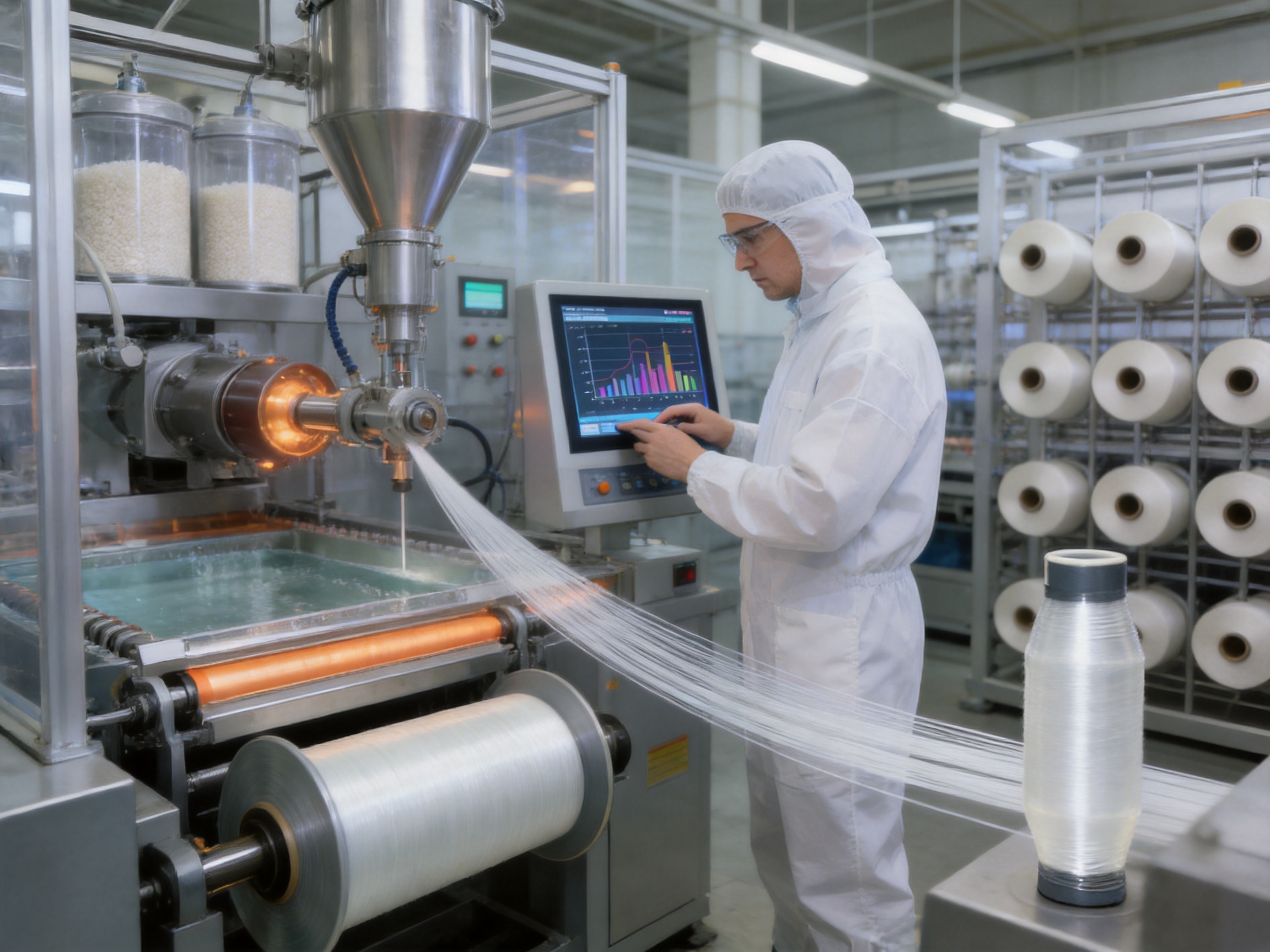
As a manufacturer of special and functional textile products, GC FIBER can support customers that require more than a standard catalog yarn. Its manufacturing strengths are relevant to projects involving new materials, environmentally responsible products, and application-specific performance targets.
Functional yarn development requires cooperation between polymer selection, extrusion engineering, textile processing, and end-use evaluation. A supplier with experience across these stages can help customers identify the most suitable count, diameter, surface condition, and mechanical profile.
For example, a yarn intended for teabag strings may prioritize clean handling, food-related compliance requirements, knot performance, and controlled dimensions. A yarn intended for agricultural netting may prioritize tensile strength, weather exposure, biodegradation timing, and soil-contact considerations. These applications should not automatically use the same specification.
Consistent extrusion is essential for technical monofilament. Important control points include resin moisture, melt temperature, melt pressure, spinneret condition, cooling uniformity, draw ratio, winding tension, and package appearance.
Quality systems may include visual inspection, diameter measurement, tensile testing, elongation testing, shrinkage evaluation, color assessment, and package testing. Depending on customer requirements, additional tests can be used to evaluate abrasion, UV exposure, thermal behavior, or biodegradation-related properties.
The supplied product information indicates that special production is available by order. This allows customers to discuss requirements that may not be satisfied by a single standard count. Customization may involve yarn size, color, package format, surface treatment, mechanical properties, or production quantity.
Custom development is especially valuable when a manufacturer is launching a new sustainable product. Instead of redesigning the product around a fixed yarn, the yarn supplier and product manufacturer can work together to balance performance, cost, processing conditions, and environmental objectives.
GC FIBER has operated as a special textile factory in China since 2006. Its product range includes biodegradable yarn, low melting yarn, ECDP yarn, anti-static yarn, HDPE yarn, bio-component yarn, and polyester filament yarn. This broader material background is useful because customers often need to compare several technical options before selecting the most appropriate fiber.
Experience with multiple functional yarn categories also supports practical problem solving. A customer may need a biodegradable component combined with a stronger conventional support yarn, a low-melting bonding fiber, or an anti-static element. Understanding the behavior of different fibers can help create more effective textile constructions.
New material projects frequently require sampling, trial production, performance feedback, and specification adjustment. A responsive manufacturer can help customers move through these stages more efficiently by discussing production conditions and end-use requirements at the beginning of the project.
For overseas customers, export logistics and communication are also important. The product information identifies Shanghai seaport as a shipping option. Clear packaging specifications, labeling, production lead times, sample arrangements, and shipping documents help reduce uncertainty during international procurement.
PLA monofilament yarn competes primarily with nylon, polyester, polypropylene, and other synthetic monofilaments. Each material has different advantages, and the correct choice depends on the application rather than on one universal performance ranking.
| Comparison Factor | PLA Monofilament | Conventional Synthetic Monofilament |
| Feedstock | Renewable plant-based raw materials | Generally fossil-based raw materials |
| End of life | Can biodegrade under suitable industrial composting conditions | Usually persists for long periods unless recycled or otherwise recovered |
| Heat resistance | Lower; careful temperature control is required | Often higher, depending on polymer type |
| Moisture behavior | Low moisture regain, but sensitive to hydrolysis under heat and moisture | Varies by polymer; some options have higher moisture sensitivity |
| Environmental positioning | Supports bio-based and compostable product strategies | Strong conventional performance but less favorable end-of-life profile |
| Cost | May be higher because of resin and production economics | Often lower due to mature supply chains and broad availability |
| Best application fit | Temporary, compostable, and sustainability-focused products | Long-life, high-temperature, or highly demanding applications |
Compared with nylon, PLA can offer a more favorable renewable-material profile and lower moisture regain, but nylon may provide higher toughness and better resistance in certain high-load applications. Compared with polyester, PLA offers a bio-based alternative and an industrial composting pathway, while polyester commonly provides greater heat resistance and more established dyeing systems. Compared with polypropylene, PLA may offer a stronger sustainability story, while polypropylene can be lighter and more economical.
The competitive advantage of PLA is therefore strongest when environmental performance, renewable sourcing, and controlled biodegradation are important purchasing criteria. It is not necessarily the best choice for high-temperature filtration, long-term heavy-duty outdoor structures, or applications exposed to severe hydrothermal conditions.
PLA monofilament can be incorporated into woven or knitted structures where a smooth, continuous strand and controlled stiffness are needed. It may be used alone or combined with other yarns to create special texture, support, dimensional stability, or environmental positioning.
Before full-scale production, textile manufacturers should evaluate needle compatibility, yarn tension, abrasion, heat generated by high-speed machinery, and the effect of finishing processes. Low-temperature dyeing and finishing methods may be preferable because PLA has a lower melting range than standard polyester.
The product information identifies teabags as an application. A monofilament string can provide a clean, firm connection between a teabag and its tag or handle. Its plant-based origin may appeal to brands developing compostable or environmentally responsible tea packaging.
For food-related use, the complete product must meet the applicable requirements for food contact, colorants, finishes, and processing aids. Compostability claims should also apply to the finished assembly, not only to the yarn in isolation.
PLA monofilament can be used in biodegradable filter mesh, flour-sifting screens, liquid filtration bags, and temporary filtration media. Its consistent diameter supports controlled mesh openings, while its continuous construction helps reduce loose fiber contamination.
The suitability of PLA for filtration depends on chemical compatibility, temperature, pressure, exposure duration, cleaning method, and required dimensional stability. It is especially relevant for short-cycle or disposable filtration tasks where the filtration component can be routed to an industrial composting system after use.
Agricultural applications are a promising area for biodegradable monofilament. Potential uses include crop support lines, trellising twines, greenhouse shading structures, biodegradable netting, and temporary erosion-control fabrics.
These products can reduce the labor associated with collecting and removing some support materials at the end of a growing cycle. However, the material must be selected according to crop duration and field conditions. If the yarn loses strength too quickly, it may fail before the crop no longer needs support. If it persists too long, it may not deliver the intended environmental benefit.
PLA monofilament can be evaluated for eco-oriented toothbrushes, brush bristles, and other products requiring a firm, smooth filament. Bristle performance depends on diameter, tapering, end treatment, stiffness, fatigue resistance, and exposure to water or cleaning agents.
For consumer products, the manufacturer should assess repeated bending, wet-dry cycling, surface comfort, microbial performance, and disposal conditions. PLA may be particularly suitable for products where a renewable-material story is important and the service environment is moderate.
Compostable packaging systems may use monofilament as string, twine, mesh, reinforcement, or closure components. The yarn can contribute strength and structure while supporting a more coordinated end-of-life strategy.
Packaging designers should verify that adhesives, inks, coatings, labels, and other components are compatible with the intended composting route. A compostable yarn cannot make a non-compostable package fully compostable by itself.
PLA monofilament may be used in erosion-control mesh and slope-stabilization fabrics designed to support vegetation during establishment. Once the plant root system becomes sufficiently developed, the temporary textile can gradually lose integrity under suitable environmental or managed conditions.
This application requires careful assessment of tensile retention, soil temperature, moisture, UV exposure, installation tension, and biodegradation timing. The objective is to match the service life of the textile with the development period of the vegetation.
Store PLA monofilament yarn in a cool, dry location away from direct sunlight. Packages should remain sealed until production whenever possible. Excessive humidity can contribute to hydrolysis during later heating, while prolonged UV exposure may affect the yarn before it reaches the customer’s manufacturing line.
Packages should be protected from dust, oil, crushing, and mechanical damage. Rolls should not be stacked in a way that creates excessive pressure on the outer layers. A stable storage temperature and first-in, first-out inventory system can help maintain consistent performance.
Where required by the resin and processing system, the yarn or resin should be dried according to the supplier’s technical recommendation. Drying temperature and duration must be controlled because overheating can damage PLA. The purpose of drying is to remove excess moisture without causing unnecessary thermal aging.
PLA has a lower melting range than many conventional textile polymers. Processing equipment should therefore be set to an appropriate temperature profile, and local overheating should be avoided. Excessive temperature or prolonged residence time can cause discoloration, molecular degradation, weak spots, or unstable melt flow.
Heat generated by high-speed friction, ultrasonic equipment, sealing processes, or downstream finishing should also be considered. A finished product may experience temperatures that are different from the yarn extrusion temperature, and all process stages should be evaluated together.
During weaving and knitting, excessive tension can cause breakage or permanent deformation, while insufficient tension can create irregular fabric construction. Machinery settings should be adjusted gradually using production samples. Guides, needles, rollers, and contact surfaces should be checked for sharp edges or excessive friction.
High-speed production should be validated through a controlled trial. The goal is to identify the highest reliable operating speed rather than assuming that a standard polyester setting will be suitable for PLA.
PLA can accept suitable disperse dyes or pigment masterbatching, but dye uptake, color depth, and fastness may differ from polyester. Lower-temperature dyeing methods may reduce the risk of thermal damage. The actual dyeing recipe should be established through laboratory trials because colorants and auxiliaries can affect strength, shrinkage, handle, and compostability claims.
For products where color is introduced during extrusion, pigment dispersion must be uniform. Masterbatch compatibility, dosage, melt stability, and filtration behavior should be evaluated before commercial production.
PLA biodegradable monofilament yarn can contribute to a lower-impact product strategy, but sustainability claims must be specific and technically accurate. The most reliable communication identifies the material as bio-based, explains the applicable composting conditions, and states whether the finished product has been tested or certified.
ASTM D6400 is commonly referenced for compostability requirements in North America, while EN 13432 is widely used in Europe for compostable packaging and related materials. These standards address requirements such as disintegration, biodegradation, ecotoxicity, and material composition under controlled industrial composting conditions.
Testing of the yarn alone may not be sufficient for a finished product. Coatings, dyes, adhesives, labels, metal components, and mixed fibers can change the result. A complete product assessment is recommended whenever a manufacturer intends to make a formal compostability claim.
It is also important to distinguish bio-based content from biodegradability. A material may be produced partly or wholly from renewable feedstocks without being compostable. Conversely, a biodegradable material may not be made from renewable resources. PLA monofilament can offer both bio-based sourcing and industrial compostability potential, but each claim should be supported separately.
Before placing an order, buyers should provide as much application information as possible. Important factors include the required count or diameter, finished product construction, operating temperature, expected service life, mechanical load, outdoor exposure, dyeing method, contact with chemicals or water, and end-of-life route.
| Buyer Requirement | Recommended Discussion Point |
| Textile construction | Confirm whether the yarn will be woven, knitted, knotted, braided, or used as a loose strand. |
| Mechanical performance | Define tensile strength, elongation, stiffness, abrasion, and knot-strength expectations. |
| Environmental exposure | Identify sunlight, moisture, soil contact, temperature, and expected outdoor duration. |
| Thermal processing | Review dyeing, heat setting, sealing, coating, and finishing temperatures. |
| End-of-life objective | Confirm access to an industrial composting facility and the required certification route. |
| Package format | Specify cone, reel, tube, winding direction, length, and labeling requirements. |
| Custom development | Discuss count, color, surface finish, additives, and trial quantity by order. |
Sampling is strongly recommended before large-scale purchasing. A representative sample should be processed on the customer’s actual equipment, followed by inspection of breaks, tension variation, fabric appearance, dimensional stability, and finished-product performance.
It is generally intended for industrial composting rather than ordinary home composting. Industrial facilities maintain higher and more consistent temperatures, humidity, oxygen levels, and microbial activity. Home composting conditions vary widely and may not provide the environment needed for timely decomposition.
Degradation in soil depends on temperature, moisture, microbial activity, strand diameter, crystallinity, and exposure time. The yarn should not be described as guaranteed to disappear quickly in every soil environment. If soil incorporation is part of the product concept, the finished article should be tested under representative conditions.
No. PLA is best used where its bio-based origin, compostability potential, moderate strength, low moisture regain, and controlled service life are valuable. Nylon or polyester may remain more suitable for high-temperature, long-term, highly abrasive, or extremely high-load applications.
30D is identified as an available count. Other specifications may be developed by order according to the customer’s application, equipment, volume, and performance requirements.
Yes, suitable disperse dyes or pigment masterbatching can be considered. Dyeing conditions may differ from those used for polyester because PLA has a lower heat tolerance and different dye affinity. Laboratory trials should confirm color depth, fastness, strength retention, and the effect on compostability requirements.
It can be suitable for temporary or seasonal applications such as crop support, trellising, greenhouse structures, and erosion-control fabrics. The design must match the yarn’s strength-retention period with the crop cycle or environmental project schedule. UV, moisture, and soil exposure testing are recommended.
The product information identifies anti-bacterial performance as a feature. The level of activity depends on the material formulation and test method. For regulated anti-bacterial claims, the finished yarn or product should be evaluated by an appropriate laboratory against the relevant standard.
Store it in a cool, dry place away from direct sunlight and excessive humidity. Keep packages sealed until use, protect them from crushing and contamination, and follow any drying or conditioning instructions provided for the specific grade.
Yes, potential applications include biodegradable filter mesh, flour-sifting screens, liquid filtration bags, and temporary filtration media. The required chemical resistance, pressure resistance, operating temperature, mesh opening, and service life must be confirmed before selection.
A purchase inquiry should include the intended application, yarn count or diameter, color, estimated quantity, package format, processing method, required mechanical properties, environmental exposure, delivery location, and any certification or compliance requirements.
Material selection is only one part of a successful sustainable textile project. The supplier must also be able to manufacture the yarn consistently, provide technical information, support sampling, and respond to changes in the customer’s requirements.
An experienced functional yarn manufacturer understands that a product’s performance is determined by the interaction between polymer, extrusion conditions, textile machinery, finishing processes, and final use. This broader perspective can reduce trial-and-error during development and help customers avoid selecting a yarn based only on a general sustainability claim.
GC FIBER’s product portfolio covers several special and functional yarn categories. This gives customers access to a manufacturer familiar with biodegradable, low-melting, anti-static, bio-component, HDPE, ECDP, and polyester filament technologies. Such breadth can be useful when a project requires blended constructions, alternative materials, or a comparison between environmental and performance priorities.
The company also cooperates with customers to develop new materials. This is particularly relevant for PLA monofilament projects because each application may require a different compromise between stiffness, elongation, diameter, color, thermal behavior, weatherability, and degradation timing.
Located in Haian, Jiangsu Province, China, the company can support domestic and international supply requirements, with Shanghai seaport identified as a shipping option. Its experience since 2006 provides a foundation for production planning, quality management, export communication, and long-term customer cooperation.
PLA biodegradable monofilament yarn is a practical material solution for manufacturers seeking a continuous filament made from renewable resources. Its main advantages include a plant-based polymer origin, industrial compostability potential, smooth monofilament construction, low moisture regain, useful tensile performance, controlled stiffness, lower-temperature processing opportunities, and suitability for specialized applications.
The yarn is particularly competitive in temporary agricultural textiles, biodegradable filtration, teabag strings, compostable packaging components, technical mesh, erosion-control fabrics, specialty brushes, and sustainable woven or knitted products. In these markets, the material can offer an environmental advantage over conventional nylon and polyester while retaining the basic handling and structural characteristics required for production.
Its limitations are equally important. PLA has a lower melting range than many conventional synthetic fibers, and its performance can be affected by heat, moisture, hydrolysis, UV exposure, and long-term mechanical stress. Industrial compostability should not be presented as home compostability or unrestricted natural degradation. Proper testing, storage, processing, and disposal planning are essential.
Through controlled resin preparation, precision melt extrusion, diameter monitoring, drawing, heat treatment, surface finishing, and uniform winding, a specialized manufacturer can transform PLA resin into a dependable technical yarn. GC FIBER combines this manufacturing approach with experience in functional textile products, custom production by order, and customer-oriented material development.
For companies planning a new environmentally responsible product, the best starting point is an application-specific discussion covering performance, processing, service life, certification, and end-of-life requirements. With the right design and manufacturing controls, PLA biodegradable monofilament yarn can help create technical textiles that are both functional during use and more responsible after use.
ASTM International. ASTM D6400: Standard Specification for Labeling of Plastics Designed to Be Aerobically Composted in Municipal or Industrial Facilities.
European Committee for Standardization. EN 13432: Packaging—Requirements for Packaging Recoverable Through Composting and Biodegradation.
NatureWorks. Technical Literature on Polylactic Acid Polymer Processing, Moisture Management, and Compostability.
International Organization for Standardization. ISO 139: Textiles—Standard Atmospheres for Conditioning and Testing.
International Organization for Standardization. ISO 2062: Textiles—Yarns from Packages—Determination of Single-End Breaking Force and Elongation at Break.
International Organization for Standardization. ISO 5077: Textiles—Determination of Dimensional Change in Washing and Drying.
European Bioplastics. Technical Guidance on Industrial Compostability and Bio-Based Plastics.
General technical literature concerning polylactic acid fiber extrusion, molecular orientation, hydrolysis, thermal behavior, and textile applications.
It is made with Bio-base PLA, fully biodegradable Feature: 1. Industrial compost product 2. Made with PLA 3. Eco-frie...
READ MOREPlease fill out the form below and our team will contact you as soon as possible.
Addres: No.66 Qiaogang Road, Haian, Nantong City, Jiangsu Province, China
E-mail: service@gcfiber.com admin@gcfiber.com
Copyright ? GC FIBER All Rights Reserved. Eco-Friendly Textile Products Manufacturer Biodegradable Yarn Company