English
 中文简体
中文简体It is made with Bio-base PLA, fully biodegradable Feature: 1. Industrial compost product 2. Made with PLA 3. Eco-frie...
READ MORE
Content
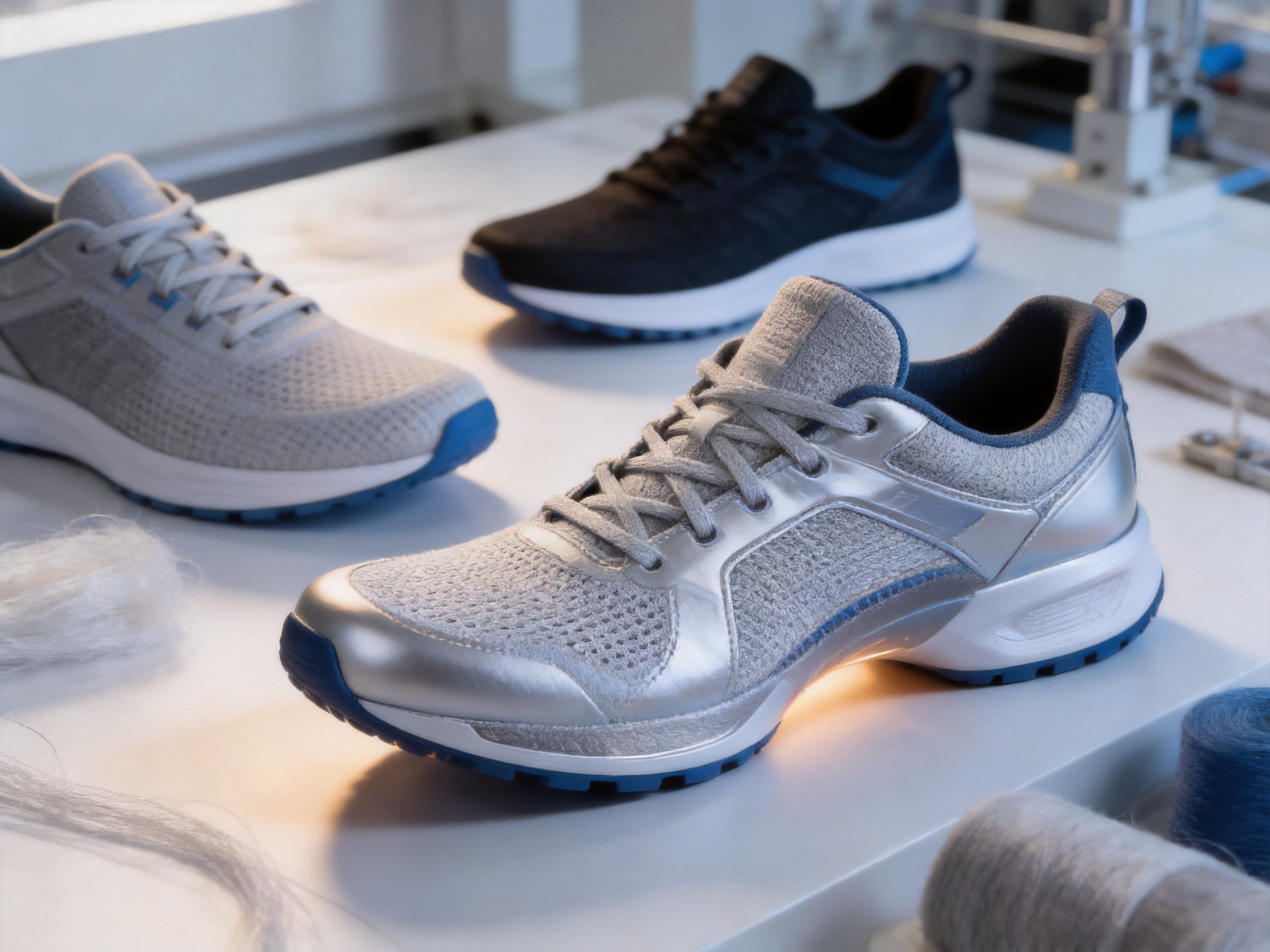
Modern footwear manufacturing demands materials that combine strength, processing efficiency, design flexibility, and reliable bonding performance. Shoe uppers must be lightweight enough for wearer comfort, strong enough to withstand repeated movement, stable enough to retain their shape, and adaptable enough to support increasingly complex visual and structural designs. At the same time, manufacturers are under pressure to shorten production cycles, reduce material waste, limit adhesive consumption, and work with heat-sensitive fabrics that cannot tolerate conventional high-temperature processing.
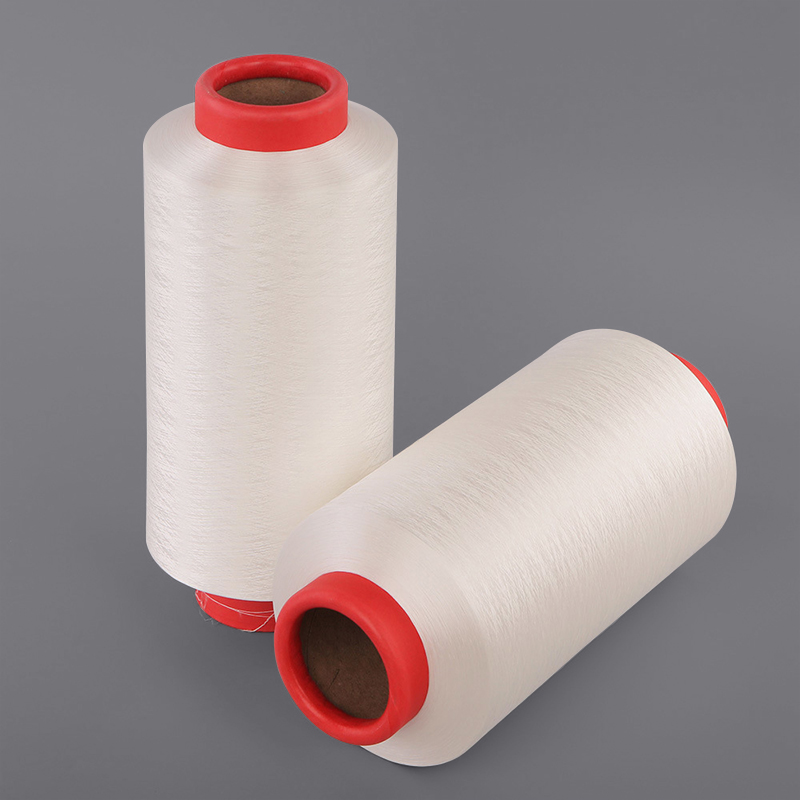
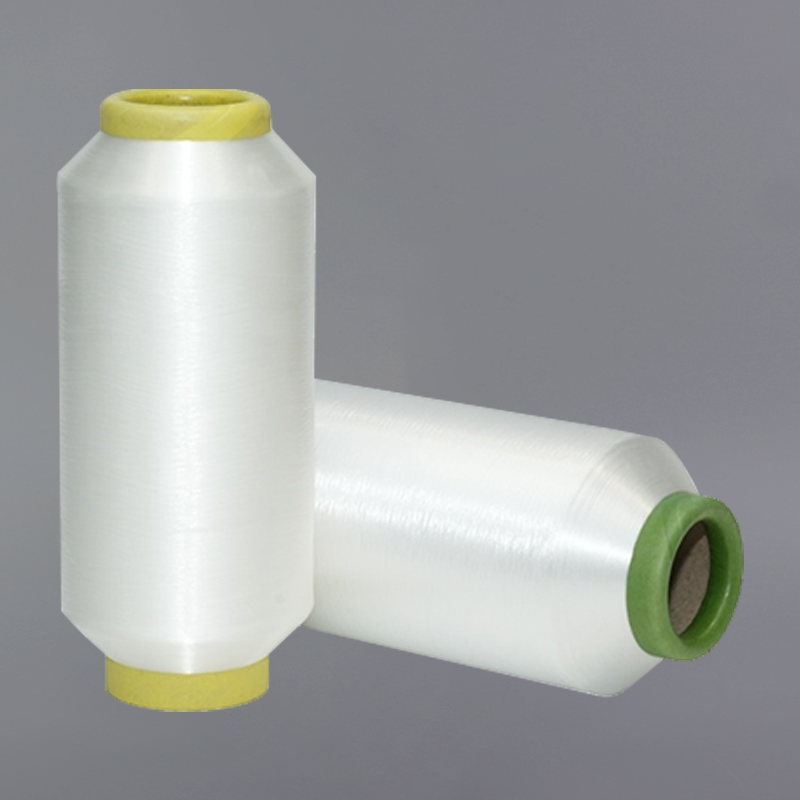
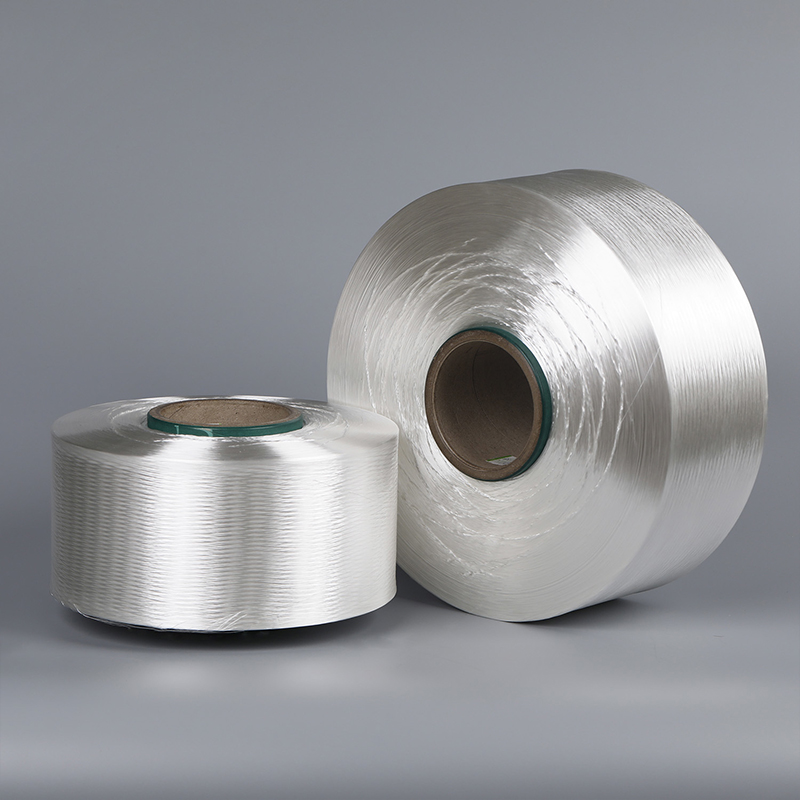
Polyester Low Melting Yarn For Shoes Upper is developed to address these requirements in one functional textile solution. Designed with high tenacity, smooth rewinding performance, and an approximately 110-degree Celsius activation temperature, the yarn serves as a dependable bonding and reinforcement component for footwear upper construction. It can be incorporated into textile layers that require controlled thermal bonding during heat pressing, lamination, molding, or related assembly operations.
The product combines the familiar strength and durability of polyester with a carefully engineered low-melting profile. Unlike standard polyester materials that require substantially higher temperatures to melt, this yarn activates within a processing range suitable for many synthetic meshes, knitted textiles, coated fabrics, linings, and nonwoven structures used in modern footwear. This lower activation temperature helps manufacturers protect delicate components while achieving a consistent and secure bond.
Produced by a company with experience in special and functional textile development since 2006, the yarn reflects a manufacturing approach centered on technical research, controlled production, and customer-specific development. Available in 150D and with other counts available by selection or order, it provides a practical foundation for footwear producers seeking a specialized low-temperature bonding yarn.
Polyester Low Melting Yarn For Shoes Upper is a functional polyester filament yarn intended primarily for footwear upper applications. Its core purpose is to create a controlled bonding effect when exposed to an appropriate heat-pressing or thermal activation process. Once the yarn reaches its designed activation temperature, it softens and forms a bonding interface with adjacent textile materials. After cooling, the bonded area contributes to the stability and integrity of the assembled upper.
The yarn is especially suitable for constructions in which two or more layers must be joined without relying exclusively on liquid adhesives. It may be used in textile laminations, structural reinforcement zones, lining attachment, mesh stabilization, and other upper components where an integrated bonding element is required. Depending on the textile structure and production conditions, the yarn can be woven, knitted, stitched, placed between layers, or combined with other yarns to achieve the desired construction.
The principal product specification identified for this range is 150D. Other counts can be selected according to the required fabric construction, bonding density, strength target, and processing method. Special production by order allows the material to be adapted to different technical requirements, which is important because footwear uppers vary considerably in thickness, fiber composition, stretch, construction, and intended use.
| Product Item | Specification or Characteristic | Application Value |
|---|---|---|
| Product type | Polyester low-melting filament yarn | Provides a thermal bonding function within textile assemblies |
| Primary application | Shoe upper production | Supports lamination, reinforcement, and lining attachment |
| Available count | 150D; other counts available by choice or order | Allows adjustment for different fabric constructions |
| Approximate activation temperature | 110 degrees Celsius | Suitable for controlled low-temperature bonding processes |
| Mechanical feature | High tenacity | Helps resist breakage during processing and use |
| Handling feature | Easy rewind and smooth unwinding | Supports continuous feeding on production equipment |
| Manufacturing flexibility | Special production by order | Enables development for specific customer requirements |
| Shipping point | Shanghai seaport | Provides a practical export logistics option |
A shoe upper is rarely made from one material alone. Athletic and casual footwear may combine mesh, knitted fabric, coated textile, synthetic leather, lining, reinforcement film, foam, nonwoven components, and decorative structures. These layers must be connected in a way that preserves flexibility, appearance, breathability, and dimensional stability.
Traditional adhesive systems can perform this function, but they may introduce additional process steps, solvent management requirements, uneven application risks, or concerns regarding appearance and environmental impact. Conventional polyester bonding materials can also require high temperatures that may distort or damage sensitive upper components. A low-melting yarn offers another approach: the bonding function is incorporated directly into the textile structure and activated only when needed.
At approximately 110 degrees Celsius, the yarn is designed to activate within a comparatively moderate thermal range. This is significantly below the approximate melting temperature associated with standard polyester, often cited at around 260 degrees Celsius depending on polymer type and testing conditions. The lower activation point is valuable because many upper materials are engineered for flexibility and light weight rather than high-temperature resistance.
When the thermal process is properly controlled, the yarn softens and bonds to neighboring layers without exposing the whole assembly to the extreme temperatures that would be required to melt ordinary polyester. This gives manufacturers a wider selection of compatible materials and reduces the likelihood of scorching, discoloration, shrinkage, surface deformation, or loss of softness.
The low-melting design also supports process simplification. Instead of applying a separate adhesive film or liquid bonding agent to every required area, manufacturers can integrate the yarn into the relevant textile layer. During heat pressing, the yarn becomes active and contributes to the connection between materials. This can reduce handling operations and create a more organized production route.
High tenacity is one of the most important characteristics of a yarn used in industrial footwear production. During winding, warping, knitting, weaving, stitching, and fabric assembly, the yarn may experience repeated tension, friction, bending, and acceleration. If the yarn breaks easily, production lines can suffer from stoppages, defects, operator intervention, and increased waste.
The high-tenacity design of this low-melting yarn helps it maintain structural integrity during normal processing conditions. It is intended to withstand the tension associated with high-speed feeding and textile formation, making it suitable for industrial production environments rather than only small-scale or manual operations.
For shoe upper manufacturers, high tenacity provides several practical benefits. First, it helps reduce the frequency of yarn breaks during fabric production. Second, it supports more consistent stitch or textile density, which can improve the uniformity of the finished upper. Third, it contributes to better handling when the yarn is integrated into reinforcement areas or bonding zones that experience mechanical stress before thermal activation.
High tenacity is also relevant after bonding. A shoe upper must endure flexing, pulling, abrasion, and repeated deformation during assembly and use. Although the final performance depends on the complete material system and the bonding process, a strong yarn provides a dependable foundation before and during activation. The yarn can help maintain the intended position of textile layers until the heat-pressing stage is completed.
Compared with low-quality alternatives that may be optimized only for low-temperature melting, a product that combines thermal response with mechanical strength offers a more balanced solution. A low melting point alone is not enough if the yarn is difficult to process, breaks under tension, or creates unstable fabric structures. The combination of high tenacity and controlled melting is therefore a key advantage for production reliability.
Industrial textile production depends not only on the chemical and physical properties of a yarn but also on how consistently the yarn can be unwound. Poor winding quality may cause loops, tangles, uneven tension, snags, and irregular feeding. These issues can interrupt automated equipment and reduce the effective output of a production line.
Polyester Low Melting Yarn For Shoes Upper is designed for easy rewind and smooth unwinding. The yarn is wound with attention to tension consistency and package formation so that it can be fed into equipment in a stable manner. This characteristic supports both automated and manual operations.
During continuous production, smooth unwinding reduces the need for frequent operator intervention. It helps the yarn travel through guides, tension devices, needles, and other components without unnecessary resistance. More consistent feeding can improve the regularity of the resulting textile structure and reduce defects associated with uneven delivery.
Easy rewind also contributes to better material utilization. When a package unwinds cleanly, less yarn is lost through tangling or emergency cutting. Bobbin changes can be managed more efficiently, and the production line can maintain a steadier rhythm. These benefits may appear small during one operation, but they become significant across large-volume footwear orders.
For manufacturers comparing low-melting yarns, rewind performance deserves the same attention as melting temperature and tensile strength. A yarn with an appropriate activation point but poor package quality may create more operating costs than it saves. The combination of low-temperature bonding, high tenacity, and easy rewind makes this product more suitable for practical manufacturing conditions.
The approximately 110-degree Celsius activation point is the defining functional feature of this product. It is engineered to create a bonding response at a temperature compatible with many materials used in shoe upper production. The exact process window should be established through testing because actual bonding performance depends on press temperature, dwell time, pressure, fabric composition, yarn placement, and equipment configuration.
A controlled low activation temperature gives manufacturers greater flexibility when working with heat-sensitive components. Synthetic mesh, stretch knit, TPU-coated textile, lightweight lining, and certain nonwoven structures may lose their appearance or mechanical properties when exposed to excessive heat. A moderate activation temperature helps reduce this risk when the process is properly designed.
The yarn can be used as part of a heat-pressing process in which the upper layers are placed in a controlled arrangement and exposed to heat and pressure. As the temperature reaches the activation range, the low-melting component softens and flows sufficiently to establish contact with adjacent materials. When the assembly cools, the bonded structure becomes more stable.
The process can be adjusted according to the desired result. A short dwell time may be suitable for thin materials, while thicker structures may require a longer exposure or different pressure. Similarly, the amount and distribution of low-melting yarn can be modified to create localized reinforcement rather than bonding the entire surface. This allows manufacturers to balance strength, breathability, flexibility, and weight.
The 110-degree Celsius profile also provides a practical alternative to high-temperature bonding materials. Standard polyester generally requires much greater heat to melt, and applying such temperatures to a complete upper may lead to deformation or damage. The lower activation range allows the bonding element to perform its function without demanding that all surrounding materials tolerate conventional polyester melting temperatures.
One of the primary uses of the yarn is the lamination of textile layers. Shoe uppers often require a combination of outer fabric, support textile, lining, or reinforcement layer. The low-melting yarn can be incorporated into one of the layers or positioned between them so that heat and pressure create a stable connection.
Compared with a separately applied adhesive, a yarn-based bonding method can provide more controlled placement. Bonding can be concentrated in selected areas, leaving other zones open for ventilation or flexibility. This is especially useful in athletic footwear, where the upper must provide support while still allowing air movement and natural foot articulation.
Footwear designers frequently reinforce areas such as the toe box, heel counter, eyestay, sidewall, and quarter panel. The yarn can help stabilize these areas by bonding textile layers together or supporting a shaped structure during molding. The precise result depends on the construction, but the yarn provides a flexible tool for adding localized stability without necessarily using a thick reinforcement sheet.
Linings must remain correctly positioned within the upper during stitching, shaping, and final assembly. A low-melting yarn can help secure lining materials to outer textile components during a thermal bonding step. This may reduce movement between layers and contribute to a cleaner internal finish.
Lightweight mesh and knitted uppers are widely used in running shoes, training shoes, and casual footwear. These structures are comfortable and breathable but may require support in selected areas. A low-melting yarn can be used to connect reinforcement zones to the base textile while preserving the open or flexible character of the surrounding material.
The yarn is suitable for processes in which textile layers are shaped or joined under heat and pressure. It can contribute to a more integrated upper structure by forming bonds during the same general stage in which the components are pressed or molded. This supports production efficiency and may reduce the need for separate adhesive application.
Although shoe uppers are the primary target application, the yarn may also be considered for sportswear laminations, structured textile components, and other products requiring a controlled low-temperature bonding profile. Any related use should be confirmed through trials because fabric composition, pressure, and temperature tolerance vary between applications.
Polyester Low Melting Yarn For Shoes Upper
The first advantage is lower processing temperature. Conventional polyester bonding materials may require temperatures close to the melting range of standard polyester, while this product is designed to activate at approximately 110 degrees Celsius. This difference can be important when assembling fabrics that are sensitive to heat.
The second advantage is process integration. The yarn can be incorporated into a textile structure instead of being applied as a separate liquid or sheet adhesive. This may reduce the number of production stages and simplify material handling. It can also help place the bonding function exactly where it is required.
The third advantage is mechanical reliability before activation. Because the product is a high-tenacity yarn, it can be processed through textile equipment and handled during assembly with a lower risk of premature failure than a fragile low-melting material.
The fourth advantage is operational convenience. Easy rewind supports consistent feeding, which is particularly valuable for high-speed production. A yarn that feeds smoothly can help reduce unplanned interruptions and maintain more stable output.
The fifth advantage is design flexibility. Different shoe types require different combinations of softness, support, stretch, breathability, and shape retention. The yarn can be used in selected areas, combined with different textile structures, and produced in alternative counts by order. This provides more flexibility than a one-size-fits-all bonding material.
The sixth advantage is the potential reduction of chemical adhesive use. Because the yarn itself supplies the bonding function when activated, manufacturers may be able to reduce dependence on certain additional adhesive products. This can simplify handling and support cleaner production practices, subject to the requirements of the specific construction.
| Comparison Factor | Polyester Low-Melting Yarn | Conventional High-Temperature Polyester Bonding Material | Separately Applied Liquid Adhesive |
|---|---|---|---|
| Activation approach | Thermal activation at approximately 110 degrees Celsius | Requires substantially higher temperature | May require drying, curing, or solvent management |
| Integration into textile | Can be woven, knitted, stitched, or positioned within layers | May need special high-temperature processing | Applied as a separate coating or layer |
| Suitability for heat-sensitive fabrics | Generally more suitable when process conditions are controlled | Higher risk of heat-related distortion | Depends on adhesive chemistry and drying conditions |
| Mechanical handling | High tenacity and easy rewind | Varies by product | Not applicable as a yarn |
| Placement control | Can be localized in selected structural zones | Depends on material format | May require accurate coating or dispensing equipment |
| Production flexibility | Available in 150D and other counts by order | Often limited to standard specifications | Viscosity and application methods may limit control |
This comparison does not mean that one bonding method is appropriate for every footwear product. Each manufacturer should validate the most suitable option through material testing and production trials. However, the low-melting yarn offers a strong combination of properties for manufacturers seeking a textile-integrated, low-temperature bonding solution.
In running shoes, weight reduction and breathability are central design objectives. The yarn can help reinforce or connect lightweight mesh structures without requiring a heavy, continuous support layer. Localized bonding can maintain selected support zones while allowing open areas to remain flexible and breathable.
In casual shoes, appearance and comfort are often equally important. The yarn can assist in bonding linings, stabilizing textile panels, and supporting decorative constructions. Its moderate activation temperature may help protect the visual quality of the outer textile when the thermal process is properly controlled.
In professional sports footwear, the upper must withstand greater mechanical demands. High tenacity helps the yarn remain stable during production, while its bonding function can support structural areas that require additional dimensional control. The final performance depends on the complete footwear design, but the yarn can serve as a useful component in a multi-material upper system.
In lightweight fashion footwear, designers may seek unusual combinations of knit, mesh, film, and textile. A low-melting yarn provides a way to connect these materials without relying exclusively on traditional stitching or high-temperature methods. This expands the possibilities for three-dimensional and hybrid upper designs.
The manufacturing of a functional low-melting yarn requires more than the production of an ordinary polyester filament. The polymer composition, spinning conditions, filament formation, drawing process, winding tension, and package quality must work together to achieve the intended balance of strength and thermal response.
High-quality polyester-based raw materials provide the foundation for consistent yarn performance. Material selection influences tenacity, elongation, thermal behavior, surface characteristics, and compatibility with downstream textile processes. For a low-melting product, the composition must be controlled carefully so that the yarn activates within the intended temperature range while retaining enough strength for handling.
The low-melting behavior is created through a specialized formulation or component design rather than by simply lowering the processing temperature of ordinary polyester. The formulation must allow thermal activation at approximately 110 degrees Celsius while maintaining the yarn's usability during winding, transport, knitting, weaving, and assembly.
Where a bicomponent or modified-polymer structure is used, the relationship between the components must be controlled to achieve a reliable melting profile. The exact construction may be selected according to the required bonding effect, mechanical performance, and application. This technical balance is one of the reasons specialized low-melting yarn manufacturing requires dedicated experience.
During spinning, polymer flow, temperature, pressure, and cooling conditions affect filament uniformity. Consistent filament formation helps produce a yarn with stable linear density and predictable processing behavior. Irregularities at this stage can later appear as uneven tension, weak points, or inconsistent bonding performance.
Drawing aligns the molecular structure of the polyester filament and contributes to tensile performance. The process must be optimized so that the yarn develops sufficient tenacity without compromising the desired thermal response. Excessive orientation could affect melting behavior, while insufficient orientation could reduce strength and handling stability.
Winding is critical to easy rewind performance. The yarn must be placed on the package at suitable tension and with a uniform arrangement. A well-formed package unwinds smoothly and reduces the risk of tangling or irregular delivery. Winding quality is especially important when the yarn is used on automated textile equipment.
Functional yarn production should include inspection of count, appearance, tenacity, elongation, winding quality, and thermal activation behavior. Depending on the customer's requirements, testing may also evaluate shrinkage, bonding strength, compatibility with selected fabrics, and performance after repeated flexing.
Quality assurance is not limited to laboratory measurements. Production trials can reveal how the yarn behaves under actual machine speed, tension, temperature, pressure, and dwell-time conditions. A technically suitable yarn must also be practical on the customer's equipment. This is why communication between the manufacturer and footwear producer is important during product selection and development.
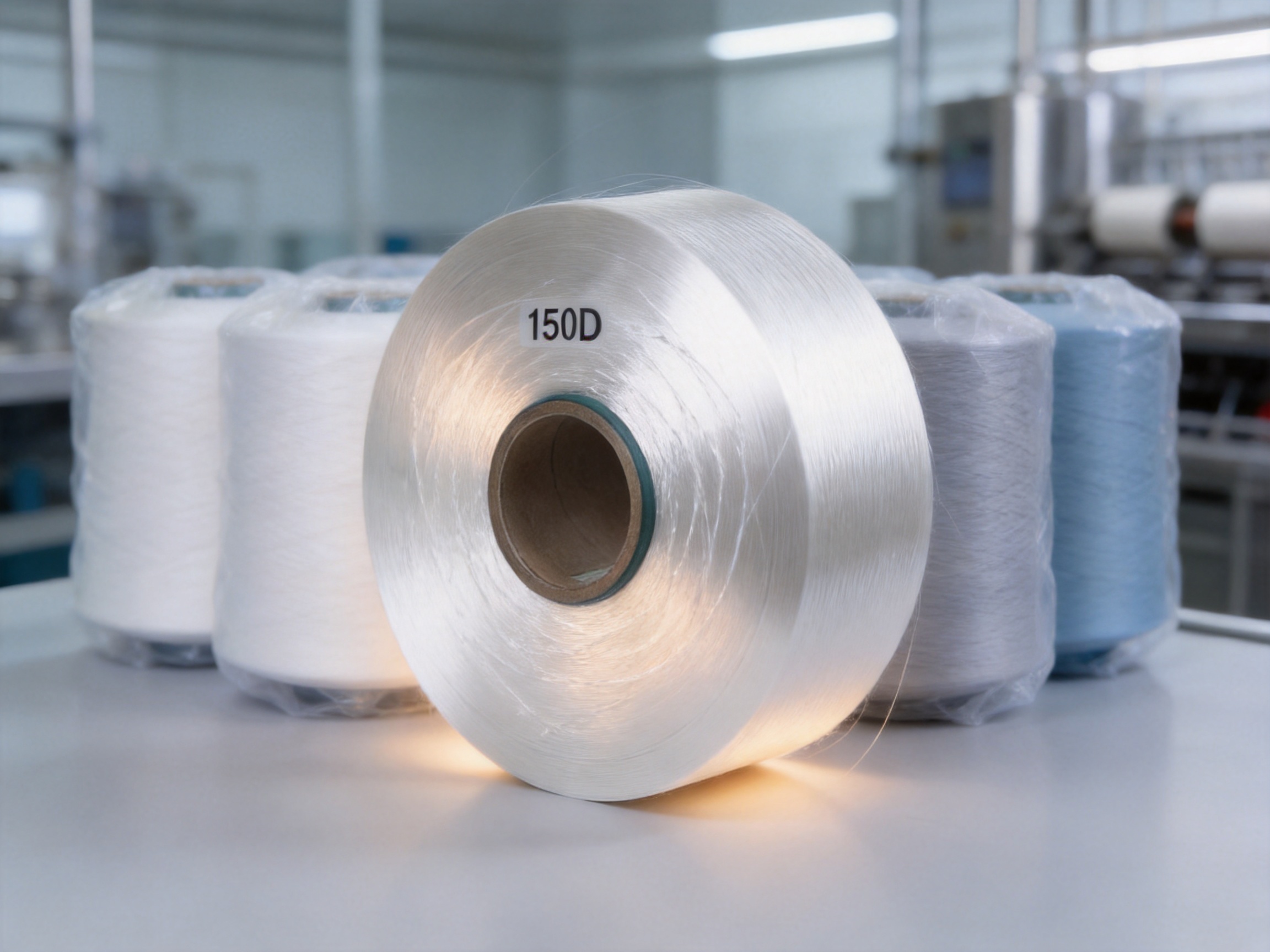
The manufacturer behind this product has specialized in special and functional textiles since 2006. Its product portfolio includes biodegradable yarn, low-melting yarn, ECDP yarn, anti-static yarn, HDPE yarn, bio-component yarn, and polyester filament yarn. This range demonstrates experience across several areas of functional fiber and yarn technology.
A broad product portfolio can strengthen low-melting yarn development because knowledge gained from one functional category may support innovation in another. Experience with polyester filament formation, specialty polymer behavior, environmental materials, and performance-oriented yarns creates a technical base for solving different customer requirements.
The company maintains a research and development team consisting of industry experts and senior engineers. Their role is to explore new materials, improve existing formulations, and develop products suited to changing market expectations. For footwear customers, this technical capability is valuable because upper constructions continue to evolve rapidly.
Manufacturers increasingly require yarns that are not only strong and processable but also lighter, cleaner, more adaptable, and compatible with automated production. A research-oriented supplier can help translate these requirements into practical yarn specifications, including alternative counts, modified thermal profiles, and specialized bonding behavior.
Customer cooperation is another important strength. Special production by order allows the product to be considered for applications that do not fit a standard specification. By reviewing the customer's material combination and production process, the manufacturer can work toward a solution that is better matched to the end use than a generic low-melting yarn.
Environmental performance in textile manufacturing depends on the complete production system, including raw materials, energy use, processing chemicals, waste management, product durability, and end-of-life treatment. A low-melting yarn can contribute to more efficient production by reducing the temperature required for thermal bonding compared with high-temperature alternatives.
Lower processing temperatures may help reduce energy demand during heat pressing, although actual savings depend on machinery, cycle time, pressure, production volume, and factory conditions. The yarn may also reduce the need for some chemical adhesives, which can simplify chemical handling and reduce associated process steps.
The product supports a more integrated textile approach because the bonding element is supplied as yarn. This can reduce the need to apply separate adhesive layers across large surfaces. In some designs, localized yarn placement can provide bonding only where required, which may help limit material consumption and preserve fabric flexibility.
Durability is also an environmental consideration. A well-designed upper that maintains its structure during use can reduce premature product failure. High tenacity, stable bonding, and controlled processing all contribute to the possibility of producing durable footwear, although final durability must be verified through complete shoe testing.
The manufacturer also develops biodegradable yarn, bio-component yarn, and other eco-friendly textile products. This broader direction indicates an ongoing interest in more sustainable material solutions. While the low-melting yarn should be evaluated according to its own composition and recycling pathway, its reduced-temperature processing profile and potential to reduce separate adhesive use make it relevant to manufacturers seeking improved production efficiency.
Before full-scale production, manufacturers should conduct a material compatibility test using the exact fabrics, coatings, linings, and reinforcement components intended for the final upper. Different textiles may respond differently to heat and pressure, even when they appear similar.
The first trial should establish the temperature range around the approximately 110-degree Celsius activation point. The stated activation temperature should be treated as a product guideline rather than a universal machine setting. Equipment temperature, actual surface temperature, pressure, and dwell time may differ, so the process should be confirmed using the customer's own machinery.
The second trial should evaluate pressure and dwell time. Excessive pressure may flatten a textured fabric or reduce breathability, while insufficient pressure may prevent complete contact between layers. Similarly, too little dwell time may produce incomplete bonding, whereas excessive exposure may affect the appearance or hand feel of heat-sensitive materials.
The third trial should evaluate yarn placement and density. A dense arrangement can provide stronger bonding but may increase stiffness. A more open arrangement may preserve flexibility and air permeability but may not provide enough structural support. The best balance depends on the design requirements of the particular shoe.
The fourth trial should evaluate mechanical performance. Bonded samples should be checked for peel strength, tensile stability, flex resistance, abrasion behavior, washing or moisture exposure where relevant, and dimensional change. The final test program should reflect the intended footwear category and use conditions.
Manufacturers should also consider the compatibility of the yarn with needles, guides, tensioners, and other machine components. Easy rewind supports smooth feeding, but machine settings still influence the result. Correct tension control and package handling will help preserve the yarn's advantages during production.
Linear density testing confirms whether the yarn meets the selected count, such as 150D. Consistent count is important because it affects fabric weight, coverage, bonding density, and final product appearance.
Tenacity and elongation testing help determine whether the yarn can withstand the intended processing conditions. High tenacity is particularly important when the yarn is used in textile formation or must remain stable before heat activation.
Thermal testing evaluates the yarn's softening or activation behavior. A controlled test can identify the temperature at which bonding begins, the effective processing window, and the effect of dwell time. Because different test methods may produce different values, manufacturers should use an agreed testing procedure when comparing suppliers.
Winding and unwinding tests evaluate package quality and feeding consistency. These tests may include continuous unwinding at production-relevant speed, observation of tension variation, and inspection for loops or tangles.
Bonding tests should be conducted with the actual upper materials whenever possible. A yarn may perform differently with a polyester mesh, a TPU-coated fabric, a stretch knit, or a nonwoven lining. Testing the complete material combination provides more useful information than testing the yarn in isolation.
Finished upper testing may include peel resistance, flexing, abrasion, dimensional stability, appearance retention, and comfort evaluation. These tests help confirm that the low-melting yarn contributes to the intended product performance without making the upper excessively stiff or visually inconsistent.
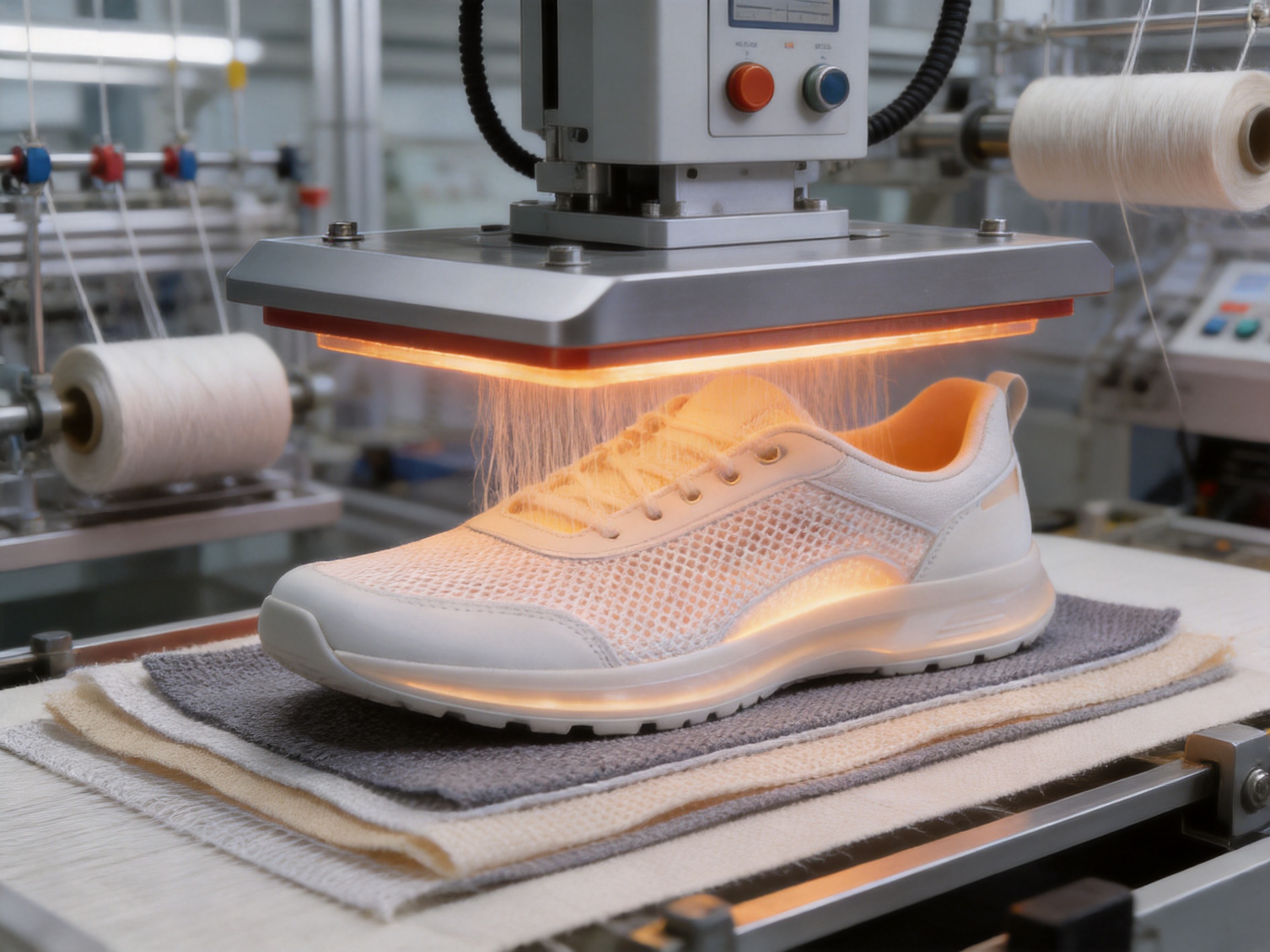
The product is available in the 150D specification, while all counts are available for choice according to customer requirements. This is useful for manufacturers operating several upper platforms or producing shoes with different structural needs. A lighter or heavier count may be selected depending on bonding strength, fabric weight, machine compatibility, and design objectives.
Special production by order supports customers who need a particular combination of thermal behavior, mechanical performance, color, package format, or textile compatibility. Customization should be discussed at the beginning of the development process so that the required specifications can be reviewed, sampled, tested, and confirmed before mass production.
The company's location in Haian, Nantong City, Jiangsu Province, provides access to China's developed textile manufacturing network. Export shipments can be arranged through Shanghai seaport, offering a practical logistics channel for international customers. Reliable logistics coordination is important for footwear manufacturers working with seasonal launches, planned production windows, and international supply chains.
Technical communication is equally important. Customers should provide information about the upper material, machine type, target bonding temperature, pressure, dwell time, expected output, and performance requirements. With this information, the supplier can recommend a suitable count and help establish a more effective trial procedure.
Footwear producers compete on cost, quality, speed, comfort, appearance, and product differentiation. A functional yarn that improves several stages of the upper-making process can contribute to a stronger overall manufacturing position.
High tenacity can reduce interruptions related to yarn breakage. Easy rewind can support continuous operation and improve machine utilization. Low-temperature activation can protect sensitive materials and reduce the risk of rejected uppers caused by heat damage. Textile-integrated bonding can simplify assembly and support new design concepts.
These advantages can also shorten development cycles. Designers can experiment with different combinations of mesh, knit, lining, and reinforcement without being limited to conventional stitching or high-temperature bonding. Once an appropriate yarn placement and press process are established, the same concept can potentially be adapted across multiple footwear styles.
Compared with a generic low-melting yarn, a product developed specifically for shoe upper applications offers a more focused starting point. Its intended use reflects the requirements of footwear materials, including flexibility, light weight, surface appearance, and structural stability. The manufacturer's ability to produce other functional yarn categories and cooperate on new materials further supports application-specific development.
It is a functional polyester filament yarn designed to provide a bonding effect in shoe upper textile assemblies. When exposed to an appropriate thermal process, the yarn activates at approximately 110 degrees Celsius and helps connect adjacent layers.
The primary application is shoe upper production. It can be used for fabric lamination, lining attachment, reinforcement of structural zones, mesh stabilization, and other thermal bonding operations within footwear upper construction.
Many upper materials are sensitive to high heat. An activation temperature of approximately 110 degrees Celsius is lower than the melting range of standard polyester and can provide a safer processing window for synthetic mesh, knitted textiles, coated fabrics, and nonwoven components when the process is properly controlled.
Not necessarily. It can reduce or replace certain adhesive applications in suitable constructions, but the final decision depends on the material combination, required bonding strength, design, and production process. Customers should conduct trials to determine the most appropriate bonding system.
The listed specification is 150D. Other counts are available for selection or special production by order, subject to technical review and customer requirements.
Yes. Its high tenacity and easy rewind characteristics are intended to support stable feeding through textile and footwear production equipment. Machine tension, speed, guides, and package handling should still be adjusted according to the specific process.
It can be considered for knitted upper constructions where localized thermal bonding or reinforcement is required. Compatibility should be confirmed through trials because knit composition, stretch, thickness, and surface structure influence the result.
Its low activation temperature makes it more suitable for many heat-sensitive materials than conventional high-temperature polyester bonding products. However, every fabric should be tested because coatings, dyes, finishes, and elastic components may respond differently to heat.
Manufacturers should test temperature, pressure, dwell time, yarn density, and placement using the actual production materials and equipment. Bonding strength, appearance, flexibility, dimensional stability, and long-term durability should all be evaluated.
The main advantages are its controlled low-temperature activation, high tenacity, easy rewind, and suitability for textile-integrated bonding. Standard polyester yarn generally does not provide the same low-temperature bonding function.
Special production by order is available. Customers can discuss count, construction, process compatibility, and other technical requirements with the manufacturer so that a more suitable product specification can be developed.
Shanghai seaport is identified as the shipping point. Logistics details, packaging, lead time, and delivery terms should be confirmed for each order.
The manufacturer has specialized in special and functional textiles since 2006 and produces several categories of technical yarn. Its research and development team includes industry experts and senior engineers, and the company cooperates with customers on new material development.
Polyester Low Melting Yarn For Shoes Upper is designed for footwear manufacturers that need a stronger, cleaner, and more controllable approach to textile bonding. Its approximate 110-degree Celsius activation temperature provides a practical alternative to high-temperature polyester bonding methods, particularly when working with mesh, knit, coated textile, lining, and nonwoven components that require careful thermal treatment.
The product's value comes from the combination of properties rather than from its melting point alone. High tenacity supports processing stability, easy rewind contributes to continuous production, and the low-melting profile enables controlled bonding within a moderate temperature range. Together, these characteristics can help reduce interruptions, protect sensitive materials, support localized reinforcement, and simplify selected stages of upper assembly.
The product is available in 150D, with other counts and special production options available by order. This flexibility allows customers to consider the yarn for different upper constructions and footwear categories, including athletic, casual, fashion, and performance-oriented products.
Backed by experience in functional and eco-friendly textile development, advanced research capabilities, and customer-oriented material cooperation, the manufacturer provides more than a standard yarn supply. It offers a technical foundation for footwear producers seeking reliable material performance and new possibilities in upper design. Proper testing remains essential, but for applications requiring low-temperature thermal bonding, this yarn presents a well-balanced and commercially practical solution.
1. Product technical information supplied for Polyester Low Melting Yarn For Shoes Upper, including 150D availability, high tenacity, easy rewind, and approximately 110-degree Celsius activation.
2. General principles of polyester filament yarn production, including polymer selection, spinning, drawing, winding, and quality inspection.
3. Textile lamination and thermal bonding practices used in footwear upper manufacturing.
4. General footwear material engineering principles concerning mesh, knitted textiles, coated fabrics, linings, and nonwoven reinforcement structures.
5. Technical guidance for evaluating yarn tenacity, linear density, thermal activation, unwinding performance, peel strength, flex resistance, and dimensional stability.
6. Company information describing the development and manufacture of special and functional eco-friendly textile products since 2006.
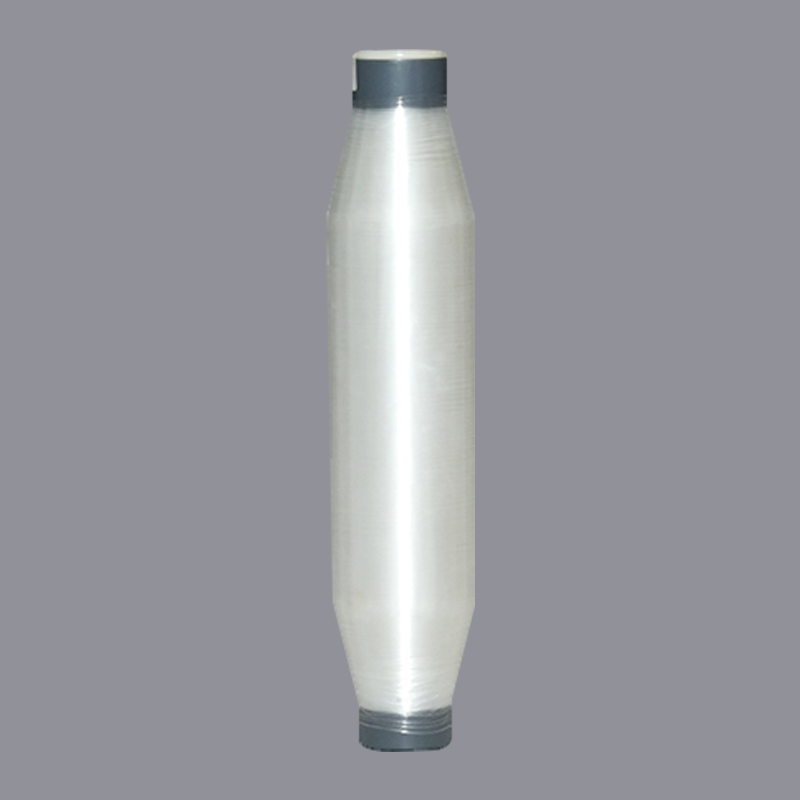
It is made with Bio-base PLA, fully biodegradable Feature: 1. Industrial compost product 2. Made with PLA 3. Eco-frie...
READ MOREPlease fill out the form below and our team will contact you as soon as possible.
Addres: No.66 Qiaogang Road, Haian, Nantong City, Jiangsu Province, China
E-mail: service@gcfiber.com admin@gcfiber.com
Copyright ? GC FIBER All Rights Reserved. Eco-Friendly Textile Products Manufacturer Biodegradable Yarn Company