English
 中文简体
中文简体It is made with Bio-base PLA, fully biodegradable Feature: 1. Industrial compost product 2. Made with PLA 3. Eco-frie...
READ MORE
Content
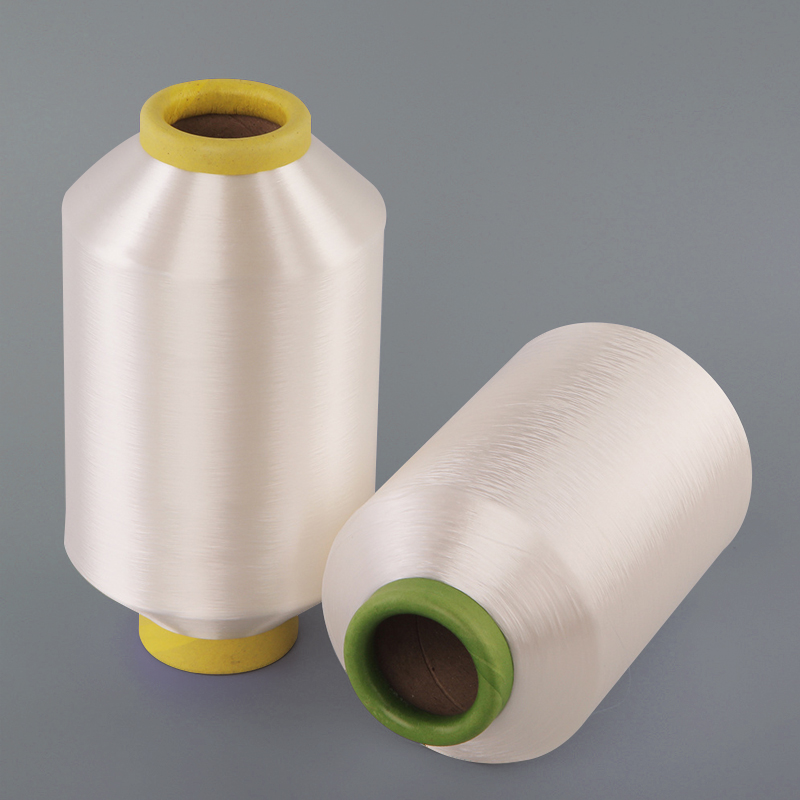
Pure Nylon Low Melting Yarn with an 85°C activation temperature is a specialized functional yarn developed for textile bonding, shape setting, reinforcement, and low-temperature lamination. Made from a copolyamide structure, this yarn combines the flexibility and softness of nylon with the practical bonding performance of a hot-melt adhesive. When exposed to controlled heat, it softens, flows into neighboring fibers, and forms a stable bond after cooling.
This product is designed for manufacturers that require a reliable bonding material without relying on liquid glue, solvent-based adhesive, or stiff adhesive film. It can be knitted, woven, laid, sewn, or integrated into textile structures before the bonding stage. Its low activation temperature makes it particularly suitable for delicate lace, lingerie fabrics, elastic materials, fine mesh, foam-backed textiles, and other heat-sensitive substrates.
Available counts include 20D, 30D, 40D, 50D, 70D, 100D, 150D, 200D, and 300D. This broad range enables the yarn to serve both lightweight apparel applications and heavier technical uses. It can be supplied for applications including 3D knitted fabric, chenille yarn, lingerie ribbon, lace, bonded sewing thread, seamless underwear, rope, cable wire sealing, and other specialized textile products.
For textile producers, the principal value of this yarn lies in its combination of low-temperature activation, high tenacity, easy rewinding, soft touch, flexible bonding, and broad process compatibility. It offers a practical alternative to traditional adhesive systems while supporting cleaner production and more advanced textile construction.
Pure Nylon Low Melting Yarn 85 Degree
Pure Nylon Low Melting Yarn is a thermoplastic copolyamide filament yarn that has been engineered to soften and melt at a substantially lower temperature than conventional nylon filament yarn. The 85°C grade is formulated for bonding operations in which the surrounding textile cannot safely withstand the temperatures normally required to process standard nylon.
Ordinary nylon 6 and nylon 66 fibers have relatively high melting temperatures. Nylon 6 generally melts at approximately 215°C to 220°C, while nylon 66 commonly melts at approximately 255°C to 265°C. Those temperatures are suitable for many technical operations, but they are too high for certain delicate textile structures, elastic fabrics, foam laminates, fine lace, and pre-dyed materials.
The copolyamide composition modifies the polymer structure and lowers its crystallinity. As a result, the yarn can soften and enter a bonding state at approximately 85°C. Under heat and pressure, the softened yarn penetrates the adjacent fibers or textile layers. When the assembly cools, the yarn solidifies and helps hold the structure in place.
Unlike a liquid adhesive, the yarn is delivered in a clean, solid filament form. Unlike a conventional adhesive film, it can be processed as a flexible yarn and incorporated into open, breathable, knitted, woven, or net-like structures. This makes it useful where manufacturers require bonding performance without sacrificing softness, elasticity, air permeability, or drape.
The product is often described as a hot-melt yarn, bonding yarn, thermo-fusible yarn, or low-melting copolyamide yarn. In practical manufacturing, it functions as both a yarn and a bonding agent. Before activation, it can pass through textile machinery like a conventional filament. After activation, it becomes an invisible or nearly invisible bonding component within the finished textile construction.
The most important feature of this grade is its controlled low activation temperature. An activation point around 85°C allows manufacturers to create bonded textile structures without exposing sensitive fibers to excessive heat. This is especially important when the product contains elastane, spandex, Lycra-type fibers, fine wool, delicate nylon, coated fabric, polyurethane foam, or heat-sensitive dyes.
High processing temperatures can cause several problems. Elastic fibers may lose recovery. Fine fabrics may shrink or distort. Dyes may change shade. Foam may collapse or become brittle. Coated surfaces may soften, wrinkle, or develop unwanted gloss. A lower-temperature bonding yarn reduces the risk of these defects and creates a wider process window for manufacturers.
The 85°C grade is also useful for operations that require short heating cycles. A manufacturer may be able to reduce oven temperature, lower press temperature, or shorten the time needed to reach the bonding condition. The exact settings depend on equipment, fabric construction, pressure, and line speed, so production trials remain essential. Nevertheless, the low activation point provides a strong starting advantage.
Compared with 110°C or 130°C low-melt yarn grades, the 85°C product is better suited to the most heat-sensitive materials. A 110°C grade may be appropriate for general interlining and shoe components, while a 130°C grade may be preferred for heavy webbing or industrial reinforcement. The 85°C grade is selected when protection of the base material is a priority.
Low activation temperature can also help reduce energy consumption. A production line that operates at a lower temperature may require less energy to heat the bonding zone. It may also experience less thermal stress on machine components and fabric assemblies. Actual savings vary according to equipment and production conditions, but the opportunity is an important consideration for manufacturers pursuing more efficient processes.
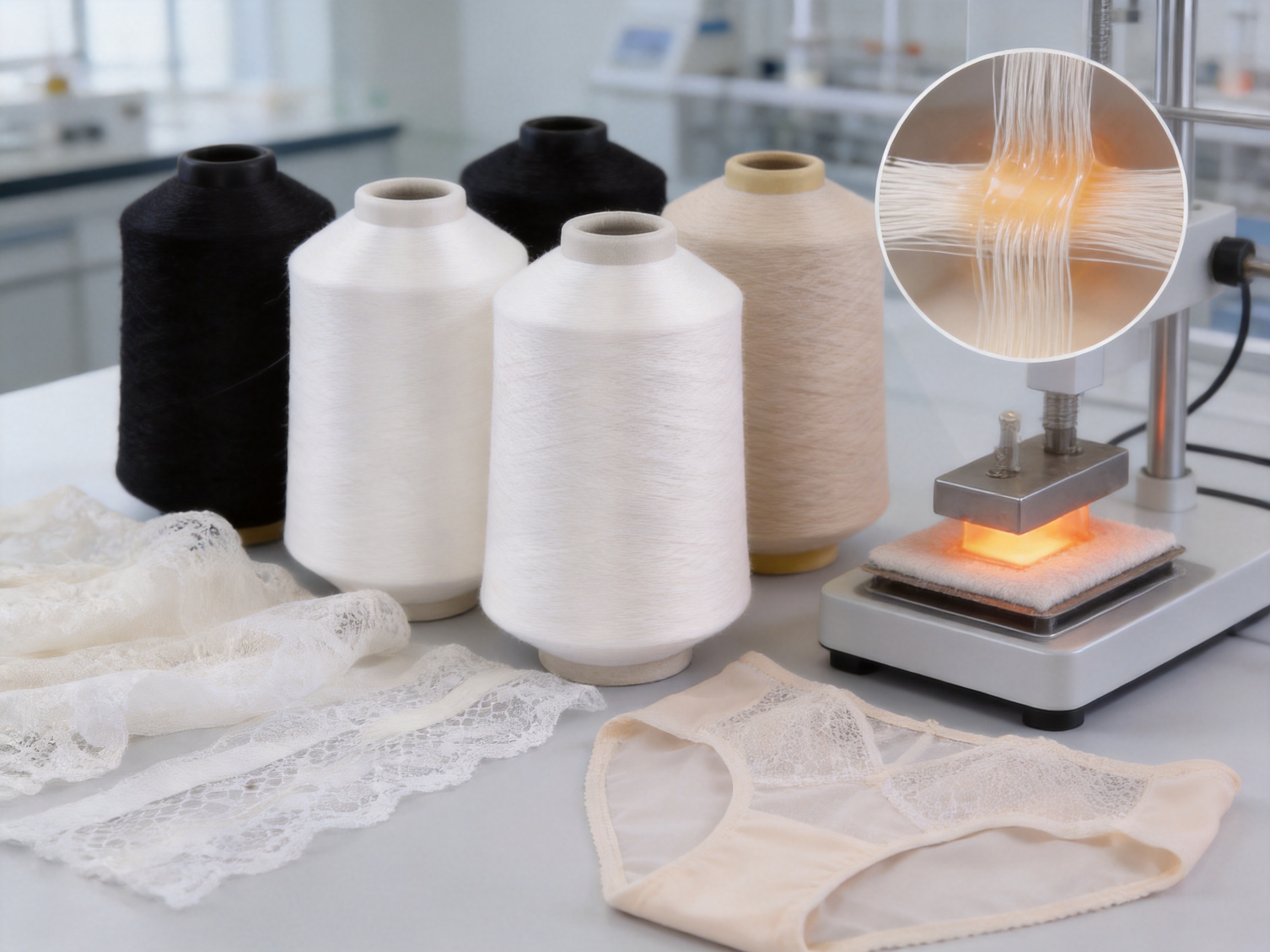
The copolyamide structure provides a softer and more flexible result than many stiff polyester-based hot-melt materials. This characteristic is highly valuable in products worn close to the skin, such as seamless underwear, lingerie, lace, elastic ribbons, and sportswear.
A bonding material should hold the textile structure securely without creating a hard ridge, rough surface, or uncomfortable adhesive line. When correctly processed, Pure Nylon Low Melting Yarn supports a soft hand feel and helps the finished textile retain its original comfort.
High tenacity helps the yarn withstand winding, knitting, weaving, sewing, handling, and installation before the bonding stage. It also contributes to the stability of the finished textile structure. The yarn is suitable for high-speed processing when the machine settings, tension, guides, and package quality are properly matched to the selected denier.
High tenacity is particularly important for chenille yarn production, bonded sewing thread, ropes, webbing, and technical textile applications. In these products, the bonding yarn must maintain continuity during processing and help prevent fiber movement, shedding, or structural separation.
Stable and uniform rewinding is essential for textile yarn. Poorly wound packages can cause tension variation, snarling, yarn breaks, machine stoppages, and inconsistent bonding. The product is engineered for smooth rewinding and can be prepared in cones or bobbins according to customer requirements.
Good package formation also supports easier storage, transportation, machine loading, and production changeover. For manufacturers operating circular knitting machines, warp knitting machines, raschel machines, or industrial sewing equipment, consistent package performance can directly improve production efficiency.
The controlled activation temperature is the defining technical feature of this yarn. The typical softening onset may begin slightly below the nominal temperature, while full melting occurs around the 85°C target. The exact thermal curve may vary according to batch, denier, processing history, and test method.
Manufacturers should confirm the actual thermal behavior through a trial cone and, where required, thermal analysis such as differential scanning calorimetry. This approach helps establish the correct press temperature, dwell time, pressure, and cooling conditions for each application.
After cooling, the bonded yarn forms a flexible connection rather than an excessively rigid adhesive layer. This is important for products that bend, stretch, fold, or repeatedly flex during use. Seamless garments, shoe uppers, ribbons, elastic structures, and technical textile assemblies can benefit from a bond that moves with the surrounding fabric.
Because the material is supplied as a solid yarn, it avoids many of the handling problems associated with liquid glue. There is no need for adhesive tanks, pumps, solvent management, wet coating control, or cleanup of spilled liquid adhesive. This can simplify production-line organization and help maintain a cleaner working environment.
The yarn does not introduce the same type of liquid adhesive mess or solvent odor associated with some conventional bonding systems. For manufacturers seeking a cleaner and more controlled process, a thermo-fusible yarn can be an efficient alternative.
The performance of the yarn is closely related to the molecular design of the copolyamide. In standard nylon, highly ordered polymer chains create a relatively high degree of crystallinity. This structure produces excellent strength and heat resistance but also requires a high temperature for melting.
In a low-melting copolyamide, the polymer chain is modified so that the structure contains less regularity than standard nylon. This reduces crystallinity and allows the polymer chains to move at a lower temperature. The result is a filament that retains sufficient strength for textile processing but becomes soft and flowable when heated within the specified range.
The bonding mechanism can be understood in four stages:
As the textile assembly is heated, the surface of the yarn begins to lose rigidity. It becomes more flexible and may develop a tacky quality. At this stage, the yarn is not necessarily fully liquid, but it is prepared for bonding.
As the temperature approaches the full activation range, the copolyamide melts and begins to flow. Pressure from a press, roller, laminating belt, or calender helps the melted polymer move into contact with neighboring fibers and surfaces.
The molten yarn forms intimate contact with the surrounding textile. Depending on the fabric construction, it may penetrate a knitted loop, wrap around adjacent filaments, enter a nonwoven network, or bond two textile layers together.
When the assembly cools below the melting range, the copolyamide solidifies. The previously mobile polymer becomes a stable bonding structure. Correct cooling is important because handling the product before the bond has set may reduce peel strength or cause distortion.
The following values represent typical product information and should be confirmed against the specific production lot and customer application.
| Item | Typical Information | Application Significance |
|---|---|---|
| Material | Pure nylon copolyamide | Suitable for nylon-compatible bonding and soft textile structures |
| Nominal activation temperature | Approximately 85°C | Protects heat-sensitive fabrics and fibers |
| Available counts | 20D, 30D, 40D, 50D, 70D, 100D, 150D, 200D, 300D | Supports lightweight to heavier textile constructions |
| Filament form | Mono or multifilament according to specification | Can be matched to knitting, weaving, sewing, or bonding requirements |
| Hand feel | Soft and flexible after processing | Suitable for apparel, lingerie, lace, and comfort products |
| Processing performance | High tenacity and smooth rewinding | Helps reduce yarn breaks and machine interruptions |
| Packaging | Cones or bobbins | Can be adapted to customer machinery and production systems |
| Supply location | Shanghai seaport available | Supports export shipment planning |
The available denier range allows the product to be selected according to the required bonding density, visual effect, tensile performance, and processing method. Fine counts are appropriate for lace, lingerie, mesh, and lightweight fabrics. Medium counts may be used for ribbons, interlinings, and general textile reinforcement. Heavier counts are suitable for ropes, technical textiles, and more demanding bonding structures.
Liquid adhesives require controlled application, storage, pumping, viscosity management, drying, and cleaning. Variations in coating weight can result in uneven bonding or visible marks. A yarn-based bonding system provides a more defined material placement and can be integrated directly into the textile construction.
The solid filament format also reduces the risk of dripping, splashing, or uncontrolled adhesive migration. This is useful in clean production environments and in factories that want to simplify process management.
Many textile producers are seeking alternatives to solvent-containing adhesive systems. Pure Nylon Low Melting Yarn provides a thermo-fusible bonding method that does not require liquid solvent application. This can help reduce concerns related to solvent handling, evaporation, odor, and workplace management.
Appropriate industrial safety procedures are still required, especially around heated machinery. However, the material itself is handled as a textile yarn rather than as a liquid chemical coating.
Adhesive film forms a continuous layer across the bonded area. While this can provide strong coverage, it may reduce air permeability and alter the drape or flexibility of the textile. A low-melting yarn can be knitted, woven, or arranged in an open pattern, leaving spaces between bonding elements.
This open construction is particularly useful in footwear uppers, breathable apparel, lace, mesh, and sports textiles. Manufacturers can adjust yarn spacing and construction density to balance bonding strength with breathability.
Some hot-melt materials become hard or glass-like after cooling. A copolyamide yarn can provide a more flexible bond when the process is correctly controlled. This helps preserve the natural movement of the fabric and supports comfort in garments and flexible technical products.
A yarn can be placed precisely within a knitted or woven structure. It can form lines, grids, reinforcement zones, decorative bonding patterns, or internal support areas. This design flexibility is difficult to achieve with a simple coating or flat adhesive sheet.
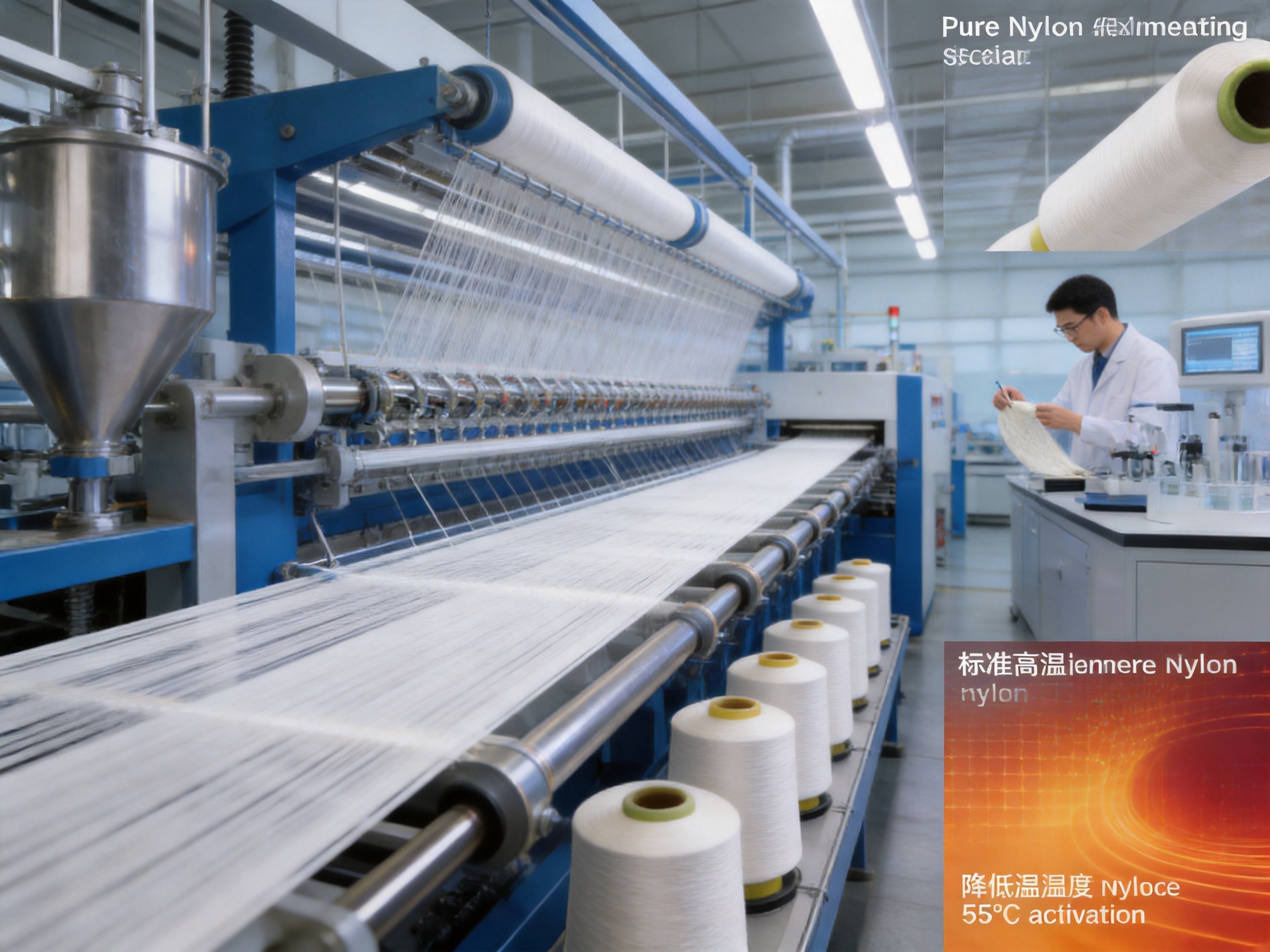
Pure nylon and polyester low-melting yarns are not interchangeable in every application. Polyester-based products may offer advantages in certain environments, but pure nylon copolyamide yarn provides several benefits for applications requiring softness, flexibility, nylon compatibility, and comfort.
When the face fabric or support layer is nylon, using a nylon-based bonding yarn can improve material compatibility at the bonding interface. Similar polymer chemistry may support better integration than a different polymer family, particularly where the finished structure must remain flexible.
Nylon-based copolyamide bonding yarns are often selected for their soft and comfortable hand feel. This makes them suitable for intimate apparel, lace, elastic ribbons, and other products where stiffness can reduce product quality.
Nylon accepts suitable dye systems differently from polyester. Dyed nylon bonding yarn can therefore be matched with nylon fabrics more effectively in applications where the bonding component may be visible. Raw white, dyed, and black options may be available depending on customer requirements.
In products that stretch or flex repeatedly, an excessively rigid bond can produce cracking, delamination, or uncomfortable stiffness. The flexible nature of copolyamide supports applications where the bonded construction must move with the base material.
Product selection should always consider the entire material system. Fabric type, dye, coating, finishing treatment, humidity, pressure, and washing conditions can influence the final result. Comparative testing should be performed before large-scale production.
A high-quality low-melting yarn depends not only on polymer selection but also on disciplined manufacturing control. The production process must manage polymer preparation, spinning, drawing, heat history, winding, packaging, and inspection. Small variations in any stage can affect denier uniformity, tensile behavior, melting response, and machine performance.
The manufacturer specializes in special and functional textile materials, including biodegradable yarn, low-melting yarn, ECDP yarn, anti-static yarn, HDPE yarn, bio-component yarn, and polyester filament yarn. This product range indicates experience in developing fibers for specific performance requirements rather than producing only standard commodity yarns.
Research and development work for a low-melting copolyamide includes balancing several properties that can sometimes conflict with one another. Lowering the activation temperature must not cause the yarn to become too weak during winding or knitting. Increasing tenacity must not make the yarn excessively stiff. Improving flow must not lead to unwanted migration through the face fabric.
A capable manufacturer evaluates these relationships during formulation and processing development. The objective is to produce a yarn that remains stable during normal handling but activates predictably during the customer’s bonding process.
Polymer preparation is an important step in achieving consistent low-temperature performance. Raw materials must be selected and blended according to the target copolyamide formulation. Moisture control is especially important because nylon-based polymers can absorb moisture, and excessive moisture may influence spinning behavior and filament quality.
Controlled drying, accurate feeding, temperature management, and melt filtration help produce a stable polymer melt. Filtration removes unwanted particles that could cause spinneret blockage, filament breaks, surface defects, or inconsistent denier.
During melt spinning, the polymer is heated and extruded through precision spinnerets to form continuous filaments. The extrusion temperature must be high enough to produce a stable melt but carefully controlled to avoid unnecessary thermal degradation.
Spinneret design, hole uniformity, melt pressure, cooling conditions, and take-up speed all contribute to filament quality. Uniform cooling is particularly important because uneven cooling can create differences in orientation, shrinkage, and tensile behavior across the yarn.
Drawing aligns the polymer chains and improves the mechanical performance of the filament. The drawing ratio must be carefully matched to the low-melting copolyamide composition. Excessive drawing may increase tenacity but reduce the desired softness or change the thermal response. Insufficient drawing may produce weak filaments or unstable packages.
By controlling the drawing and heat-setting conditions, the manufacturer can balance tenacity, elongation, flexibility, and dimensional stability. This balance is essential for a yarn that must pass through high-speed textile machinery before being thermally activated.
Winding converts the continuous yarn into a usable cone or bobbin. Package density, winding angle, tension, traverse movement, and edge control must be managed carefully. A stable package unwinds smoothly and reduces tension fluctuations during knitting, weaving, sewing, or rewinding.
Easy rewinding is one of the stated product features. It supports efficient handling by customers and reduces the risk of broken filaments caused by poor package formation. Inspection of the package surface and yarn path helps identify winding defects before shipment.
Quality control may include denier testing, tensile strength testing, elongation testing, appearance inspection, package inspection, and thermal analysis. Depending on the customer’s requirements, the manufacturer may also evaluate melting behavior, softening range, color, moisture, and bonding performance.
Testing should be performed according to consistent procedures so that results can be compared between batches. A customer purchasing a specific 85°C grade should receive material with a predictable thermal response rather than a nominal temperature that varies widely from lot to lot.
Special production by order allows the product to be adjusted for specific customer needs. Possible areas of customization may include denier, color, package size, filament construction, winding format, and application-specific processing requirements.
Customization is particularly useful when a customer has a special knitting gauge, a narrow bonding zone, a specific color standard, or a requirement for a particular machine package. Before production, the customer should provide information about the substrate, bonding method, equipment, line speed, and expected washing or use conditions.
The following values can be used as initial trial parameters for the 85°C grade. They are not universal production settings because different fabrics, machines, and bonding designs require adjustment.
| Processing Parameter | Suggested Starting Range | Purpose |
|---|---|---|
| Press or bonding temperature | 90°C to 100°C | Provides a practical margin above the nominal activation temperature |
| Dwell time | 8 to 15 seconds | Allows heat to reach the yarn and adjoining material |
| Applied pressure | 0.2 to 0.4 MPa | Improves contact and supports polymer flow |
| Cooling time before handling | 10 to 20 seconds | Allows the bond to stabilize before movement |
Manufacturers should begin with a small trial matrix. For example, three temperature settings can be tested with two dwell times and two pressure levels. The bonded samples should then be evaluated for peel strength, appearance, flexibility, fabric distortion, wash resistance, and surface migration.
Temperature should not automatically be increased when bonding strength is insufficient. Excessive heat may cause the yarn to flow too far, penetrate through a thin fabric, create a shiny mark, or form an unnecessarily stiff area. It is often better to adjust pressure, dwell time, yarn density, or cooling conditions before applying significantly more heat.
Different equipment also transfers heat differently. A heated press, hot roller, oven, infrared system, or laminating belt may display the same temperature while producing different results at the yarn interface. Actual fabric temperature and heating uniformity should therefore be considered during process development.
Seamless underwear requires soft, flexible, and comfortable construction. Pure Nylon Low Melting Yarn can be used to secure knitted structures, reinforce selected areas, or create bonded zones without introducing the hard feel associated with some adhesive tapes.
The low activation temperature helps protect elastic components and delicate knitted surfaces. The yarn can be integrated during knitting and activated later in a controlled heat-setting or bonding process.
Lace and lingerie ribbons often contain fine filaments and open patterns that are vulnerable to heat and stiffness. Fine counts such as 20D, 30D, 40D, or 50D may be selected for lightweight bonding or structural support.
When correctly positioned, the yarn can strengthen a lace construction while preserving softness and visual delicacy. Dyed versions may also help reduce visual contrast when the bonding yarn is located near the surface.
Three-dimensional knitted textiles are used in footwear, upholstery, padding, sports products, and technical components. Low-melting yarn can be knitted into selected areas to create reinforcement, stabilize shape, or connect layers during thermal processing.
The open structure of a knitted bonding yarn can preserve airflow and flexibility more effectively than a solid adhesive film. This is useful for breathable shoe uppers and lightweight support materials.
In chenille yarn manufacturing, bonding yarn can help secure core fibers and reduce shedding or fiber pull-out. The yarn is integrated into the construction and then activated to help lock the surrounding fibers in place.
This application requires careful control of temperature and pressure. Overheating may affect the appearance or softness of the chenille surface, while insufficient activation may not provide the required fiber retention.
Bonded sewing thread is designed to resist separation and improve thread stability. Low-melting nylon can serve as a bonding component that helps hold the thread structure together after heat treatment.
High tenacity and smooth rewinding are especially important in this application because the yarn must be processed through sewing equipment without excessive breaks or tension variation.
Heavier counts such as 150D, 200D, or 300D may be considered for rope, cord, cable support, or technical textile construction. The yarn can help stabilize a multi-component structure or secure fibers during subsequent processing.
The final selection should be based on the required tensile performance, rope construction, operating temperature, chemical exposure, and intended end use. Low-melting yarn is generally a bonding or stabilization component and should not automatically be treated as the sole structural fiber.
In cable-related applications, the yarn may be used as part of a sealing or stabilization layer. Its thermo-fusible behavior can help secure textile wrapping or close small gaps in a protective construction.
Electrical and cable applications require application-specific testing. Compatibility with insulation materials, operating temperature, flame requirements, dimensional stability, and regulatory standards must be evaluated before production approval.
Fine mesh, shoe uppers, linings, reinforcement zones, and three-dimensional textile components can benefit from low-temperature bonding. The 85°C grade is especially useful when the shoe material contains heat-sensitive coatings, foam, elastic sections, or pre-dyed fabrics.
It can be used for temporary positioning, internal reinforcement, layer connection, or preparation before stitching. In demanding flex areas, the product should be combined with an appropriate structural design and tested through repeated flexing and washing cycles.
Medical padding, compression garments, support products, and comfort textiles often require controlled softness and protection of elastic fibers. A low-temperature bonding yarn can help secure textile layers while reducing thermal exposure.
Any medical or skin-contact application requires additional evaluation of material safety, skin contact, cleanliness, sterilization, washing, and applicable regulations. The yarn’s suitability must be confirmed for the specific finished product.
Denier selection affects visibility, bonding coverage, tensile performance, flexibility, and machine behavior. A fine denier is generally easier to conceal and more suitable for delicate fabrics. A heavier denier provides greater material volume and may support stronger or more visible reinforcement.
For lace, lingerie, fine mesh, and lightweight open structures, 20D to 50D may be appropriate starting points. For ribbons, interlinings, general knitted structures, and moderate reinforcement, 70D to 150D may be considered. For ropes, technical textiles, and heavier bonding structures, 200D or 300D may be more suitable.
Denier should not be selected by weight alone. The customer should also consider the number of bonding yarns, spacing, knitting gauge, fabric thickness, required peel strength, and the amount of stretch in the final product.
A sample trial is the most reliable method. The same denier may produce different results in a dense woven fabric and an open knitted structure. Testing should include both processing performance and finished-product performance.
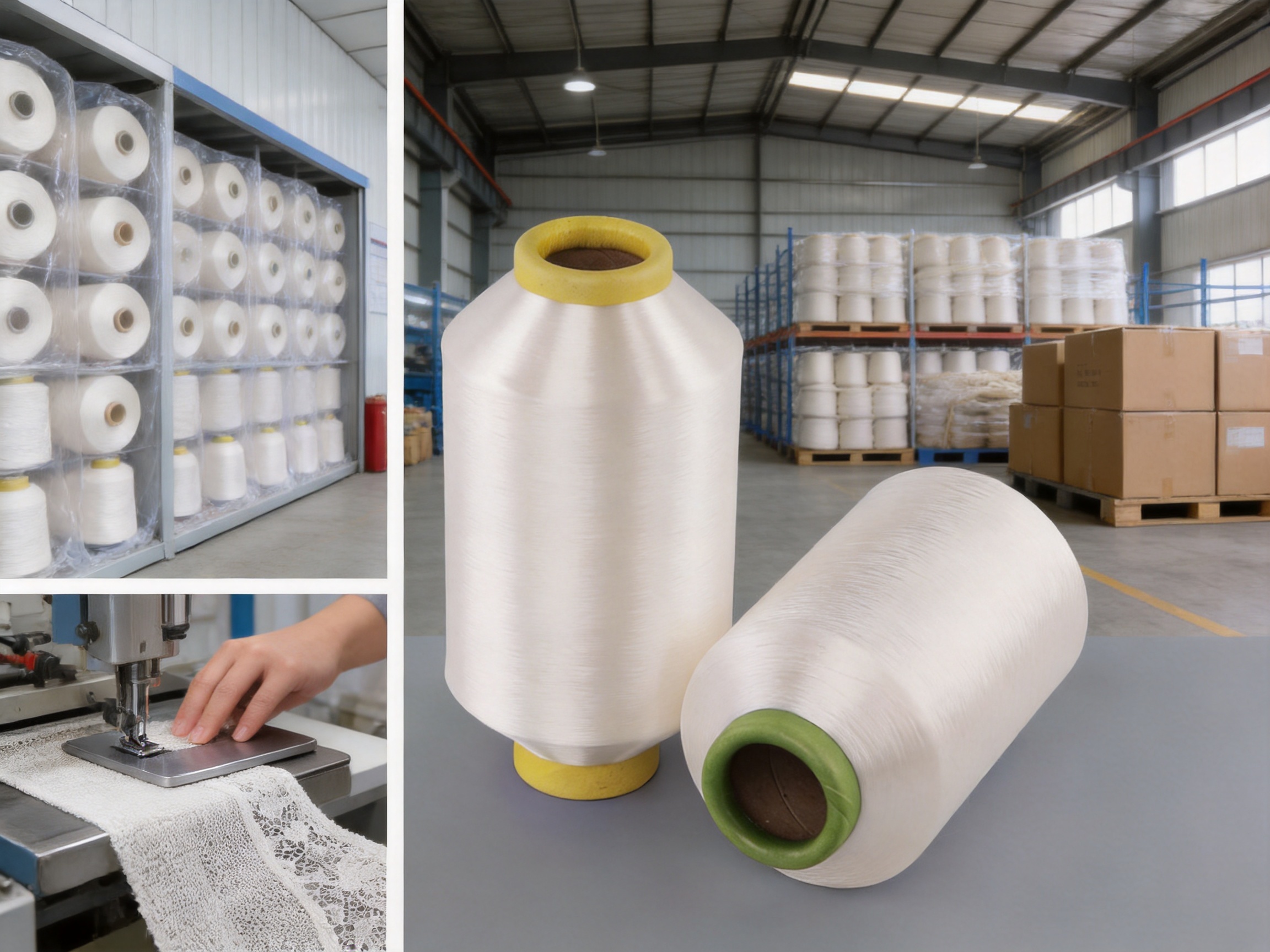
Once properly activated and cooled, the bonded areas can provide stable performance under normal use. The final durability depends on the substrate, bond design, processing parameters, washing conditions, and exposure to heat or chemicals.
For apparel applications, samples should be evaluated after repeated washing and drying. Moderate-temperature washing is generally more suitable than high-temperature treatment. High heat during tumble drying, ironing, or industrial finishing may approach the yarn’s reactivation range and should therefore be controlled.
Dry-cleaning compatibility should also be verified for the specific textile system. The copolyamide bond may resist normal detergents and common cleaning conditions, but strong chemicals, prolonged exposure, or elevated temperature can affect any thermoplastic bonding material.
Peel strength, appearance, flexibility, and dimensional stability should be measured before and after washing. A bond that appears strong immediately after production may behave differently after repeated flexing or cleaning.
Because this yarn activates at a low temperature, storage conditions deserve special attention. The product should remain in its original moisture-resistant packaging until it is ready for use. Cones should be kept in a cool, dry, clean area away from direct sunlight, steam, hot machinery, and other heat sources.
A storage temperature below 30°C is recommended whenever possible. Long exposure to warehouse temperatures above 40°C may soften the surface of the yarn or cause adjacent cones to stick together, especially under heavy stacking pressure.
Correct storage helps preserve package quality and reduces the risk of premature softening. If a package has been exposed to abnormal heat, it should be inspected before being loaded onto a high-speed machine.
Buyers should request a product specification sheet that identifies the material composition, available denier, nominal melting range, packaging format, and applicable test methods. For important applications, a thermal analysis report can help confirm the actual softening and melting behavior.
It is useful to compare suppliers using the same criteria. These criteria may include denier tolerance, tenacity, elongation, winding quality, color consistency, moisture content, melting curve, package weight, and batch-to-batch stability.
A trial cone should be tested on the customer’s actual machinery. Laboratory testing alone cannot reveal every production issue. Factors such as guide friction, machine tension, yarn path, needle size, knitting speed, and fabric construction can influence the result.
Customers should also supply information about their intended application. Details such as fabric composition, fabric weight, bonding method, press type, line speed, target bond strength, washing method, and final product use allow the manufacturer to recommend a more suitable grade.
For customized orders, confirming the technical requirements before production helps prevent problems related to package size, color, denier, or machine compatibility. Special production by order can be arranged when standard specifications do not meet the customer’s requirements.
Functional yarn production requires more than ordinary filament spinning. The material must deliver a specific response under heat while remaining stable during storage and textile processing. A manufacturer with experience in special yarns can better manage the relationship between polymer formulation, spinning, drawing, winding, and application performance.
An experienced supplier can also support product development. Customers may require a new denier, a different color, a particular package, or a yarn designed for a new textile structure. Cooperation between the yarn producer and the textile manufacturer can shorten the development cycle and improve the chance of achieving stable mass production.
GC FIBER is a special textile factory in China with experience in researching, developing, producing, and selling functional and eco-friendly textile products. Its product portfolio includes biodegradable yarn, low-melting yarn, ECDP yarn, anti-static yarn, HDPE yarn, bio-component yarn, and polyester filament yarn.
This range reflects a manufacturing focus on materials with specific functional purposes. The company also cooperates with customers to develop new materials, which is valuable for textile producers seeking alternatives to conventional fibers and adhesive systems.
Production and export support are based in Haian, Nantong City, Jiangsu Province, China, with Shanghai seaport available for shipment arrangements. Customers can discuss standard products, special production by order, sample requirements, and application-specific specifications with the supplier’s technical and sales teams.
Replacing liquid adhesive with a thermo-fusible yarn can simplify the bonding process and reduce dependence on solvent-based systems. It may also reduce the number of wet-processing stages, adhesive containers, pumps, and cleaning operations required on the production line.
The environmental advantages of a product must be evaluated across the complete life cycle. Important factors include raw material composition, production energy, process temperature, product durability, washing requirements, waste management, and end-of-life treatment.
The 85°C activation temperature may support lower-temperature processing compared with higher-melting bonding materials. Lower process temperatures can reduce energy demand in some production systems, although actual results depend on equipment efficiency and line configuration.
Manufacturers should make environmental claims based on verified data. A lower melting temperature is a process advantage, but it should not automatically be interpreted as complete biodegradability or universal environmental superiority. Product-specific testing and life-cycle evaluation are recommended for formal sustainability claims.
Its main function is to act as a thermo-fusible bonding yarn. It can be integrated into a textile structure and activated by controlled heat to bond fibers, fabrics, trims, or textile layers together.
The product is designed to soften and melt at a nominal temperature close to 85°C. The exact softening and melting range may vary slightly according to the production batch, test method, and processing conditions.
No. The product is described as pure nylon copolyamide. This makes it different from polyester-based low-melting yarns and suitable for applications where nylon compatibility, softness, and flexibility are important.
Available counts include 20D, 30D, 40D, 50D, 70D, 100D, 150D, 200D, and 300D. The appropriate selection depends on the textile structure, required bond strength, visual requirements, and machinery.
It is suitable for applications involving elastic and heat-sensitive materials because its activation temperature is relatively low. However, the complete fabric system should be tested to confirm that bonding does not reduce elastic recovery or cause distortion.
Yes. Its soft feel, flexible bond, fine denier options, and low activation temperature make it suitable for lingerie ribbons, lace, seamless underwear, elastic structures, and related intimate apparel components.
Fine denier grades can be used on circular knitting, warp knitting, and raschel machines when the yarn path, tension, speed, and friction are properly controlled. Excessive friction heat should be avoided because the yarn has a low activation temperature.
Yes. It can help secure core fibers in chenille yarn and reduce shedding or fiber pull-out. The production process should be adjusted to achieve sufficient bonding without damaging the soft surface of the chenille yarn.
A practical starting range is approximately 90°C to 100°C, with a dwell time of 8 to 15 seconds. The actual settings must be optimized through trials because fabrics, equipment, pressure, and line speeds differ.
The yarn may flow excessively, migrate through a thin fabric, create a shiny mark, become stiff, or produce an uneven bond. It is generally better to optimize pressure and dwell time before substantially increasing temperature.
When properly processed, the copolyamide bond remains relatively soft and flexible. The final flexibility depends on yarn denier, bonding density, substrate composition, pressure, and the amount of heat applied.
Properly bonded structures can generally withstand normal washing conditions, but the exact performance depends on the substrate and bonding process. Washing, drying, and dry-cleaning tests should be carried out for the specific finished product.
High tenacity and smooth rewinding support high-speed processing. Machine tension, needle condition, yarn guides, package quality, and denier selection should be optimized to reduce friction and thread breaks.
Raw white, black, and dyed options may be available. Customers requiring a specific color should provide a color standard and confirm the required fastness and batch consistency before production.
Store it in the original packaging in a cool, dry location away from direct sunlight, steam, hot machinery, and other heat sources. A storage temperature below 30°C is recommended whenever possible.
Special production by order may be arranged according to denier, color, package, filament construction, and application requirements. Customers should provide technical details before quotation and sample development.
No. It is an alternative bonding material for applications where a yarn-based, flexible, breathable, or integrated textile structure is preferred. Adhesive film may remain more suitable for continuous, full-surface bonding requirements.
Buyers can request a specification sheet, batch information, thermal analysis, denier data, tensile data, and a trial cone. Testing the yarn on the actual production equipment and target substrate is the most reliable confirmation method.
Pure Nylon Low Melting Yarn at 85°C provides a practical solution for textile manufacturers that require low-temperature bonding, soft touch, flexible performance, and reliable machine processing. Its copolyamide structure enables activation at a temperature significantly below that of standard nylon, helping protect delicate fabrics, elastic fibers, foam, lace, mesh, and pre-dyed materials.
The product is available in a broad range of counts from 20D to 300D and can serve apparel, intimate wear, chenille, footwear, technical textile, rope, cable, and industrial applications. Its high tenacity, easy rewinding, clean solid-yarn format, and flexible bond give it important advantages over liquid adhesive, solvent-based glue, rigid adhesive film, and some polyester-based low-melt fibers.
Reliable performance depends on more than the nominal melting temperature. Polymer formulation, melt spinning, drawing, winding, package quality, thermal testing, and application support all influence the final result. An experienced functional yarn manufacturer can help customers select the correct denier, develop suitable process settings, and arrange special production when required.
For manufacturers seeking a controlled, low-temperature, nylon-based bonding material, this 85°C copolyamide yarn is a versatile option for next-generation textile production.
1. Nylon Polymer Properties and Processing Principles, technical reference literature for polyamide fibers and copolyamides.
2. Textile Filament Yarn Manufacturing: Melt Spinning, Drawing, and Winding, industrial fiber production reference.
3. Thermoplastic Polymer Analysis by Differential Scanning Calorimetry, standard guidance for evaluating softening and melting behavior.
4. Textile Adhesives and Thermo-Fusible Bonding Materials, reference material on hot-melt textile assembly methods.
5. Industrial Textile Testing Practices, reference guidance for tensile strength, elongation, peel strength, washing resistance, and dimensional stability.
6. Functional and Eco-Friendly Fiber Development, technical reference on specialty yarn formulation and sustainable textile manufacturing.
It is made with Bio-base PLA, fully biodegradable Feature: 1. Industrial compost product 2. Made with PLA 3. Eco-frie...
READ MOREPlease fill out the form below and our team will contact you as soon as possible.
Addres: No.66 Qiaogang Road, Haian, Nantong City, Jiangsu Province, China
E-mail: service@gcfiber.com admin@gcfiber.com
Copyright ? GC FIBER All Rights Reserved. Eco-Friendly Textile Products Manufacturer Biodegradable Yarn Company