English
 中文简体
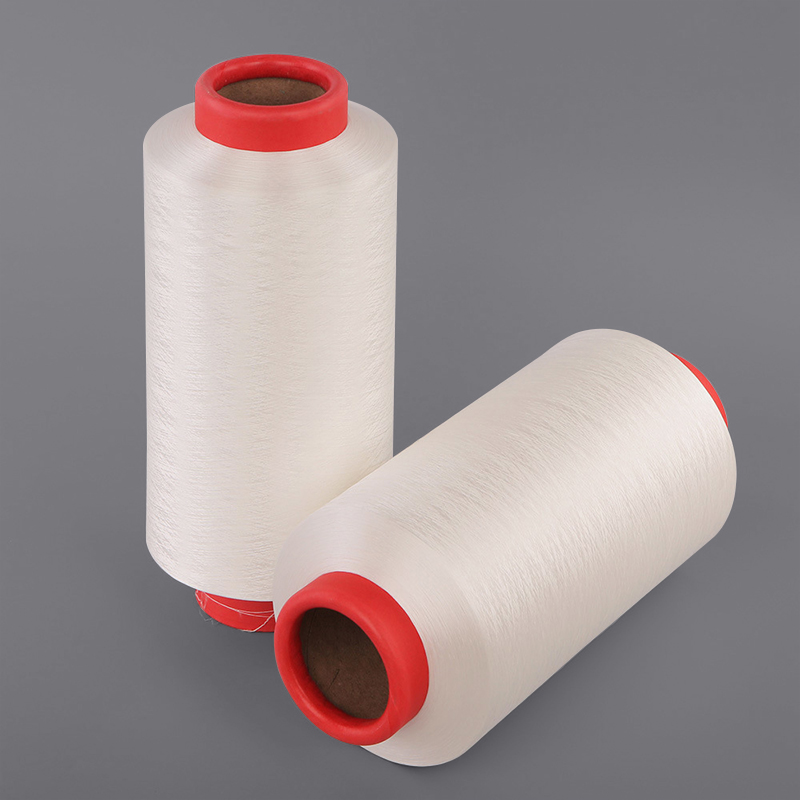
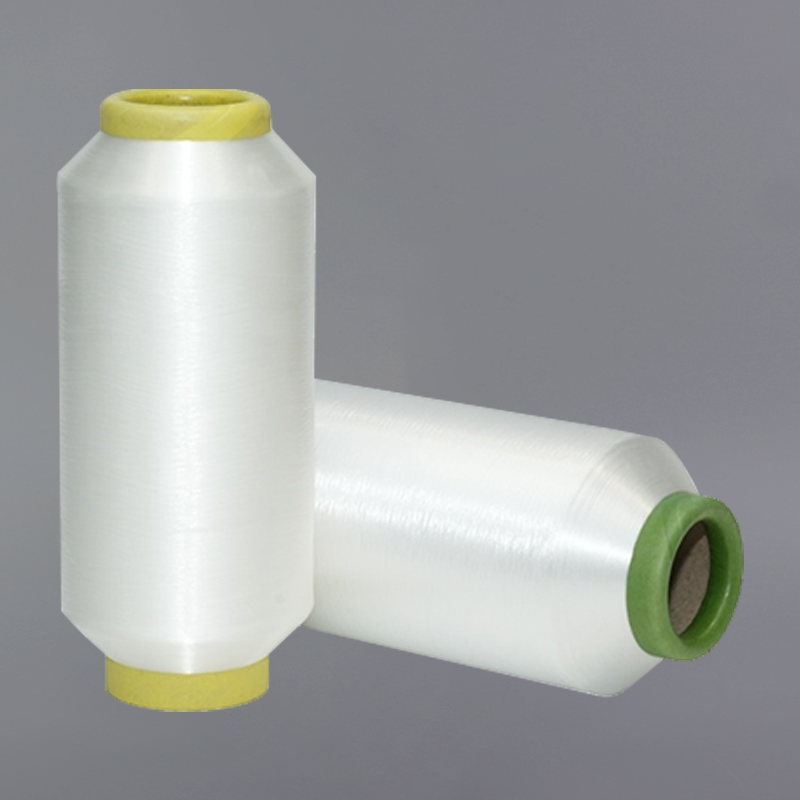
中文简体It is made with Bio-base PLA, fully biodegradable Feature: 1. Industrial compost product 2. Made with PLA 3. Eco-frie...
READ MORE
Content
As governments, retailers, manufacturers, and consumers seek practical alternatives to conventional petroleum-based plastics, PLA biodegradable non-woven fabric has emerged as an important material for sustainable product development. It combines renewable raw materials, lightweight construction, soft touch, mechanical strength, and industrial compostability in one versatile non-woven structure.
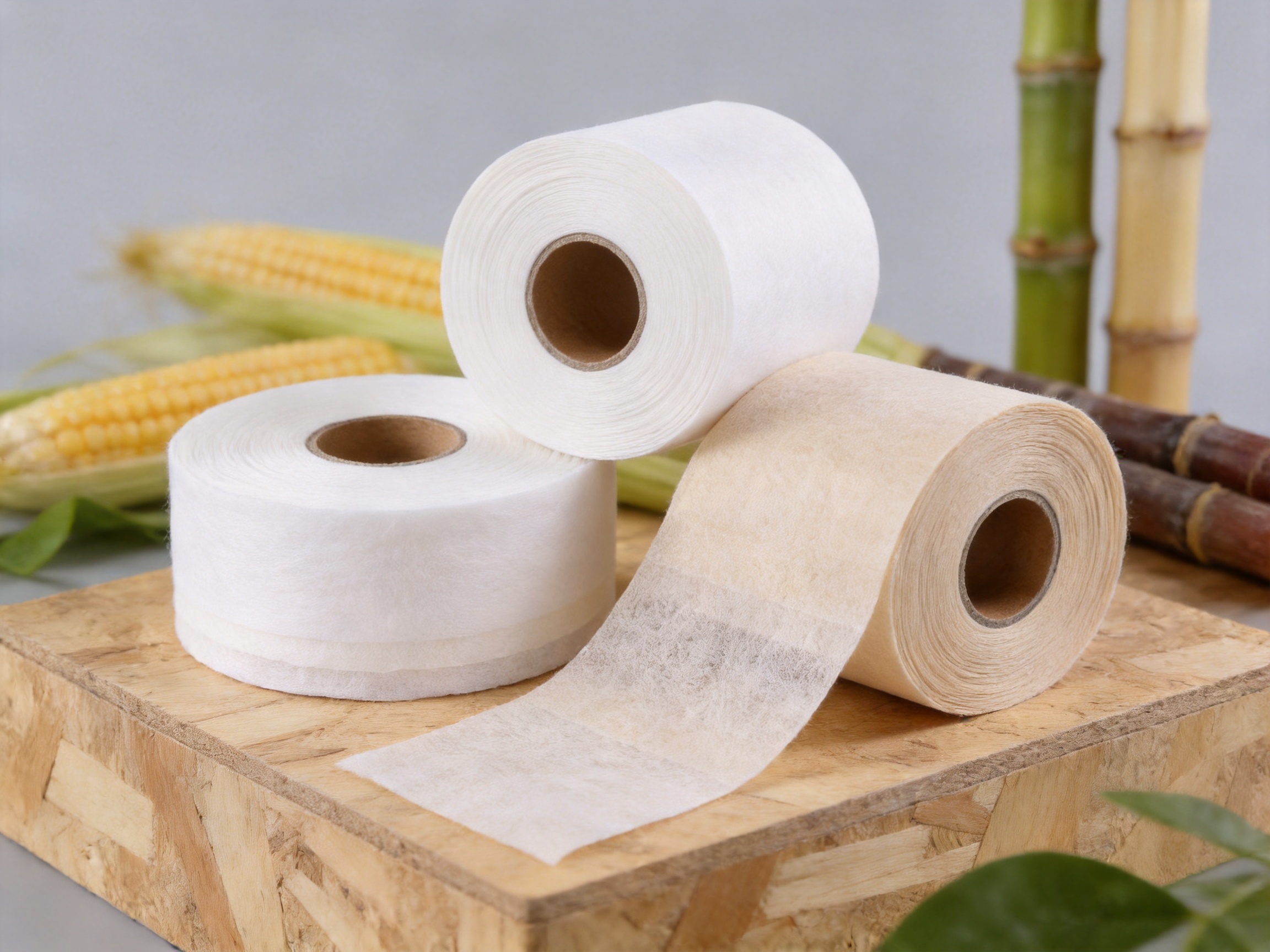
PLA, or polylactic acid, is a bio-based polymer produced from renewable plant resources such as corn starch and sugarcane. When processed into non-woven fabric through spunbond or meltblown technology, PLA fibers can create a breathable, uniform, and adaptable material for hygiene products, medical-adjacent disposables, packaging, agriculture, filtration, catering, and industrial applications.
This material is designed for manufacturers that need more than a simple “green” label. It provides a route toward reducing dependence on fossil-fuel-based polymers while preserving the processing convenience and functional performance expected from modern non-woven fabrics. Available in approximately 30 GSM, 50 GSM, and 100 GSM specifications, it can be adapted to different strength, drape, coverage, and barrier requirements.
The product is manufactured by GC FIBER, a China-based special textile producer with experience in biodegradable yarn, low melting yarn, ECDP yarn, anti-static yarn, HDPE yarn, bio-component yarn, and polyester filament yarn. Through research, development, production, and customer cooperation, the company focuses on creating functional and eco-friendly textile materials for changing industrial requirements.
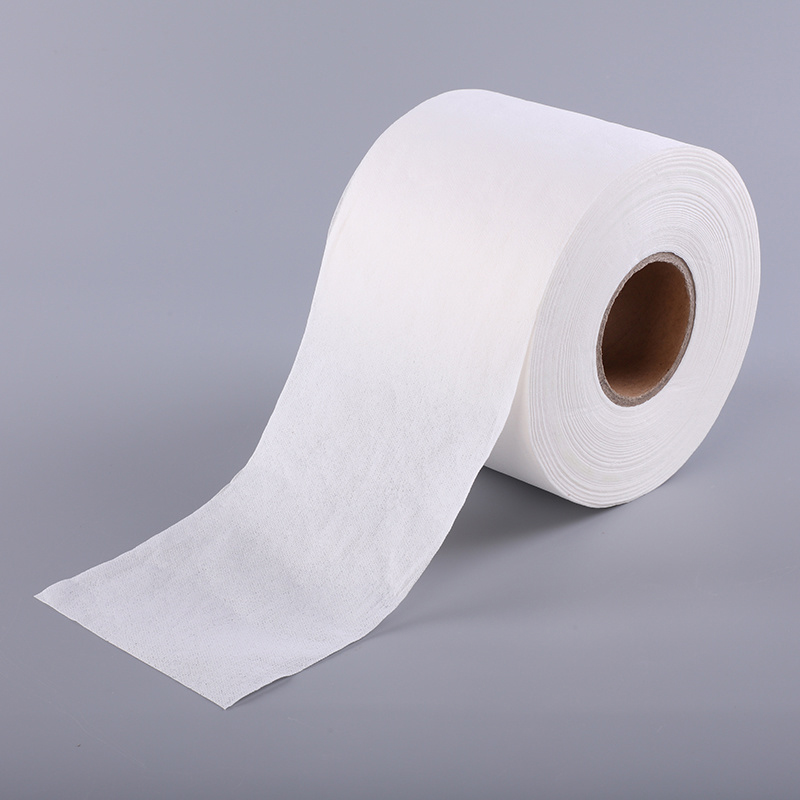
PLA Biodegradable Non Woven Fabric
PLA biodegradable non-woven fabric is a sheet-like textile made by forming PLA fibers or filaments and bonding them together without traditional weaving or knitting. Unlike woven fabric, which is created by interlacing yarns, non-woven fabric is produced through a direct fiber-forming and bonding process. This allows manufacturers to produce large, consistent rolls efficiently and customize the material according to its intended application.
Depending on the required structure, PLA fibers may be formed using spunbond or meltblown technology. Spunbond production creates continuous filaments that are deposited onto a moving surface and bonded through controlled heat, pressure, or other bonding methods. This process is commonly used where tensile strength, dimensional stability, softness, and production efficiency are important.
Meltblown production uses high-speed hot air to attenuate polymer streams into very fine fibers. The resulting web has a high surface area and can offer useful filtration, absorption, and barrier characteristics. The choice between spunbond, meltblown, or a combination of structures depends on the target application and the desired balance between strength, breathability, softness, and filtration.
PLA is derived from renewable biological sources rather than being entirely dependent on petroleum. The polymer can be converted into fibers suitable for non-woven production and, under appropriate industrial composting conditions, can ultimately break down into carbon dioxide, water, and organic matter. This supports a “from the earth, back to the earth” material cycle when the product is correctly designed, used, collected, and processed.
It is important to distinguish industrial compostability from ordinary degradation. PLA non-woven fabric is intended for controlled industrial composting environments, where temperature, humidity, aeration, and microbial activity are maintained at suitable levels. It should not automatically be described as home compostable or as a material that will rapidly disappear in every natural environment.
The product is available as a non-woven fabric in several basis weights. The listed specifications include 30 GSM, 50 GSM, and 100 GSM. GSM means grams per square meter and is a basic indicator of fabric weight. A lower GSM generally provides a lighter, softer, and more economical sheet, while a higher GSM normally supports greater coverage, body, and mechanical resistance.
| Specification | Typical Functional Direction | Potential Application Areas |
|---|---|---|
| 30 GSM | Lightweight, flexible, breathable, and economical | Light packaging, wipes, liners, disposable covers, and lightweight agricultural layers |
| 50 GSM | Balanced softness, strength, coverage, and handling | Shopping bags, hygiene components, medical-adjacent products, and protective packaging |
| 100 GSM | Higher body, coverage, tear resistance, and durability | Heavy-duty packaging, crop covers, protective layers, filtration supports, and industrial products |
Actual performance depends on fiber diameter, bonding method, web structure, additives, finishing, roll width, color, and converting conditions. Buyers should therefore evaluate the complete technical specification rather than selecting a product based only on GSM. For demanding applications, testing should include tensile strength, elongation, tear resistance, air permeability, hydrostatic performance, thermal behavior, compostability, and chemical compatibility.
The product can be supplied for special production by order. This provides an opportunity for customers to discuss required basis weight, width, color, surface feel, strength level, packaging format, and intended processing method before production begins.
One of the primary advantages of PLA non-woven fabric is its renewable origin. Traditional polypropylene and polyethylene non-wovens are manufactured from fossil-fuel-derived feedstocks. PLA, by contrast, is based on lactic acid produced from renewable plant resources. This can help brands reduce reliance on conventional petrochemical raw materials and improve the renewable content profile of finished products.
Renewable origin is especially valuable for businesses that are developing products under plastic-reduction strategies, sustainability programs, environmental product declarations, or responsible sourcing policies. The use of plant-based PLA does not by itself guarantee that a final product meets every environmental standard, but it provides a strong material foundation for a more circular product strategy.
PLA also offers a recognizable sustainability story for consumers. A product made from a plant-based polymer can be easier to communicate than a complex multi-material construction. However, responsible communication should explain the complete end-of-life pathway. Industrially compostable materials require appropriate collection systems and commercial composting facilities. Without those systems, the environmental benefit may not be fully realized.
For manufacturers, the advantage is not limited to marketing. Renewable feedstocks may help reduce exposure to long-term fossil-material volatility and support compliance with procurement requirements that favor bio-based materials. This is particularly relevant for retailers, food-service providers, healthcare suppliers, and agricultural businesses that are actively looking for alternatives to conventional disposable plastics.
PLA biodegradable non-woven fabric is designed for industrial composting. In an appropriately managed facility, elevated temperature, moisture, oxygen, and microbial activity accelerate the breakdown of PLA. The polymer is hydrolyzed and subsequently processed by microorganisms, producing carbon dioxide, water, and organic matter under controlled conditions.
This characteristic gives PLA a significant end-of-life advantage over many conventional non-woven fabrics that remain persistent for long periods. It can be especially useful for disposable products that are difficult to recover, wash, or recycle after use. Examples include certain hygiene products, food-service items, agricultural materials, and contaminated medical-adjacent disposables.
Industrial compostability should be treated as part of a complete product system. The finished item may include inks, coatings, elastic components, adhesives, labels, packaging, or other fibers. If those components are not compatible with composting, the complete product may not qualify as compostable even when the main fabric is PLA. Product developers should therefore assess all components and obtain relevant test documentation for the final configuration.
Manufacturers and buyers should also confirm the appropriate certification requirements for their target market. Compostability standards may specify disintegration time, biodegradation, ecotoxicity, heavy-metal content, and material composition. Testing the finished article rather than relying only on raw-material claims is the most reliable method of demonstrating compliance.
The material is not intended to be discarded carelessly into the environment. “Biodegradable” does not mean that a product should be littered, nor does it mean that breakdown will occur quickly in cold soil, seawater, or a home compost bin. Correct disposal through a suitable industrial composting route remains essential.
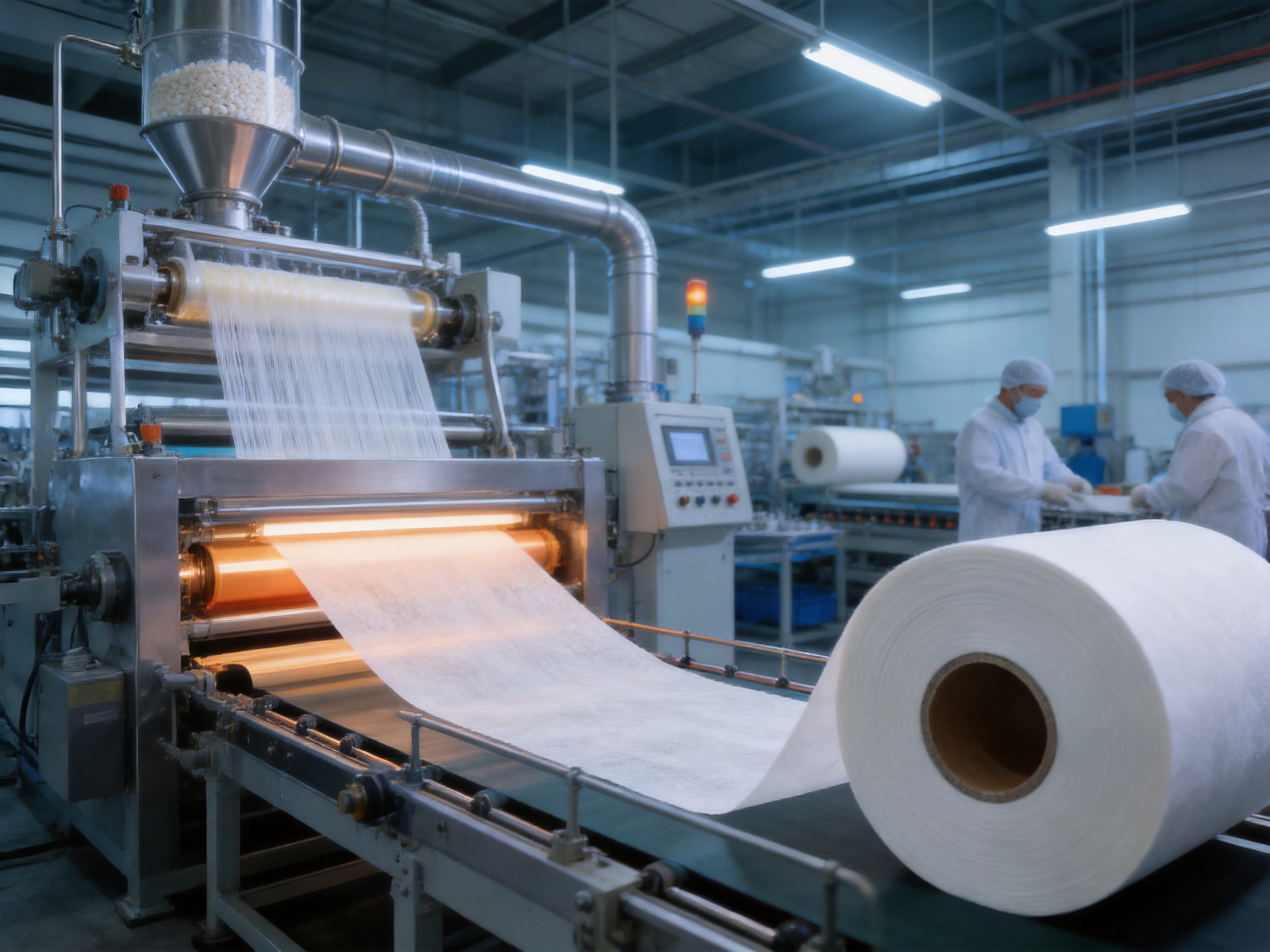
The performance of PLA biodegradable non-woven fabric begins with polymer selection and continues through every stage of production. A stable process is necessary because PLA has different thermal and rheological characteristics from common polypropylene and polyester systems. Manufacturing therefore requires careful control of drying, melting, extrusion, fiber formation, web laying, bonding, winding, and storage.
PLA resin is first selected according to the required melt flow behavior, fiber-forming ability, thermal profile, and end-use requirements. The raw material is handled in a controlled environment to reduce contamination and maintain batch consistency. Because PLA can be sensitive to moisture during processing, drying and material conditioning are important steps in protecting polymer quality.
Excess moisture can contribute to hydrolytic degradation during melting, which may reduce molecular weight and affect fiber strength. A professional production process therefore pays close attention to resin storage, drying temperature, residence time, and feeding stability. These controls help produce a more uniform melt and reduce variation across the final fabric roll.
During extrusion, PLA pellets are heated and converted into a homogeneous polymer melt. Temperature control must be accurate enough to melt the polymer while avoiding unnecessary thermal damage. Screw design, pressure stability, filtration, and throughput control all influence the final fiber-forming performance.
Advanced production requires the melt to remain consistent across the width of the machine. Variations in temperature or pressure can produce differences in filament diameter, web weight, tensile strength, and surface appearance. Continuous monitoring helps manufacturers identify process deviations before they affect a large quantity of material.
In spunbond production, the molten PLA is extruded through fine spinneret openings to form continuous filaments. High-speed air draws and stretches the filaments, reducing their diameter and improving molecular orientation. The filaments are then distributed across a moving forming belt to create a web.
The web is bonded through a controlled thermal process or another suitable bonding method. Bonding conditions influence softness, strength, elongation, pore structure, and dimensional stability. Too little bonding can result in poor web integrity, while excessive bonding may make the fabric stiff and reduce breathability. The manufacturing objective is to achieve a balanced structure suitable for the target application.
In meltblown production, the molten polymer is extruded through a die and attenuated by high-velocity hot air. This creates very fine fibers that form a dense, high-surface-area web. Meltblown PLA can be considered for filtration, absorbent, protective, and specialty applications where fine fiber structure is beneficial.
Air temperature, air pressure, die geometry, polymer throughput, and collector distance affect fiber diameter and web uniformity. These parameters must be coordinated carefully to prevent excessive shot formation, uneven distribution, or unstable web formation. A controlled process is particularly important when the fabric is intended for filtration or other applications requiring consistent performance.
PLA can be thermally bonded at lower temperatures than some conventional synthetic materials. This characteristic can support energy-efficient processing and reduce the thermal load on the fabric during bonding and converting. Lower bonding temperatures may also be helpful when the material must retain softness or when it is laminated with temperature-sensitive components.
Surface characteristics can be adjusted according to the application. Customers may require a soft skin-contact surface for hygiene products, a firmer structure for bags, a more open structure for breathable agricultural covers, or a controlled surface for coating and printing. Production expertise is needed to balance surface feel with strength and dimensional stability.
After bonding, the fabric is wound into rolls under controlled tension. Roll hardness, edge quality, winding alignment, and core selection affect transportation and downstream converting. Uneven tension can cause telescoping, wrinkles, or difficulty during slitting and bag making.
Inspection may include visual checks, weight measurement, width verification, tensile testing, color evaluation, and surface analysis. When customers require specialized performance, additional tests can be arranged. Proper packaging protects the rolls from moisture, dust, crushing, and other risks during storage and transportation.
Shanghai seaport service supports international shipment planning for customers purchasing from overseas markets. Production by order also enables the manufacturer to coordinate material specifications, quantities, delivery schedules, packaging requirements, and technical communication before the production run begins.
PLA non-woven fabric is not intended to replace every conventional non-woven material in every application. Polypropylene, polyethylene, polyester, and other polymers each have their own performance advantages. The value of PLA is that it provides a credible alternative when renewable origin, industrial compostability, lower processing temperatures, and sustainability positioning are priorities.
| Performance Consideration | PLA Biodegradable Non-Woven Fabric | Conventional Petroleum-Based Alternatives |
|---|---|---|
| Raw material origin | Plant-based PLA derived from renewable resources | Commonly derived from fossil-based petrochemical feedstocks |
| End-of-life pathway | Designed for industrial composting under controlled conditions | Often persistent unless recycled through an appropriate system |
| Processing temperature | Can support lower-temperature thermal bonding | May require higher temperatures depending on polymer and process |
| Surface feel | Can provide a soft and comfortable non-woven surface | Varies by polymer, fiber size, and finishing method |
| Application flexibility | Suitable for hygiene, packaging, agriculture, filtration, and industrial uses | Broad application range, but end-of-life may be less favorable |
| Sustainability communication | Supports renewable and compostable product positioning | May require other strategies to reduce fossil-material dependence |
The strongest competitive advantage appears when a customer evaluates the complete life cycle rather than only the initial purchase price. A PLA product may provide additional value through sustainability compliance, retailer acceptance, reduced fossil content, and improved brand differentiation. It can also help manufacturers respond to plastic-reduction policies and customer requests for compostable materials.
In addition, PLA non-woven fabric can be processed on standard converting equipment for operations such as slitting, heat sealing, ultrasonic welding, coating, and laminating, subject to suitable machine settings. This can lower the barrier to adoption because customers may not need to replace an entire converting line.
A sustainable material must perform reliably during manufacturing, transportation, use, and disposal. PLA non-woven fabric is engineered to provide useful tensile strength, tear resistance, and dimensional stability. These characteristics are influenced by polymer grade, filament orientation, basis weight, bonding pattern, fiber diameter, and finishing.
Spunbond PLA structures can be designed for continuous strength and balanced performance in both machine and cross-machine directions. A stable web is important for bag making, cutting, sewing, heat sealing, and automated packaging. Consistent roll quality helps reduce web breaks and production interruptions.
Higher-basis-weight constructions can provide greater coverage and body for demanding applications. A 100 GSM material may be selected where a stronger protective layer or more substantial packaging structure is needed. Lower-basis-weight fabrics can be used where flexibility, breathability, and material efficiency are more important than maximum resistance.
Although PLA offers good functional performance, product developers should match the grade and structure to the intended environment. Excessive heat, prolonged moisture exposure, strong alkaline conditions, or high mechanical stress may affect performance. Technical trials should be conducted before large-scale commercial production, particularly for products exposed to liquids, elevated temperatures, or repeated handling.
The soft touch of a non-woven fabric is important for face masks, wipes, sanitary products, disposable gowns, liners, and other products that contact the skin. PLA fibers can be formed into a smooth and comfortable web, making the material suitable for applications where user experience matters.
Non-woven construction also supports breathability. Air permeability can be adjusted through fiber diameter, web density, basis weight, and bonding pattern. A breathable structure may improve comfort in hygiene and medical-adjacent products while also supporting air exchange in agricultural covers and protective packaging.
Softness and strength must be balanced carefully. A fabric that is extremely soft may not provide sufficient tear resistance, while an overly dense or heavily bonded fabric may feel stiff. Manufacturing control enables the producer to develop a structure appropriate to the customer’s priorities.
For direct skin-contact products, the complete formulation and finishing system should be reviewed. Buyers should request suitable safety documentation and conduct tests relevant to the intended market, including skin irritation, sensitization, odor, cleanliness, and chemical residue where necessary.
The product information identifies antibacterial performance as one of the key features of PLA biodegradable non-woven fabric. This characteristic may be valuable in wipes, hygiene products, disposable protective items, and medical-adjacent applications where odor, microbial growth, and cleanliness are important considerations.
The supplied product description attributes the antibacterial behavior to the nature of the PLA material rather than to a separate chemical biocide finish. This can be beneficial for product developers seeking to minimize additional treatments. Avoiding unnecessary antimicrobial coatings may simplify formulation, reduce the number of ingredients, and support a cleaner material story.
However, antibacterial claims must be supported by appropriate laboratory testing. Performance can vary according to humidity, contact time, test organism, fabric structure, surface treatment, and product formulation. Buyers should confirm the precise test method, reduction level, test conditions, and applicable regulatory requirements before making a finished-product claim.
For hygiene and healthcare applications, antibacterial performance is only one part of product safety. Manufacturers must also evaluate cleanliness, filtration, breathability, fluid resistance, biocompatibility, sterilization compatibility, and the requirements of the relevant market. PLA fabric can serve as a useful component, but the final product must be validated as a complete system.
Good UV stability is another listed product feature. Exposure to sunlight can cause polymer degradation, discoloration, loss of strength, and embrittlement in many materials. A non-woven fabric with suitable UV resistance can retain its appearance and structural integrity for longer periods in outdoor or semi-outdoor applications.
Potential uses include agricultural crop covers, fruit protection bags, temporary protective layers, outdoor packaging, transport materials, and selected geotextile or landscaping products. The material’s performance will depend on exposure intensity, climate, temperature, moisture, fabric thickness, color, and exposure duration.
Outdoor developers should define the expected service period. A compostable agricultural cover may be intentionally designed for seasonal use, while a protective transport layer may only need to remain stable for several weeks. The ideal UV and biodegradation balance depends on the product’s life cycle and disposal plan.
Testing under accelerated weathering conditions can help estimate performance, but outdoor trials may still be useful because real-world conditions vary. The manufacturer can cooperate with customers to review the required durability level and develop a suitable specification for the application.
PLA fibers can be thermally bonded at lower temperatures than many conventional synthetic fibers. This provides several potential benefits. Lower-temperature bonding may reduce energy consumption during certain production stages, decrease thermal stress, and improve compatibility with temperature-sensitive substrates or coatings.
Lower processing temperatures can also support more efficient converting. Heat sealing, embossing, laminating, and other operations may be optimized to avoid unnecessary overheating. The exact settings depend on fabric construction, machine speed, pressure, dwell time, seal geometry, and the materials being joined.
Energy savings should be verified through actual production measurements rather than assumed solely from polymer type. Machine efficiency, line speed, heating system design, drying requirements, and factory conditions all influence total energy use. Nevertheless, the lower thermal bonding profile of PLA can provide a meaningful starting point for process optimization.
Manufacturers adopting PLA should conduct trials that compare sealing strength, production speed, edge quality, and reject rates. A well-designed process can preserve productivity while taking advantage of the polymer’s thermal characteristics.
One advantage of this non-woven fabric is its compatibility with common downstream operations. The material can be slit into narrower rolls, cut into sheets, heat sealed, ultrasonically welded, coated, laminated, printed, or incorporated into multilayer products, provided that the process parameters are adjusted appropriately.
Slitting performance depends on blade condition, web tension, roll hardness, and fabric strength. Clean edges are important for bag production, hygiene components, and automated assembly. Heat sealing requires careful adjustment because PLA responds differently from polypropylene or polyethylene. Excessive heat may deform the fabric, while insufficient heat may produce weak seals.
Ultrasonic welding can be useful for joining PLA-based components without applying external adhesives. The suitability of this method depends on fabric thickness, horn design, welding energy, pressure, and cycle time. Coating and laminating may be selected when additional barrier, printability, stiffness, or functional performance is required.
Customers should not assume that identical settings used for another polymer will produce the same result with PLA. A structured trial program can identify the best temperature, speed, pressure, and tension combination. GC FIBER’s experience with multiple functional yarn and textile categories supports technical discussions when customers need to adapt the material to existing production lines.
Hygiene is one of the most promising application areas for PLA non-woven fabric. Its soft touch, breathability, renewable origin, and compostability make it suitable for selected disposable products where conventional plastic reduction is a priority.
In these applications, the fabric may function as an outer layer, topsheet, backing layer, filtration layer, or protective structure. Product designers can select different GSM levels and web densities according to softness, air permeability, liquid handling, and strength requirements.
Medical-adjacent products require special caution. A compostable raw material does not automatically make a product medical-grade, sterile, or suitable for clinical use. Finished products must comply with relevant regulations, performance specifications, and quality-management requirements. The PLA fabric should be assessed as one component within the complete product design.
Retailers and packaging companies are increasingly searching for materials that can replace conventional plastic bags and wraps. PLA non-woven fabric can be used for selected packaging structures where a soft, printable, breathable, or compostable material is desirable.
Packaging designers benefit from the fabric’s ability to be converted into different shapes and formats. The material can be cut, folded, stitched, heat sealed, or laminated depending on the product design. Its non-woven structure may provide a distinctive surface appearance that helps brands differentiate sustainable packaging from ordinary plastic film.
For food-contact applications, the final packaging system must be evaluated for migration, odor, cleanliness, barrier performance, and regulatory compliance. PLA fabric may be appropriate for certain food-related uses, but the suitability of inks, adhesives, coatings, and other components must also be verified.
Agricultural products often require a combination of breathability, light management, mechanical durability, and controlled service life. PLA non-woven fabric can be considered for crop covers, mulch layers, fruit protection bags, plant wraps, and other temporary agricultural materials.
Good UV stability helps the fabric maintain performance during exposure to sunlight. At the end of the intended service period, industrial compostability may offer a more favorable disposal route than conventional agricultural plastics, which can be difficult to collect and recycle when contaminated with soil or plant residue.
The appropriate design depends on crop type, climate, exposure time, wind load, moisture conditions, and installation method. Higher GSM constructions may be selected for greater mechanical resistance, while lighter fabrics may be preferred when ventilation and low material usage are priorities.
Field testing is recommended because agricultural conditions vary significantly. A material suitable for a short spring application may not be suitable for prolonged summer exposure. The product should be developed around the complete seasonal cycle, including removal, collection, and industrial composting arrangements.
Beyond consumer products, PLA non-woven fabric can serve a broad range of industrial purposes. Potential uses include filtration media, airline disposables, tablecloths, protective layers, automotive interior linings, and temporary industrial covers.
In catering and food-service applications, the fabric can provide a lightweight and presentable material for disposable table coverings, tray liners, packaging accessories, and service items. The renewable and compostable positioning may be attractive to restaurants, hotels, airlines, event organizers, and institutional food providers.
In filtration, meltblown structures may be considered where fine fibers and high surface area are needed. Filtration performance depends on fiber diameter, web density, electrostatic properties, pressure drop, humidity, and target particle size. A technical specification should be developed for the exact filtration objective rather than relying solely on the material name.
Automotive and industrial applications may use PLA non-woven fabric as an interior lining, protective layer, or temporary component. In these environments, developers should evaluate temperature resistance, aging, flammability, odor, dimensional stability, and compatibility with adhesives or composite materials.
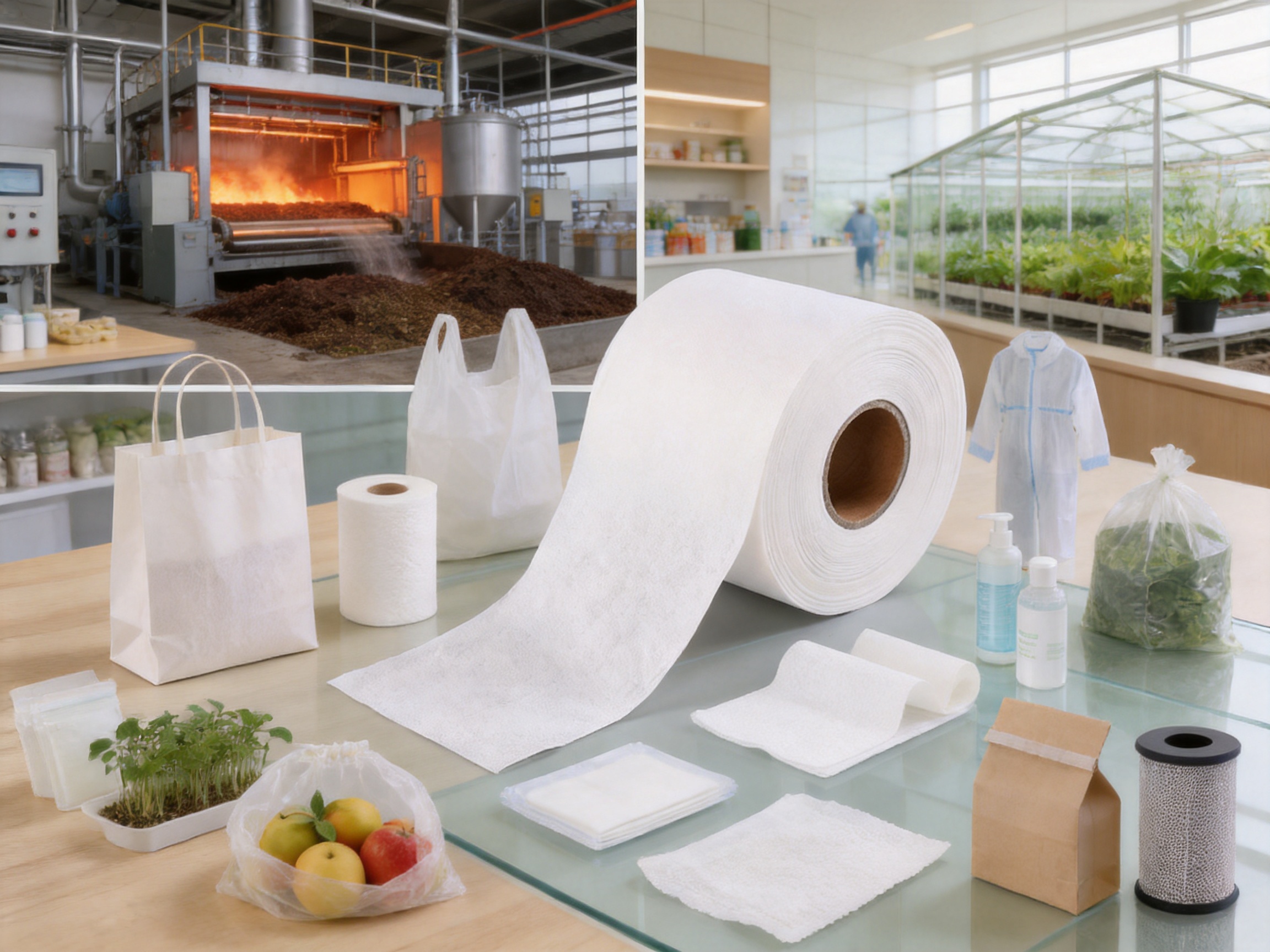
Reliable non-woven production requires quality control at both the raw-material and finished-fabric stages. Important controls include resin condition, moisture level, melt stability, filament uniformity, web weight, roll width, bonding strength, tensile properties, color, surface appearance, and packaging integrity.
For customers purchasing material for automated converting, consistency from roll to roll is particularly important. Variations in weight, width, tension, or thermal response can lead to machine stoppages and product defects. A controlled production system helps improve output stability and reduce waste.
Special production by order allows the specification to be developed around the customer’s application. The customer may provide target weight, width, strength, softness, color, roll length, packaging format, and end-use requirements. The manufacturer can then assess suitable production parameters and recommend a trial structure.
Customer cooperation is also useful when developing new materials. GC FIBER’s broader product portfolio includes several functional and specialty yarn categories, creating a foundation for cross-material development. A customer may require a PLA structure combined with another functional component, or may need a new bio-based textile concept for a specific market.
Technical cooperation should ideally begin with a clear application brief. This should identify the product’s intended service life, processing equipment, environmental exposure, required certifications, performance targets, and end-of-life route. A detailed brief improves the likelihood that the first sample will be relevant and commercially useful.
GC FIBER, operated by NanTong Global Chemical Fiber Co., Ltd., has been a special textile factory in China since 2006. The company researches, develops, produces, and sells special and functional eco-friendly textile products. Its product categories include biodegradable yarn, low melting yarn, ECDP yarn, anti-static yarn, HDPE yarn, bio-component yarn, and polyester filament yarn.
This product range provides valuable experience in polymer behavior, fiber formation, functional modification, thermal processing, and textile application development. PLA biodegradable non-woven fabric benefits from this broader technical background because its production requires an understanding of both polymer processing and downstream textile performance.
The company’s focus on special and functional materials distinguishes it from suppliers that only produce standard commodity fabrics. Functional materials often require closer cooperation, more precise process control, and greater attention to application-specific requirements. This is particularly important for customers developing new compostable products or replacing an existing petroleum-based material.
Research and development capability is another important strength. Sustainable materials are still evolving, and customers may need solutions involving different fiber structures, basis weights, bonding methods, blends, or processing conditions. A manufacturer that can cooperate on new materials is better positioned to support product innovation rather than simply supplying a fixed standard item.
The company’s location in Jiangsu Province provides access to China’s developed textile manufacturing and logistics networks. International customers can coordinate production and shipment through Shanghai seaport. This supports export planning for customers in Asia, Europe, North America, and other markets, subject to the applicable shipping and regulatory requirements.
For brand owners, the material offers a way to combine functional performance with a strong sustainability narrative. Renewable PLA content can support product communication about plant-based materials, while industrial compostability can help address end-of-life concerns in suitable product categories.
For product developers, the fabric offers design flexibility. Different GSM levels can be selected according to product requirements, while spunbond and meltblown technologies offer different balances of strength, softness, breathability, and filtration. The fabric can also be processed into a range of shapes and multilayer constructions.
For manufacturers, compatibility with slitting, heat sealing, ultrasonic welding, coating, and other standard operations can reduce the need for major equipment investment. Process trials are still necessary, but the transition may be more manageable than adopting an entirely unfamiliar manufacturing platform.
For retailers and institutional buyers, the product can support plastic-reduction goals and responsible sourcing programs. It may also help companies prepare for changing regulations related to single-use plastics, packaging waste, compostability, and extended producer responsibility.
The correct fabric should be selected according to the complete application rather than a single feature. Buyers should first identify whether they need a lightweight, medium-weight, or heavy-duty construction. The 30 GSM, 50 GSM, and 100 GSM options provide a practical starting point for comparison.
The next consideration is the required processing method. If the fabric will be heat sealed, the customer should provide information about machine type, temperature range, dwell time, pressure, and production speed. If the fabric will be coated or laminated, the compatibility of the coating or adhesive should be assessed.
Environmental conditions should also be defined. Outdoor products require information about UV exposure, moisture, temperature, wind, and expected service life. Hygiene and medical-adjacent products require information about skin contact, cleanliness, sterilization, breathability, and regulatory status.
Finally, the end-of-life pathway must be confirmed. If industrial composting is not available in the target market, another disposal or recovery strategy may be more appropriate. Sustainability is strongest when material selection, product design, collection, processing, and communication are aligned.
Yes. PLA is a bio-based polymer generally produced from renewable plant resources such as corn starch and sugarcane. The exact renewable content and supply-chain details should be confirmed through the technical documentation for the selected grade.
No. The product is designed for industrial composting, where controlled temperature, humidity, aeration, and microbial activity support breakdown. Home composting systems often do not provide the conditions required for reliable decomposition.
No. Compostability is not permission to discard the material into the environment. The fabric should be collected and sent to a suitable industrial composting facility. Natural soil, freshwater, seawater, and roadside conditions may not support rapid or complete breakdown.
The listed options include 30 GSM, 50 GSM, and 100 GSM. Other specifications may be considered through special production by order, depending on equipment capability, order quantity, and technical requirements.
Yes. It can be considered for biodegradable shopping bags and other packaging products. The bag design should be tested for tensile strength, handle strength, tear resistance, seal performance, moisture exposure, and the intended weight capacity.
Yes. The fabric offers good UV stability and can be considered for selected agricultural, packaging, transport, and protective applications. Outdoor performance depends on climate, exposure time, fabric weight, color, and construction, so field or accelerated testing is recommended.
The product information identifies antibacterial behavior as a feature of the PLA non-woven fabric. Specific antibacterial claims should be supported by testing using an appropriate recognized method. Performance may vary according to fabric structure, moisture, contact time, and the target microorganism.
The supplied product description states that the antibacterial characteristic is inherent to the PLA material and does not require a separate chemical biocide coating. Customers should request technical test results and verify the claim for the specific grade and finished product.
Yes. PLA non-woven fabric can be evaluated for heat sealing, but the correct temperature, pressure, dwell time, and machine speed must be established through trials. Settings used for polypropylene or polyethylene may not provide the best result with PLA.
It can be considered for ultrasonic welding and similar joining processes. Suitability depends on fabric weight, construction, equipment design, welding energy, pressure, and cycle time. Sample testing is recommended before commercial production.
It may be suitable for selected food-related applications, but food-contact compliance applies to the complete product and all components. Migration, odor, cleanliness, inks, adhesives, coatings, and processing conditions must be evaluated for the destination market.
It can be used in selected medical-adjacent or hygiene products, including disposable protective items. A PLA fabric is not automatically medical-grade or sterile. The final product must meet all relevant medical, safety, cleanliness, and performance requirements.
A quotation request should include the target GSM, roll width, estimated quantity, color, application, required strength, processing method, packaging requirements, delivery destination, certification needs, and expected order schedule. These details help the manufacturer recommend a suitable product and prepare an accurate offer.
A practical evaluation should begin with application analysis. The customer should identify the primary function of the material, the expected service period, the processing route, and the disposal method. This prevents sustainability claims from being separated from real product performance.
The second step is sample testing. Samples should be converted using the customer’s actual or representative equipment. Important observations include feeding stability, cutting quality, sealing behavior, web break frequency, surface appearance, and finished-product strength.
The third step is laboratory verification. Depending on the application, this may include tensile testing, tear testing, elongation, air permeability, water resistance, UV aging, thermal analysis, antibacterial evaluation, compostability testing, and chemical safety testing.
The fourth step is pilot production. A pilot run confirms whether the material performs consistently at a larger scale. It also identifies packaging, storage, transportation, and roll-handling issues that may not appear during small laboratory trials.
The final step is documentation and commercial approval. The customer should establish the agreed specification, inspection method, acceptable tolerances, packaging standard, certificate requirements, and change-control procedure. This creates a clear basis for repeat orders and long-term cooperation.
PLA biodegradable non-woven fabric provides a practical material option for companies seeking renewable, compostable, and functional alternatives to traditional petroleum-based non-wovens. Its plant-based origin, industrial compostability, soft touch, useful strength, lower-temperature bonding potential, antibacterial positioning, and good UV stability create value across hygiene, packaging, agriculture, catering, filtration, and industrial applications.
The product’s competitive strength is not based on a single environmental feature. It comes from the combination of renewable raw materials, adaptable non-woven technology, standard converting compatibility, multiple GSM options, and customer-specific development. When the fabric is correctly designed and connected to an appropriate industrial composting system, it can support a more responsible product life cycle.
Manufacturing quality is equally important. Stable resin preparation, moisture control, extrusion, fiber formation, web laying, bonding, winding, inspection, and packaging all influence the final result. GC FIBER’s experience in special and functional textile materials, together with its research and development capabilities, provides a foundation for supplying customized eco-friendly textile solutions.
For customers evaluating PLA fabric, the best approach is to define the application clearly, test representative samples, confirm regulatory and compostability requirements, and validate the complete finished product. With the right specification and process conditions, PLA biodegradable non-woven fabric can help manufacturers reduce fossil-material dependence while maintaining the performance required by modern markets.
1. General principles of polylactic acid polymer production and bio-based material processing.
2. Technical literature on spunbond and meltblown non-woven fabric manufacturing.
3. International guidance concerning industrial compostability, biodegradation, and disintegration testing.
4. Research literature on PLA fiber formation, thermal bonding, mechanical properties, and environmental performance.
5. Industry practices for non-woven fabric tensile testing, air permeability, UV aging, and converting evaluation.
6. Product information and technical specifications supplied for PLA biodegradable non-woven fabric, including 30 GSM, 50 GSM, and 100 GSM options.
7. Company information supplied for NanTong Global Chemical Fiber Co., Ltd. and its special and functional textile product portfolio.
It is made with Bio-base PLA, fully biodegradable Feature: 1. Industrial compost product 2. Made with PLA 3. Eco-frie...
READ MOREPlease fill out the form below and our team will contact you as soon as possible.
Addres: No.66 Qiaogang Road, Haian, Nantong City, Jiangsu Province, China
E-mail: service@gcfiber.com admin@gcfiber.com
Copyright ? GC FIBER All Rights Reserved. Eco-Friendly Textile Products Manufacturer Biodegradable Yarn Company