English
 中文简体
中文简体It is made with Bio-base PLA, fully biodegradable Feature: 1. Industrial compost product 2. Made with PLA 3. Eco-frie...
READ MORE
Content
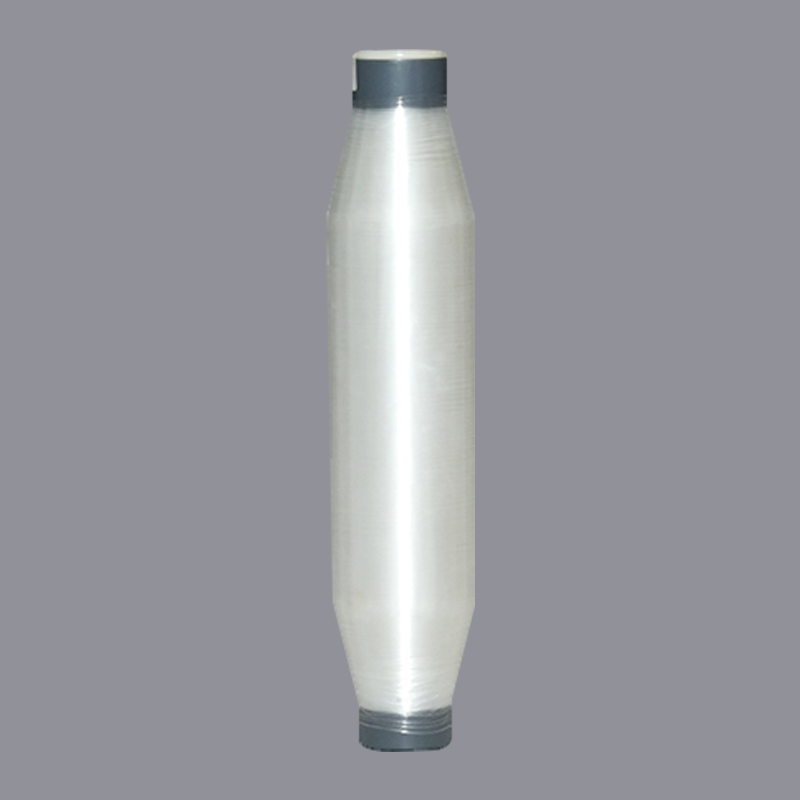
Pure Nylon Low Melting Yarn 110 Degree is a thermo-fusible functional yarn developed for textile manufacturing processes that require reliable bonding, high strength, soft handle, and controlled thermal activation. Made from 100% copolyamide, this yarn is engineered to soften and bond at approximately 110°C, allowing manufacturers to create stable textile structures without relying on conventional liquid adhesives, solvent-based bonding agents, or hot-melt powders.
The product combines the established advantages of nylon with the processing convenience of a low-melting material. It offers high tenacity, good abrasion resistance, flexible recovery, smooth rewinding, and a soft feel suitable for applications that come into direct contact with the skin. At the same time, its controlled melting behavior enables it to act as a bonding component in knitted fabrics, lace, ribbons, sewing threads, ropes, cable coverings, and other composite textile structures.
Unlike ordinary nylon filament yarn, which is designed primarily to remain stable during heat processing, low melting nylon yarn is designed to perform a second function after weaving, knitting, sewing, or winding. When exposed to suitable steam, dry heat, a heat press, or an industrial oven, selected portions of the yarn soften and fuse with adjacent fibers or textile components. After cooling, the resulting polymeric bond helps improve structural stability, edge protection, dimensional control, and resistance to separation.
This combination of textile performance and thermal bonding makes the yarn valuable for manufacturers seeking more efficient, cleaner, and more adaptable production methods. It can be supplied in a wide selection of counts, including 20D, 30D, 40D, 50D, 70D, 100D, 150D, 200D, and 300D. Special production by order is also available for customers requiring customized specifications, packaging, or processing characteristics.
Pure Nylon Low Melting Yarn 110 Degree is a functional filament yarn with a nominal melting or activation point of 110°C. Its principal material is copolyamide, a polymer selected for its combination of adhesion, flexibility, strength, and compatibility with textile production. The yarn is available in different denier ranges so that it can be matched with fine lingerie materials, medium-weight apparel fabrics, technical knits, and heavier industrial constructions.
The yarn is intended to function as both a textile component and a bonding agent. During the initial stages of knitting, weaving, sewing, winding, or braiding, it retains sufficient stability to pass through normal processing equipment. During the thermal activation stage, it softens at a controlled temperature and bonds with surrounding fibers or substrates. This makes it possible to reinforce selected areas without coating an entire fabric with adhesive.
Its primary product features include a soft hand feel, high tenacity, easy rewinding, and a 110°C melting point. These characteristics are particularly important for manufacturers that need smooth machine operation before bonding and dependable adhesion after thermal treatment. A yarn that bonds effectively but breaks during rewinding is not commercially practical; similarly, a strong filament that cannot activate at a predictable temperature creates difficulties in production control. The product is designed to address both requirements.
The available denier range allows the yarn to be used in highly detailed designs as well as demanding structural applications. Fine counts can be integrated into delicate lace, lingerie ribbons, narrow webbings, and lightweight fabrics. Medium counts are suitable for general apparel, three-dimensional knitted structures, and bonded sewing thread. Larger counts can provide additional reinforcement in ropes, cable wire coverings, technical fabrics, and composite textile products.
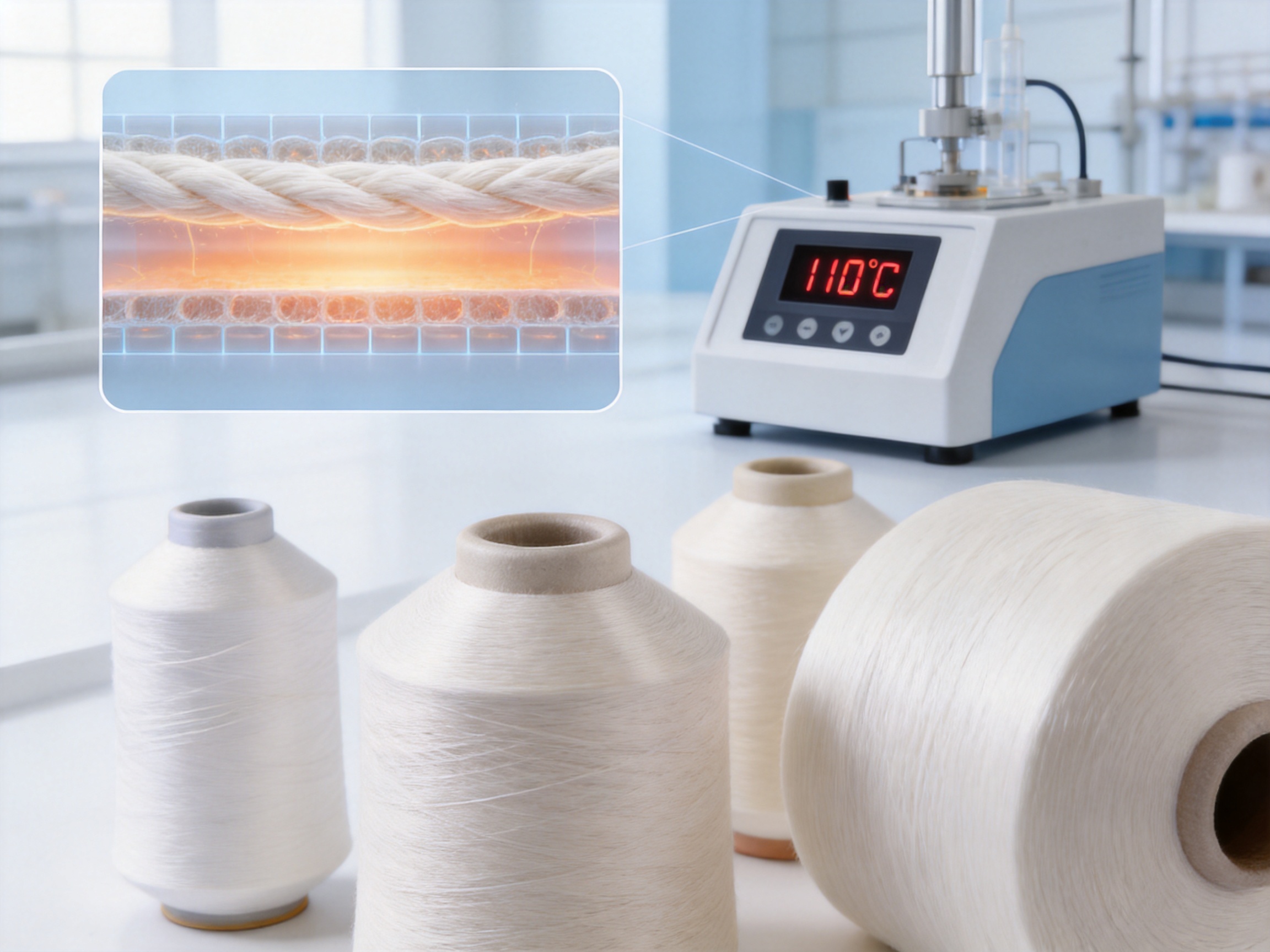
The performance of the yarn depends on a controlled thermal transition. Before heating, the filament behaves as a flexible textile yarn that can be fed through knitting machines, sewing machines, rewinding equipment, and other production systems. When the temperature reaches the activation range, the copolyamide softens and becomes capable of forming an adhesive interface with compatible textile materials.
After the yarn is positioned and heated, the softened polymer flows into the contact points between adjacent fibers, filaments, or textile layers. Cooling then creates a solid bond. The exact result depends on temperature, dwell time, pressure, yarn count, contact area, substrate composition, and the design of the textile structure. Manufacturers can therefore adjust the thermal process to achieve light bonding, edge stabilization, reinforcement, or more substantial structural adhesion.
The nominal 110°C activation point is a practical advantage for many textile factories. It is sufficiently low to support thermal bonding with standard industrial equipment while remaining high enough to withstand many earlier processing steps conducted at lower temperatures. This separation between processing stability and bonding activation helps reduce accidental fusion during preparation, winding, or low-temperature finishing.
In production, the yarn may be introduced as a separate bonding thread, combined with conventional yarns, knitted into selected zones, wrapped around a core, sewn along an edge, or incorporated into a multilayer structure. Once the textile has reached the activation stage, the low-melting component bonds at its programmed location. This targeted approach can reduce the need for broad adhesive coatings and may preserve more of the original fabric’s breathability, flexibility, and appearance.
Thermal activation can be carried out using steam setting, heated rollers, heat presses, industrial ovens, or other controlled heating equipment. The most suitable process should be established through production trials because different substrates and textile constructions absorb heat differently. A factory may also need to regulate pressure and cooling conditions to achieve the desired balance between bonding strength and flexibility.
A predictable activation temperature is one of the product’s most important benefits. The 110°C setting gives manufacturers a clear starting point when developing a bonding process. Instead of relying on a broad or uncertain softening range, production engineers can establish heating conditions around a defined target and then optimize dwell time, pressure, and cooling.
This stability is valuable in high-volume manufacturing, where inconsistency can lead to fraying, delamination, uneven bonding, or distortion. A stable thermal response helps production teams maintain repeatable results from batch to batch. It can also simplify the integration of the yarn into existing steam-setting lines, heat presses, and industrial ovens.
The activation temperature is also useful when processing materials that could be damaged by excessive heat. Lower-temperature bonding can help reduce the risk of scorching, discoloration, shrinkage, or loss of elasticity in sensitive textile components. Proper trials remain essential, but the 110°C range provides a practical processing window for many apparel and technical textile applications.
The yarn combines low-melting functionality with the inherent strength and toughness associated with nylon. High tenacity helps the filament withstand tension during winding, knitting, sewing, braiding, and installation. It also improves the ability of the finished textile structure to resist pulling, abrasion, and repeated handling.
In applications such as bonded sewing thread, rope components, cable coverings, and three-dimensional knitted fabrics, the yarn must contribute more than adhesion. It must also remain mechanically reliable during processing and service. The product is designed to provide structural support while preserving the flexibility required by textile products.
Compared with low-strength adhesive fibers or brittle bonding materials, high-tenacity low-melting nylon can offer a more balanced performance profile. It can help stabilize a structure without making the finished product excessively rigid. This is particularly important in clothing, sports equipment, footwear uppers, and flexible technical materials.
Softness is essential when a yarn is used in underwear, lingerie, bedding, seamless garments, and other products that touch the skin. Pure Nylon Low Melting Yarn 110 Degree is designed to retain a smooth and soft feel, helping manufacturers create bonded structures without introducing harsh or abrasive areas.
The soft hand feel also benefits fashion and decorative applications. In lace, narrow ribbons, chenille yarn, and embellished fabrics, the bonding component should support the structure without becoming visually or physically intrusive. When correctly selected and processed, the yarn can contribute to a clean appearance and comfortable surface.
Softness must always be evaluated together with bonding strength, because excessive softness alone does not guarantee performance. The value of this product lies in its balance: it provides a functional thermal bond while maintaining the flexible textile character expected from a nylon filament.
Easy rewinding is a practical manufacturing advantage that directly affects productivity. Yarn intended for automated equipment must form stable packages, unwind consistently, and pass through guides and tension systems without excessive friction or frequent breaks. Controlled elongation and suitable tensile performance help the yarn operate more smoothly on high-speed rewinding machines.
Stable rewinding can reduce downtime caused by broken filaments, package collapse, uneven tension, and manual interventions. It also helps manufacturers maintain consistent feed rates during knitting, sewing, and braiding. These benefits are especially important when the yarn is used in narrow or intricate designs where a small interruption can damage a complete product.
GC FIBER’s manufacturing experience in special and functional textile materials supports the development of yarn packages suitable for commercial production. Through controlled spinning, drawing, winding, inspection, and packaging procedures, the company works to maintain uniformity across the yarn length and reduce defects that could interfere with automated processing.
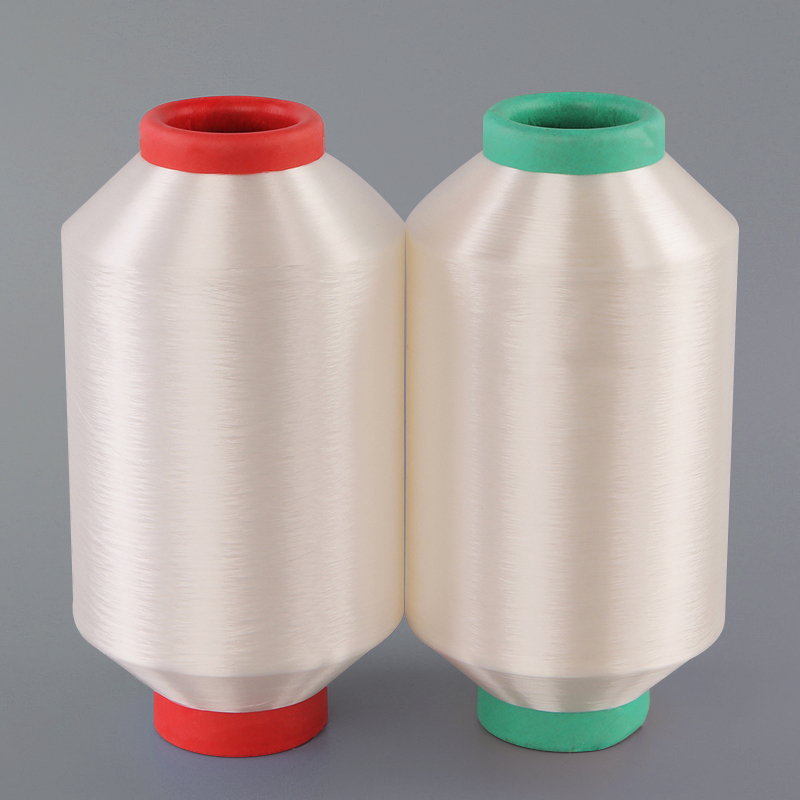
Pure Nylon Low Melting Yarn 110 Degree
Traditional textile bonding may use liquid adhesives, solvent-based systems, hot-melt powders, adhesive films, or separate coating operations. Each method can be useful in the right application, but each may also introduce limitations related to application accuracy, drying time, chemical handling, residue, stiffness, or equipment complexity.
A low-melting yarn can place the bonding material directly into the textile structure. This makes the bonding process more localized and can reduce the need for a separate adhesive-coating line. The yarn can be sewn, knitted, woven, or wrapped into a specific area, allowing the manufacturer to control where the bond is formed.
Compared with liquid glue, the yarn can provide cleaner handling and more consistent material placement. Liquid adhesives may spread beyond the intended area, require drying, or create visible marks. By contrast, a thermo-fusible yarn can be positioned as a precise filament or thread and activated only during a controlled heating stage.
Compared with hot-melt powder, the yarn can be easier to manage in applications that require linear reinforcement or narrow bonding zones. Powder distribution must be carefully controlled to prevent uneven coverage, contamination, or excess material. A yarn provides a defined path and can be incorporated into a programmed textile pattern.
Compared with adhesive films, the low-melting yarn can offer greater flexibility in three-dimensional and irregular structures. Films are often more suitable for broad, flat surfaces, while yarn can follow curves, seams, edges, openings, and complex knitted geometries. This makes it useful for products that cannot be bonded effectively through a single flat layer.
The product may also reduce the need for solvent-containing adhesive systems. Its thermal bonding mechanism is based on polymer softening and cooling rather than evaporation of a liquid carrier. This can simplify workplace handling and contribute to cleaner production environments, subject to the manufacturer’s complete process controls and applicable regulations.
Another competitive advantage is the combination of bonding and mechanical performance. Some adhesive products create strong initial adhesion but provide limited tensile strength or poor resistance to repeated flexing. Pure Nylon Low Melting Yarn 110 Degree is designed to remain a functional textile filament before activation and a flexible reinforcing component after bonding.
The performance of a functional yarn begins with raw-material selection. GC FIBER uses a copolyamide formulation for this product and controls the material preparation stage to support consistent melt behavior, filament formation, and yarn performance. Raw materials must be handled carefully because moisture, contamination, and variation in polymer properties can affect spinning stability and final thermal behavior.
During polymer preparation and melting, process parameters are managed to achieve a uniform molten polymer. Temperature control is particularly important because excessive heat can affect polymer stability, while insufficient heat can create incomplete melting or inconsistent flow. Filtration systems help remove unwanted particles before the polymer enters the spinning pack.
In the spinning stage, the molten polymer is extruded through precision spinnerets to form continuous filaments. Spinneret design, extrusion pressure, cooling conditions, and take-up speed influence filament diameter, surface quality, and uniformity. A stable spinning environment helps reduce thick and thin places, filament breaks, and variations in denier.
After filament formation, drawing or orientation processes may be used to develop the desired balance of strength, elongation, and flexibility. These operations must be carefully matched to a low-melting copolyamide because the yarn needs adequate mechanical stability during processing while retaining its intended thermal activation behavior.
Interlacing, lubrication, and other yarn treatment steps may be applied according to the required end use. These processes can improve cohesion, reduce friction, and support smooth feeding through textile machinery. The treatment level must be optimized so that the yarn remains easy to process without interfering with thermal bonding or compatibility with the target substrate.
Precision winding converts the continuous filament into packages suitable for shipment and customer use. Package density, winding tension, edge formation, and traverse control all influence unwinding performance. Poorly formed packages can cause tension variation and machine stoppages, so winding quality is a key part of the product’s commercial performance.
Quality inspection may include appearance checks, denier verification, tensile testing, elongation measurement, thermal activation evaluation, package inspection, and rewinding trials. Depending on the application, customers may also require washability testing, bond-strength testing, abrasion assessment, dimensional stability evaluation, or compatibility testing with specific fibers and fabrics.
GC FIBER has operated as a special textile factory in China since 2006. Its experience includes research, development, production, and sales of functional eco-friendly textile products. This background supports an application-oriented approach in which yarn design is considered together with the customer’s machinery, substrate, heating equipment, and final product requirements.
The company also cooperates with customers to develop new materials. This cooperation can be important when an existing standard count or thermal profile does not fully meet a specific requirement. Development discussions may cover denier, package size, bonding behavior, color, compatibility, winding characteristics, or the need for a particular textile construction.
Consistency is especially important for low-melting yarn because small variations in thermal behavior can affect the final bond. A yarn that activates too early may create processing problems, while a yarn that activates too late may fail to provide sufficient adhesion. Uniform polymer preparation, spinning conditions, drawing, and winding help reduce these risks.
Production control also protects the mechanical characteristics of the yarn. High tenacity and easy rewinding depend on a stable filament structure. The yarn must be strong enough to withstand tension but flexible enough to form a soft and adaptable bond. This balance is achieved through coordinated control of material formulation and process conditions rather than through a single production step.
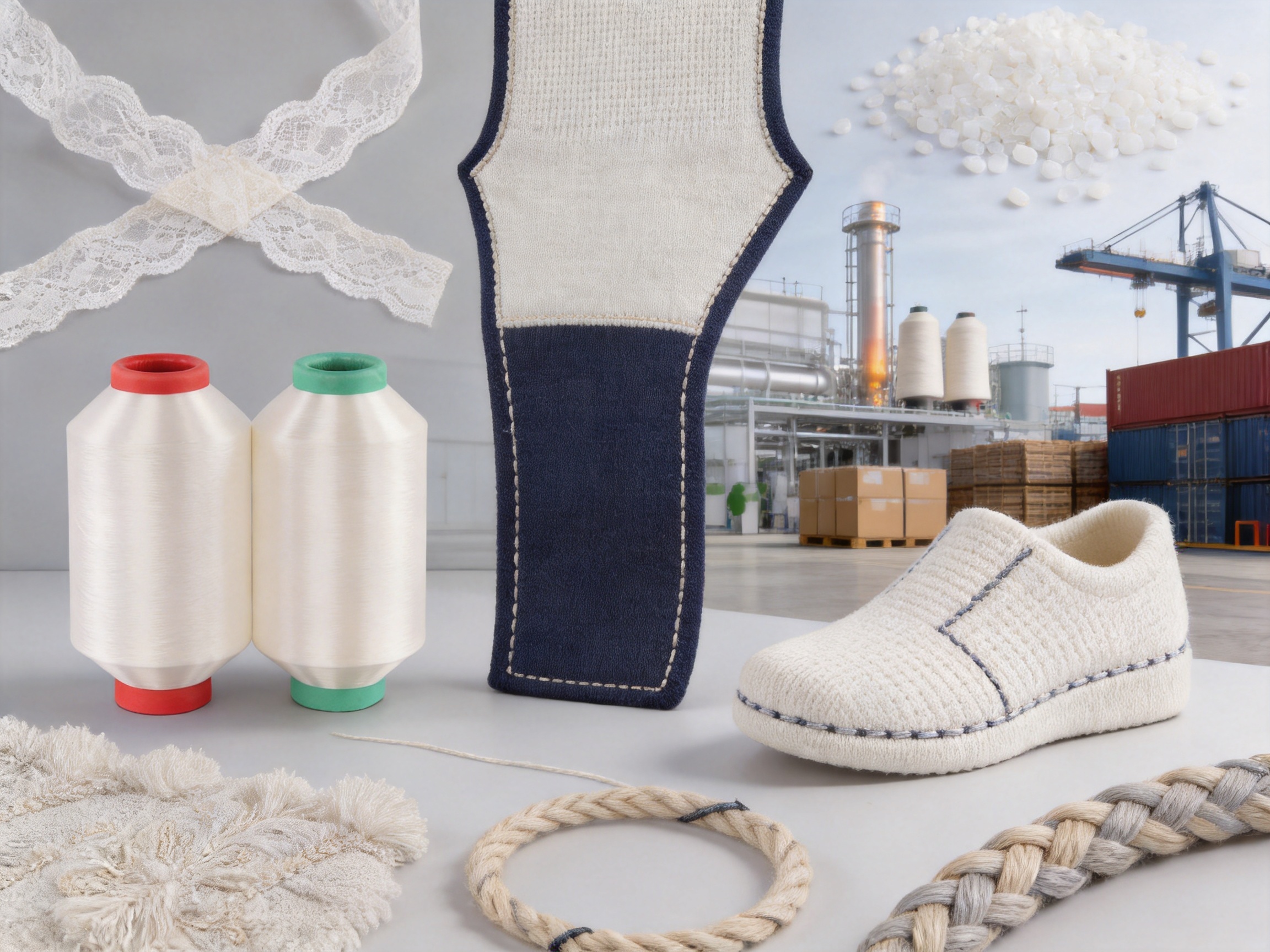
Different applications require different performance priorities. Fine lace may prioritize softness, transparency, and delicate bonding. A 3D knitted shoe upper may require stronger structural support and resistance to repeated deformation. A bonded sewing thread may require a balance of smooth running, seam stability, and wash resistance. Rope and cable applications may require higher mechanical reinforcement.
For this reason, GC FIBER’s functional yarn approach is not limited to selling a standard product. The company can discuss the customer’s process and help identify a suitable count and construction. Special production by order allows the product range to serve both general textile manufacturers and customers with more specialized technical needs.
| Available Count | Typical Positioning | Potential Application Direction |
| 20D | Fine and lightweight | Delicate lace, fine lingerie components, lightweight decorative fabrics |
| 30D | Fine functional filament | Ribbons, narrow fabrics, lightweight apparel, detailed textile structures |
| 40D | Fine-to-medium | Lace reinforcement, lingerie, seamless garments, fine knitted components |
| 50D | Medium-light | Apparel bonding, narrow webbings, sewing applications, decorative textiles |
| 70D | Medium | General knitted fabrics, sportswear, reinforced textile structures |
| 100D | Medium and versatile | 3D knitted fabric, bonded sewing thread, technical textile components |
| 150D | Medium-heavy | Structural support, ropes, heavier knitted constructions, industrial uses |
| 200D | Heavy functional yarn | Heavy-duty bonding, reinforcement, cable coverings, robust textile products |
| 300D | Heavyest listed count | Rope, technical structures, industrial reinforcement, heavy composite applications |
The count should be selected according to the required bonding area, fabric weight, machine settings, appearance, and mechanical performance. A finer yarn can provide discreet reinforcement and a lighter hand, while a heavier yarn can contribute more polymer and greater structural support. The correct choice may also depend on whether the yarn is used alone or combined with another filament.
Manufacturers should consider the density of the textile structure. In an open mesh, a heavier bonding yarn may be needed to create sufficient contact points. In a tightly knitted or woven structure, a finer count may provide adequate adhesion while preserving flexibility and breathability.
Heat transfer is another consideration. Heavier yarns may require adjustments to dwell time or pressure because more material must be softened and distributed. Fine counts may activate quickly but could require careful temperature control to prevent over-bonding or unwanted stiffness. Sampling and pilot production are recommended before full-scale implementation.
Three-dimensional knitted fabrics require controlled stability without losing their ability to flex, stretch, and conform to complex shapes. Pure Nylon Low Melting Yarn 110 Degree can be integrated into selected knitting zones and subsequently activated to stabilize the structure.
In footwear uppers, the yarn may help reinforce areas around the toe, heel, eyelets, or side panels. It can support dimensional definition and reduce deformation while allowing the upper to remain lightweight. In sports gloves and activewear, localized bonding may help improve shape retention and seam stability without covering the entire fabric with a rigid coating.
Three-dimensional textile structures often contain multiple layers or changing stitch densities. A yarn-based bonding component can follow these design variations more easily than a flat adhesive film. Designers can program the placement of the yarn into the knitting pattern and activate it only after the desired shape has been formed.
The finished result depends on the knit construction and heating conditions. Manufacturers should evaluate flexibility, recovery, peel strength, repeated compression, and washing performance. When properly matched to the design, the yarn can contribute to a stable yet comfortable three-dimensional textile product.
Chenille yarn relies on a core and pile arrangement that must remain stable during handling and use. Low-melting nylon yarn can serve as a bonding or wrapping component to help secure the construction. Its soft feel and smooth surface are useful where the finished product is intended for home textiles, decorative fabrics, upholstery accents, or fashion accessories.
By bonding selected components, the yarn can help reduce movement or slippage within the chenille structure. It may also support a cleaner appearance and improved durability during repeated handling. The exact count should be selected according to the yarn size, pile density, and required level of reinforcement.
In decorative textiles, the bonding component should not overpower the visual or tactile properties of the finished fabric. The broad count range allows manufacturers to choose a fine option for subtle reinforcement or a heavier option for more substantial structural control.
Lingerie and intimate apparel require a careful balance of softness, elasticity, appearance, and durability. A low-melting nylon yarn can be used to stabilize ribbons, reinforce narrow edges, secure lace sections, or support bonding in seamless underwear constructions.
Its low activation temperature can be advantageous when working with delicate fabrics and elastic components that may be sensitive to excessive heat. The yarn can be positioned along an edge or seam and then activated to help reduce fraying. Because it is supplied in fine counts, it can be incorporated into detailed designs without creating a conspicuous heavy line.
In seamless underwear, the yarn may support a smooth construction by contributing to the connection between textile sections. A flexible bond is important because garments must withstand stretching, repeated laundering, body movement, and folding. The product is designed to maintain a soft textile character while helping preserve the integrity of the garment.
Before commercial production, manufacturers should assess skin comfort, appearance after activation, elasticity recovery, laundering, and compatibility with dyes, finishes, and elastic fibers. The ideal process should create sufficient adhesion without producing a hard or visible bonded area.
Bonded sewing thread is used where seam strength, abrasion resistance, and dimensional stability are important. Pure Nylon Low Melting Yarn 110 Degree can function as a thermal bonding component in sewing thread constructions or as a specialized thread for seams that require subsequent heat activation.
After sewing, the thread can be exposed to controlled heat so that the copolyamide softens and bonds with adjacent fibers or thread segments. This may help stabilize the stitch, reduce movement, and protect selected areas from fraying. The yarn’s high tenacity supports sewing performance, while its controlled melting behavior adds a second layer of functionality.
The thread must be designed and tested for the intended sewing speed, needle size, thread tension, stitch type, and fabric thickness. Smooth rewinding and consistent unwinding are important because thread breaks can reduce productivity and damage the seam. The appropriate count should be chosen according to the seam’s load and the desired visual effect.
Compared with applying liquid glue after sewing, a thermo-fusible sewing thread can provide more precise material placement and reduce the need for a separate coating operation. It can also maintain a more textile-like appearance and handle, especially when a flexible seam is required.
Rope manufacturing often requires high tensile performance, abrasion resistance, and stable construction. Larger counts of low-melting nylon yarn can be incorporated into rope structures to help bind components together after thermal treatment. The resulting bond can reduce shifting and contribute to a more unified construction.
In cable wire sheathing and protective textile coverings, the yarn can help stabilize braided or wrapped layers. A controlled bond may improve resistance to movement, separation, and edge opening. Because the yarn is available in heavier counts, it can be considered for applications where a fine apparel filament would not provide sufficient material volume.
Industrial users should evaluate the product under their actual mechanical and environmental conditions. Relevant tests may include tensile strength, abrasion, bending, temperature cycling, moisture exposure, chemical compatibility, and long-term dimensional stability. The yarn is a functional textile component and should be selected as part of a complete system design.
A useful bonded textile must remain functional after the product leaves the factory. Pure Nylon Low Melting Yarn 110 Degree is intended to form a flexible bond that can withstand repeated home laundering, industrial washing, and dry-cleaning conditions when appropriately processed and matched with compatible materials.
Flexibility is important because a rigid bond may crack, peel, or create discomfort when a textile is bent or stretched. The copolyamide bonding phase is designed to maintain a degree of flexibility after cooling. This helps the bonded area move with the surrounding textile rather than acting as a completely separate hard insert.
Elastic recovery is especially important in underwear, sportswear, seamless garments, and knitted products. The bond should support structural integrity without preventing the fabric from returning toward its original shape. Proper yarn count and thermal conditions are essential because excessive polymer flow or over-heating may reduce local elasticity.
Washability depends on many factors, including substrate composition, bond coverage, activation temperature, pressure, cooling, detergent, washing temperature, and mechanical agitation. Customers should conduct testing according to their own care-label requirements. The product’s intended resistance to repeated laundering and dry cleaning makes it suitable for demanding textile applications, but validation remains necessary for every specific construction.
Textile producers are increasingly seeking ways to reduce chemical use, simplify production, and improve resource efficiency. A thermo-fusible yarn can support these goals by integrating the bonding material directly into the textile structure and reducing dependence on liquid adhesives or solvent-based systems.
The product is positioned as an eco-friendly alternative to conventional chemical glues, hot-melt powders, and solvent-containing bonding methods. Because the bonding function is delivered through a polymer filament, manufacturers may be able to reduce adhesive preparation, storage, application, and drying steps. This can simplify workflow and reduce the risk of liquid spills or adhesive residues.
Low-temperature activation may also help reduce energy consumption compared with higher-temperature bonding processes, although actual energy savings depend on machine efficiency, production speed, fabric mass, heating method, and process design. Manufacturers should measure their own energy usage when evaluating sustainability improvements.
GC FIBER also emphasizes recyclable nylon raw materials, low-energy production methods, and reusable product characteristics. These features align with the textile industry’s movement toward more responsible material choices. Sustainability claims should be assessed across the complete product life cycle, including raw materials, manufacturing, transport, processing, use, and end-of-life management.
The yarn can contribute to cleaner production by reducing or replacing certain adhesive operations. It does not eliminate the need for responsible factory ventilation, thermal safety, waste management, or regulatory compliance. Instead, it provides a functional material option that may help manufacturers redesign bonding processes with fewer separate chemical inputs.
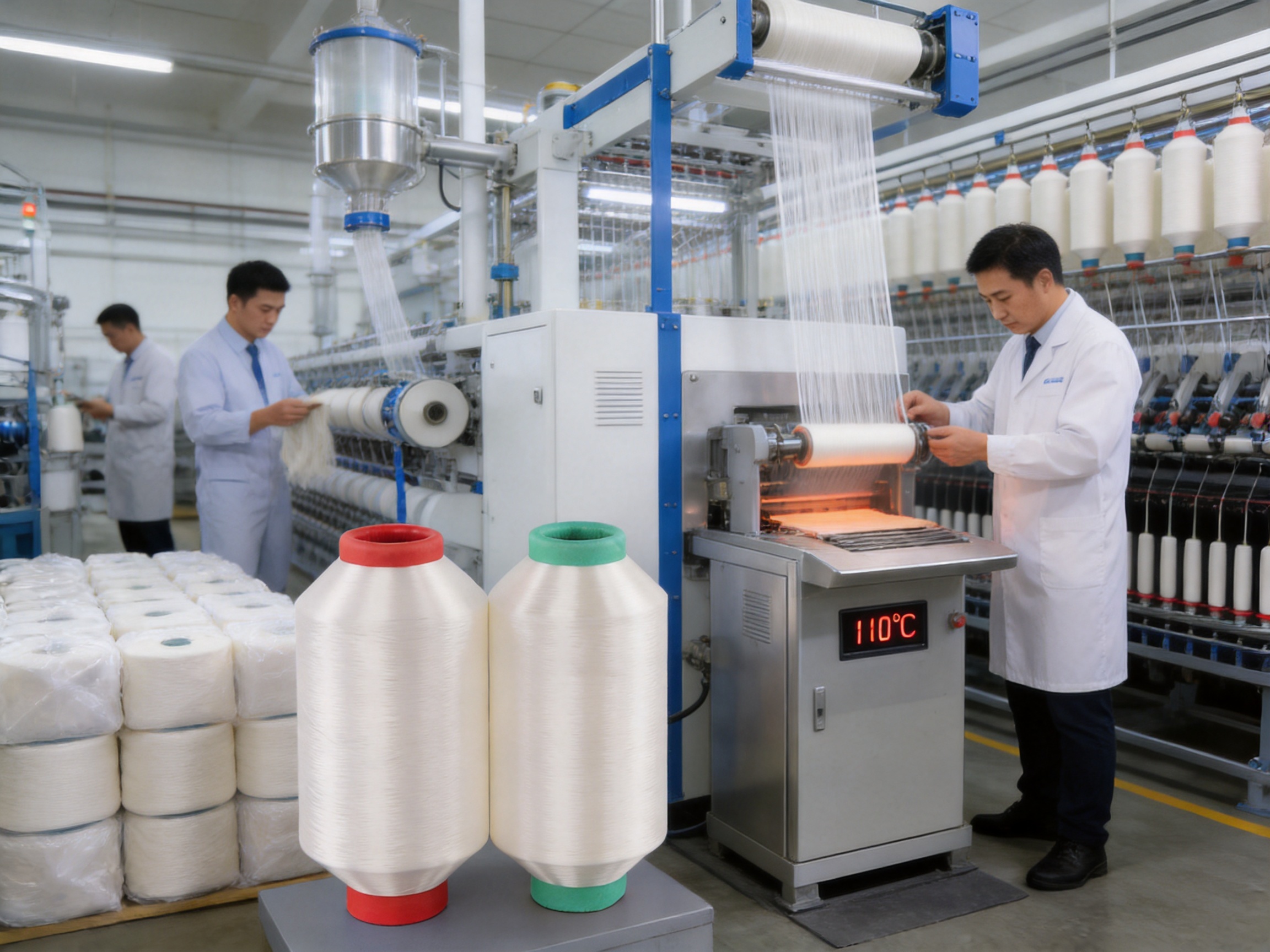
GC FIBER, operated by NanTong Global Chemical Fiber Co., Ltd., has specialized in functional textile materials since 2006. The company researches, develops, produces, and sells products including biodegradable yarn, low melting yarn, ECDP yarn, anti-static yarn, HDPE yarn, bio-component yarn, and polyester filament yarn.
This product range demonstrates experience across multiple categories of performance yarn. Customers purchasing low-melting nylon yarn can therefore work with a manufacturer familiar with functional properties such as biodegradability, antistatic performance, high strength, thermal bonding, and specialty polymer formulation.
The company’s manufacturing strength is based on combining product development with production capability. Rather than treating low-melting yarn as a simple commodity filament, GC FIBER approaches it as a functional material that must be matched to machinery, fabric design, activation equipment, and final-use requirements.
Customer cooperation is another important strength. Some applications require a specification that differs from standard market offerings. A customer may need a particular count, package, thermal response, softness, bonding strength, or compatibility with an existing fabric. Special production by order allows the factory to explore these requirements and develop a more suitable solution.
The company is located in Haian, Nantong City, Jiangsu Province, China, with access to Shanghai seaport for export logistics. This location supports international order handling and enables customers to arrange shipment through a major regional port. Export planning can be coordinated according to order quantity, packaging requirements, production schedule, and destination.
Functional yarn development requires more than standard spinning knowledge. The manufacturer must understand how polymer behavior affects softness, tenacity, elongation, thermal activation, adhesion, and machine running. GC FIBER’s focus on special and eco-friendly textile products supports ongoing development in these areas.
Research may involve polymer selection, formulation adjustment, spinneret design, drawing conditions, winding parameters, and application testing. A practical development program should consider the final textile rather than only the yarn specification. For example, a yarn that performs well in a flat fabric may require adjustment before being used in a three-dimensional knitted product.
Producing in an integrated factory environment can improve communication between development, production, inspection, and customer service teams. This is valuable when a technical problem appears during sampling or when a customer needs to adjust an order after testing.
Integrated management can also support traceability and production scheduling. Consistent records of raw materials, process conditions, package information, and inspection results help the manufacturer respond more effectively to quality questions and repeat-order requirements.
The range from 20D to 300D provides a broad starting point for product selection. Customers can order a standard count for an established process or discuss special production when their application has unique requirements. This flexibility is useful for garment manufacturers, yarn distributors, textile mills, technical fabric producers, and research organizations.
Before placing a large order, customers should share information about the target application, fabric composition, equipment, heating method, desired bond strength, washing requirements, and preferred package format. Better technical information allows the manufacturer to recommend a more appropriate product configuration and reduce sampling time.
Although the yarn is designed for activation at approximately 110°C, processing conditions should be optimized for each product. Temperature alone does not determine bonding quality. Pressure, heating time, cooling speed, yarn placement, substrate composition, and contact area all influence the result.
For steam setting, the factory should confirm that the textile reaches the necessary activation range throughout the bonding zone. Thick or multilayer materials may require additional dwell time because the internal temperature may rise more slowly than the surface temperature.
For heat pressing, pressure can help bring the softened yarn into close contact with adjacent fibers. Excessive pressure may flatten a three-dimensional structure or create an unwanted glossy area, while insufficient pressure may result in incomplete contact. A step-by-step trial can help identify the correct balance.
For industrial ovens, airflow and temperature uniformity should be checked across the working width. Uneven heating may produce different bonding levels in different areas of the same roll. Conveyor speed and oven residence time should be adjusted together.
For sewing and knitting, yarn tension should be controlled carefully. Excessive tension may stretch the filament before activation and alter the final dimensions. Low or unstable tension may create loops, uneven seams, or inconsistent bonding placement.
After activation, controlled cooling can help stabilize the bonded structure. Moving or stretching the textile before the bond has sufficiently set may reduce adhesion or cause dimensional changes. The cooling method should match the requirements of the finished product.
Testing should be based on the intended application rather than on yarn specifications alone. A suitable evaluation program may include initial bond strength, peel resistance, tensile performance, elongation, abrasion resistance, flexing, washing, dry cleaning, heat aging, and dimensional stability.
For apparel products, comfort, softness, visual appearance, seam flexibility, and repeated laundering should be evaluated. For footwear and sports products, testing may include repeated flexing, compression, moisture exposure, and abrasion. For ropes and cable coverings, tensile load, cyclic bending, wear, and environmental exposure may be more important.
Microscopic examination can help determine whether the low-melting polymer has flowed sufficiently into the surrounding structure. A bond that appears strong on the surface may have limited penetration, while excessive flow may create stiffness or bleed-through. Cross-sectional analysis can help engineers refine temperature and pressure settings.
Production teams should also monitor package unwinding, machine breaks, filament appearance, and tension variation. These indicators can reveal problems before the finished textile reaches final inspection. Regular process monitoring supports stable quality and reduces material waste.
The value of Pure Nylon Low Melting Yarn 110 Degree extends beyond its individual material properties. It can help manufacturers simplify textile assembly by combining reinforcement and bonding in one yarn. It can also support product innovation by making it easier to construct lightweight, seamless, three-dimensional, or selectively reinforced textile products.
For product designers, the yarn offers freedom to place bonding exactly where it is needed. For production engineers, it provides a defined thermal activation target. For purchasing teams, the range of counts and special-order capability can reduce the need to source multiple specialty materials from unrelated suppliers.
For brands seeking more comfortable and sustainable products, the yarn may support the development of garments and technical textiles with fewer visible adhesive components and a softer finished handle. For industrial users, its combination of high tenacity and thermal bonding can contribute to more stable composite structures.
Competitors may offer either ordinary nylon yarn with no bonding function or low-melting fibers with limited strength and processing stability. The competitive position of this product is its combination of both roles: it behaves as a usable textile yarn during manufacturing and becomes a bonding agent during controlled heat treatment.
It is a functional yarn made from 100% copolyamide and designed to activate at approximately 110°C. After heating, it softens and bonds with adjacent fibers or textile components, helping provide reinforcement, edge stabilization, structural support, or adhesion.
The product uses a copolyamide formulation rather than standard nylon filament intended only for heat stability. It retains important nylon-like characteristics such as strength, flexibility, wear resistance, and a soft feel while adding a controlled low-melting function.
Available counts include 20D, 30D, 40D, 50D, 70D, 100D, 150D, 200D, and 300D. The most suitable count depends on the fabric weight, bonding area, required appearance, machine settings, and mechanical performance.
Yes. Fine counts and the soft hand feel make it suitable for lingerie, lace, ribbons, seamless underwear, and other apparel applications. Processing conditions should be tested to ensure that the bonded area remains comfortable, flexible, and visually acceptable.
It can replace or reduce the use of liquid adhesives in many textile bonding applications, but suitability depends on the substrate, required bond strength, process temperature, and service conditions. A technical trial should be completed before making a full substitution.
It may be activated using steam, a heat press, an industrial oven, heated rollers, or another controlled heating system capable of reaching the required temperature. Pressure and dwell time should be adjusted according to the textile construction.
The copolyamide bonding phase is designed to maintain flexibility after cooling. The final result depends on yarn count, bond coverage, heating conditions, and substrate compatibility. Excessive heating or over-application may create unnecessary stiffness.
The yarn is engineered for high tenacity and easy rewinding, supporting use on high-speed rewinding equipment, computerized knitting machines, automatic sewing equipment, and related textile machinery. Actual machine performance should be confirmed through production sampling.
Special production by order is available. Customers can discuss requirements involving count, package format, application, thermal behavior, mechanical performance, and compatibility with specific textile materials.
The company can arrange export shipments through Shanghai seaport. Delivery planning depends on order quantity, production schedule, packaging, destination, and shipping terms.
A yarn can be placed along seams, edges, curves, narrow areas, and three-dimensional structures, while adhesive film is generally more suitable for broad flat surfaces. The yarn also combines textile handling with localized thermal bonding.
The yarn provides a defined linear bonding path and can be knitted, woven, sewn, or wrapped into a textile. Powder requires controlled distribution over a surface and may be less suitable for narrow, patterned, or three-dimensional reinforcement.
The product is positioned as an eco-friendly thermo-fusible alternative that can reduce the use of solvent-based adhesives and simplify bonding operations. GC FIBER also emphasizes recyclable nylon raw materials and lower-energy production methods. Customers should evaluate sustainability according to their own complete product life cycle and regulatory requirements.
Fine counts are generally more suitable for delicate, lightweight, or visually discreet applications. Heavier counts may provide more polymer volume and structural reinforcement for ropes, technical fabrics, cable coverings, and heavy textile constructions. Sample testing is the best way to confirm the choice.
Pure Nylon Low Melting Yarn 110 Degree is a versatile functional material for textile manufacturers that need controlled thermal bonding together with dependable filament performance. Its 110°C activation point, high tenacity, soft feel, easy rewinding, and broad denier range make it suitable for applications from delicate lingerie lace to heavy-duty ropes and cable coverings.
The product’s main competitive advantage is its balanced performance. It is not simply a bonding material and not merely a conventional nylon yarn. It is designed to operate as a textile filament during processing and as a flexible bonding agent after thermal activation. This dual function can help reduce separate adhesive operations, improve production efficiency, and support the development of lighter, cleaner, and more structurally controlled textile products.
GC FIBER strengthens this offering through long-term experience in special and functional yarns, research and development capability, manufacturing expertise, quality control, customer cooperation, and special production support. Its product portfolio and application-oriented approach enable customers to explore solutions for apparel, footwear, sportswear, home textiles, industrial textiles, composite materials, ropes, and protective coverings.
For manufacturers evaluating a new bonding yarn, the recommended approach is to begin with a technical discussion and sample trial. By considering substrate composition, yarn count, machine type, activation method, pressure, dwell time, cooling, and service requirements, customers can develop a reliable process and obtain the full value of this 110°C low-melting nylon technology.
1. GC FIBER product information for Pure Nylon Low Melting Yarn 110 Degree, including product features, available counts, and application fields.
2. NanTong Global Chemical Fiber Co., Ltd. company information concerning functional yarn research, development, production, and customer cooperation.
3. General textile engineering principles for thermoplastic polymer activation, filament spinning, yarn drawing, winding, and heat-setting processes.
4. General technical guidance for evaluating textile bond strength, peel resistance, washability, abrasion resistance, dimensional stability, and thermal aging.
5. General sustainable textile manufacturing practices concerning adhesive reduction, low-temperature processing, recyclable polymer materials, and process-efficiency improvement.
6. General application principles for knitted fabrics, lace, lingerie ribbons, seamless underwear, bonded sewing thread, ropes, cable coverings, and composite textile structures.
It is made with Bio-base PLA, fully biodegradable Feature: 1. Industrial compost product 2. Made with PLA 3. Eco-frie...
READ MOREPlease fill out the form below and our team will contact you as soon as possible.
Addres: No.66 Qiaogang Road, Haian, Nantong City, Jiangsu Province, China
E-mail: service@gcfiber.com admin@gcfiber.com
Copyright ? GC FIBER All Rights Reserved. Eco-Friendly Textile Products Manufacturer Biodegradable Yarn Company