English
 中文简体
中文简体
It is made with Bio-base PLA, fully biodegradable Feature: 1. Industrial compost product 2. Made with PLA 3. Eco-frie...
READ MORE
Content
In modern textile production, fabric developers are under increasing pressure to create materials that look vivid, feel comfortable, process efficiently, and support more responsible manufacturing. ECDP texture DTY yarn is designed for precisely this environment. As a modified polyester draw textured yarn, it combines the durability and dimensional stability associated with polyester with improved dyeability, softer touch, better moisture comfort, and deep color development at significantly lower dyeing temperatures.
The most important feature of this yarn is its ability to achieve deep, even dyeing at approximately 85 degrees Celsius under atmospheric pressure. Compared with conventional polyester, which often requires high-temperature and high-pressure dyeing conditions, ECDP texture DTY yarn allows mills to reduce energy consumption, simplify dyeing operations, and protect temperature-sensitive blended materials such as spandex. This gives fabric manufacturers a practical advantage when producing sportswear, underwear, base layers, seamless garments, lightweight knitted fabrics, and performance woven textiles.
ECDP texture DTY yarn is available in counts such as 30D/36F, 40D/36F, 75D/72F, and 150D/144F, making it suitable for a wide range of fabric weights and applications. Fine deniers support soft, light, skin-contact fabrics, while heavier deniers are suitable for structured sportswear and durable performance textiles. The yarn is produced by special order, allowing customers to specify denier, filament count, twist direction, luster, bobbin format, and other technical requirements.
ECDP refers to an easy cationic dyeable polyester material. It is a modified polyester engineered to improve dye receptivity, color depth, and dyeing efficiency. DTY means draw textured yarn, a filament yarn made through drawing and texturing processes that introduce bulk, elasticity, and a softer hand. When ECDP polymer technology is combined with DTY processing, the result is a textured filament yarn with improved dyeability and a more comfortable textile feel.
Standard polyester is valued for strength, durability, abrasion resistance, wrinkle resistance, and easy care. However, it typically requires high-temperature dyeing, often around 130 degrees Celsius, to achieve sufficient dye penetration. That condition may be unsuitable for certain elastic fibers and can increase energy costs. ECDP texture DTY yarn changes this processing profile by enabling strong color uptake at approximately 85 degrees Celsius. This lower-temperature dyeing property is especially valuable for fabrics that combine polyester with spandex, because spandex can be damaged or weakened by high heat.
The textured structure of the yarn also contributes to comfort. DTY processing creates crimp and bulk in the filaments, improving softness, coverage, and stretch recovery. Compared with flat filament yarns, textured yarns usually offer better warmth, fabric fullness, and skin-friendly touch. For underwear, activewear, yoga apparel, base layers, and close-fitting garments, this combination of softness and dyeing performance is highly attractive.
In addition to processing advantages, ECDP texture DTY yarn delivers a refined appearance. It can provide semi-bright or bright luster, depending on production requirements, and produces rich shades due to high dyeing take-up. This makes it suitable for modern apparel brands seeking saturated colors, clean fabric surfaces, and long-lasting visual appeal.
The key value of ECDP texture DTY yarn lies in the combination of low-temperature dyeability, comfort, color performance, and application flexibility. Each feature contributes to the fabric manufacturer’s ability to produce higher-value textiles with lower processing difficulty.
The yarn can be dyed deeply and evenly at around 85 degrees Celsius under atmospheric pressure. This is one of its most important competitive advantages. Traditional polyester often needs high-pressure dyeing equipment and higher temperatures to achieve comparable shade depth. By contrast, ECDP texture DTY yarn can absorb dye effectively at lower temperatures, helping dyeing mills reduce steam demand, shorten process cycles, and avoid the complexity of pressure dyeing in applicable systems.
Lower dyeing temperature is also beneficial for blended fabric design. Many high-performance garments contain spandex to provide stretch and recovery. However, spandex may lose elasticity, strength, or durability under harsh dyeing conditions. Because ECDP texture DTY yarn can be dyed at lower temperature, it is better suited for spandex-blended knitted fabrics, seamless garments, sportswear, underwear, and compression-style products.
The DTY texture gives the yarn a smoother and more flexible hand than many standard filament yarns. Fabrics made from ECDP texture DTY yarn can feel soft, breathable, and comfortable against the skin. This is especially important for intimate apparel, base layers, lightweight sports garments, and daily-wear knitted fabrics.
Good luster adds visual value. Depending on the chosen specification, the yarn can produce a semi-bright or bright surface. This allows designers to create fabrics with a clean, polished appearance without sacrificing comfort. The combination of soft hand and controlled luster helps manufacturers meet both functional and fashion-oriented expectations.
ECDP texture DTY yarn has a modified polymer structure that increases dye receptor sites within the fiber. As a result, the yarn can achieve deeper, more saturated color. The dye penetrates and adheres effectively, supporting good resistance to washing, perspiration, and normal wear.
For garment brands, color reliability is essential. Consumers expect dark shades to remain rich after repeated laundering and bright shades to maintain clarity during use. The yarn’s strong dye uptake and fastness performance help reduce customer complaints related to fading, uneven shade, or poor color durability.
Although polyester is generally hydrophobic, ECDP texture DTY yarn offers improved moisture regain compared with standard polyester DTY. This means it can contribute to better moisture absorption and release, helping fabrics feel less clammy and more comfortable during active use.
Moisture comfort is particularly important in sportswear and underwear. Fabrics worn close to the body must manage perspiration and maintain comfort across different activity levels. While fabric construction and finishing also influence moisture management, the improved moisture behavior of the yarn provides a strong foundation for comfort-focused textile development.
High dyeing take-up means the yarn absorbs a larger portion of the dye during the dyeing process. This can improve shade depth, reduce residual dye in the bath, and lower the amount of unused dye discharged into wastewater treatment systems. For dyeing mills, higher take-up may support both cost control and environmental compliance.
Because dye utilization is improved, mills may achieve target shades with more efficient dye recipes. This advantage is especially relevant when producing deep colors, where poor dye uptake can result in high dye consumption, uneven dyeing, or excessive wastewater load.
The following table summarizes key specifications and available product options for ECDP texture DTY yarn. Exact parameters can be adjusted according to customer order requirements.
| Parameter | Details | Practical Value |
| Material | Modified Polyester ECDP | Improves dye receptivity and supports rich color development |
| Yarn Type | Draw Textured Yarn DTY | Provides bulk, softness, elasticity, and fabric coverage |
| Dyeing Temperature | Approximately 85 degrees Celsius under atmospheric pressure | Reduces energy demand and protects temperature-sensitive blends |
| Available Counts | 30D/36F, 40D/36F, 75D/72F, 150D/144F | Covers lightweight underwear, sportswear, and structured fabrics |
| Luster | Semi-bright or bright | Supports different fashion and fabric appearance requirements |
| Twist Direction | S-twist or Z-twist | Allows fabric engineers to control texture balance and fabric behavior |
| Color Fastness | Excellent performance in washing, light, and perspiration conditions | Helps garments maintain appearance through repeated use |
| Moisture Regain | Improved compared with standard polyester | Enhances wearer comfort in close-contact applications |
| Production Method | Special production by order | Enables customization for specific fabric and processing needs |
| Export Port | Shanghai Seaport, China | Supports international shipment and supply chain planning |
Different yarn counts serve different fabric structures and end-use requirements. Selecting the correct denier and filament combination is essential for achieving the desired balance of softness, strength, coverage, elasticity, and appearance.
The 30D/36F specification is light, fine, and suitable for delicate fabrics. It can be used in fine underwear, sheer base layers, lightweight knits, running socks, and close-fitting sports equipment where softness and breathability are important. The relatively fine denier helps produce a smooth surface and a light wearing experience.
This count is useful when designers want a gentle hand feel and low fabric weight. It can also be used in layered clothing systems where a base layer must remain comfortable under additional garments. In comparison with heavier yarns, 30D/36F offers greater delicacy and better suitability for fine-gauge knitting.
The 40D/36F specification provides moderate strength and elasticity while retaining softness. It is well suited for underwear, seamless knitting, lightweight woven fabrics, and intimate apparel. It offers a practical balance between fabric durability and comfort, making it a versatile choice for daily-wear garments.
For brands that require a soft but more stable fabric than extremely fine yarn can provide, 40D/36F is a strong option. It supports body-fitting apparel where fabric must maintain shape, recover after stretch, and remain comfortable through repeated washing.
The 75D/72F specification is suitable for activewear, yoga apparel, sports tops, mid-gauge knitted fabrics, and performance garments requiring a balance of strength, elasticity, and comfort. The higher filament count contributes to a softer hand and smoother fabric surface, while the denier provides more body than finer counts.
This specification is often appropriate for garments that need durability during movement. Sportswear fabrics must withstand stretching, abrasion, perspiration, and frequent laundering. The color depth and fastness of ECDP texture DTY yarn make it particularly suitable for vibrant sportswear collections.
The 150D/144F specification is stronger and more substantial, making it suitable for structured sportswear, performance woven fabrics, outdoor clothing, sports pants, and durable outerwear textiles. Its high filament count helps maintain softness despite the heavier denier, while its strength supports demanding applications.
For fabrics requiring durability, fabric body, and long-term wear performance, 150D/144F offers an effective solution. It can help create textiles that feel substantial without becoming harsh, especially when proper fabric construction and finishing techniques are applied.
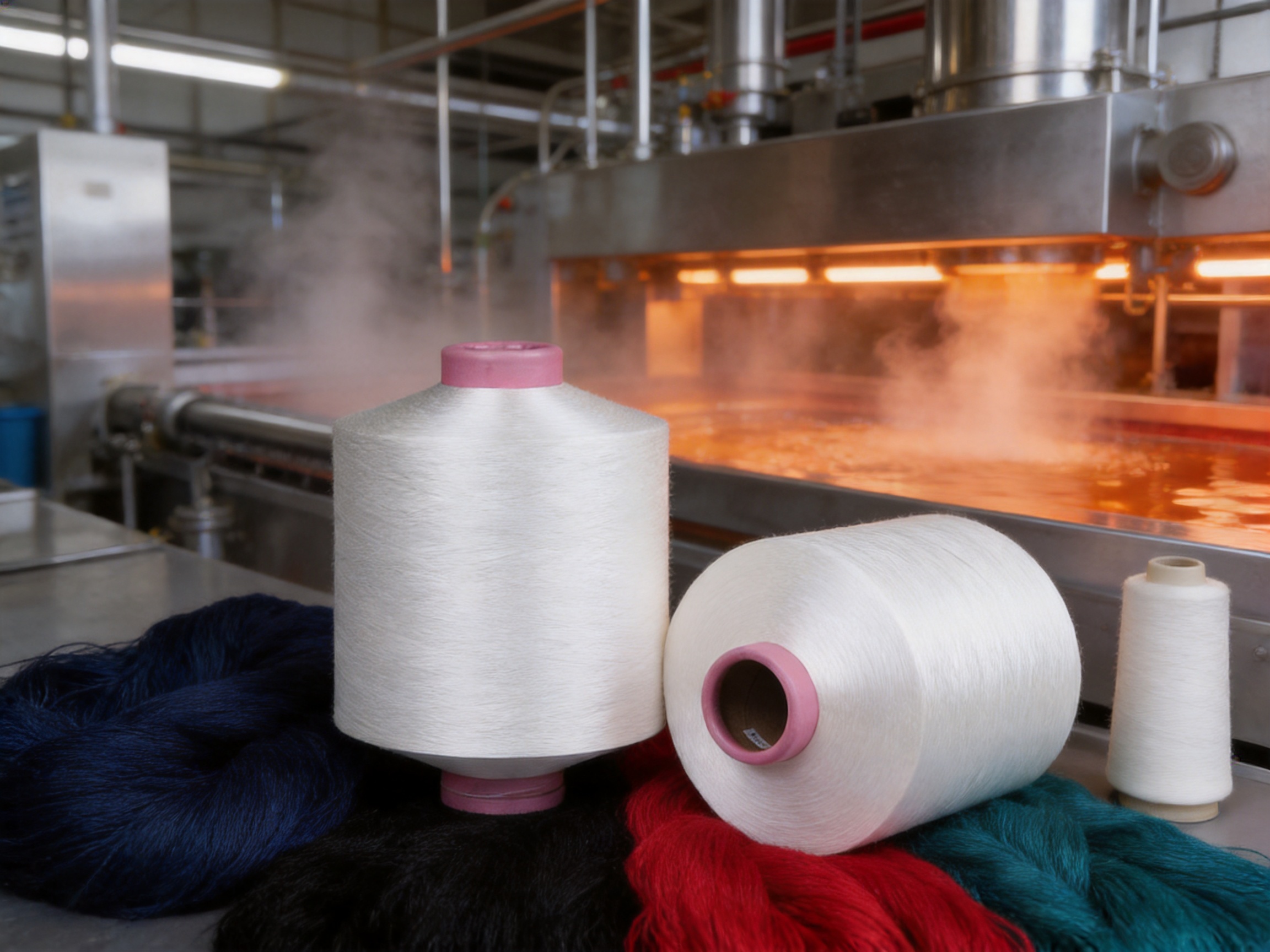
ECDP texture DTY yarn competes not only with standard polyester DTY but also with other modified polyester and functional yarn solutions. Its main advantages come from its low-temperature dyeability, strong color performance, comfort improvement, and production flexibility.
The clearest advantage is dyeing efficiency. Standard polyester often needs high-temperature, high-pressure dyeing to achieve acceptable color depth. This requires specialized equipment, greater energy consumption, and longer operating cycles. ECDP texture DTY yarn can be dyed deeply at about 85 degrees Celsius under atmospheric pressure, giving dyeing mills a more flexible processing route.
This difference can influence total production cost. Lower dyeing temperature can reduce steam and electricity consumption. Atmospheric dyeing can simplify equipment requirements in suitable processes. Shorter or milder dyeing cycles may also improve productivity, especially when mills handle large volumes of activewear or underwear fabrics.
Many modern garments rely on spandex for stretch, fit, and recovery. However, spandex is sensitive to excessive heat and harsh processing. When fabrics containing spandex must be dyed at high polyester temperatures, there is a risk of reduced elasticity, fabric deformation, or loss of long-term performance.
ECDP texture DTY yarn provides a solution by allowing polyester-rich fabric constructions to be dyed at lower temperature. This makes it highly valuable for seamless garments, leggings, stretch underwear, sports bras, yoga wear, compression garments, and base layers. Compared with conventional polyester DTY, it gives fabric developers more freedom to combine softness, stretch, and deep color.
Because the modified polymer structure increases dye receptivity, ECDP texture DTY yarn can produce rich, saturated shades. High dyeing take-up means more dye enters the fiber rather than remaining in the bath. This improves shade efficiency and can reduce dye waste.
Competitors using ordinary polyester may need more aggressive dyeing conditions or higher dye concentration to reach similar depth. Even then, shade uniformity and fastness can be more difficult to control. ECDP texture DTY yarn offers a more efficient path to deep colors, especially in fashion sportswear and intimate apparel where visual impact matters.
Comfort is a major differentiator in the textile market. Ordinary flat filament yarns can sometimes feel slick, cold, or less bulky. ECDP DTY has a textured filament structure that improves softness, airiness, and fabric fullness. It can make garments feel smoother and more skin-friendly.
The improved moisture regain of the yarn also supports comfort. While it does not turn polyester into a natural fiber, it provides better moisture behavior than standard polyester DTY. For clothing worn during movement or in direct contact with skin, even incremental comfort improvements can be commercially important.
Another advantage is the ability to produce according to order. Customers can request specific counts, twist directions, luster grades, and bobbin formats. This is important because yarn performance must match downstream knitting, weaving, dyeing, and finishing conditions.
Generic commodity yarns may not provide the same level of technical flexibility. For specialized fabric development, a supplier capable of custom production can help reduce trial-and-error time and improve the probability of successful fabric commercialization.
A functional yarn’s performance depends not only on polymer chemistry but also on manufacturing consistency. ECDP texture DTY yarn requires controlled production from raw material selection through spinning, drawing, texturing, winding, and quality inspection. A factory with long-term experience in special and functional textiles is better positioned to deliver consistent results.
NanTong Global Chemical Fiber Co., Ltd., also known as GC FIBER, has been established in China since 2006 and focuses on the research, development, production, and sales of special and functional eco-friendly textile products. Its product range includes biodegradable yarn, low melting yarn, ECDP yarn, anti-static yarn, HDPE yarn, bio-component yarn, and polyester filament yarn. This broad functional-yarn background supports technical knowledge across polymer modification, spinning behavior, texturing parameters, and application development.
The performance of ECDP yarn begins with modified polyester chemistry. The polymer must be engineered to accept dye efficiently at lower temperature while retaining the strength, stability, and processing characteristics expected of polyester filament yarn. This requires control of raw material quality, polymer consistency, and melt behavior.
A manufacturer experienced in functional fibers can better understand how small changes in polymer composition affect dyeing, spinning, filament uniformity, and downstream fabric performance. This is especially important for customers who require repeatable shade behavior from lot to lot.
During spinning, molten polymer is extruded through spinnerets to form continuous filaments. Uniform filament formation is essential for yarn evenness, strength, dye consistency, and fabric appearance. Inconsistent spinning can lead to broken filaments, uneven dyeing, poor winding, and defects in knitted or woven fabric.
Advanced process control helps maintain stable filament diameter, controlled luster, and uniform physical properties. For specifications such as 30D/36F or 150D/144F, filament count and denier accuracy are critical. A fine yarn must remain consistent enough for delicate knitting, while a heavier yarn must retain uniformity for structured textile applications.
Draw texturing is the process that gives DTY its bulk, elasticity, and soft hand. The yarn is drawn to orient the molecular structure, then textured to introduce crimp and stretch characteristics. Parameters such as temperature, draw ratio, texturing speed, twist insertion, and relaxation must be carefully managed.
If texturing is too aggressive, the yarn may become unstable, harsh, or prone to breakage. If texturing is insufficient, the fabric may lack softness, coverage, or elasticity. Proper texturing ensures that ECDP texture DTY yarn provides the desired balance of strength, comfort, and fabric performance.
The yarn can be supplied with S-twist or Z-twist according to customer requirements. Twist direction affects fabric balance, surface appearance, torque behavior, and performance during knitting or weaving. In certain fabrics, balanced use of S and Z yarns can reduce skewing or spirality.
Offering both twist directions demonstrates manufacturing flexibility and supports more advanced textile engineering. Customers producing technical sportswear, seamless garments, or precision woven fabrics can select the twist configuration that best suits their machinery and fabric design.
Reliable yarn production requires testing of denier, filament count, strength, elongation, crimp, oil pickup, dyeing behavior, color fastness, and package formation. Good quality control reduces risks for downstream users. A knitting mill or weaving mill depends on yarn packages that run smoothly, dye evenly, and maintain stable performance.
Lot consistency is particularly important for dyeing. If different yarn lots absorb dye differently, fabric panels may show shade variation. A manufacturer specializing in functional yarn must therefore control both physical yarn properties and chemical dyeability. Consistent ECDP performance enables customers to plan production with greater confidence.
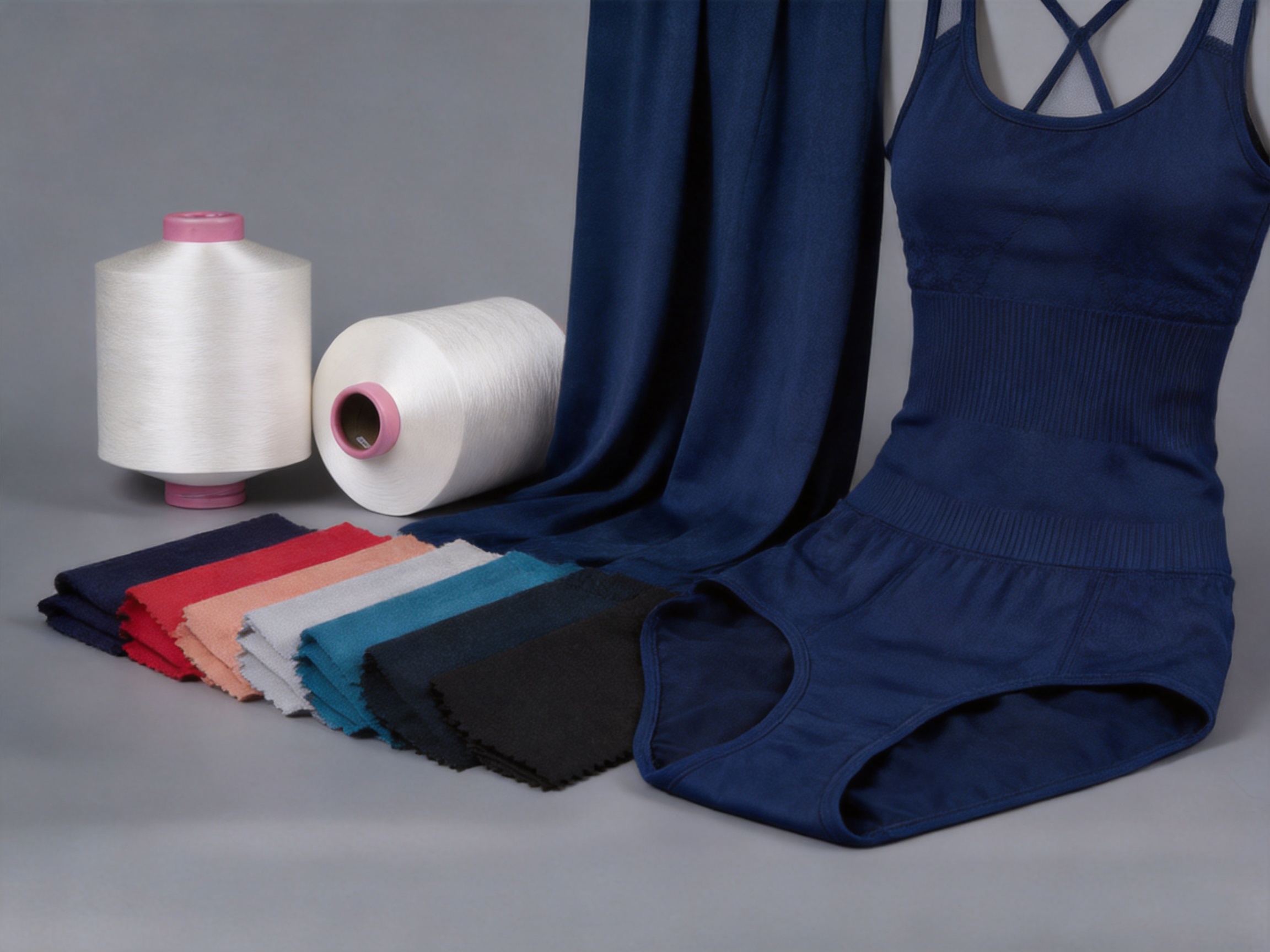
Textile sustainability is influenced by fiber choice, process efficiency, dye consumption, wastewater load, garment durability, and end-use performance. ECDP texture DTY yarn contributes to more responsible production primarily through lower dyeing temperature, higher dye uptake, and potential reduction in processing stress.
Dyeing at approximately 85 degrees Celsius requires less heat than conventional high-temperature polyester dyeing. This can reduce steam consumption and energy cost. For dyeing mills operating at scale, even modest temperature reductions can translate into meaningful energy savings over time.
Lower energy demand also supports carbon reduction efforts. Apparel brands and textile suppliers are increasingly asked to document process improvements that reduce environmental impact. Choosing a yarn that supports lower-temperature dyeing can be part of a broader responsible manufacturing strategy.
High-temperature dyeing can place stress on fibers, elastane components, dyes, and fabric structures. Milder dyeing conditions help protect fabric elasticity, hand feel, and dimensional stability. This is particularly important for fabrics containing spandex or for delicate lightweight knits.
Lower processing stress may also reduce the risk of defects, such as fabric deformation, shade inconsistency, or loss of stretch recovery. By improving processing stability, ECDP texture DTY yarn can help manufacturers reduce waste associated with rejected fabric.
High dyeing take-up means more dye is absorbed by the fiber and less remains in the dye bath. This can reduce residual dye in wastewater and may simplify treatment requirements. It also improves cost efficiency because less dye is wasted.
Environmental compliance is a major concern for modern dyeing facilities. While wastewater treatment depends on many variables, yarns that absorb dye efficiently can contribute to lower chemical load. This makes ECDP texture DTY yarn attractive for manufacturers seeking both performance and process responsibility.
Color fastness also has an environmental dimension. Garments that retain color and appearance through repeated washing are more likely to remain in use longer. Poor color durability can lead consumers to discard garments prematurely. By supporting lasting color performance, ECDP texture DTY yarn contributes to product longevity.
ECDP texture DTY yarn is suitable for both knitting and weaving. Its low-temperature dyeing performance, soft touch, and color strength make it especially useful in apparel categories that require comfort, elasticity, and visual appeal.
Sportswear demands a combination of stretch, strength, comfort, breathability, and color durability. ECDP texture DTY yarn meets these needs by providing soft texture, improved moisture regain, and deep dyeing performance. It is suitable for sports tops, leggings, yoga clothing, training garments, running apparel, and performance layers.
In activewear, color is a major selling point. Consumers often choose garments based on vivid shades, clean surfaces, and fashionable appearance. The yarn’s high dyeing take-up and good fastness help brands produce bright and durable color palettes.
Underwear requires softness, skin comfort, dimensional stability, and wash durability. Fine counts such as 30D/36F and 40D/36F are particularly suitable for intimate apparel and seamless knitting. The yarn’s smooth hand and low-temperature dyeing compatibility with spandex blends make it valuable for close-fitting garments.
Because underwear is washed frequently, color fastness and fabric stability are essential. ECDP texture DTY yarn supports long-term appearance and comfort, helping manufacturers produce higher-quality intimate products.
Base layers must feel comfortable next to the skin while helping regulate moisture and temperature. ECDP texture DTY yarn offers improved moisture regain compared with standard polyester and provides a soft textured structure. These qualities make it suitable for light knits used in layering systems, travel apparel, and daily comfort garments.
Heavier counts such as 150D/144F can be used in woven structures requiring durability and fabric body. Potential applications include outdoor apparel, sports pants, lightweight jackets, and structured performance textiles. The yarn’s dyeing performance allows woven fabrics to achieve deep shades without relying on harsh polyester dyeing conditions.
The modern market increasingly blends fashion and function. Consumers want garments that perform well but also look refined. ECDP texture DTY yarn supports this trend by combining rich color, soft hand, good luster, and practical processing advantages. It can be used in collections where visual impact and wearing comfort are equally important.
Fabric development is a complex process involving yarn selection, machine settings, fabric structure, dyeing recipes, finishing, and garment construction. ECDP texture DTY yarn helps simplify several of these stages by offering reliable dyeability and versatile physical properties.
During yarn selection, designers can choose from multiple denier and filament combinations. Fine yarns support light and delicate fabrics, while heavier yarns support stronger and more structured textiles. During fabric formation, DTY texture contributes to coverage, softness, and elasticity. During dyeing, the ECDP polymer structure supports deep color at lower temperature. During finishing, the yarn’s soft hand and luster help achieve a premium fabric appearance.
For development teams, this means fewer compromises. Instead of choosing between deep color and spandex protection, or between polyester durability and comfort, ECDP texture DTY yarn provides a balanced solution. It allows mills and brands to create fabrics that meet technical and aesthetic requirements simultaneously.
Functional yarn is not merely a commodity. It requires knowledge of polymer properties, spinning technology, texturing behavior, dyeing performance, and end-use application. Supplier experience can strongly influence development success, production stability, and final fabric quality.
A factory established in 2006 with long-term focus on special and functional eco-friendly textile products has accumulated practical knowledge across multiple yarn categories. Experience with biodegradable yarn, low melting yarn, anti-static yarn, HDPE yarn, bio-component yarn, and polyester filament yarn supports broader technical understanding. This background is useful when customers need customized yarn solutions or new material development support.
The ability to cooperate with customers in developing new materials is especially important. Textile markets change quickly. Brands may request new combinations of softness, dyeability, environmental performance, elasticity, luster, and durability. A technically capable yarn manufacturer can help customers test specifications, refine yarn parameters, and move from sample development to bulk production.
Because ECDP texture DTY yarn is specially produced by order, buyers should provide clear technical information when making an inquiry. Important details include denier, filament count, twist direction, luster requirement, bobbin format, target application, dyeing process, fabric construction, and expected performance standards.
For example, a customer developing fine seamless underwear may request 30D/36F or 40D/36F with a soft hand and suitable package format for circular knitting. A sportswear manufacturer may prefer 75D/72F for mid-gauge knitted fabric with strong color fastness. A woven outerwear developer may request 150D/144F with specified twist direction and luster for structured fabric.
Providing end-use information allows the manufacturer to recommend a suitable yarn option. It also helps avoid mismatches between yarn properties and fabric requirements. Clear communication during the ordering stage can reduce sampling time, improve production efficiency, and increase the chance of achieving the desired fabric result.
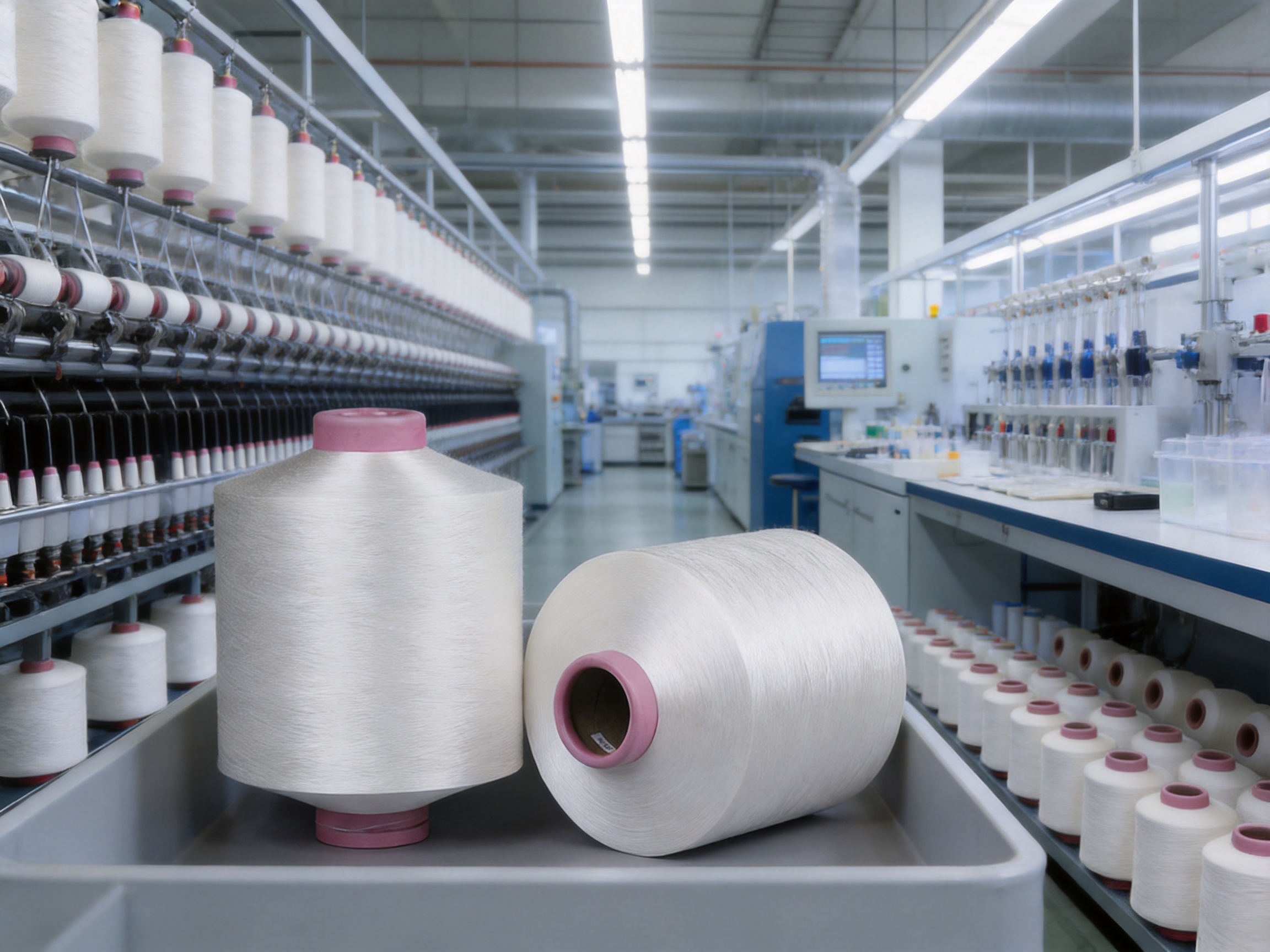
When evaluating ECDP texture DTY yarn, buyers often compare it with ordinary polyester DTY, nylon yarn, cotton blends, and other modified polyester yarns. Each material has strengths, but ECDP texture DTY yarn occupies a valuable position for applications requiring polyester-like durability, lower-temperature dyeability, and strong color performance.
Ordinary polyester DTY is strong, widely available, and cost-effective, but it generally requires higher dyeing temperature. ECDP texture DTY yarn offers a clear processing advantage because it can be dyed deeply at 85 degrees Celsius. It also offers improved dye uptake and moisture regain. For spandex-blended garments and deep-color applications, ECDP texture DTY yarn provides better flexibility.
Nylon has excellent softness and dyeability, but it may be more expensive and can have different dimensional and care characteristics. ECDP texture DTY yarn provides a polyester-based alternative with strong color and good comfort. It is suitable for customers who want improved dyeability while retaining many polyester advantages, such as durability, easy care, and fabric stability.
Cotton offers natural comfort and moisture absorption, but it may lack the elasticity, quick drying, and dimensional stability needed in some sportswear and intimate apparel. ECDP texture DTY yarn can be used where synthetic performance, vivid color, and durable shape retention are required. It is not a direct replacement for cotton in every case, but it provides a strong solution for performance-oriented textile design.
Not all modified polyester yarns offer the same consistency, dyeing performance, or texture quality. ECDP texture DTY yarn produced under controlled manufacturing conditions can provide reliable low-temperature dyeing, strong color depth, soft hand, and customizable specifications. The combination of polymer modification and DTY texturing is what creates its practical value.
Knitting mills, weaving mills, dyeing houses, and garment factories all benefit from stable yarn quality. A yarn that runs smoothly reduces machine stoppages. A yarn that dyes consistently reduces shade variation. A yarn with good package formation improves unwinding and processing efficiency.
ECDP texture DTY yarn supports these downstream needs through controlled production and order-based specification. The yarn can be selected to suit the intended machinery and fabric type. When yarn quality is consistent, mills can improve productivity and reduce waste caused by defects, breakage, or uneven dyeing.
For dyeing houses, the low-temperature performance is especially beneficial. It can reduce dependence on high-pressure dyeing conditions and improve compatibility with elastic blends. For garment manufacturers, the result is fabric with durable color, soft hand, and reliable wear performance.
Apparel brands compete on design, comfort, quality, sustainability claims, and price. ECDP texture DTY yarn supports brand value in several ways. First, it enables rich and deep colors, helping collections stand out visually. Second, it supports comfort through soft texture and improved moisture behavior. Third, it allows lower-temperature processing, which can support responsible production narratives.
For sportswear brands, the yarn helps produce garments that are colorful, stretch-compatible, and comfortable. For underwear brands, it supports soft hand, wash durability, and skin-contact comfort. For outdoor and performance brands, heavier counts offer durability and structure while maintaining good dyeing performance.
Because consumers increasingly expect garments to combine fashion and function, materials like ECDP texture DTY yarn are commercially valuable. They allow brands to create products that look attractive, feel comfortable, and meet modern manufacturing expectations.
To achieve the best results, mills should conduct sampling and process validation before bulk production. Although the yarn is designed for 85-degree dyeing, actual dyeing recipes depend on dye type, fabric construction, machine conditions, shade depth, liquor ratio, and finishing requirements. Testing helps confirm shade, fastness, hand feel, and dimensional stability.
When using the yarn in spandex blends, mills should choose dyeing and finishing conditions that protect elastic recovery. Lower-temperature dyeing helps, but finishing heat setting and drying conditions must also be controlled. For seamless garments or fine knits, tension control during dyeing and finishing is important to prevent distortion.
Knitting and weaving parameters should be adjusted according to denier and filament count. Fine counts may require careful tension management to avoid breakage or uneven loops. Heavier counts may need suitable machine gauge and fabric design to achieve desired handle and drape. Proper lubrication, package selection, and storage conditions also contribute to smooth processing.
ECDP texture DTY yarn is a modified polyester draw textured yarn designed for easy cationic dyeing, soft touch, good luster, and improved comfort. DTY processing gives the yarn bulk and elasticity, while ECDP modification improves dye uptake and allows deep dyeing at lower temperature.
The main advantage is low-temperature deep dyeing. ECDP texture DTY yarn can be dyed at approximately 85 degrees Celsius under atmospheric pressure, while ordinary polyester often requires higher-temperature and high-pressure dyeing. This helps reduce energy use and improves compatibility with spandex blends.
Yes. The yarn is well suited for sportswear because it offers soft hand, strong color performance, improved moisture regain, and compatibility with elastic fabric constructions. Counts such as 75D/72F and 150D/144F are especially useful for activewear and structured performance fabrics.
Yes. Fine specifications such as 30D/36F and 40D/36F are suitable for underwear, intimate apparel, seamless knitting, and lightweight skin-contact fabrics. The yarn provides softness, good luster, and durable color.
Dyeing at 85 degrees Celsius reduces energy demand, avoids the need for high-pressure conditions in suitable processes, and protects temperature-sensitive fibers such as spandex. It also supports shorter and milder dyeing cycles compared with conventional polyester dyeing.
Common available counts include 30D/36F, 40D/36F, 75D/72F, and 150D/144F. Other denier and filament combinations may be produced by order according to customer requirements.
Yes. The modified polymer structure supports strong dye absorption and adhesion, helping the yarn achieve good color fastness to washing, perspiration, and normal wear. Proper dye selection and process control are still important for final fabric performance.
Buyers should provide denier, filament count, twist direction, luster grade, bobbin format, target application, fabric construction, dyeing method, and expected performance requirements. This information helps the manufacturer recommend the most suitable specification.
The yarn is specially produced by order. This allows customers to obtain specifications aligned with their fabric development and production needs.
The manufacturer has long-term experience in special and functional textile products, including ECDP yarn, biodegradable yarn, low melting yarn, anti-static yarn, HDPE yarn, bio-component yarn, and polyester filament yarn. This technical background supports customized development and consistent production.
ECDP texture DTY yarn is a strong solution for textile manufacturers seeking deep color, low-temperature dyeing, comfort, and flexible application performance. Its ability to dye at approximately 85 degrees Celsius under atmospheric pressure provides a clear advantage over conventional polyester DTY, especially in spandex-blended fabrics and close-fitting garments. The yarn supports energy-saving dyeing conditions, high dyeing take-up, good color fastness, soft hand, improved moisture regain, and attractive luster.
With available counts such as 30D/36F, 40D/36F, 75D/72F, and 150D/144F, the yarn can serve a wide range of end uses, from fine underwear and lightweight base layers to activewear, sports tops, woven performance fabrics, and outdoor garments. Its custom production model gives buyers the flexibility to match yarn parameters to specific fabric designs and machinery requirements.
Beyond the product itself, manufacturing experience is a major advantage. A factory focused on special and functional eco-friendly textiles since 2006 can provide technical support, process knowledge, and customized development capability. For brands and mills looking to combine fashion, practicality, comfort, and more efficient processing, ECDP texture DTY yarn offers a practical and competitive material platform.
1. Textile Institute. Textile Terms and Definitions. Textile Institute Publications.
2. Lewin, M. Handbook of Fiber Chemistry. CRC Press.
3. Deopura, B. L., Alagirusamy, R., Joshi, M., and Gupta, B. Polyesters and Polyamides. Woodhead Publishing.
4. Broadbent, A. D. Basic Principles of Textile Coloration. Society of Dyers and Colourists.
5. Gupta, V. B., and Kothari, V. K. Manufactured Fibre Technology. Springer.
6. Rouette, H. K. Encyclopedia of Textile Finishing. Springer.
It is made with Bio-base PLA, fully biodegradable Feature: 1. Industrial compost product 2. Made with PLA 3. Eco-frie...
READ MOREPlease fill out the form below and our team will contact you as soon as possible.
Addres: No.66 Qiaogang Road, Haian, Nantong City, Jiangsu Province, China
E-mail: service@gcfiber.com admin@gcfiber.com
Copyright ? GC FIBER All Rights Reserved. Eco-Friendly Textile Products Manufacturer Biodegradable Yarn Company