English
 中文简体
中文简体
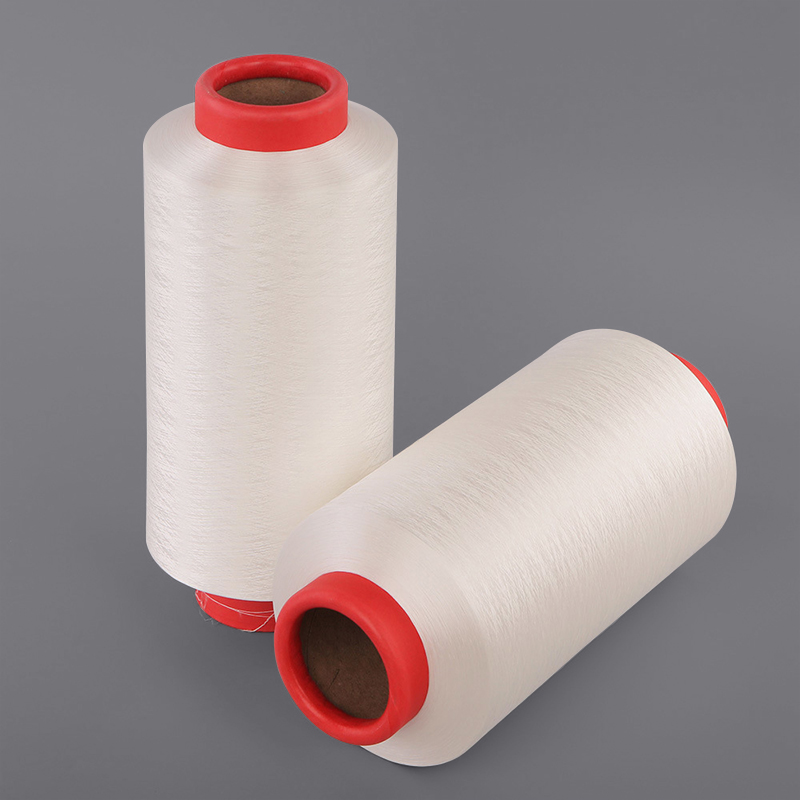
It is made with Bio-base PLA, fully biodegradable Feature: 1. Industrial compost product 2. Made with PLA 3. Eco-frie...
READ MORE
Content
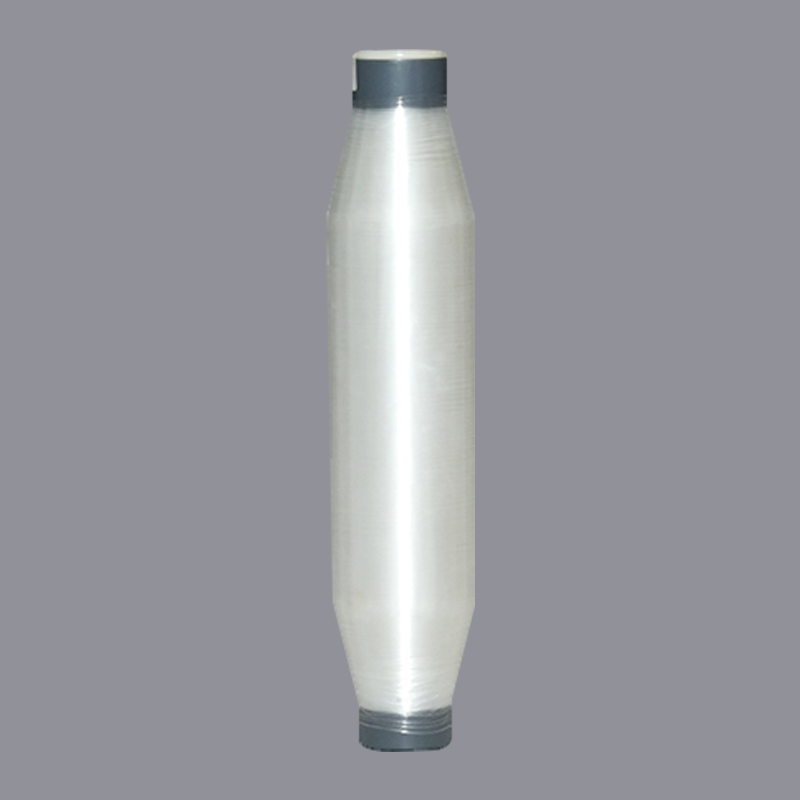
Pure Polyester Low Melting Yarn with a 110°C melting point is a thermally fusible textile material designed to provide reliable bonding without liquid adhesives, solvent-based glues, or additional chemical binders. Made from 100 percent polyester, this functional yarn softens and bonds under controlled heat, then solidifies during cooling to create a stable textile structure.
The product is suitable for manufacturers that need a low-temperature bonding component with high tenacity, smooth rewinding performance, and compatibility with polyester-based fabrics. It can be processed in knitted fabrics, nonwoven structures, filter media, wadding, quilting, automotive padding, footwear meshes, chenille yarns, ribbons, lace, bonded sewing threads, ropes, and cable protection applications.
Compared with conventional bonding methods, 110°C low melting yarn offers a clean and efficient way to join fibers or stabilize a textile structure. Its bonding function is built into the yarn itself. When the material is exposed to an appropriate heat treatment, the low-melting component becomes soft enough to flow or adhere to surrounding fibers. After cooling, the bonded area retains its shape and structural integrity.
GC FIBER, operated by NanTong Global Chemical Fiber Co., Ltd., develops and manufactures special and functional textile products in China. Its product portfolio includes biodegradable yarn, low melting yarn, ECDP yarn, anti-static yarn, HDPE yarn, bio-component yarn, and polyester filament yarn. The company has specialized in functional textile materials since 2006 and supports both standard production and customer-specific material development.
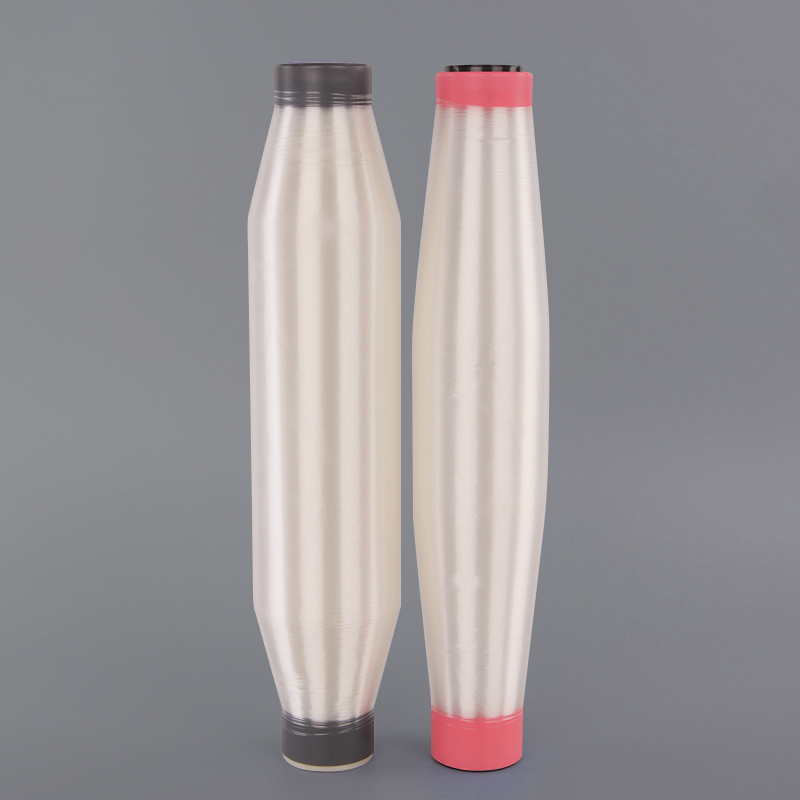
Pure Polyester Low Melting Yarn 110 Degree
Pure Polyester Low Melting Yarn is a polyester-based yarn engineered to soften and form a bond at a relatively low temperature. The 110°C processing point makes it different from standard polyester filament yarn, which generally requires substantially higher temperatures for thermal modification or melting.
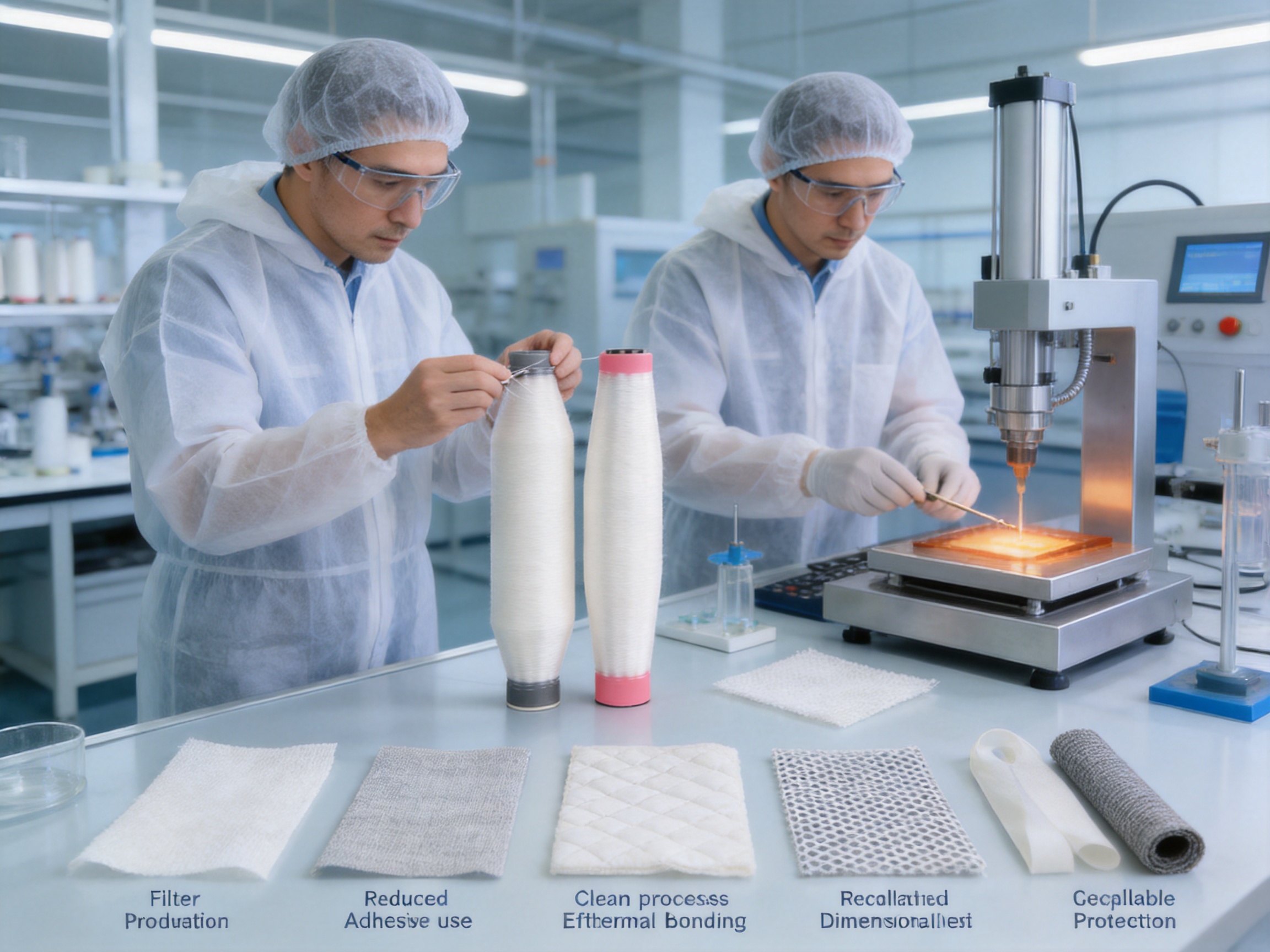
In practical production, the yarn is placed inside, alongside, or around a textile structure. Heat is then applied through an oven, heated press, steam system, hot calender, thermal molding unit, or another controlled process. Once the yarn reaches its activation temperature, it begins to soften. Pressure, contact, or the surrounding fiber arrangement helps distribute the softened polymer across the desired bonding area.
When the heat source is removed, the polymer cools and solidifies. This creates a connection between neighboring fibers, yarns, layers, or structural components. The final performance depends on processing temperature, dwell time, pressure, yarn placement, construction density, and the characteristics of the materials being bonded.
The term “pure polyester” indicates that the yarn is based on polyester rather than a polyester-and-nylon combination or a separate adhesive coating. This makes the product particularly useful when the finished textile must retain polyester-like chemical, dyeing, and heat behavior.
The yarn performs two roles during processing. Before thermal activation, it behaves as a textile yarn that can be wound, knitted, woven, or incorporated into a composite. During heating, it becomes a bonding medium. After cooling, it contributes to the rigidity, dimensional stability, and fiber retention of the finished product.
This integrated function can simplify production. Instead of applying a liquid binder after the textile has been formed, manufacturers can incorporate the low melting yarn during yarn preparation or fabric construction. The bonding step can then be completed through a controlled thermal process.
A melting or softening point of approximately 110°C allows bonding at temperatures lower than those required by many conventional polyester materials. This can provide several processing benefits:
First, the lower temperature can reduce thermal stress on heat-sensitive fibers, dyes, coatings, foams, membranes, and backing materials. Second, it may reduce energy consumption during thermal bonding. Third, it can make it easier to integrate bonding into existing textile lines that already use heated rollers, presses, ovens, or steam equipment.
The exact operating temperature should always be determined through a production trial. A nominal melting point does not necessarily represent the complete processing window. Manufacturers should consider the temperature required for softening, flow, adhesion, cooling, and final stabilization.
High tenacity is important because the yarn must survive handling before it performs its bonding function. It may pass through winding machines, knitting needles, guides, tension devices, weaving elements, sewing systems, or automated feeding equipment. A yarn with insufficient strength may break during these operations, reducing productivity and creating uneven bonding.
The high-tenacity design of this product supports stable processing in applications where the yarn is exposed to tension or repeated mechanical movement. It also helps maintain the intended yarn position before heat activation.
Easy rewinding is a major advantage in industrial textile production. Poor rewinding behavior can cause crossed packages, uneven tension, yarn snarling, hard edges, loose layers, and frequent stoppages. These problems are especially costly in automatic production lines.
Pure Polyester Low Melting Yarn is designed for smooth rewinding with a low breakage rate. Proper package formation allows the yarn to unwind consistently during knitting, weaving, sewing, or composite production. Stable unwinding also helps maintain consistent material delivery to the bonding zone.
The approximate 110°C activation point provides a defined thermal bonding profile. Controlled activation helps manufacturers establish repeatable processing conditions rather than relying on unpredictable softening behavior.
In applications such as molded wadding, filter media, and 3D knitted structures, repeatability is essential. If the bonding yarn activates too early, it may interfere with fabric formation. If it activates too late, the final product may not achieve sufficient bonding. The 110°C grade is intended to provide a practical balance between pre-processing stability and low-temperature fusion.
The yarn acts as an internal bonding agent. It can join surrounding fibers or stabilize a textile structure without separate liquid adhesives, hot-melt powders, or solvent glues. This can simplify material handling and reduce the number of chemical components used in production.
Because the bonding agent is supplied in yarn form, it can be positioned accurately within the product. Manufacturers can control the amount and location of bonding by changing the yarn count, spacing, stitch pattern, insertion ratio, or construction design.
When used with polyester fabrics or polyester fibers, the product can provide strong material compatibility. Polyester-based components often have similar behavior during dyeing, heat treatment, and long-term use. This can help reduce issues such as uneven shrinkage, surface distortion, color variation, or separation between incompatible materials.
Compatibility is especially important in garments, ribbons, lace, labels, technical textiles, and other products where the bonding yarn must remain visually and physically integrated with the base material.
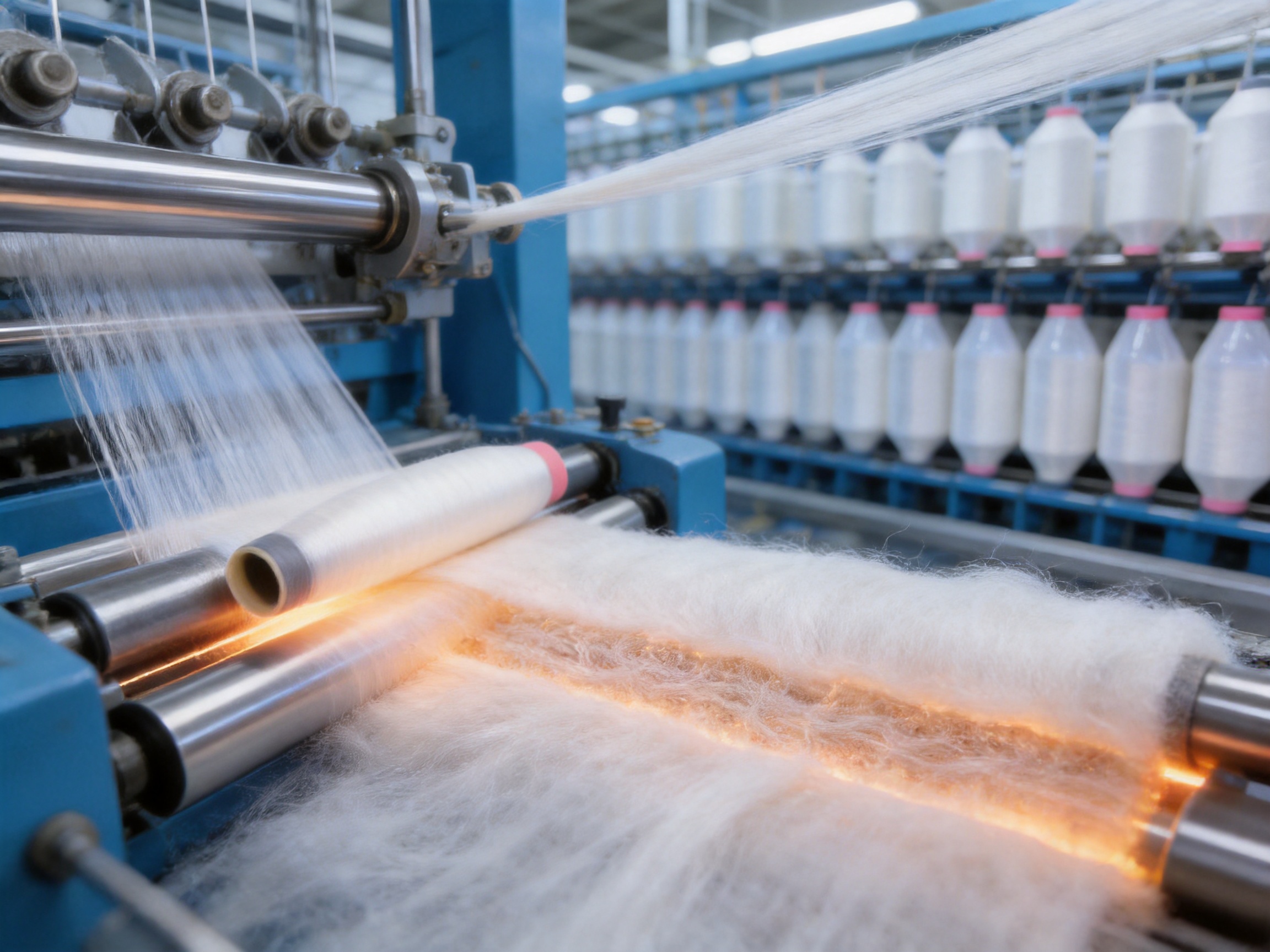
Liquid adhesives require storage tanks, pumps, application equipment, drying stages, or curing systems. They may also create problems involving viscosity control, uneven application, odor, surface contamination, and chemical handling.
Low melting yarn provides a solid, clean, and easier-to-dose alternative. It is delivered as a textile material and can be processed through existing yarn or fabric equipment. Since the bonding material is incorporated directly into the textile design, manufacturers can reduce the risk of excessive adhesive accumulation in selected areas.
The material also avoids the need for solvent evaporation after application. This can support a cleaner production environment and simplify process management. The suitability of the yarn for a particular replacement project should still be verified through bonding, washing, aging, and performance tests.
Hot-melt powders can provide effective bonding, but they require accurate dispersion and controlled application. Powder loss, uneven distribution, dust, electrostatic behavior, and equipment cleaning may increase manufacturing complexity.
Yarn-based bonding offers a more defined form factor. It can be knitted, woven, stitched, or inserted into a structure before activation. This makes it suitable for products in which bonding must follow a precise line, grid, spiral, seam, or three-dimensional pathway.
The yarn format also makes it easier to estimate material consumption by length, weight, denier, or insertion density. This can improve production planning and support repeatable product design.
Some polyester bonding materials require higher processing temperatures. These temperatures can place greater stress on heat-sensitive fibers, foams, membranes, finishes, and decorative materials.
The 110°C grade allows manufacturers to explore lower-temperature bonding. It can reduce the risk of scorching, shrinkage, discoloration, deformation, or loss of softness in compatible substrates. Lower-temperature processing may also shorten warm-up time and reduce energy demand, although the actual savings depend on the machine, production speed, oven design, and product construction.
Nylon-based bonding yarns are useful in many applications, but they may not always be the ideal match for polyester fabrics. Differences in dye uptake, moisture behavior, shrinkage, chemical resistance, and long-term thermal performance can affect the finished product.
Pure polyester low melting yarn is a practical choice when the main fabric or fiber system is polyester. The similar material family can support consistent appearance and reduce the risk of incompatibility. It may also be preferred when the final product must maintain polyester-related resistance to UV exposure, acids, alkalis, or industrial washing.
The performance of a functional yarn depends not only on its polymer formulation but also on spinning, drawing, heat treatment, winding, inspection, and packaging. A carefully controlled manufacturing process is necessary to achieve stable denier, reliable tenacity, uniform thermal response, and smooth package performance.
Production begins with the selection and preparation of polyester raw materials suitable for low-temperature thermal activation. The raw material must be handled under controlled conditions to reduce contamination and maintain consistent polymer performance.
Moisture and impurity management are important during polyester processing. Excess moisture or foreign matter can influence melt stability, filament formation, surface quality, and yarn strength. Proper preparation helps create a stable foundation for subsequent spinning and drawing operations.
In melt spinning, the polymer is heated until it reaches a processable melt state and is then extruded through spinneret openings. The resulting streams are cooled and formed into continuous filaments.
Spinneret design, extrusion pressure, melt temperature, cooling conditions, and take-up speed all influence filament uniformity. A stable spinning process helps control the final yarn diameter and minimizes defects that could later cause breakage or uneven bonding.
Drawing aligns polymer chains along the filament direction and increases the mechanical performance of the yarn. The drawing ratio and thermal conditions must be balanced carefully. Excessive drawing may affect elongation and thermal behavior, while insufficient drawing may reduce strength or create unstable processing characteristics.
For low melting yarn, the manufacturing process must preserve the intended 110°C activation profile while achieving adequate tenacity. This requires coordinated control of orientation, crystallinity, heat setting, and filament structure.
Thermal conditioning helps stabilize the yarn before it reaches the customer. Controlled heat treatment can reduce internal stress, improve dimensional behavior, and support more consistent performance during subsequent knitting, weaving, and bonding operations.
The conditioning stage must be selected carefully because excessive heat may alter the low-temperature fusion characteristics. A professional manufacturing system therefore treats thermal stability and thermal activation as connected but separate quality objectives.
After spinning and treatment, the yarn is wound onto cones or other packages. Winding tension, traverse speed, package hardness, edge formation, and yarn monitoring influence how the yarn performs at the customer’s facility.
Uniform packages reduce unwinding tension variation. This is particularly valuable for automatic knitting, circular knitting, narrow fabric production, and high-speed sewing. A well-formed package also reduces the probability of snagging, sloughing, and yarn breaks.
Quality control can include checks for denier, appearance, tenacity, elongation, thermal response, package weight, winding quality, and continuity. Depending on the application, additional testing may evaluate shrinkage, color, oil content, moisture, and bonding performance.
In-process inspection is more effective than relying only on final inspection. Monitoring each production stage helps identify changes before they affect a large quantity of yarn. It also supports traceability and makes it easier to investigate customer feedback.
A yarn that meets basic physical specifications may still require application testing. For example, yarn intended for chenille production should be tested for core fixation and hair pull-out resistance. Yarn intended for 3D knitted fabric should be evaluated for knitting stability and post-heating shape retention.
For filter media, the bonding yarn should be tested for structural stability, pressure behavior, and resistance to the expected operating environment. For lingerie ribbons or lace, testing should consider softness, appearance, edge quality, wash durability, and thermal effect on nearby decorative fibers.
| Quality Item | Purpose of Control | Importance to Customers |
|---|---|---|
| Denier and linear density | Confirms the yarn size and material consumption | Supports accurate product design and consistent fabric weight |
| Tenacity | Measures resistance to breaking under tension | Reduces breaks during winding, knitting, weaving, and sewing |
| Thermal activation | Confirms the approximate 110°C bonding behavior | Helps establish reliable thermal processing conditions |
| Package formation | Checks cone hardness, edge quality, and winding uniformity | Improves unwinding and automatic machine performance |
| Appearance | Identifies contamination, filament defects, and irregularities | Protects finished-product appearance and production reliability |
| Bonding performance | Evaluates adhesion and structural stabilization after heating | Confirms suitability for the intended application |
The product is available in a broad range of counts: 20D, 30D, 40D, 50D, 70D, 100D, 150D, 200D, and 300D. This range allows manufacturers to select a fine yarn for lightweight fabrics or a heavier yarn for reinforcement, thicker structures, and industrial applications.
Fine counts are suitable for lightweight structures in which bonding must be achieved without adding substantial bulk. Potential applications include delicate lace, lingerie ribbons, fine apparel accessories, lightweight linings, and selected thin knitted structures.
Fine yarns can be useful when flexibility, softness, and appearance are important. The bonding amount and thermal exposure should be carefully controlled so that the finished product retains the desired hand feel.
Medium counts provide a balance between flexibility, strength, and bonding capacity. They may be used in 3D knitted fabrics, footwear mesh, chenille yarns, wadding, filter media, quilting, and general textile reinforcement.
These counts are often appropriate for products that require visible structural support while retaining a relatively soft and workable construction.
Heavy counts are suitable for applications requiring greater material presence and reinforcement. Examples may include heavy industrial textiles, ropes, bonded sewing thread systems, cable wire protection structures, technical meshes, and thicker molded products.
The correct count depends on the required bonding strength, construction density, fabric weight, flexibility, and production method. A higher count does not automatically provide better performance in every product. It must be matched to the design and processing conditions.
| Available Count | General Characteristics | Potential Application Direction |
|---|---|---|
| 20D | Very fine and lightweight | Fine lace, delicate accessories, lightweight bonding |
| 30D | Fine, flexible, and low-bulk | Lingerie components and thin textile structures |
| 40D | Fine count with increased stability | Ribbons, trims, labels, and lightweight fabrics |
| 50D | Fine-to-medium balance | Knitted fabrics and apparel support structures |
| 70D | Moderate strength and bonding capacity | 3D fabrics, lace, wadding, and mesh |
| 100D | Versatile general-purpose size | Nonwovens, filters, quilting, and technical textiles |
| 150D | Higher material presence and stability | Chenille, molded structures, and reinforcement |
| 200D | Heavy industrial-oriented count | Ropes, bonded thread, and cable protection |
| 300D | High material volume and reinforcement potential | Heavy technical fabrics and industrial composite structures |
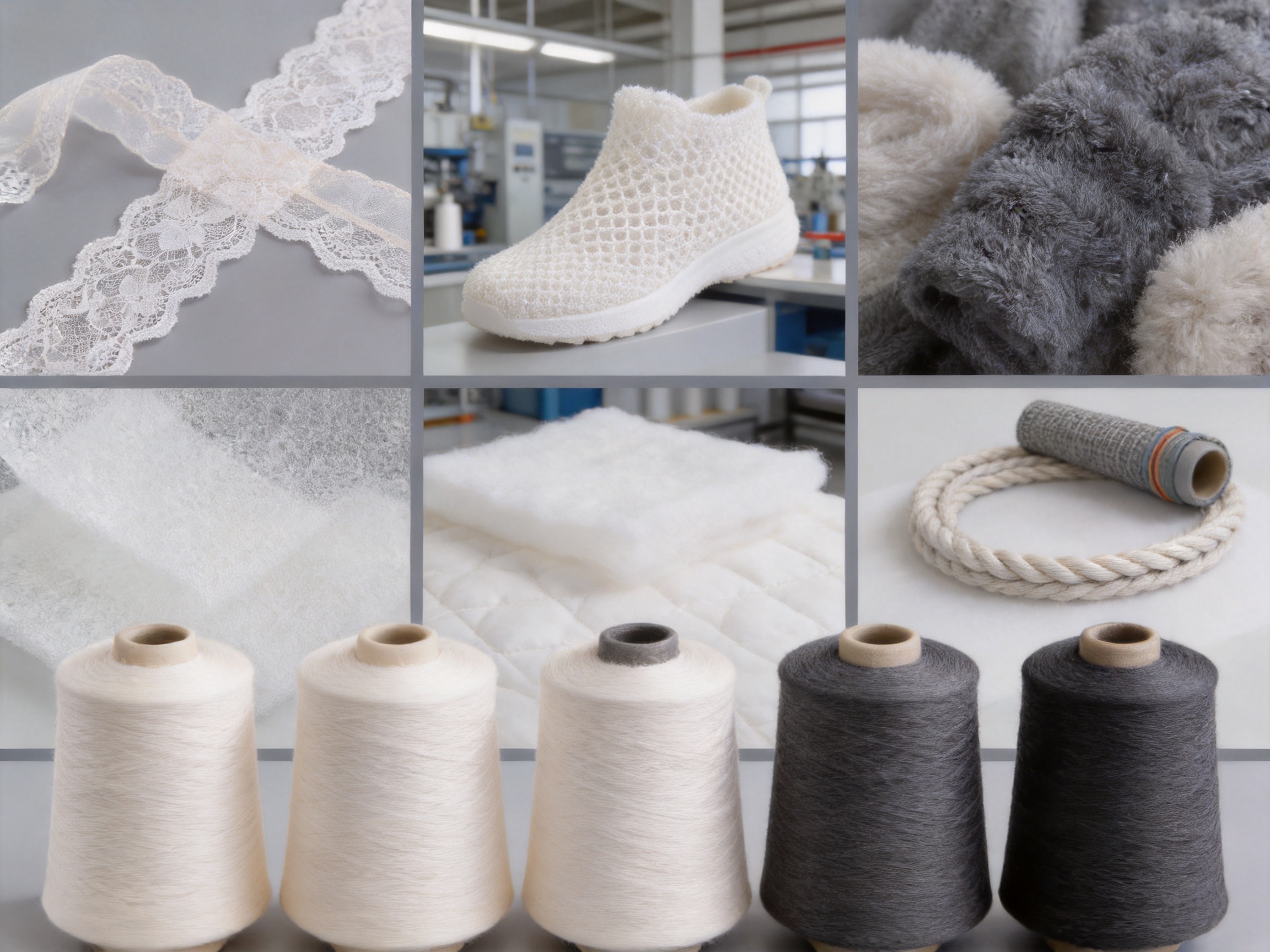
3D knitted fabrics require dimensional stability and controlled shape retention. In footwear uppers, spacer materials, athletic products, luggage fabrics, and semi-rigid meshes, low melting yarn can help stabilize the knitted construction after heat treatment.
The yarn can be incorporated into selected knitting zones to create localized reinforcement. This approach may allow designers to combine flexible areas with firmer structural sections in one textile product. The final performance depends on knitting pattern, yarn placement, heating method, and the properties of the other filaments.
For footwear applications, testing should include flexing, abrasion, repeated compression, washing, and bonding durability. A successful material must provide support without making the entire upper excessively rigid.
In chenille production, low melting yarn can help secure core fibers and reduce shedding or hair pull-out. Thermal bonding fixes selected fibers in place, improving the stability of the fancy yarn during handling and washing.
The bonding level should be carefully controlled. Excessive bonding may reduce the characteristic softness and surface fullness of chenille. The purpose is to stabilize the structure while preserving the desired appearance and tactile quality.
Lingerie ribbons, lace trims, and other fine accessories often require clean edges and a soft appearance. Low melting yarn can be used for anti-fray heat sealing, edge stabilization, and selected bonding operations.
Because the yarn is available in fine counts, it can be matched to lightweight constructions. The lower activation temperature can also reduce the risk of damaging sensitive fibers, decorative elements, and elastic components, provided that the complete assembly is tested before mass production.
Seamless underwear and close-fitting garments require comfort, flexibility, and dimensional stability. A thermally fusible polyester yarn may be used in selected support zones, linings, edges, or internal structures.
Material selection should consider skin contact, softness, wash durability, stretch recovery, and the location of the bonded section. The yarn is most suitable when the thermal bonding operation can be controlled without creating hard or uncomfortable areas.
In nonwoven structures, the yarn can act as a bonding component between fibers. It may be introduced as a reinforcing filament, grid, stitch element, or internal support yarn before the structure is heated.
Thermal activation can improve tensile integrity, dimensional stability, and resistance to fiber displacement. This is useful in materials that must retain their shape during cutting, molding, installation, or use.
Filter media must maintain a stable fiber structure while allowing air, gas, or liquid to pass through the intended pathways. Low melting yarn can support the structure by fixing fibers and reducing movement during handling and service.
For filtration products, manufacturers should evaluate pressure drop, filtration efficiency, temperature exposure, chemical compatibility, cleaning conditions, and the effect of bonding on pore structure. The correct yarn count and distribution are essential because excessive bonding may reduce permeability.
Wadding and quilting materials benefit from shape retention and resistance to fiber migration. Low melting yarn can be inserted into the structure and activated during molding, quilting, or thermal bonding.
The resulting fixation can help the product retain its thickness and form after compression. Potential uses include apparel padding, household textiles, furniture components, bedding structures, and automotive interior materials.
Automotive interior padding often requires a combination of low weight, dimensional stability, resistance to vibration, and controlled molding. A low-temperature bonding yarn can help stabilize fibrous padding while reducing the thermal load on adjacent materials.
Before use in automotive products, the finished composite should be evaluated under heat aging, humidity, odor, vibration, compression, and chemical exposure conditions. The yarn should be selected according to the performance standards of the specific vehicle component.
Bonded sewing thread systems use bonding to improve filament cohesion and reduce filament separation. A low melting polyester yarn can contribute to thread stability when processed under suitable thermal conditions.
The resulting thread may offer improved handling, reduced fuzzing, and more consistent performance during sewing. The exact construction must be designed according to needle size, sewing speed, seam strength, flexibility, and the thermal tolerance of the sewn materials.
In ropes and technical cords, thermal bonding can help lock selected fibers or yarn layers in position. This may reduce slippage and improve dimensional consistency in certain constructions.
Because rope performance depends on tensile strength, elongation, abrasion, bending fatigue, and environmental exposure, low melting yarn should be used as part of a carefully engineered structure rather than as a substitute for all load-bearing components.
Low melting yarn can be incorporated into heat-sealable cable wire protection sleeves or textile coverings. During thermal treatment, the yarn can help close, stabilize, or reinforce the sleeve structure.
Electrical and cable applications require additional evaluation for temperature rating, insulation compatibility, flame behavior, chemical resistance, flexibility, and long-term aging. The yarn’s bonding function should not interfere with the electrical safety requirements of the completed cable assembly.
One important advantage of a thermally fusible yarn is the possibility of reducing reliance on liquid chemical binders. The product can support adhesive-free or reduced-adhesive processing, depending on the application design. This may simplify chemical handling and reduce the use of solvent-containing materials.
The material can also support more efficient production through accurate placement. Instead of coating an entire surface with adhesive, manufacturers may position bonding yarn only where structural fixation is required. This selective approach can reduce unnecessary material consumption and help preserve softness in unbonded areas.
Lower-temperature bonding may reduce energy requirements compared with higher-temperature thermal processes. However, energy performance depends on the complete production system. Oven insulation, line speed, heating method, product thickness, dwell time, and cooling arrangements all affect the final energy profile.
Pure polyester construction can also simplify material compatibility in products that already use polyester fibers. A more uniform material system may support recycling considerations, although the recyclability of a finished textile depends on dyes, coatings, blends, accessories, and the available recycling process.
Environmental claims should be evaluated based on the complete product life cycle. Low VOC processing, reduced adhesive use, lower-temperature activation, and improved product durability can all contribute to a more responsible manufacturing approach, but they should be supported by application-specific data.
The yarn should be stored in a clean, dry environment away from direct sunlight, excessive humidity, dust, and chemical contamination. Packages should remain protected until they are ready for use.
Sudden changes in temperature and humidity may influence package behavior and unwinding performance. Allowing the material to reach the production-room environment before processing can help reduce condensation and handling problems.
Before starting production, operators should check yarn guides, tension devices, needles, rollers, winding surfaces, and feeding equipment. Damaged guides or rough contact surfaces can create unnecessary abrasion and increase yarn breaks.
Machine tension should be adjusted to provide stable feeding without excessive stretching. The correct tension depends on yarn count, package size, machine type, and construction design.
A small-scale thermal trial is recommended before full production. The trial should evaluate temperature, dwell time, pressure, heating uniformity, cooling rate, and final bond strength.
Although the product is designed for an approximate 110°C melting point, the ideal machine setting may be higher or lower depending on heat transfer and the materials being bonded. Operators should verify the actual temperature inside the textile structure rather than relying only on the machine display.
Bonding yarn may be inserted continuously, intermittently, in a grid, in parallel lines, or in selected zones. The best arrangement depends on the required flexibility and structural strength.
A high insertion ratio can increase stabilization but may also reduce softness, permeability, stretch, or drape. A lower ratio may preserve comfort but provide less structural fixation. Product development should therefore balance bonding performance with the characteristics expected by the end user.
Cooling is part of the bonding process. The product should remain undisturbed long enough for the softened polyester to solidify. Premature stretching, folding, or compression may distort the structure before the bond has fully stabilized.
For molded products, cooling under controlled pressure can help improve shape accuracy. For knitted and woven fabrics, a gradual and uniform cooling stage may reduce puckering or local distortion.
Before commercial production, the finished product should be evaluated using tests appropriate to its intended application. Useful tests may include tensile strength, peel strength, burst strength, dimensional change, washing durability, abrasion resistance, flexing, thermal aging, and chemical exposure.
For apparel and intimate products, appearance, softness, skin comfort, stretch recovery, and repeated laundering are important. For technical products, manufacturers may need to evaluate load-bearing performance, filtration, pressure resistance, environmental aging, and flame or electrical behavior.
| Application | Recommended Evaluation Areas |
|---|---|
| 3D knitted fabric | Shape retention, flexing, compression recovery, abrasion, and washing |
| Chenille yarn | Hair pull-out, shedding, softness, appearance, and wash resistance |
| Lace and ribbons | Edge stability, softness, appearance, fray resistance, and laundering |
| Nonwoven materials | Tensile integrity, dimensional stability, bonding uniformity, and permeability |
| Filter media | Filtration efficiency, pressure drop, pore stability, and chemical resistance |
| Wadding and quilting | Thickness retention, molding stability, compression recovery, and wash durability |
| Automotive padding | Heat aging, humidity, vibration, odor, compression, and chemical exposure |
| Ropes and cable sleeves | Tensile behavior, abrasion, bending, dimensional stability, and environmental aging |
Functional yarns require more than basic filament production. The manufacturer must understand how polymer behavior affects spinning, winding, downstream processing, thermal bonding, and final product performance.
GC FIBER focuses on special and functional eco-friendly textile products. Its experience across several functional yarn categories supports a broader understanding of customer requirements. This is valuable when a project involves more than one material function, such as low-temperature bonding combined with polyester compatibility, anti-static performance, biodegradability, or a special filament design.
The company’s product range allows customers to discuss different material routes within one specialized manufacturing organization. A customer developing a new textile composite may require a low melting yarn for bonding, a polyester filament for strength, an anti-static yarn for handling safety, or a bio-component yarn for environmental objectives.
GC FIBER also supports special production by order. This is important because textile applications often require a specific denier, package, color, construction, thermal response, or processing behavior. Custom development can begin with a review of the customer’s substrate, machine conditions, bonding temperature, target performance, and production volume.
Samples and pilot trials are valuable parts of this process. They allow the customer and manufacturer to confirm whether the selected yarn count and thermal profile are suitable before committing to large-scale production.
NanTong Global Chemical Fiber Co., Ltd. is located at No. 66 Qiaogang Road, Haian, Nantong City, Jiangsu Province, China. The company supplies functional textile materials for domestic and international customers, with Shanghai seaport available for shipping arrangements.
Reliable supply involves more than production capacity. It also includes consistent specifications, clear packaging identification, shipment coordination, technical communication, and support for repeat orders. These factors are especially important for manufacturers that use functional yarn in automated or continuous production lines.
| Item | Reference Specification |
|---|---|
| Product name | Pure Polyester Low Melting Yarn 110°C |
| Material | 100 percent polyester |
| Thermal activation | Approximately 110°C |
| Main function | Thermal bonding and structural stabilization |
| Strength characteristic | High tenacity grade |
| Rewinding performance | Smooth rewinding with low breakage potential |
| Available counts | 20D, 30D, 40D, 50D, 70D, 100D, 150D, 200D, and 300D |
| Packaging | Cones or packaging according to customer requirements |
| Processing methods | Heated press, steam oven, dry heat, calender, and thermal molding systems |
| Potential applications | 3D knitted fabric, chenille, ribbons, lace, sewing thread, underwear, ropes, cable sleeves, nonwovens, filters, wadding, and quilting |
It means that the yarn is designed to soften and begin its thermal bonding function at approximately 110°C under appropriate test and processing conditions. The actual machine setting may vary according to heat transfer, pressure, dwell time, substrate, and equipment design.
Yes. The product is described as 100 percent polyester low melting yarn. This makes it suitable for applications where a polyester-based bonding material is preferred for compatibility with polyester fabrics and fibers.
It can replace or reduce liquid adhesive in many textile bonding applications, but suitability must be verified for each product. The required bond strength, flexibility, wash resistance, chemical exposure, and thermal conditions should be evaluated before commercial use.
Yes. It can be combined with other fibers in nonwoven materials, wadding, quilting, filters, molded structures, and composite textiles. A compatibility trial is recommended because different fibers may have different shrinkage, surface energy, heat resistance, and bonding behavior.
The available counts include 20D, 30D, 40D, 50D, 70D, 100D, 150D, 200D, and 300D. The appropriate count depends on the required bonding capacity, fabric weight, flexibility, and production method.
Fine counts such as 20D, 30D, 40D, or 50D may be considered for lightweight products. The final selection should be based on the construction, required edge stability, softness, and the amount of thermal bonding needed.
Heavier counts such as 150D, 200D, or 300D may be considered for industrial structures. The exact choice depends on the sleeve design, reinforcement requirement, flexibility, and thermal processing conditions.
Yes. The yarn can help fix core structural fibers and reduce shedding or hair pull-out. Processing must be controlled so that the chenille retains its required softness, surface fullness, and visual character.
It can be used in selected support, lining, edge, or bonding areas of seamless underwear. Product developers should test softness, stretch, wash durability, comfort, and the hardness of the bonded area before production.
The yarn can be supplied on cones or in packaging arranged according to customer requirements. Package design should be matched to the customer’s machine, unwinding direction, production speed, and handling system.
Store the yarn in a clean, dry place protected from direct sunlight, dust, moisture, and chemical contamination. Keep packages covered until use and allow them to reach the production environment before processing if there is a significant temperature difference.
Yes. GC FIBER cooperates with customers to develop new material solutions. Custom discussions may involve yarn count, package format, application requirements, processing temperature, performance targets, and special production arrangements.
The high-tenacity design and smooth rewinding performance support automated winding, knitting, weaving, and sewing operations. Actual high-speed performance depends on machine settings, yarn tension, package quality, guides, and the customer’s production environment.
It can reduce the temperature required for thermal bonding compared with higher-melting materials. However, energy savings depend on the complete process, including heating efficiency, line speed, dwell time, product thickness, insulation, and cooling requirements.
The material is designed for durable textile bonding and offers resistance to yellowing, UV exposure, acid, alkaline chemicals, industrial laundering, and long-term weathering. The final performance depends on the bonded construction and should be confirmed through application-specific testing.
Pure Polyester Low Melting Yarn 110°C provides a practical bonding solution for manufacturers seeking a high-strength, low-temperature, and polyester-compatible functional yarn. Its key advantages include high tenacity, easy rewinding, controlled thermal activation, adhesive-free bonding potential, and a wide range of available counts.
The product can be used in both lightweight and heavy industrial structures. Fine counts support lace, lingerie ribbons, and other delicate materials, while heavier counts provide reinforcement for ropes, cable sleeves, bonded sewing threads, and technical textiles. Its applications also extend to 3D knitted fabrics, footwear meshes, chenille yarns, nonwovens, filter media, wadding, quilting, automotive padding, and seamless garments.
Its value is not limited to the yarn itself. The manufacturing process, including polymer preparation, melt spinning, drawing, thermal conditioning, winding, package formation, and quality inspection, determines whether the material will perform consistently on the customer’s production line. GC FIBER combines functional yarn manufacturing experience with custom development capability, helping customers select or develop materials for specialized textile applications.
For best results, manufacturers should select the yarn count according to the product structure, conduct thermal trials, confirm bonding uniformity, and evaluate the finished material under real service conditions. When properly designed and processed, 110°C pure polyester low melting yarn can simplify textile bonding, improve structural stability, and support more efficient production without compromising the essential characteristics of the base fabric.
1. NanTong Global Chemical Fiber Co., Ltd. Product information for Pure Polyester Low Melting Yarn 110°C.
2. GC FIBER. Functional yarn product portfolio and company manufacturing information.
3. International Organization for Standardization. General principles for textile fiber and yarn testing.
4. Textile Institute. Technical references on polyester fibers, filament yarn production, and thermal textile processing.
5. Standard textile engineering practices for nonwoven bonding, thermal molding, quilting, and textile composite development.
6. Industrial guidance on polymer thermal behavior, melt bonding, yarn package formation, and process quality control.
It is made with Bio-base PLA, fully biodegradable Feature: 1. Industrial compost product 2. Made with PLA 3. Eco-frie...
READ MOREPlease fill out the form below and our team will contact you as soon as possible.
Addres: No.66 Qiaogang Road, Haian, Nantong City, Jiangsu Province, China
E-mail: service@gcfiber.com admin@gcfiber.com
Copyright ? GC FIBER All Rights Reserved. Eco-Friendly Textile Products Manufacturer Biodegradable Yarn Company