English
 中文简体

Made of PBS (Polybutylene Succinate), fully biodegradable.Features:1.Home compostable2.Raw material: PBS Polybutylene Su...
READ MORE
Content
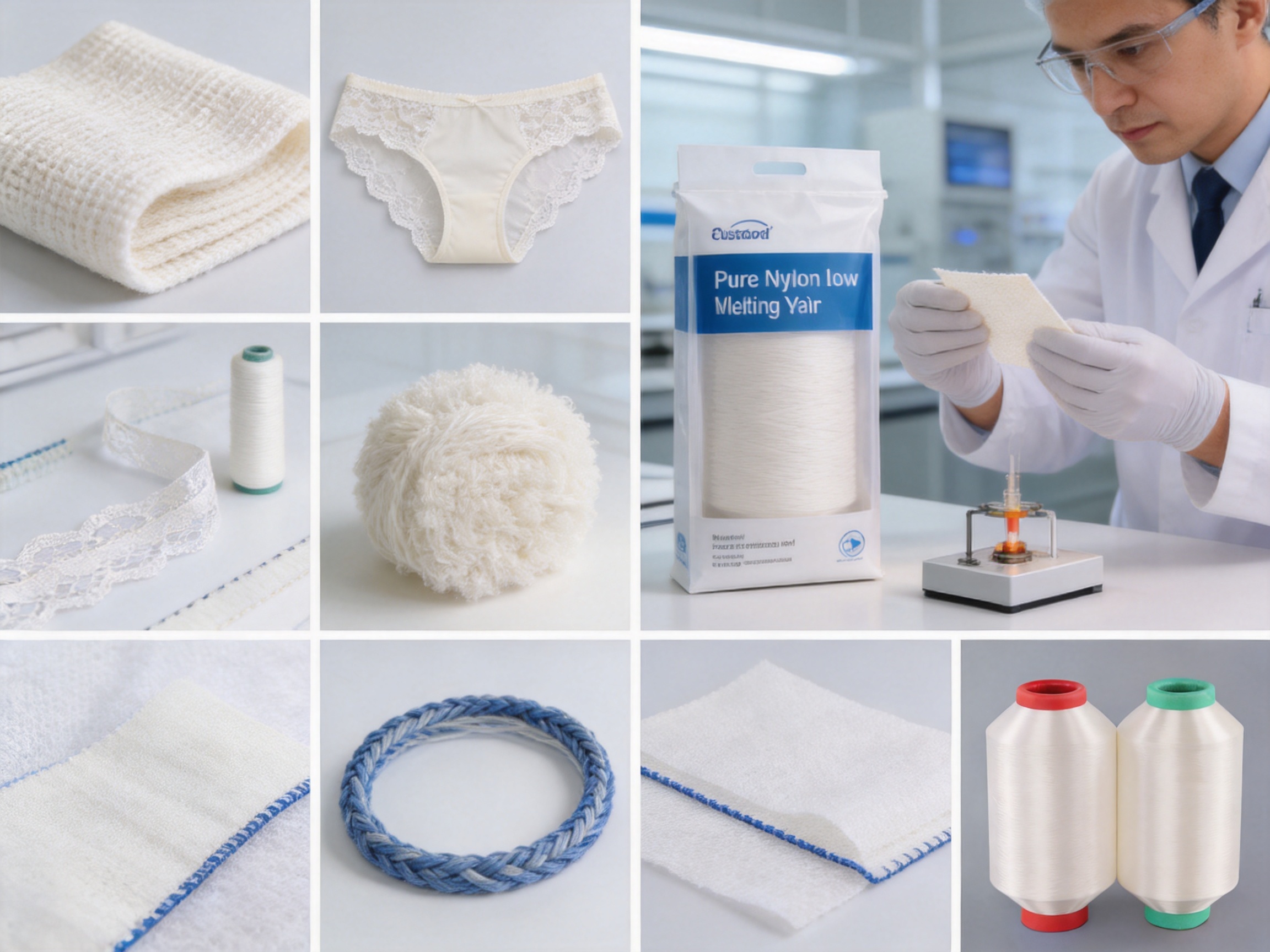
Pure nylon low melting yarn is a specialized thermo-fusible textile material designed to provide reliable bonding, structural support, and a soft finished hand feel. With a controlled melting point of approximately 110°C, this yarn can be integrated into textile structures and activated through steam, hot air, heat pressing, calendering, or industrial oven processing. After melting, it flows into surrounding fiber gaps and forms bonding points as it cools, creating a stable connection without requiring conventional liquid adhesives.
The product discussed in this article is a pure nylon low melting yarn based on 100% copolyamide material. It is available in a broad range of deniers, including 20D, 30D, 40D, 50D, 70D, 100D, 150D, 200D, and 300D. Depending on the application and order specification, the yarn can be used as a bonding component in 3D knitted fabrics, chenille yarn, lingerie ribbons, lace, bonded sewing thread, seamless underwear, ropes, cable wire protection, technical textiles, and other composite structures.
Beyond its melting function, the yarn is engineered to offer a combination of softness, high tenacity, controlled thermal response, and smooth rewinding performance. These properties make it suitable for manufacturers that need a bonding yarn capable of running through demanding textile equipment while preserving the appearance, flexibility, and comfort of the finished product.
Low melting yarn is a functional yarn that softens and melts at a lower temperature than the primary fibers with which it is combined. During processing, the low melting component becomes fluid or semi-fluid, spreads through adjacent fibers, and solidifies when the temperature falls. The resulting bond helps hold the textile structure together.
In a pure nylon low melting yarn, the bonding material is based on nylon polyamide chemistry rather than polyethylene or conventional copolyester. The nylon base gives the yarn a distinctive balance of softness, strength, flexibility, and resistance to repeated handling. The approximately 110°C melting point provides a moderate thermal activation temperature for applications in which excessive heat could damage the base textile, elastic component, color, or surface finish.
The yarn can be processed as a bonding thread, blended with other fibers, incorporated into a knitted structure, or positioned within a composite material. The final process depends on the application, the percentage of low melting yarn, the surrounding fibers, the required bond strength, the line speed, and the equipment used by the customer.
Unlike an external adhesive coating, a thermo-fusible yarn distributes bonding capability throughout the textile structure. It can therefore create bonding points in selected areas while maintaining a relatively clean appearance. This is particularly useful for narrow fabrics, fine knitted structures, technical meshes, and products where visible glue, hard spots, odor, or excessive stiffness would be undesirable.
The first important characteristic is the soft hand feel associated with the nylon base material. In applications such as lingerie, lace, seamless underwear, elastic ribbons, and apparel accessories, comfort and flexibility are essential. A bonding material that becomes excessively rigid can negatively affect drape, stretch recovery, and skin comfort. Pure nylon low melting yarn is designed to support bonding while helping the finished textile retain a softer tactile quality.
The actual hand feel depends on the yarn count, blend ratio, activation temperature, heating time, cooling method, and base fabric. Nevertheless, the nylon composition provides a useful foundation for applications that require a combination of bonding and textile comfort.
High tenacity allows the yarn to withstand mechanical stress during winding, weaving, knitting, sewing, needle processing, and handling. A low melting yarn must not only melt correctly at the bonding stage; it must also reach the bonding station without excessive breakage or deformation.
Good tensile performance is especially valuable when the yarn is used in high-speed equipment or when it is combined with stronger structural fibers. A yarn with insufficient strength may break during unwinding, create uneven bonding, or generate production waste. High tenacity helps maintain stable feeding and consistent placement throughout the process.
Controlled yarn formation and stable winding behavior are important for industrial users. The yarn is designed for smooth rewinding and can be supplied on suitable paper tubes or wax tubes according to customer requirements. Proper rewinding supports consistent package density, reliable unwinding, and reduced stoppages on automatic equipment.
For manufacturers operating computerized knitting machines, automatic sewing systems, or high-speed rewinding equipment, the ability to unwind smoothly is a practical advantage. Stable yarn packages can also improve tension control and reduce the risk of snarling, slough-off, and irregular feeding.
The approximately 110°C melting point is the defining thermal property of this product. It enables bonding at a moderate processing temperature while remaining stable during lower-temperature preparation or handling stages. The actual operating window must be confirmed through trials because equipment temperature, dwell time, pressure, line speed, fabric density, and surrounding material all influence the result.
In practice, users may need to adjust the temperature slightly above or below the nominal value depending on the heating system and the structure being bonded. Steam, hot air, hot press, and calendering equipment may each require different settings. A production trial is recommended before full-scale manufacturing.
Once activated, the yarn acts as a solid-state adhesive distributed within the textile. It softens, penetrates gaps between fibers, and forms bonding points during cooling. This function can help stabilize dimensions, prevent fraying, reinforce edges, support three-dimensional structures, or join textile layers.
Because the bonding material is introduced as yarn rather than sprayed or laminated as a separate liquid, the process can be more integrated with conventional textile production. This may reduce the need for solvent-based adhesives, separate glue application, or additional adhesive handling equipment in suitable applications.
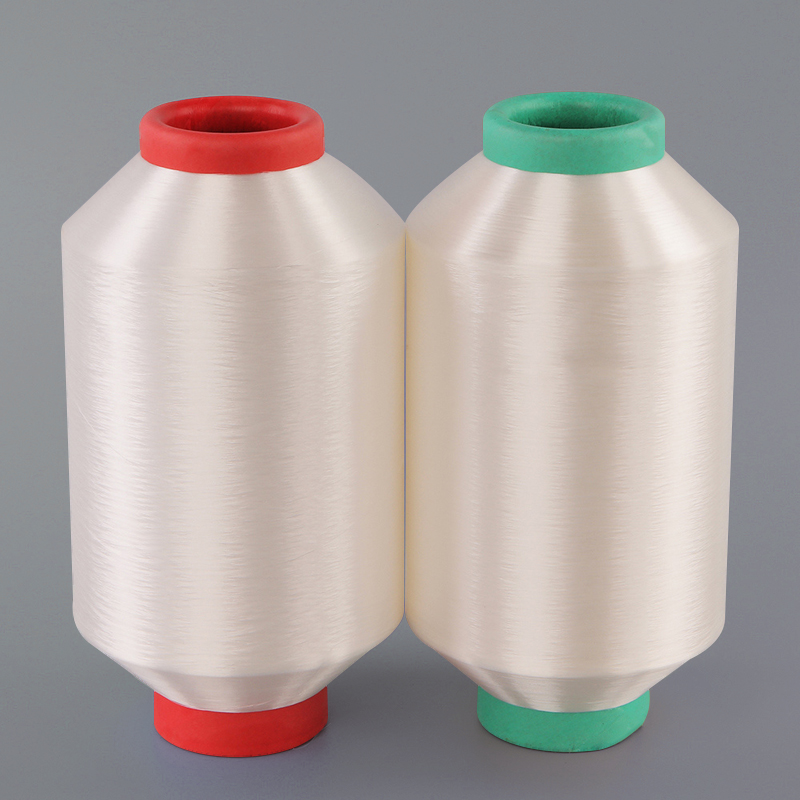
Pure Nylon Low Melting Yarn 110 Degree
Low melting yarns are available in different chemical families, including polyethylene-based materials, copolyester materials, and nylon-based materials. Each type has its own suitable processing range and performance profile. Pure nylon low melting yarn is attractive when users need a soft hand feel together with high physical strength and reliable thermal bonding.
Polyethylene-based low melting materials are often selected for fast, low-temperature bonding or general nonwoven applications. They can be useful where the main requirement is economical adhesion at a relatively low activation temperature. However, the balance between softness, tenacity, flexibility, and compatibility with the surrounding textile may differ from that of nylon.
The nylon-based product is positioned for applications where the bonding yarn must also function as a strong textile component before activation. It can be better suited to products that experience tension, abrasion, repeated handling, sewing, or high-speed processing. The final choice should be based on testing, but the nylon base provides a valuable alternative when a polyethylene yarn does not provide the desired mechanical performance or hand feel.
Co-polyester low melting yarn is widely used in interlinings, nonwovens, thermal bonding, and composite products. It may provide strong bonding and good dimensional stability, particularly in applications designed around polyester systems. However, the tactile quality and flexibility of a co-polyester product may not match the requirements of every apparel, lace, or fine knitted application.
Pure nylon low melting yarn offers a nylon-based alternative for customers who value softness, high tenacity, and flexible bonding. It can be considered when a product must combine a comfortable surface with mechanical strength. It may also provide better material alignment when the main textile structure already contains nylon or polyamide fibers.
Traditional adhesive systems may require liquid application, drying, curing, ventilation, or additional coating equipment. Depending on the chemistry, they can introduce odor, stiffness, uneven coverage, or solvent-related handling concerns. Adhesive application can also make recycling or downstream processing more complicated.
A low melting yarn provides bonding material in a solid textile form. It can be placed where bonding is required and activated during a controlled thermal process. In appropriate applications, this can reduce reliance on liquid glue and support a cleaner production environment. The product is described as a zero-VOC alternative to solvent-based adhesive systems, but customers should always evaluate the complete production process and conduct their own compliance testing.
Hot melt powders are used in coatings, laminations, transfer systems, and textile bonding. Powder application can be effective, but it may require accurate metering, uniform distribution, dust control, and specialized handling. A yarn-based bonding component can be easier to integrate into a knitted, woven, stitched, or cord construction.
Yarn placement also allows the user to design the location and amount of bonding material more precisely. For example, a bonding yarn can be incorporated along an edge, inside a cord, around a structural loop, or within a three-dimensional knitted panel. This can help reduce unwanted stiffening in areas where flexibility must be preserved.
The following table summarizes the principal product information. Actual technical values, tolerances, package formats, and processing recommendations should be confirmed in the order specification and batch test documentation.
| Item | Reference Information |
|---|---|
| Product type | Pure nylon low melting bonding yarn |
| Base material | Pure nylon polyamide, described as 100% copolyamide |
| Nominal melting point | Approximately 110°C |
| Available deniers | 20D, 30D, 40D, 50D, 70D, 100D, 150D, 200D, and 300D |
| Hand feel | Soft and flexible, subject to processing conditions |
| Mechanical property | High tenacity grade for demanding textile processing |
| Function | Thermo-fusible bonding agent and structural support component |
| Typical color | Natural white; further processing may be discussed |
| Package options | Paper tube or wax tube, subject to confirmation |
| Production method | Standard or special production by order |
| Shipping arrangement | Shanghai seaport available for shipment coordination |
Some product information may be presented using different denier ranges for standard and customized production. The listed commercial choices extend to 300D, while certain technical references describe a standard range up to approximately 210D. Buyers should therefore confirm the exact denier, filament structure, package weight, and tolerance required for each purchase order.
Denier selection has a direct effect on feeding behavior, bonding quantity, coverage, appearance, and final structure. Fine deniers such as 20D, 30D, and 40D are suitable for delicate fabrics, fine lace, lightweight ribbons, and applications where the bonding component must remain visually discreet.
Medium deniers such as 50D, 70D, and 100D can provide a balance between fine handling and useful bonding capacity. They may be considered for apparel accessories, knitted fabric, narrow webbing, sewing thread structures, and general textile composites.
Heavier options such as 150D, 200D, and 300D are more appropriate when the application needs greater material volume, stronger structural support, or a more substantial bonding contribution. They may be used in technical cords, heavy-duty ropes, cable protection, three-dimensional textile structures, and industrial composite products.
Denier alone does not determine performance. Filament count, cross-section, twist, blend ratio, package construction, fabric density, and thermal cycle are also important. A product developer should evaluate the yarn in the actual substrate and use conditions rather than selecting solely from a nominal denier value.
The performance of a low melting yarn depends heavily on manufacturing consistency. A nominal melting point is useful only when the yarn melts predictably from batch to batch. Likewise, high tenacity and easy rewinding require control over polymer preparation, spinning, drawing, winding, and package formation.
The production process begins with the selection and preparation of the nylon-based raw material. Polymer quality, moisture control, cleanliness, and drying conditions are important because nylon is sensitive to moisture during melt processing. Proper material preparation supports stable extrusion and helps reduce variation in viscosity and yarn formation.
For a functional yarn, raw material control must consider more than basic fiber formation. The polymer must provide the intended balance between softening behavior, tensile performance, flexibility, and bonding response. Material batches should be managed carefully so that the final yarn maintains consistent thermal and mechanical properties.
In melt spinning, prepared polymer is heated and extruded through a spinneret to form continuous filaments. Control of melt temperature, pressure, throughput, spinneret condition, and cooling is essential. These variables influence filament uniformity, diameter, surface quality, and mechanical performance.
A stable spinning process helps ensure that the yarn can be used on downstream equipment without excessive breakage. It also supports more consistent activation during thermal bonding because variations in filament size or polymer distribution can affect the way the yarn melts and spreads.
After filament formation, controlled drawing can be used to orient the polymer chains and develop the desired tensile properties. The drawing ratio, heating conditions, speed, and tension must be managed according to the material design. Excessive or insufficient drawing may affect elongation, tenacity, shrinkage, and thermal response.
For this product, the manufacturing objective is to create a yarn that remains strong and processable before activation while retaining the ability to melt at the specified temperature range. Achieving that balance requires coordination between polymer formulation and filament processing rather than relying on melting point control alone.
Winding quality is directly related to customer productivity. A well-formed package should unwind with stable tension and minimal sloughing. Winding speed, traverse ratio, yarn tension, package density, tube selection, and surface condition all influence package performance.
Paper tubes and wax tubes can be considered according to the customer’s equipment and handling needs. The appropriate package format may vary between knitting, sewing, rewinding, and industrial composite applications. Custom packaging can also assist with identification, storage, and automated feeding.
Quality verification may include visual inspection, denier measurement, tensile testing, elongation testing, melting point or thermal behavior testing, package inspection, and unwinding evaluation. For application-specific orders, additional testing may be required to confirm bonding strength, peel resistance, wash durability, or compatibility with the customer’s base textile.
The technical information provided for this product is described as typical or reference information. Actual values should be confirmed by test reports and order specifications for each batch. This approach is important because custom denier, different filament counts, and special production conditions may influence the final properties.
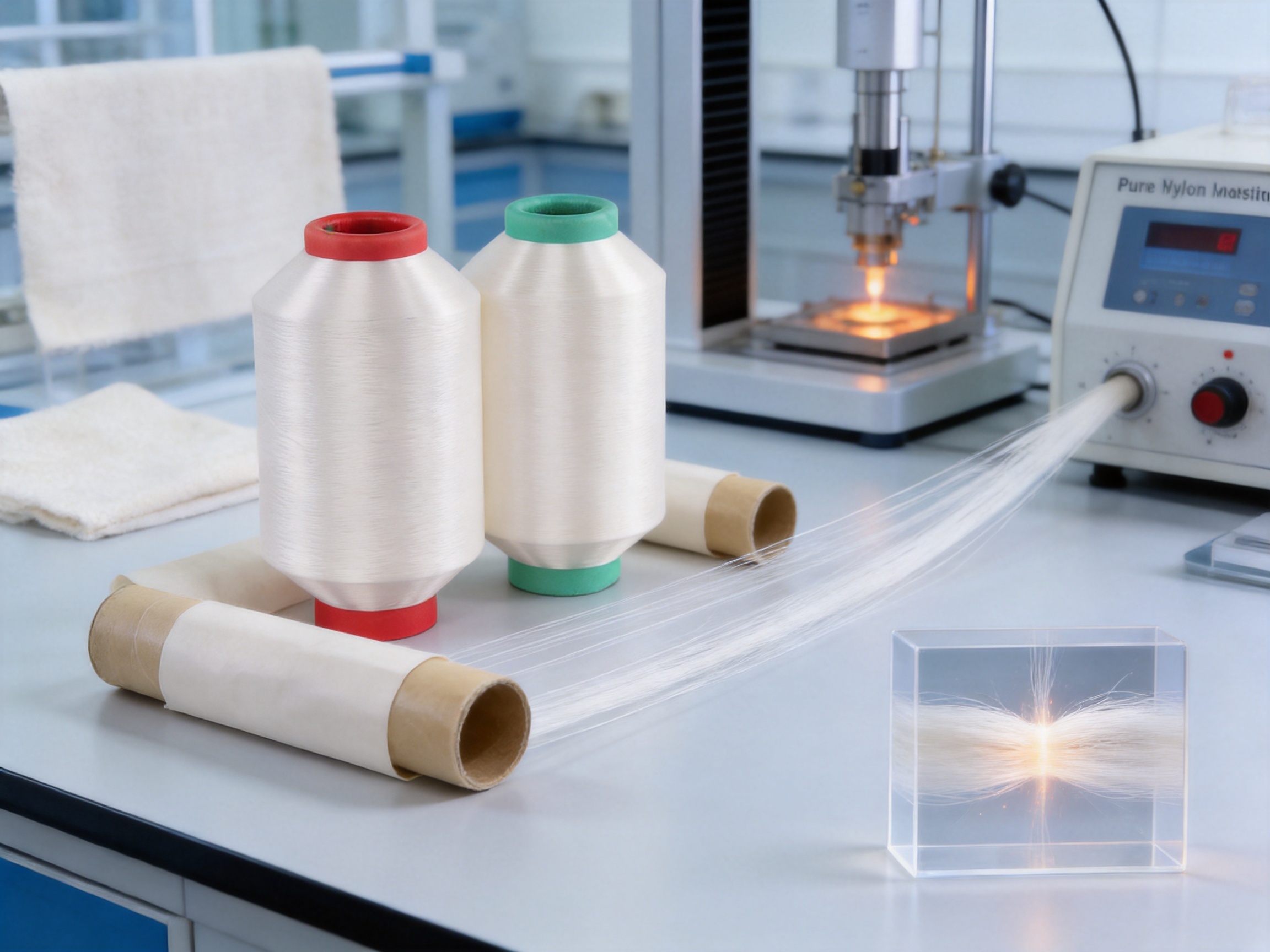
The bonding process can be understood as a sequence of heating, softening, flow, penetration, cooling, and solidification. When the yarn reaches its activation range, the polymer softens and begins to move into the spaces between adjacent fibers or layers.
The low melting yarn may be knitted, woven, sewn, wrapped, laid into a web, or combined with other fibers. The distribution should be designed according to the required bonding pattern. A higher percentage can increase bonding capacity but may also influence softness, flexibility, appearance, and cost.
Heat can be supplied through hot air, steam, a heat press, an oven, or a calender. The nominal target is approximately 110°C, although the actual machine setting may differ. The product must receive sufficient thermal energy to activate the bonding yarn, but excessive temperature or prolonged exposure should be avoided if it could damage the base material.
As the yarn softens, it penetrates the gaps between surrounding fibers. Pressure may help improve contact, especially in laminated or layered structures. The extent of penetration depends on temperature, time, pressure, yarn placement, and the geometry of the textile.
When the material cools, the nylon-based bonding component solidifies and forms stable contact points. These points can reinforce the structure, reduce movement between layers, stabilize edges, and help maintain the intended shape.
A suitable cooling stage is important because the product should be allowed to stabilize before being stretched, folded, washed, or subjected to further processing. In some constructions, controlled cooling under light pressure can improve dimensional consistency.
Three-dimensional knitted fabrics often require local reinforcement and dimensional control. Low melting yarn can be introduced into selected courses, columns, edges, or internal zones. After activation, the yarn helps lock the structure into a stable three-dimensional form while maintaining a relatively soft surface.
Potential uses include knitted shoe uppers, technical mesh, sports gloves, protective textiles, and shaped textile panels. The bonding process can support the construction without adding a separate adhesive layer that might increase weight or stiffness.
In footwear, a thermo-fusible yarn may be incorporated into knitted uppers, support zones, overlays, or reinforcement structures. The yarn can help stabilize areas that need improved shape retention while preserving flexibility in areas requiring movement.
Sports gloves, activewear accessories, and technical sports textiles may also benefit from a bonding component that combines moderate-temperature activation with high tenacity. The final design should consider sweat, washing, flexing, abrasion, and repeated deformation.
In chenille yarn, the low melting component can function as a core or bonding element that helps maintain the relationship between the pile and the core structure. The selected denier should match the chenille construction, desired softness, and required resistance to shedding or deformation.
Process trials are important because excessive heating may affect the appearance of the pile, while insufficient activation may produce inadequate bonding. A properly selected nylon low melting yarn can help create a stable and flexible chenille structure.
Lingerie ribbons and lace require a careful balance between edge stability, softness, elasticity, and visual quality. A fine low melting yarn can provide bonding or anti-fray performance without creating a conspicuous hard line.
The yarn may be used for edge reinforcement, joining, decorative structures, narrow elastic products, and delicate textile assemblies. The correct thermal cycle should be selected to avoid yellowing, shrinkage, loss of elasticity, or surface distortion.
Bonded sewing thread is designed to improve thread cohesion, reduce filament separation, and support reliable sewing performance. A low melting nylon component can be activated after or during thread processing to help hold the thread structure together.
For industrial sewing, high tenacity and easy unwinding are essential. Thread size, needle selection, sewing speed, tension, and post-sewing heat treatment should be evaluated together. The final result should provide adequate strength while avoiding excessive stiffness in the seam.
Seamless underwear requires soft, flexible, and comfortable constructions. Thermal bonding can help join or stabilize selected zones while reducing the need for bulky sewn seams. The nylon base is suitable for applications where a softer hand feel and close contact with the body are important.
Manufacturers should evaluate stretch recovery, repeated laundering, skin comfort, and bond durability. The appropriate denier and bonding layout can help maintain the seamless appearance without compromising elasticity.
In ropes, cords, and composite yarn structures, the bonding component can improve cohesion between filaments or layers. Heavier deniers may be selected where the product requires greater bonding capacity and structural support.
Applications may include specialty cords, decorative ropes, technical braided structures, and composite cores. The required performance will depend on tensile load, flexing, abrasion, moisture exposure, and the materials surrounding the low melting yarn.
Low melting yarn can be incorporated into protective textile sheathing around cables or wires. Thermal activation may help stabilize the sheath, reduce movement, and create a more uniform protective covering. The process must be designed so that the heat does not affect the cable insulation or conductor assembly.
The yarn can serve as a bonding component in nonwoven structures where manufacturers seek to reduce dependence on chemical adhesives. It may be blended with other fibers and activated through hot air, oven, or calender processing.
The final properties depend on fiber selection, web formation, basis weight, bonding ratio, and thermal profile. Applications may include household materials, acoustic structures, filtration supports, and technical nonwoven composites.
In garment interlining, the low melting yarn can contribute to adhesion between the interlining and the face fabric. A moderate activation temperature may be helpful for fabrics that cannot tolerate very high heat.
Bond strength, wash durability, drape, and compatibility with dyes and finishes should be checked before commercial production. The yarn may be incorporated into the interlining itself or used as part of a specialized bonding construction.
Automotive interior materials often require lightweight structures with dimensional stability, thermal resistance, and acoustic performance. A low melting bonding yarn may be used in insulation or composite structures where controlled thermal bonding can replace or reduce liquid adhesive use.
Automotive applications require rigorous testing. Temperature cycling, humidity, odor, flammability, vibration, compression recovery, and long-term aging should be evaluated according to the relevant project standards.
Thermal bonding can help stabilize filling and composite core materials used in pillows, quilts, mattresses, sofas, and related home textile products. The yarn may be blended with filling fibers and activated to create a shaped, cohesive structure.
This approach can reduce the need for sprayed glue and may support more uniform internal construction. The selected denier and blend ratio should be adjusted according to loft, softness, resilience, and required dimensional stability.
After activation and cooling, the bond is intended to remain flexible rather than becoming excessively brittle. This characteristic is useful for products exposed to bending, stretching, compression, or repeated handling.
Washability is an important consideration for apparel, underwear, lace, ribbons, home textiles, and washable technical products. The bond should be evaluated after repeated home laundering, industrial washing, and, where relevant, dry cleaning. Testing should measure peeling, fraying, dimensional change, loss of elasticity, surface appearance, and bond strength.
Durability is influenced by more than the yarn itself. Poor thermal activation, inadequate contact, incompatible fiber surfaces, excessive mechanical stress, or unsuitable washing conditions can reduce performance. Manufacturers should establish an application-specific process window through laboratory trials and pilot production.
The manufacturer behind this product is a specialized textile producer established in 2006 and focused on special and functional eco-friendly textile products. Its product portfolio includes biodegradable yarn, low melting yarn, ECDP yarn, anti-static yarn, HDPE yarn, bio-component yarn, and polyester filament yarn.
This product range indicates experience across multiple functional material categories rather than dependence on a single standard yarn. Such a portfolio can be useful for customers developing composite products that combine several performance requirements, such as bonding, biodegradability, static control, strength, and thermal resistance.
The company maintains a dedicated design and research and development function focused on special and functional yarn products. This is important because low melting yarn applications often require more than a catalog selection. Customers may need to adjust denier, filament count, cross-section, thermal behavior, package format, or compatibility with a particular base material.
Collaborative development allows the manufacturer to work with customers from the initial application concept through testing and production. The development process may include understanding the customer’s equipment, identifying the required bonding temperature, selecting a suitable yarn size, reviewing trial results, and refining the product specification.
Multiple production lines and machines support flexibility for different yarn constructions and order requirements. This can help accommodate both standard products and special production by order. Production flexibility is especially valuable when customers need a small trial quantity before placing a larger order.
For established products, the manufacturer can provide standard denier choices. For specialized projects, it may discuss custom denier, filament count, cross-section structure, functional properties, and packaging. The exact scope of customization depends on technical feasibility, minimum order quantity, and production scheduling.
Control over raw material supply and quality supports more stable production. Consistent raw materials help reduce variation in melting behavior, yarn strength, color, and package performance. Batch traceability and test documentation are also important for customers working with regulated, technical, or export-oriented products.
For every customized order, the product specification should identify the agreed material, denier, melting point range, mechanical targets, package type, inspection method, and acceptance criteria. Clear documentation reduces misunderstandings and helps both parties compare trial and production results.
A professional team covering sales, research and development, design, and production can help coordinate technical projects. Customers benefit when application requirements are communicated accurately between departments rather than being handled as a simple purchase transaction.
Support may include product selection, sample arrangement, trial guidance, production progress updates, packaging coordination, and shipment preparation. Dedicated service is particularly useful when the buyer is developing a new textile product or replacing an existing bonding method.
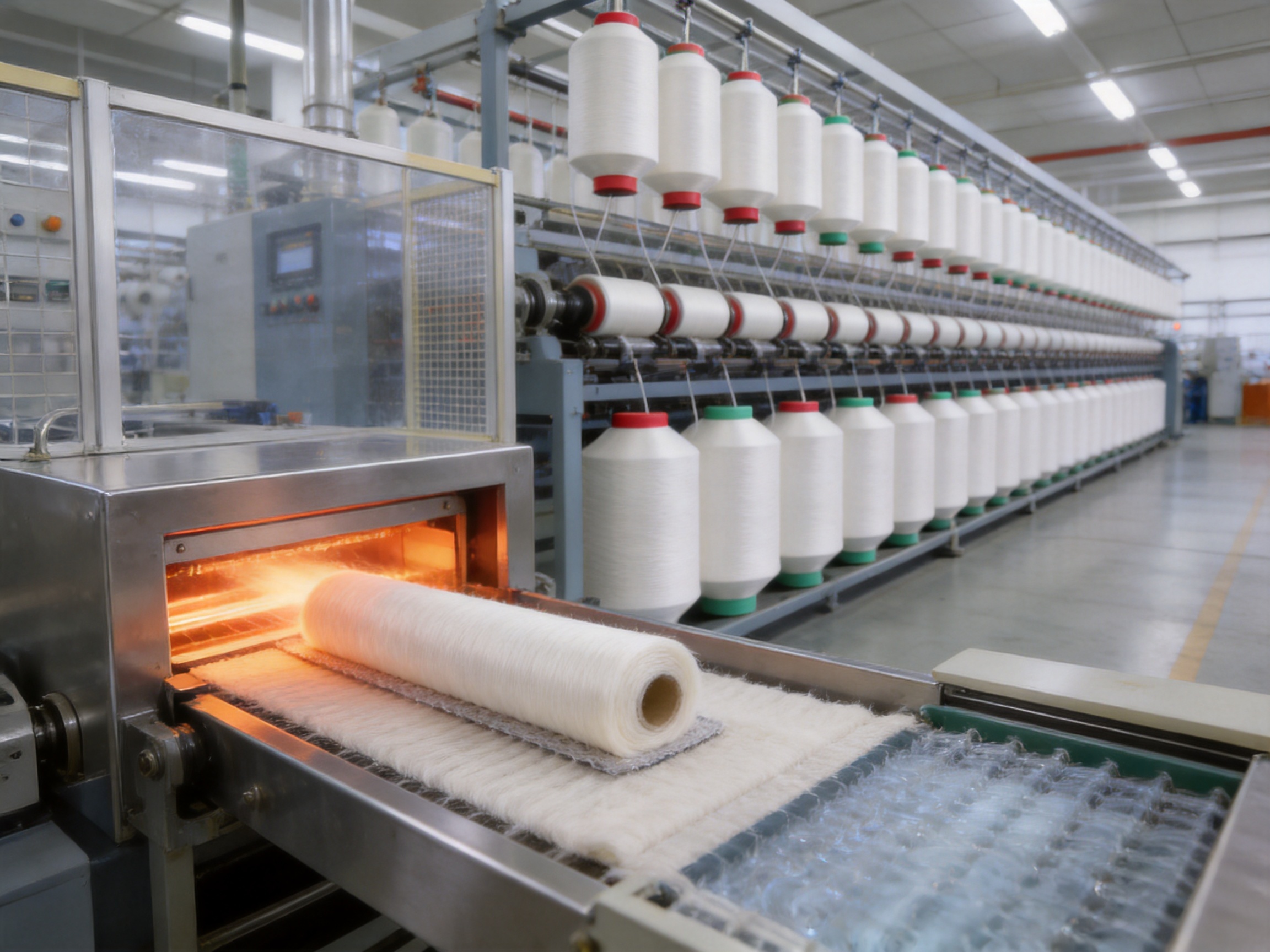
Customization is available for customers whose requirements do not match a standard catalog specification. Possible discussion points include denier, filament count, cross-section, package dimensions, functional properties, color, and production quantity.
A custom denier can help match the feeding system, bonding ratio, fabric weight, and finished-product appearance. Filament count and cross-section can also influence softness, surface contact, mechanical behavior, and thermal response. These parameters should be selected with consideration for the complete textile structure.
Customers may approach the manufacturer with a specific problem rather than a predetermined yarn specification. For example, the requirement may be to reduce edge fraying, improve the shape retention of a knitted structure, replace a solvent-based adhesive, or create a softer bonded seam.
In such cases, the development process can begin with an application review. The team may assess the customer’s base material, equipment, activation temperature, production speed, required bond strength, washing conditions, and cost target. Samples can then be prepared for laboratory and pilot-line testing.
Production flexibility allows customers to validate a material before committing to a large volume. A trial order can reveal how the yarn behaves during rewinding, knitting, sewing, heat treatment, and finishing. Once the process is confirmed, larger production can be organized against the approved specification.
Customers should communicate forecast volume, delivery schedule, packaging preferences, and quality documentation needs as early as possible. This helps the manufacturer plan raw materials, machine time, testing, and shipment arrangements.
A controlled trial is recommended for every new application. The trial should use the intended base textile, the proposed denier, the planned blend ratio, and equipment that represents commercial production as closely as possible.
The purpose of a trial is not only to determine whether the yarn melts. It is also to confirm whether the finished product has the required hand feel, strength, elasticity, appearance, wash durability, and production efficiency.
Low melting yarn should be stored in a clean, dry environment and protected from unnecessary heat before use. Excessive humidity or high storage temperatures can affect package condition and processing behavior. Packages should remain protected until they are ready for production.
During handling, operators should avoid damaging the package edges or creating loose yarn sections. Consistent package handling supports stable unwinding. If the yarn has been stored for an extended period, a preliminary inspection is recommended before production.
Processing departments should clearly distinguish low melting yarn packages from conventional yarn packages. Correct identification helps prevent accidental mixing or exposure to unsuitable temperatures. Production records should include the yarn lot, machine settings, heating conditions, and inspection results.
Thermo-fusible yarn can contribute to cleaner textile processing by reducing or eliminating the need for certain liquid adhesives. It is a solid, textile-compatible bonding material that can be integrated into the product design. In suitable applications, this may simplify adhesive handling, reduce drying stages, and limit odor or volatile emissions associated with solvent-based systems.
The environmental profile of a finished product depends on the complete material system, including the nylon polymer, dyes, finishes, other fibers, processing energy, product lifetime, and end-of-life route. Therefore, the yarn should be evaluated as part of the complete product rather than described as an automatically sustainable solution in every application.
Its functional benefit is strongest when it enables a more efficient construction, reduces waste from fraying or failed assembly, extends product durability, or replaces a less desirable bonding method. Customers should carry out lifecycle, compliance, and recycling assessments according to the requirements of their market.
It is a thermo-fusible yarn made from a pure nylon polyamide-based material, described for this product as 100% copolyamide. It is designed to soften and melt at approximately 110°C, then bond surrounding fibers or textile layers as it cools.
The nominal melting point is approximately 110°C. Actual production should use a process window determined by equipment, heating method, line speed, pressure, fabric construction, and dwell time. A small trial should be completed before mass production.
Commercial choices include 20D, 30D, 40D, 50D, 70D, 100D, 150D, 200D, and 300D. Some technical references describe a standard range up to approximately 210D, so the exact available specification should be confirmed for each order.
Yes. It can be incorporated into 3D knitted structures to support shape retention, local reinforcement, and bonding. The appropriate denier, placement, blend ratio, and activation cycle depend on the design of the knitted product.
It can be suitable for lingerie ribbons, lace, seamless underwear, and similar products where softness, flexibility, and discreet bonding are important. The finished product should be tested for skin comfort, stretch recovery, wash durability, and appearance.
In some applications, it can replace or reduce the use of chemical adhesives. Complete replacement depends on the required bond strength, substrate, production method, washing conditions, cost target, and regulatory requirements. Application trials are necessary.
Both materials can provide thermal bonding, but this product uses a nylon-based composition. It is positioned for customers who need a soft hand feel combined with high tenacity and moderate-temperature activation. The best material depends on the base textile and final performance requirements.
The yarn is designed for high tenacity and easy rewinding. Actual performance depends on machine settings, package construction, yarn tension, and equipment compatibility. A production trial should verify unwinding stability on the customer’s specific machine.
Paper tubes and wax tubes are identified as available package options. Package size, weight, winding density, and tube dimensions should be confirmed according to the downstream equipment.
Yes. Customization may include denier, filament count, cross-section structure, functional properties, color or processing format, and packaging. Special production is arranged according to technical feasibility and order requirements.
The yarn should be tested in the intended base textile using representative equipment. Evaluation should include unwinding, tensile performance, thermal activation, bond strength, softness, appearance, dimensional stability, washing, and any application-specific durability requirements.
Shanghai seaport is identified as a shipping option. Final logistics arrangements depend on order volume, packaging, destination, export documentation, and agreed delivery terms.
Pure nylon low melting yarn with an approximately 110°C melting point is a versatile functional material for textile bonding and structural reinforcement. Its main advantages are the combination of a soft nylon hand feel, high tenacity, easy rewinding, moderate-temperature activation, and bonding performance in a textile-compatible form.
Compared with polyethylene-based or co-polyester alternatives, the nylon-based product offers a distinct option for applications that require strength and softness together. Compared with liquid glues and hot melt powders, it can simplify bonding by placing the adhesive function directly inside the textile structure.
The yarn can support applications ranging from 3D knitted fabrics and sports footwear to lingerie lace, seamless underwear, bonded sewing thread, chenille yarn, ropes, cable protection, nonwovens, interlinings, acoustic composites, and home textile fillings.
Its success in production depends on correct denier selection, compatible base materials, accurate thermal activation, controlled cooling, and application-specific testing. With research and development support, flexible production, quality-focused manufacturing, and OEM customization capability, the manufacturer can cooperate with customers on both standard supply and new functional material development.
For buyers, the most effective approach is to define the required end-use performance first, then confirm the yarn specification, processing window, package format, testing method, and quality criteria before placing a production order.
1. Technical product information for pure nylon low melting yarn, including nominal melting point, denier options, applications, and processing characteristics.
2. Manufacturer information concerning functional yarn research, development, production, customization, and special textile product manufacturing since 2006.
3. General textile engineering principles for thermo-fusible fibers, hot melt bonding, thermal activation, filament formation, yarn winding, and composite textile processing.
4. General industrial guidance on textile testing, including tensile strength, yarn unwinding, peel resistance, thermal bonding, washing durability, dimensional stability, and process validation.
5. General reference information on nylon polyamide fibers, low melting polymers, textile adhesives, nonwoven bonding, knitted composites, and functional yarn applications.
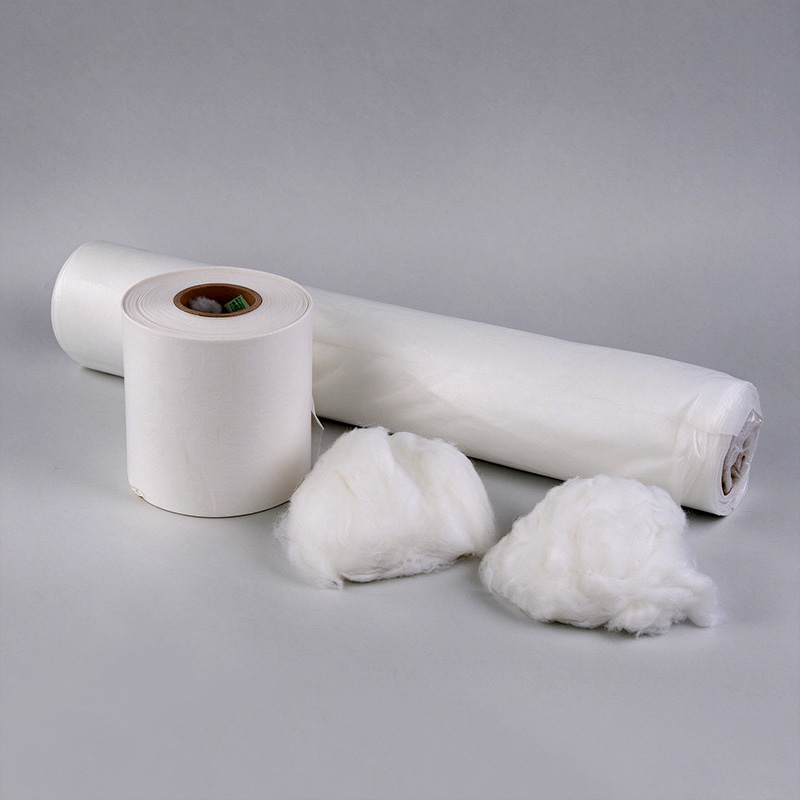
Made of PBS (Polybutylene Succinate), fully biodegradable.Features:1.Home compostable2.Raw material: PBS Polybutylene Su...
READ MOREPlease fill out the form below and our team will contact you as soon as possible.
Addres: No.66 Qiaogang Road, Haian, Nantong City, Jiangsu Province, China
E-mail: service@gcfiber.com admin@gcfiber.com
Copyright ? GC FIBER All Rights Reserved. Eco-Friendly Textile Products Manufacturer Biodegradable Yarn Company