English
 中文简体
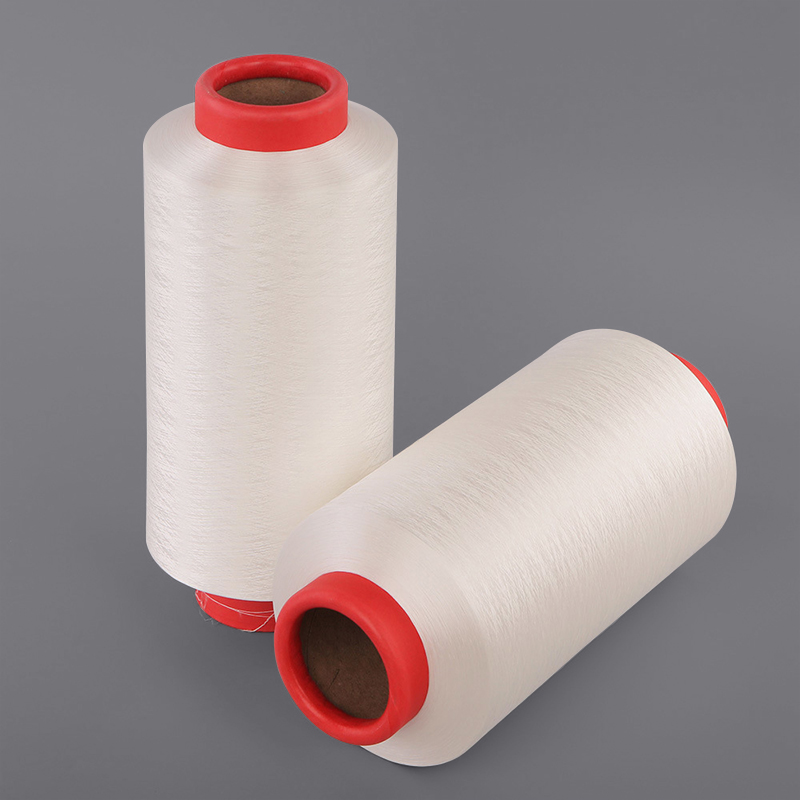
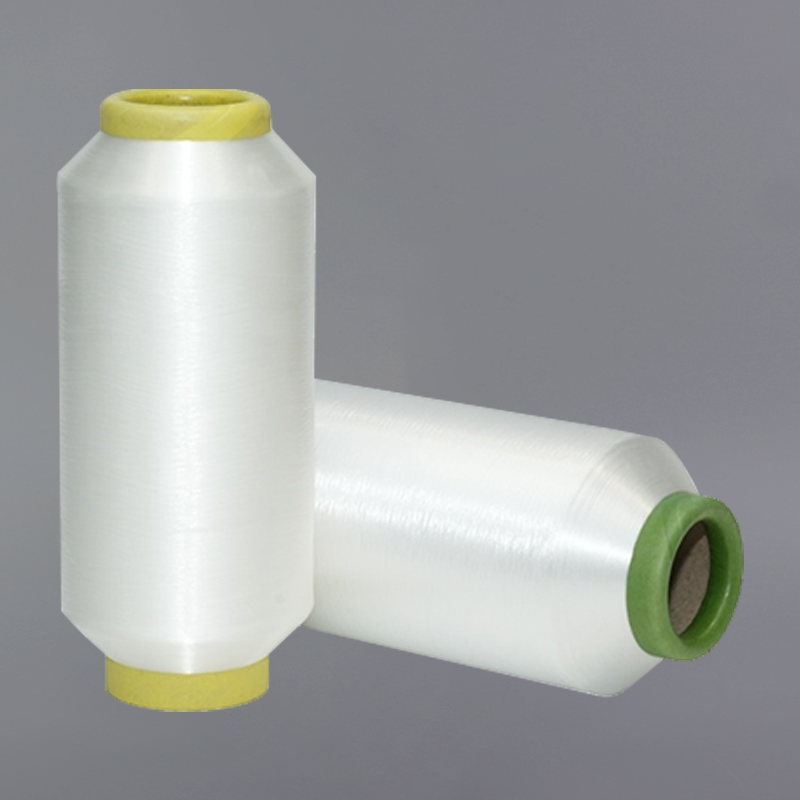
中文简体It is made with Bio-base PLA, fully biodegradable Feature: 1. Industrial compost product 2. Made with PLA 3. Eco-frie...
READ MORE
Content
PLA Biodegradable Monofilament Yarn is a bio-based, industrially compostable single-strand yarn designed for manufacturers that need stiffness, dimensional stability, reliable tensile performance, and a lower environmental footprint. Made from polylactic acid, commonly known as PLA, this monofilament yarn offers a practical alternative to petroleum-based monofilaments in selected textile, filtration, agricultural, packaging, consumer goods, and specialty industrial applications.
As sustainability becomes a purchasing requirement rather than a marketing option, textile producers are looking for materials that combine functional performance with responsible end-of-life behavior. PLA Biodegradable Monofilament Yarn responds to this demand by using renewable plant-based resources and offering industrial compostability under controlled conditions. It is suitable for weaving, knitting, tea bag components, filtration fabrics, mesh structures, brush filaments, crop support products, and other technical uses where a clean, uniform, and eco-conscious monofilament is required.
PLA Biodegradable Monofilament Yarn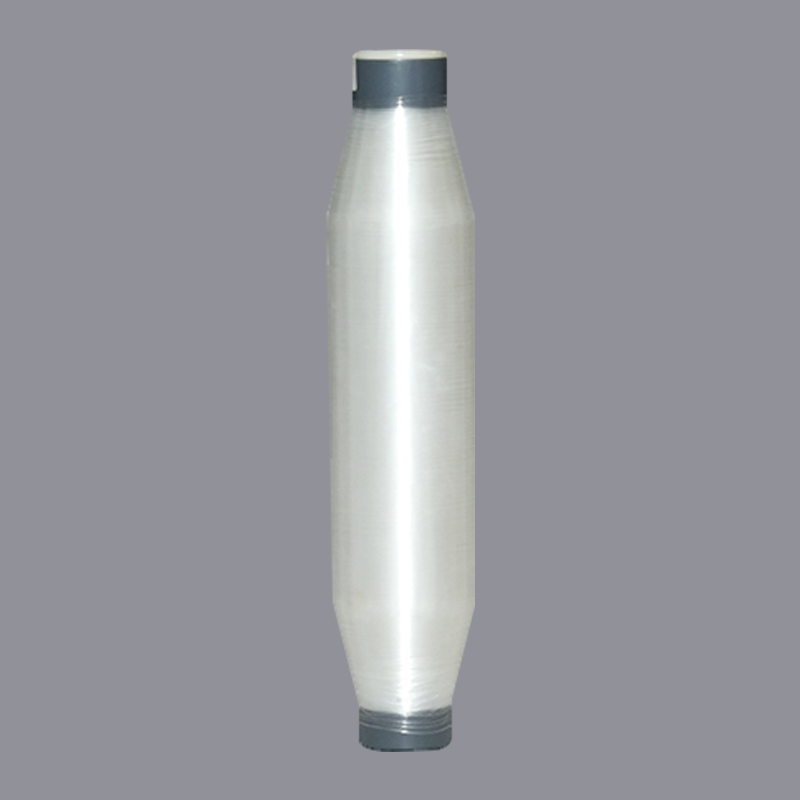
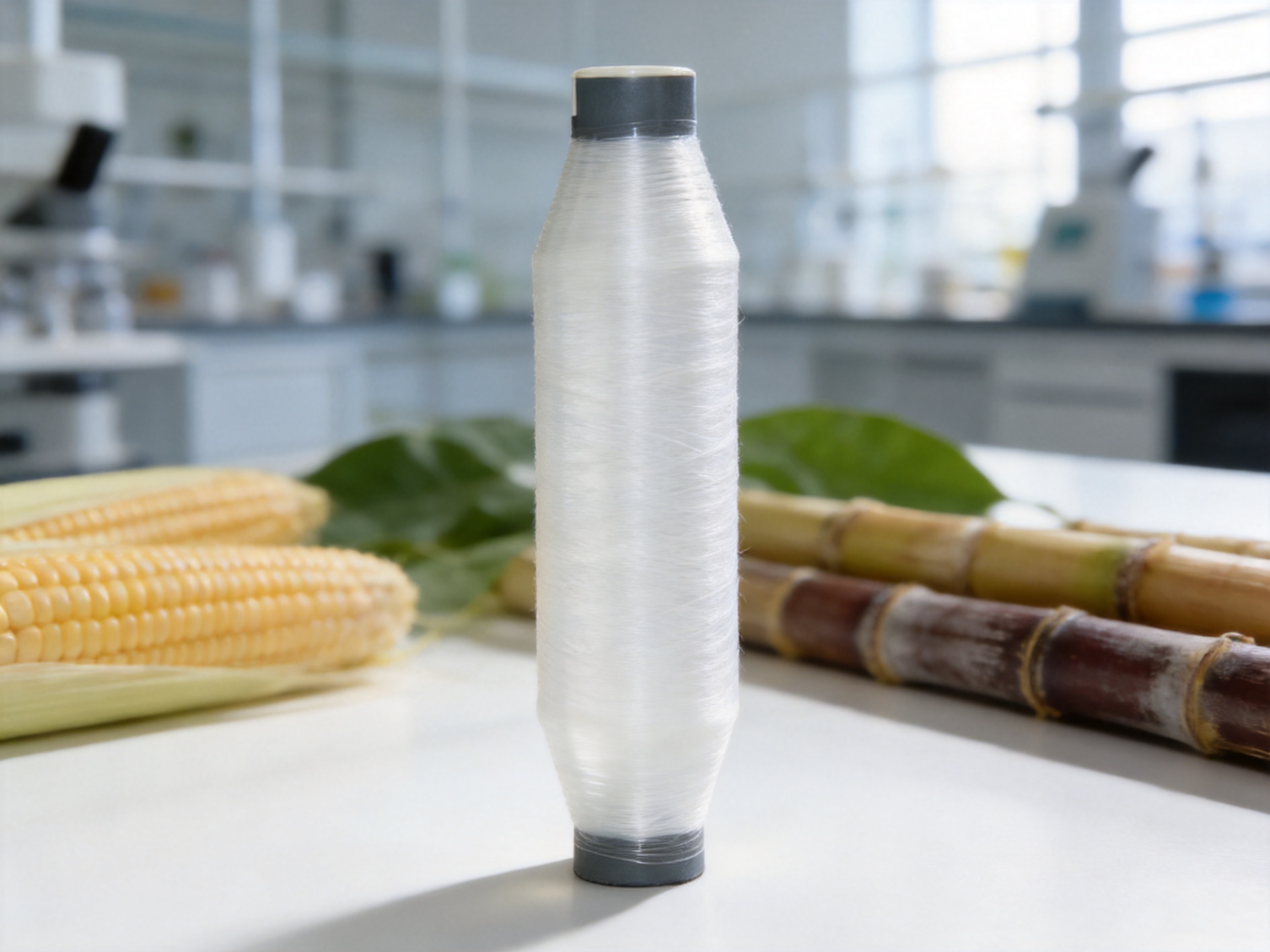
PLA Biodegradable Monofilament Yarn is made with bio-based PLA derived from renewable plant resources such as corn starch or sugarcane. Unlike conventional synthetic monofilaments made from fossil-based polymers, PLA uses renewable carbon captured by plants during growth. This gives the yarn an environmental profile that is more compatible with circular economy goals, carbon reduction strategies, and product designs focused on responsible disposal.
The yarn is produced as a monofilament, meaning it consists of one continuous strand rather than many small filaments twisted or bundled together. This structure gives it a smooth surface, stable diameter, defined stiffness, and predictable behavior during weaving, knitting, or technical processing. Monofilament yarns are often selected when a product requires openness, shape retention, controlled permeability, or a firm hand feel.
Available counts include 30D, with special production available by order. This customization capability is important because technical textile users rarely operate with one universal specification. A tea bag producer, an industrial mesh converter, a brush manufacturer, and an agricultural netting supplier may all need different combinations of diameter, tensile strength, elongation, stiffness, winding format, and heat behavior. A capable manufacturer can adjust production parameters to support these different application needs.
Many industries have traditionally relied on nylon, polyester, polypropylene, and polyethylene monofilaments because these materials provide useful mechanical properties. However, they also create environmental challenges when products are discarded, especially in short-life or semi-disposable applications. Conventional synthetic monofilaments can persist in the environment for decades or longer, contributing to plastic waste and microplastic concerns.
PLA Biodegradable Monofilament Yarn offers a more responsible material choice for applications where industrial compostability, renewability, and reduced dependence on fossil resources are important. It is especially valuable for products that may have limited reuse cycles, are difficult to recycle after contamination, or are designed for agricultural, food-related, or consumer-facing applications where environmental messaging is important.
The key advantage is not only that PLA comes from renewable resources. It is also that the material can break down into non-toxic organic matter under properly managed industrial composting conditions. This supports brands and manufacturers that want to design products with a clearer end-of-life pathway rather than simply shifting waste from one location to another.
The yarn is made with PLA, a bio-based polymer typically produced from fermented plant sugars. This gives the material a strong sustainability story: it begins with renewable agricultural resources rather than petroleum extraction. For companies under pressure to reduce fossil-based material usage, this is a major advantage.
Renewable feedstock also supports product differentiation. Finished goods made with PLA Biodegradable Monofilament Yarn can be positioned as eco-conscious, lower-carbon, and aligned with modern sustainable sourcing policies. This is particularly useful for consumer goods, food-contact accessories, agricultural products, and textile components used by environmentally aware brands.
PLA Biodegradable Monofilament Yarn is suitable for industrial composting systems, where controlled heat, humidity, oxygen, and microbial activity help the polymer break down. Under these conditions, PLA can decompose into carbon dioxide, water, and biomass without leaving persistent plastic residues.
This characteristic gives the yarn a major advantage over conventional polyester or nylon monofilaments, which do not biodegrade in the same way. For applications such as biodegradable filtration mesh, tea bag strings, horticultural support materials, and temporary-use textile components, industrial compostability can be a decisive factor in material selection.
The phrase “from the earth, back to the earth” accurately describes the intended life cycle of PLA materials. Plants provide the renewable feedstock; the polymer is converted into yarn; the yarn is processed into products; and after use, suitable products can enter industrial composting streams. This life cycle helps reduce long-term waste accumulation and supports a more responsible approach to material design.
Compared with petroleum-based monofilaments, PLA offers a cleaner environmental narrative and can contribute to sustainability reports, green product claims, and responsible sourcing initiatives. In competitive markets, this can help manufacturers win business from customers who are actively replacing conventional plastics.
The material offers antibacterial and mold-resistant advantages, helping inhibit microbial growth and odor buildup. This is useful in applications exposed to moisture, repeated handling, or organic substances. Filtration fabrics, agricultural products, tea bag components, and brush filaments can all benefit from a cleaner material surface and improved hygiene profile.
While the level of antibacterial performance depends on formulation, processing, and final product design, PLA’s natural material characteristics can provide additional value compared with ordinary petroleum-based monofilaments. This advantage is especially relevant for applications where freshness, cleanliness, and user safety are important.
PLA can be dyed at lower temperatures than some conventional synthetic fibers. Lower dyeing temperature can reduce energy consumption, shorten processing time, and decrease thermal stress on the yarn. For textile mills, this means potential savings in energy costs and improved production efficiency.
Lower-temperature dyeing also supports environmental goals by reducing heat demand and associated emissions. In industries where every stage of processing is examined for carbon impact, this feature can become a valuable part of a broader sustainability strategy.
PLA Biodegradable Monofilament Yarn provides good ultraviolet stability, helping it retain performance during exposure to sunlight. This is important for outdoor and agricultural applications such as greenhouse shading nets, crop support lines, temporary trellising, and outdoor decorative textiles.
UV resistance helps the yarn maintain color, elasticity, and tensile properties for a longer period than materials with poor weathering performance. For manufacturers of outdoor products, this can reduce premature failure, improve customer satisfaction, and support better value over the product’s service life.
Because it is a monofilament, the yarn offers controlled stiffness and reliable tensile behavior. The single-strand structure supports precise mesh openings, stable fabric geometry, and predictable processing performance. This is essential for technical filtration, industrial weaving, brush bristles, sifting screens, and netting applications.
Good diameter uniformity is especially important. If the monofilament diameter varies too much, the final fabric may show inconsistent pore size, uneven appearance, weak spots, or unstable tension during processing. Advanced production control helps ensure that the yarn maintains consistent quality from package to package.
PLA Biodegradable Monofilament Yarn competes most directly with monofilaments made from polyester, nylon, polypropylene, and polyethylene. Each of those materials has strengths, but PLA provides a unique combination of renewability, industrial compostability, aesthetic versatility, and technical performance.
Compared with polyester monofilament, PLA offers a stronger bio-based identity and better end-of-life options in compostable product designs. Polyester is durable and widely used, but it remains fossil-based and persistent. PLA allows manufacturers to reduce reliance on petroleum-derived polymers while still maintaining useful strength and processability.
Compared with nylon monofilament, PLA avoids some of the moisture absorption issues associated with nylon and provides a more sustainable raw material story. Nylon can be strong and flexible, but its production is energy-intensive and it is not biodegradable in ordinary disposal conditions. PLA is a more attractive option for brands seeking lower environmental impact in suitable applications.
Compared with polypropylene, PLA offers a more premium sustainability profile and better compatibility with compostable product positioning. Polypropylene is lightweight and economical, but it is fossil-based and difficult to degrade. PLA can help manufacturers move beyond low-cost plastic toward a value-added, responsible material platform.
Compared with polyethylene monofilament, PLA provides clearer environmental differentiation. Polyethylene is useful in many industrial and outdoor products, but it creates persistent waste. PLA is more appropriate when the finished product is expected to support green marketing, biodegradable claims, or industrial composting pathways.
| Comparison Factor | PLA Biodegradable Monofilament Yarn | Conventional Petroleum-Based Monofilaments |
| Raw Material Source | Renewable plant-based resources such as corn starch or sugarcane | Primarily fossil-based petroleum or natural gas derivatives |
| End-of-Life Option | Industrial compostability under controlled conditions | Usually persistent and difficult to biodegrade |
| Sustainability Positioning | Strong eco-friendly and bio-based product value | Limited environmental differentiation |
| Dyeing Efficiency | Can support lower dyeing temperatures | Often requires higher-temperature processing depending on polymer |
| Hygiene Benefit | Offers antibacterial and mold-resistant advantages | Usually requires additional treatments for similar effects |
| Outdoor Suitability | Good UV stability for selected outdoor uses | Performance varies widely by polymer and additive package |
| Market Appeal | Ideal for brands seeking compostable and renewable material solutions | Common, established, but less aligned with sustainability trends |
PLA Biodegradable Monofilament Yarn is suitable for weaving processes that require a stable, smooth, and uniform yarn. In woven structures, monofilament yarn can create open mesh, firm fabric texture, precise spacing, and good dimensional stability. These characteristics are important for filtration fabrics, technical screens, decorative textiles, and specialized industrial fabrics.
In biodegradable industrial filter mesh, the yarn can provide controlled openings and reliable mechanical behavior while offering an environmentally responsible alternative to petroleum-based mesh. This is valuable for applications where the filter has a limited service life or may become contaminated with organic materials, making recycling difficult.
For flour sifting screens and liquid filtration bags, the smooth monofilament surface supports clean separation and easier handling. The antibacterial and mold-resistant properties of PLA can also be beneficial in environments where moisture and organic residues are present.
In home accessories and decorative fabrics, PLA monofilament can be woven into carpets, pillows, tapestries, wall coverings, and design-oriented textiles. Its eco-friendly identity adds value for consumers who prefer sustainable home products. Its UV stability and color retention can help maintain visual quality over time.
Knitting applications require yarns that can pass through needles smoothly and maintain stable loop formation. PLA Biodegradable Monofilament Yarn can be used in selected knitted structures where stiffness, dimensional stability, breathability, and technical function are required.
Knitted PLA monofilament fabrics may be used in sportswear components, outerwear details, home textiles, support structures, spacer fabrics, and specialty technical textiles. Because PLA has good heat resistance for many textile applications and offers UV stability, it can support durable knitted designs when the correct construction and finishing conditions are selected.
Its eco-friendly and biodegradable profile gives knitted products a meaningful point of differentiation. Brands can use PLA monofilament to develop lightweight, breathable, and technically functional fabrics that also support sustainable product development goals.
Tea bag materials are increasingly being examined by consumers and regulators because many conventional tea bags and strings contain synthetic plastics. PLA Biodegradable Monofilament Yarn can be used as a specialty tea bag string or component in products designed to reduce plastic content and improve environmental responsibility.
The yarn is non-toxic when properly specified for suitable applications, and it does not compromise the quality of tea when used in appropriate product designs. Its delicate structure and breathability help tea leaves infuse properly, while its biodegradable nature supports a cleaner end-of-life story.
For premium tea brands, packaging and accessories are part of the product experience. A biodegradable monofilament yarn can help communicate quality, responsibility, and attention to detail. It also supports companies that want to replace conventional plastic-based strings, meshes, or tags with more sustainable alternatives.
Agriculture uses large volumes of temporary or semi-temporary plastic materials, including crop support lines, greenhouse components, tying materials, shading nets, and trellising systems. These products often become dirty, fragmented, or mixed with plant residues, making recycling difficult. PLA Biodegradable Monofilament Yarn provides an attractive alternative for selected agricultural applications.
Eco-friendly greenhouse shading nets made with PLA monofilament can provide structural performance and UV stability while reducing long-term plastic residue concerns. Crop support lines and biodegradable trellising twines can help growers support plants during the growing season and reduce post-harvest waste management burdens.
For horticulture, sustainable material choice is particularly valuable because consumers often associate gardening and agriculture with natural systems. PLA-based yarns align well with organic, eco-friendly, and low-waste cultivation strategies. They can also help agricultural brands and suppliers meet stricter environmental expectations from retailers and end users.
Technical filtration requires yarns with consistent diameter, stable pore structure, chemical suitability, and reliable strength. PLA Biodegradable Monofilament Yarn can be used in biodegradable filter mesh, industrial filtration bags, food processing screens, sifting fabrics, and other separation materials where the final product benefits from a compostable or bio-based profile.
Filtration products often become contaminated during use, which can make recycling impractical. If the filtration media is used in compatible applications and disposed of through appropriate industrial composting systems, PLA can offer a more responsible alternative. This is particularly relevant for organic processing, food-related filtering, agricultural filtration, and other contexts where the filter material may be mixed with biodegradable residues.
The smooth surface of monofilament yarn helps reduce clogging and supports cleaning or flow efficiency. Diameter uniformity contributes to stable pore size, which is essential for predictable filtration performance. In this field, small variations in yarn quality can lead to significant differences in final filter behavior, so manufacturing precision is critical.
PLA Biodegradable Monofilament Yarn is suitable for selected consumer goods and processing products, including eco-friendly toothbrush bristles, industrial brush filaments, specialty strings, decorative monofilament elements, and even related filament applications such as 3D printing materials when produced to the correct specifications.
In brush applications, stiffness and shape retention are important. PLA monofilament can provide a firm filament structure while offering a bio-based identity. For toothbrushes and cleaning brushes, this can be part of a broader move toward reducing petroleum-based plastic content in personal care and household products.
For specialty processing uses, PLA monofilament can provide a balance of strength, smoothness, and environmental value. Manufacturers can integrate it into products where customers are willing to pay for sustainable material innovation and where the functional demands match PLA’s performance profile.
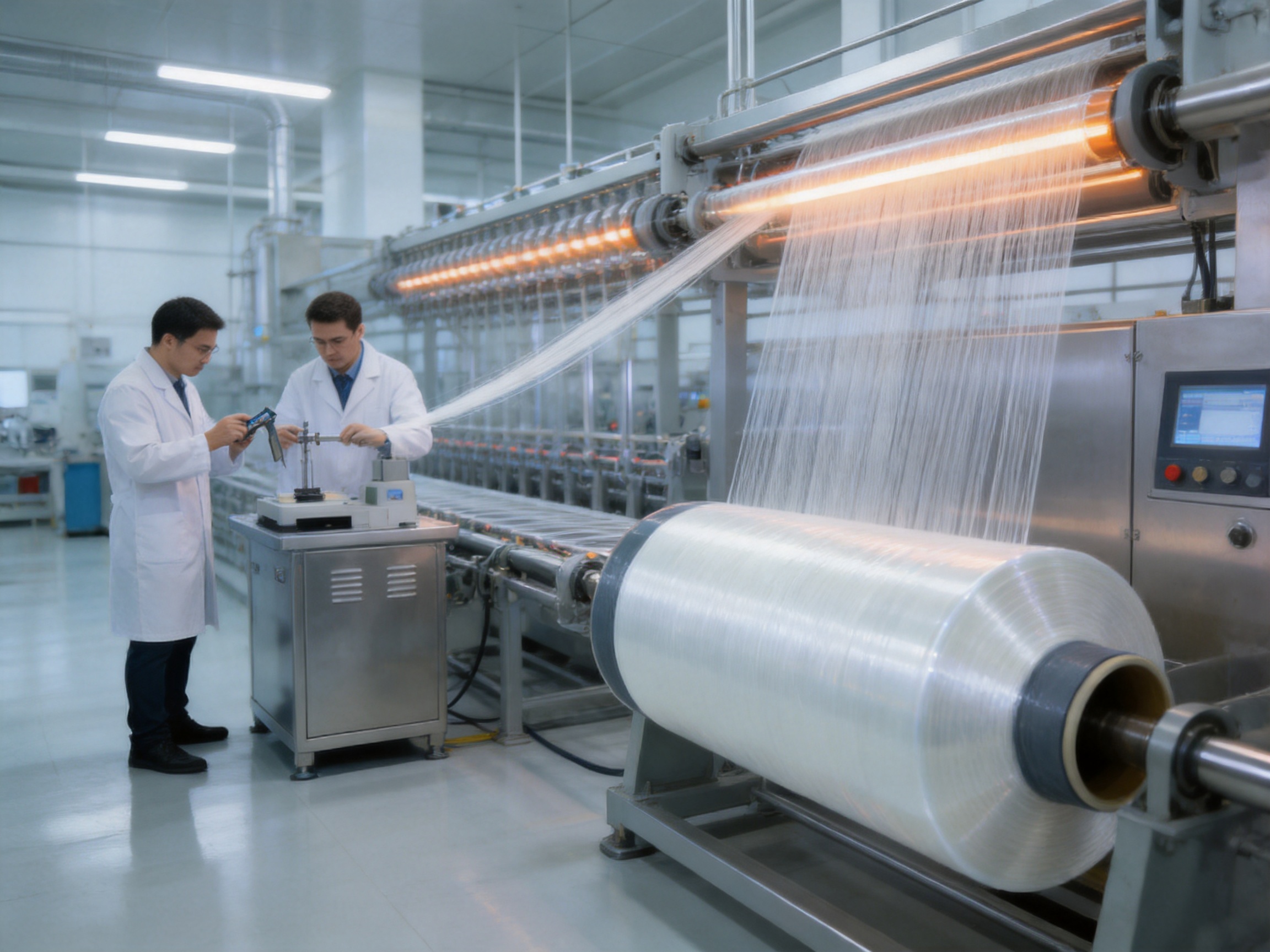
High-quality PLA Biodegradable Monofilament Yarn depends on more than raw material selection. It requires precise polymer handling, controlled extrusion, accurate cooling, stable drawing, proper heat setting, careful winding, and strict quality inspection. The manufacturing process must protect the material from thermal degradation while achieving the mechanical properties required by technical users.
GC FIBER, officially established in China in 2006, has developed strong experience in researching, developing, producing, and selling special, functional, and eco-friendly textile products. The company focuses on biodegradable yarn, low melting yarn, ECDP yarn, anti-static yarn, HDPE yarn, bio-component yarn, polyester filament yarn, and customized new material development. This background gives the company a practical understanding of both conventional textile production and advanced functional material requirements.
The company’s strength lies in combining material research with manufacturing execution. PLA is sensitive to processing conditions, and a successful yarn must be made within a controlled process window. Excessive heat, moisture, or unstable extrusion can affect viscosity, diameter uniformity, tensile strength, and final appearance. Advanced production management helps minimize these risks and produce yarn suitable for demanding downstream applications.
The production of PLA monofilament begins with careful raw material selection and drying. PLA resin must be properly dried before extrusion because moisture can cause hydrolysis during melt processing. Hydrolysis reduces molecular weight, weakens mechanical properties, and may lead to inconsistent yarn quality. A disciplined drying system is therefore essential for premium PLA yarn production.
After drying, the material is melted and extruded through precision spinnerets or dies to form a continuous monofilament. The extrusion temperature must be controlled carefully. If the temperature is too low, melt flow may be unstable; if it is too high, the polymer may degrade. Stable melt pressure and accurate die design contribute to consistent diameter and surface quality.
The freshly extruded monofilament is then cooled under controlled conditions. Cooling affects crystallinity, roundness, internal stress, and surface finish. Inconsistent cooling can create uneven shrinkage or weak points. A professional production line manages cooling speed and medium to achieve the desired mechanical and dimensional properties.
Drawing is another key stage. During drawing, the monofilament is stretched to orient the polymer chains, increasing tensile strength and improving dimensional stability. The draw ratio, temperature, and tension must be matched to the target specification. Too little drawing may produce weak yarn; too much drawing may cause brittleness or processing difficulty.
Heat setting helps stabilize the yarn and reduce unwanted shrinkage during later processing. This is especially important for weaving, knitting, filtration, and netting applications where dimensional control is crucial. Finally, the yarn is wound onto packages with controlled tension to prevent deformation, tangling, or unwinding problems at the customer’s facility.
For technical users, consistency is often more important than a single high-performance data point. A yarn that performs well in one batch but poorly in the next can disrupt production and increase waste. PLA Biodegradable Monofilament Yarn must therefore be inspected for count, diameter uniformity, tensile strength, elongation, appearance, winding quality, and processing stability.
Reliable quality control helps downstream manufacturers reduce machine stops, fabric defects, uneven mesh, broken filaments, and inconsistent product performance. This is one of the most important advantages of working with an experienced special yarn manufacturer rather than a general commodity supplier.
Quality control also supports customization. When a customer requests a special count, stiffness level, color, package type, or performance balance, production data and testing results help guide adjustments. This allows the manufacturer to move from simple supply to technical cooperation.
Special production by order is a major strength for customers with technical requirements. PLA Biodegradable Monofilament Yarn can be adapted for different end uses by adjusting diameter, tensile properties, stiffness, winding format, color, and processing behavior. This flexibility is useful for converters and brand owners developing new biodegradable products.
A filtration customer may require precise pore control and stable tension. An agricultural customer may prioritize UV stability and seasonal durability. A tea bag customer may focus on food-related suitability, clean appearance, and compostable product positioning. A brush manufacturer may need specific stiffness and recovery. Custom production allows each customer to receive a yarn that supports its product design rather than forcing one standard yarn into every application.
GC FIBER’s broader portfolio also strengthens customization. The company works with low melting yarn, ECDP yarn, anti-static yarn, HDPE yarn, bio-component yarn, and polyester filament yarn. This multi-material experience helps its technical team understand how different fibers behave in processing and how to develop solutions for customers that need new material combinations.
PLA Biodegradable Monofilament Yarn helps brands respond to several sustainability pressures at the same time. It reduces dependence on fossil resources, supports industrial compostability, enables eco-friendly product claims, and can reduce processing energy in dyeing. These advantages are valuable for manufacturers facing retailer requirements, consumer scrutiny, and stricter environmental regulations.
Many companies are now required to report material choices, carbon reduction actions, plastic reduction plans, and circular economy progress. Switching from petroleum-based monofilament to PLA can become a visible and measurable step in these programs. It also provides a strong message for marketing teams: the product is not only functional but also made from renewable resources and designed for a more responsible end-of-life pathway.
For manufacturers, sustainability must still be practical. A material that is environmentally attractive but difficult to process will not succeed. PLA Biodegradable Monofilament Yarn addresses this by offering usable mechanical performance, stable processing characteristics, and compatibility with weaving, knitting, and other textile processes.
To gain the full benefit of PLA Biodegradable Monofilament Yarn, product designers should match the yarn specification to the final use environment. PLA is well suited to many textile and technical applications, but like all polymers, it has limits. Heat exposure, mechanical load, humidity, outdoor duration, composting requirements, and product structure should all be evaluated during development.
For woven mesh, designers should consider yarn diameter, fabric density, pore size, finishing temperature, and tension. For knitted fabrics, loop structure, needle compatibility, and fabric recovery should be tested. For agricultural products, expected sunlight exposure, field duration, and composting or disposal systems should be reviewed. For tea bag components, food-contact suitability and customer-specific compliance requirements should be confirmed.
Industrial compostability also requires correct conditions. PLA does not disappear instantly in the natural environment. It is designed to break down effectively in industrial composting facilities where temperature, moisture, oxygen, and microbial activity are controlled. Therefore, brands should communicate disposal instructions accurately and avoid misleading claims.
Production is supported by access to Shanghai seaport, which provides convenient export logistics for international customers. Efficient shipping is important for textile supply chains because yarn is often needed according to seasonal production schedules, brand launch calendars, and factory capacity planning.
A manufacturer located in a mature textile production region can also support faster communication with upstream and downstream partners. This helps when customers need sample development, specification adjustments, production trials, or long-term supply planning. For customized functional yarns, responsive technical and commercial support is often as important as the product itself.
The company’s long-term presence since 2006 adds credibility. Experience in special and functional textiles means the team understands not only how to produce yarn, but also how customers use yarn in real manufacturing environments. This reduces development risk and helps customers move from concept to commercial production more efficiently.
Functional yarn is no longer defined only by strength, color, or texture. Modern functional yarn must solve broader problems: environmental impact, user safety, processing efficiency, product differentiation, and regulatory compliance. PLA Biodegradable Monofilament Yarn reflects this new direction by combining technical function with sustainable material science.
The yarn’s value is particularly strong in markets where product life is shorter than the environmental persistence of conventional plastics. If a product is used briefly but remains in the environment for a long time, the material choice is out of balance. PLA provides a way to bring material life cycle closer to product life cycle when suitable composting systems are available.
As regulations on single-use plastics, microplastics, and packaging waste become stricter, demand for biodegradable and bio-based yarns is expected to grow. Manufacturers that adopt PLA monofilament early can build technical knowledge, develop proprietary product designs, and strengthen their sustainability reputation before competitors catch up.
This yarn offers a compelling combination of environmental responsibility and technical practicality. It is made with PLA, supports industrial compostability, provides antibacterial advantages, allows lower-temperature dyeing, and maintains good UV stability. It can be used in weaving, knitting, tea bag components, filtration, agriculture, consumer goods, and specialty industrial applications.
Its advantage over competitors lies in the combination of bio-based material value and controlled monofilament performance. Many competing yarns offer strength but not compostability. Others offer sustainability concepts but lack stable technical processing. PLA Biodegradable Monofilament Yarn bridges this gap by giving customers a material that is both functional and aligned with green product development.
The manufacturing advantage is equally important. With experience in special, functional, and eco-friendly textile products, GC FIBER provides not only yarn supply but also technical cooperation. The company can support custom specifications, new material development, and application-oriented production. This helps customers create finished products with better performance, better sustainability value, and stronger market appeal.
PLA Biodegradable Monofilament Yarn is a single-strand yarn made from polylactic acid, a bio-based polymer derived from renewable plant resources. It is designed for textile and technical applications that require uniform diameter, stiffness, strength, and improved environmental performance.
The yarn is designed for industrial compostability under controlled composting conditions. In an industrial composting facility with proper heat, humidity, oxygen, and microbial activity, PLA can break down into non-toxic organic matter. Disposal conditions should always be matched with the intended composting claim.
The main advantages are renewable plant-based origin, industrial compostability, lower dependence on fossil resources, antibacterial and mold-resistant characteristics, lower dyeing temperature, and strong sustainability positioning. Polyester and nylon remain useful materials, but they are petroleum-based and persistent in the environment.
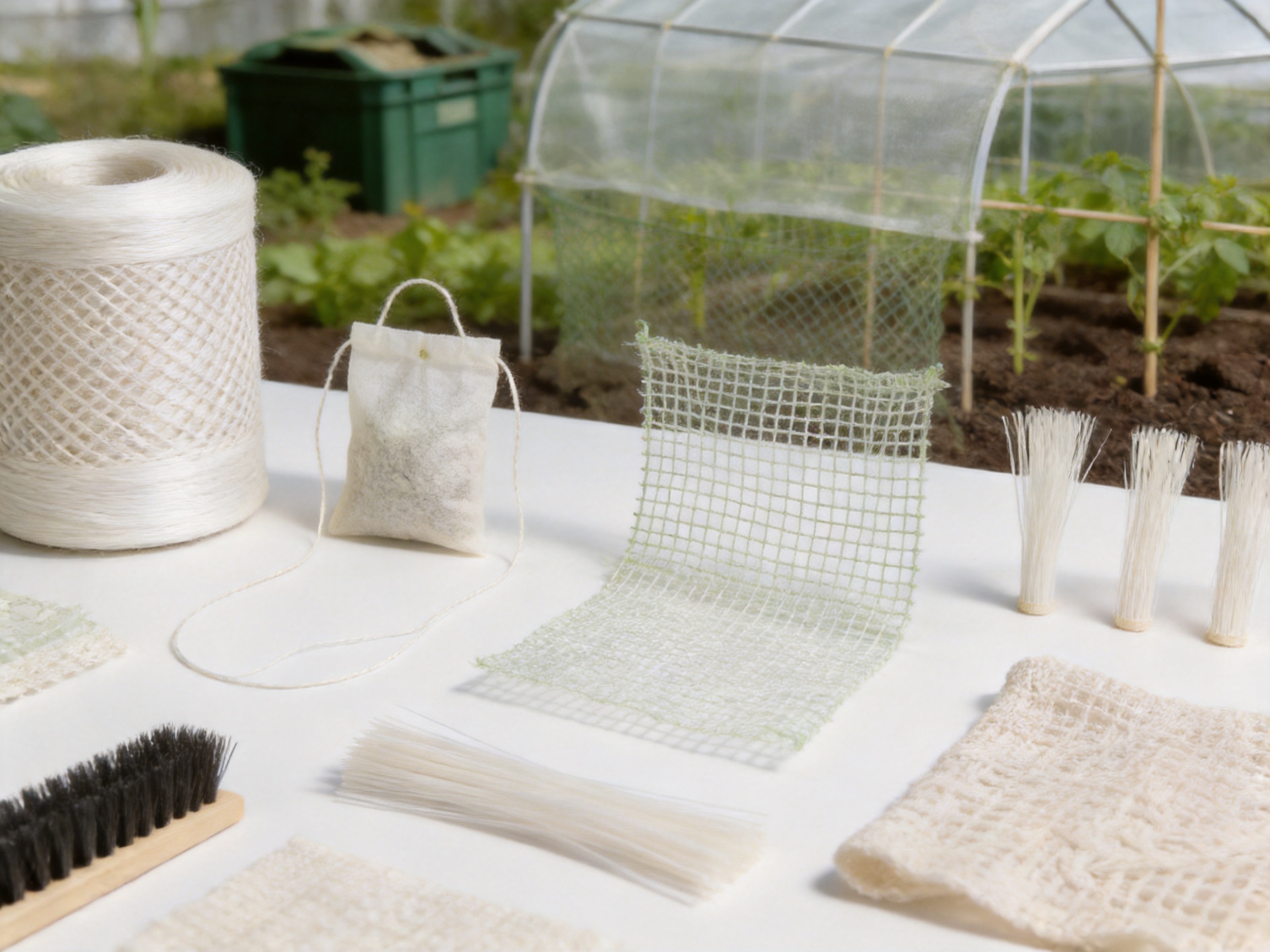
Suitable applications include weaving, knitting, tea bag strings, biodegradable filter mesh, flour sifting screens, liquid filtration bags, greenhouse shading nets, crop support lines, trellising twines, brush bristles, decorative textiles, and specialty consumer goods.
Yes. Special production by order is available. Specifications can be adjusted according to customer requirements, including count, diameter, stiffness, tensile properties, winding format, color, and application needs.
It is made with Bio-base PLA, fully biodegradable Feature: 1. Industrial compost product 2. Made with PLA 3. Eco-frie...
READ MOREPlease fill out the form below and our team will contact you as soon as possible.
Addres: No.66 Qiaogang Road, Haian, Nantong City, Jiangsu Province, China
E-mail: service@gcfiber.com admin@gcfiber.com
Copyright ? GC FIBER All Rights Reserved. Eco-Friendly Textile Products Manufacturer Biodegradable Yarn Company