English
 中文简体
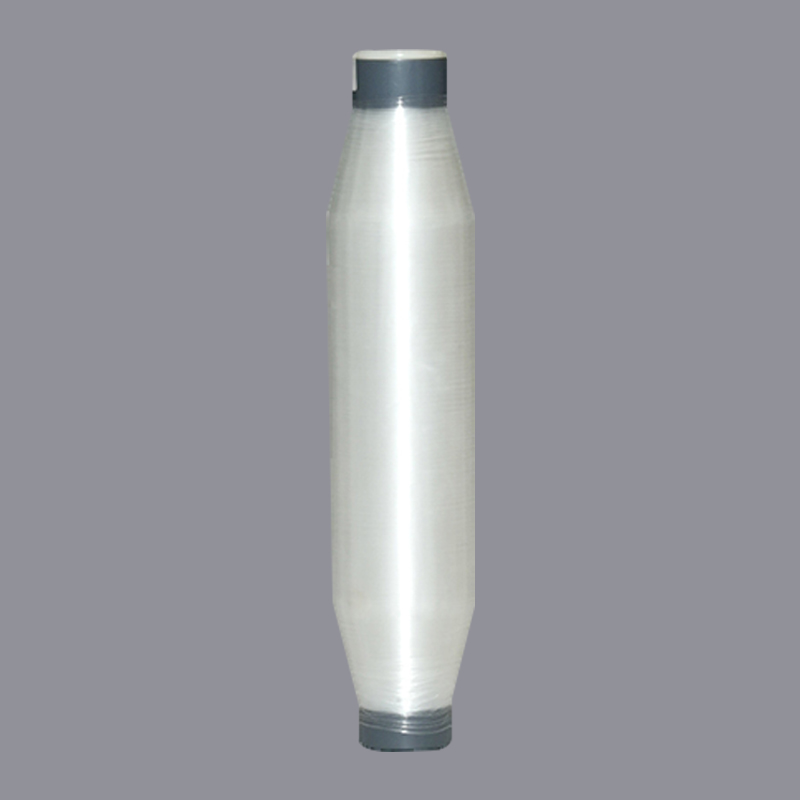
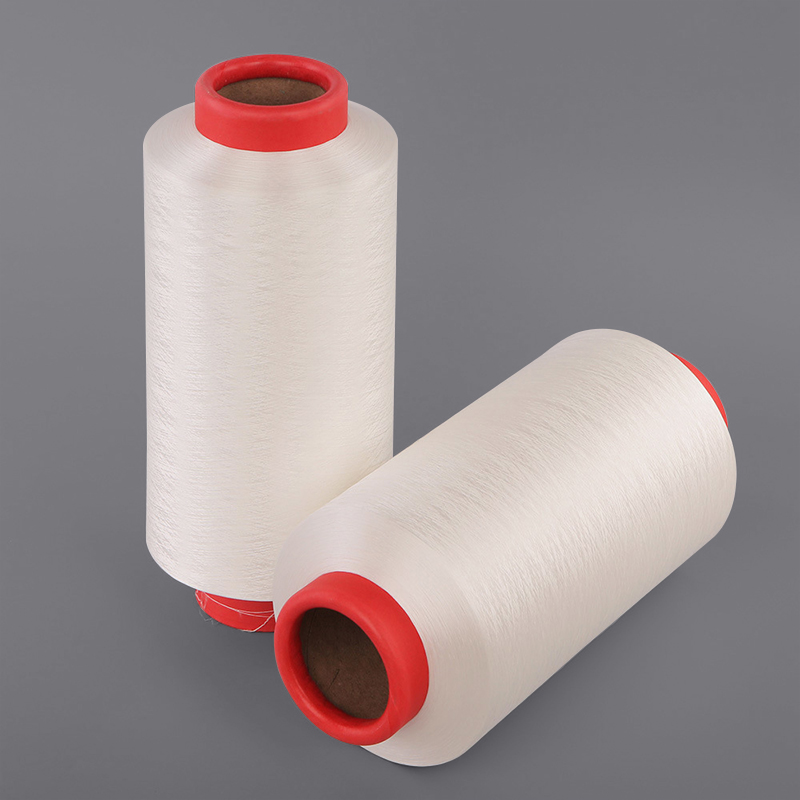
Made of PBS (Polybutylene Succinate), fully biodegradable.Features:1.Home compostable2.Raw material: PBS Polybutylene Su...
READ MORE
Content
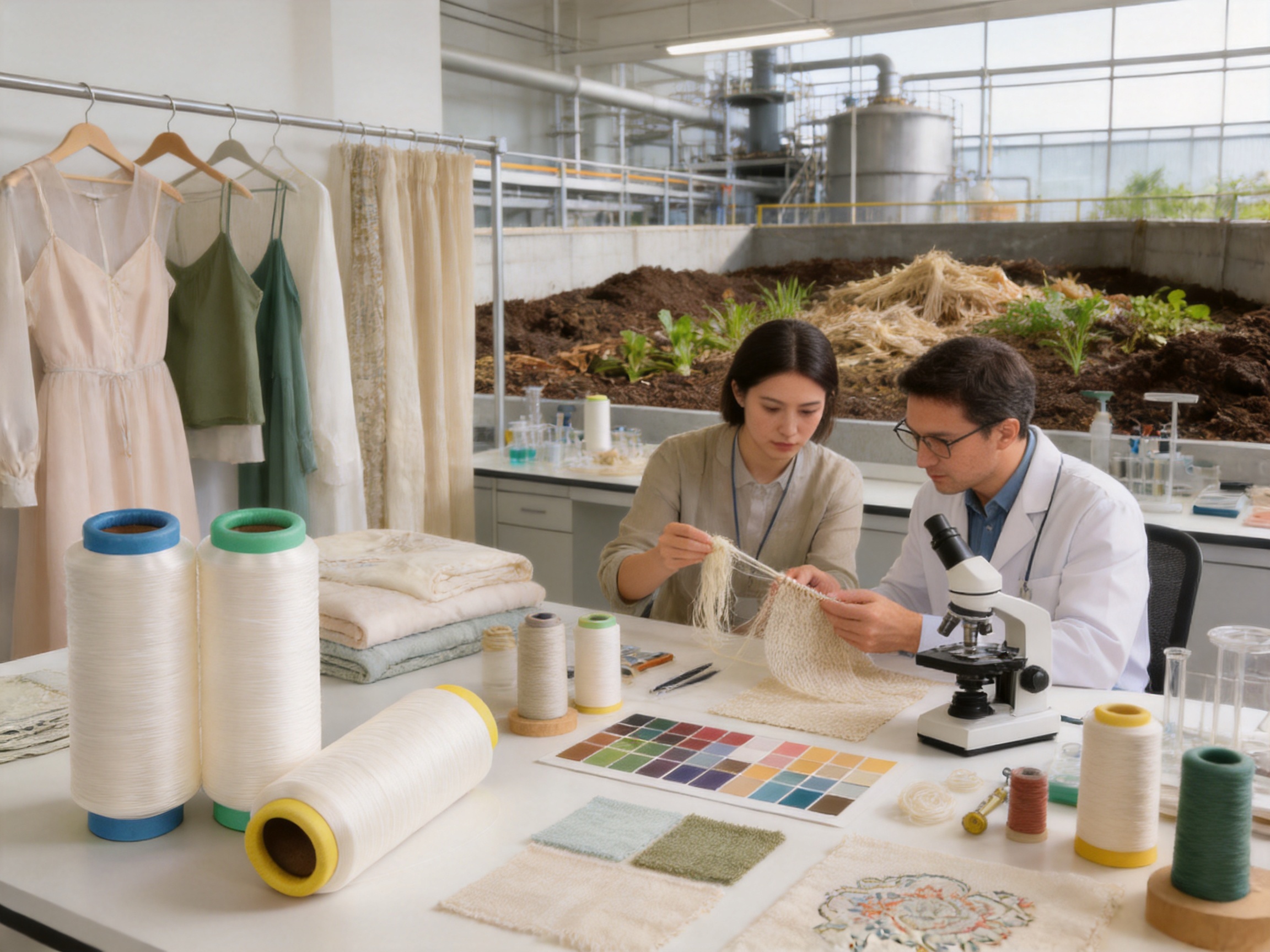
As textile manufacturers, fashion brands, and product developers respond to stricter environmental expectations, the demand for materials that combine technical performance with credible sustainability is increasing. PLA biodegradable filament yarn provides a practical solution for companies seeking an alternative to conventional petroleum-based synthetic yarns. Produced from bio-based polylactic acid, this continuous-filament yarn is designed for weaving, knitting, sewing, and other textile applications that require smoothness, consistency, strength, and reliable processing behavior.
Unlike short staple fibers, filament yarn is formed as a continuous strand. This structure creates a smooth surface, consistent linear density, stable tensile properties, and reduced hairiness. When these advantages are combined with the renewable origin and industrial compostability of PLA, the result is a functional yarn for sustainable fashion, sportswear, home textiles, outdoor products, and specialized industrial applications.
PLA biodegradable filament yarn is available in commonly requested deniers such as DTY 50D, 75D, 100D, and 150D. Special specifications can also be produced according to application requirements. Through careful polymer preparation, melt spinning, drawing, texturing, quality inspection, and order-based customization, GC FIBER supplies a flexible material platform for customers developing environmentally responsible textile products.
PLA biodegradable filament yarn is a continuous textile yarn made from polylactic acid, a bio-based polymer derived from renewable plant resources. Common feedstocks include corn starch, sugarcane, and other sources of fermentable carbohydrates. Through fermentation and polymerization, these renewable materials are converted into PLA resin, which can then be processed into continuous filaments.
The yarn can be manufactured in partially oriented yarn, fully drawn yarn, or textured forms, depending on the intended end use. Draw-textured yarn, commonly known as DTY, introduces controlled crimp and bulk to improve elasticity, softness, coverage, and fabric comfort. The correct yarn construction can therefore be selected for lightweight apparel, knitted fabrics, lining materials, decorative textiles, or industrial textile structures.
PLA filament yarn differs from PLA staple fiber because it remains continuous throughout the spinning process. Staple fibers are cut into short lengths before being spun together. Filament yarn, by contrast, is extruded as uninterrupted strands. This provides greater evenness along the yarn length, a cleaner surface, a more uniform appearance, and improved suitability for high-speed weaving and knitting.
PLA is biodegradable under suitable industrial composting conditions. In a controlled industrial composting environment, the material can be converted into carbon dioxide, water, and organic matter through biological activity. This property supports the principle of “from the earth, back to the earth,” while also emphasizing an important distinction: industrial compostability depends on appropriate temperature, humidity, microbial activity, processing time, and waste-management infrastructure.
The textile industry has historically relied heavily on petroleum-derived polymers, particularly conventional polyester and nylon. These materials offer excellent strength, dimensional stability, and processability, but they are generally resistant to natural degradation. Their long service life can become an environmental challenge when garments, packaging, and textile products reach the end of their useful life.
PLA filament yarn addresses several of these concerns at the material-source and end-of-life stages. Its raw material is derived from renewable resources rather than being produced exclusively from fossil-based feedstocks. It can also be designed for industrial composting pathways where suitable facilities exist. In addition, PLA can often be dyed at lower temperatures than conventional polyester, creating an opportunity to reduce energy consumption during wet processing.
Sustainable material selection is not based on a single property. Buyers increasingly evaluate the full product lifecycle, including raw material origin, manufacturing energy, chemical use, durability, performance, recyclability or compostability, and end-of-life management. PLA biodegradable filament yarn supports this broader evaluation by combining a renewable source with functional textile performance.
For brands, the yarn can help support sustainability objectives without requiring a complete change in fabric construction. For textile mills, its continuous structure allows it to run through familiar weaving and knitting processes when appropriate technical conditions are applied. For product developers, its smooth appearance, low-temperature dyeing capability, and natural bio-based identity create opportunities for distinctive product positioning.
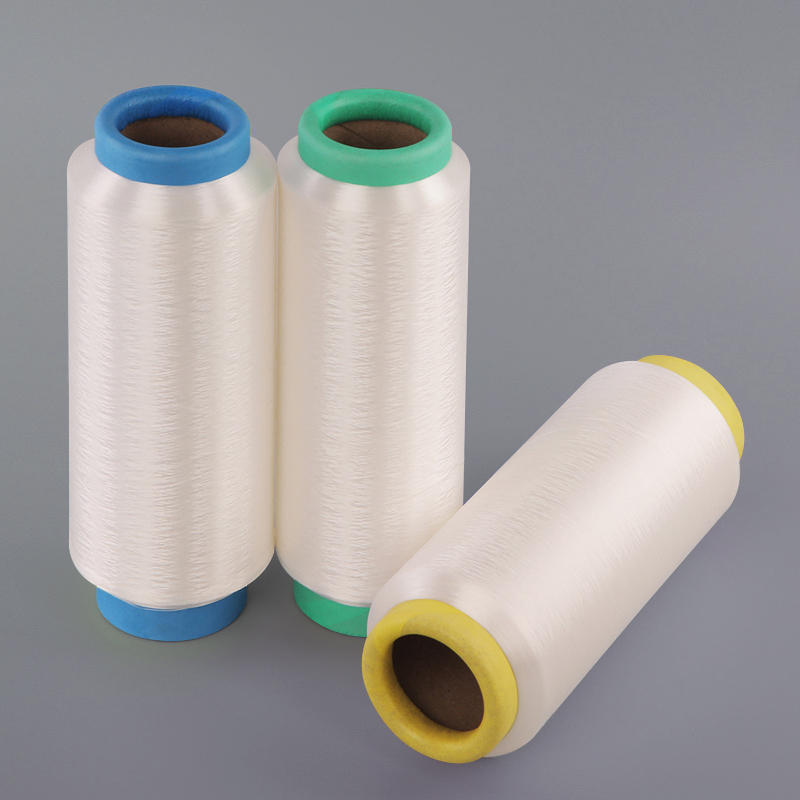
PLA Biodegradable Filament Yarn
The principal raw material for this yarn is PLA, a polymer produced from renewable plant resources. This reduces dependence on petroleum-based feedstocks and provides an alternative route for producing continuous synthetic-style yarns. While the environmental value of any product must be assessed across its entire lifecycle, the renewable origin of PLA is a significant advantage for companies seeking lower-impact materials.
PLA filament yarn is intended for industrial composting conditions rather than uncontrolled disposal in ordinary soil or household waste. Under managed composting conditions, the polymer can break down through hydrolysis and microbial action. This makes it suitable for products designed around industrial composting systems and circular material strategies.
Manufacturers should evaluate the complete textile product, not only the yarn. Dyes, finishes, coatings, elastane, sewing threads, trims, and other components may affect the compostability of the finished article. For this reason, product certification and end-of-life claims should be based on the complete construction and the requirements of the target market.
The continuous-filament structure provides a smooth and even yarn surface. Compared with staple-spun yarns, it generally produces less hairiness and a lower tendency toward surface fuzz. This can improve fabric appearance, support clean printing or dyeing results, and provide a more refined hand feel.
Continuous filament also supports consistent processing in weaving and knitting. Uniformity is especially important for lightweight fabrics, fine-gauge knitted structures, sheer textiles, and products where irregularities would be visible. Stable yarn formation can help reduce defects and improve production efficiency.
PLA-based yarn is promoted for its natural ability to inhibit bacterial growth. The lactic-acid-based polymer structure and the low moisture-retention characteristics of the fiber can contribute to a fresher textile environment. This can be valuable in apparel, linings, intimate clothing, activewear, and selected medical or hygiene-sensitive applications.
Performance depends on the yarn specification, fabric construction, finishing process, testing method, and environmental conditions. Buyers requiring formal antibacterial claims should request test data based on recognized standards and on the final fabric rather than relying only on raw-yarn descriptions.
PLA filament yarn can be dyed effectively at lower temperatures than many conventional polyester yarns. Lower-temperature dyeing can reduce energy requirements, shorten heating and cooling cycles, and reduce thermal stress on the textile. It may also help limit distortion in fabrics made from heat-sensitive blends or delicate constructions.
Lower-temperature processing does not mean that every dye system or finishing recipe can be transferred without adjustment. Dye selection, pH control, carrier use, time, liquor ratio, and post-treatment must be optimized for PLA. When the process is correctly controlled, the lower dyeing temperature becomes an important economic and environmental advantage.
PLA filament yarn offers good UV stability for applications exposed to sunlight. This can support outdoor fabrics, shading products, light curtains, decorative textiles, and selected apparel applications. UV performance is influenced by yarn color, pigments, fabric density, exposure duration, weather conditions, and any stabilizers used in the formulation.
For long-term outdoor products, manufacturers should assess the complete fabric system through accelerated weathering or outdoor exposure testing. Even when the base yarn provides good UV resistance, dyes and surface finishes may have different durability characteristics.
The smooth filament surface can provide a subtle luster and a clean, elegant appearance. Depending on the cross section, texturing method, fabric construction, and finishing process, PLA yarn can create fabrics with a soft drape and a visual character that resembles certain natural fibers.
This aesthetic flexibility enables applications ranging from premium fashion garments to lightweight linings, decorative curtains, bedding, and fine knitted fabrics. The yarn can be engineered for different levels of brightness, texture, bulk, and softness according to the needs of the finished product.
Conventional polyester filament yarn remains one of the most widely used textile materials because of its strength, dimensional stability, affordability, and broad processing window. PLA filament yarn is not intended to replace polyester in every application. Instead, it provides a sustainable alternative for products where renewable origin, compostability, lower-temperature dyeing, and a differentiated environmental profile are important.
| Comparison Category | PLA Biodegradable Filament Yarn | Conventional Polyester Filament Yarn |
|---|---|---|
| Primary raw material source | Renewable plant-based resources | Primarily petroleum-based resources |
| Yarn structure | Continuous filament | Continuous filament |
| End-of-life potential | Industrial compostability under suitable conditions | Generally difficult to biodegrade naturally |
| Dyeing temperature | Lower-temperature dyeing may be possible | Typically requires higher-temperature polyester dyeing |
| Surface appearance | Smooth, clean, and potentially silk-like | Can range from dull to bright depending on construction |
| Antibacterial characteristics | Natural inhibitory potential associated with PLA structure | Usually requires additives or special finishing for antibacterial claims |
| Environmental positioning | Bio-based and suitable for circular product strategies | Durable but normally fossil-based and persistent after disposal |
| Customization potential | Available in multiple deniers and special specifications | Broad customization options across the market |
The comparison shows that PLA’s main advantages are related to raw material origin, end-of-life strategy, lower-temperature processing, and product differentiation. Polyester may retain advantages in areas such as high-temperature resistance, broad market availability, and established processing knowledge. The best choice depends on the required performance, cost target, environmental objective, and end-of-life plan.
PLA yarn is particularly competitive when a customer needs a continuous filament with a sustainability story that is supported by measurable material properties. It is also attractive for brands that want to reduce the use of fossil-based polymers while maintaining a smooth textile appearance and efficient downstream processing.
Manufacturing begins with the selection of PLA resin suitable for textile extrusion. Resin quality affects melt viscosity, molecular weight, thermal stability, color, spinning behavior, and final yarn strength. Incoming raw materials must be checked according to internal quality requirements before entering production.
Moisture control is particularly important. PLA is sensitive to hydrolysis during melting, and excessive moisture can reduce molecular weight and weaken the resulting filament. Proper storage, sealed handling, and controlled drying help protect polymer performance. Drying conditions must be carefully managed so that the material reaches the required moisture level without unnecessary thermal exposure.
Prepared PLA chips are fed into an extruder, where controlled heat and mechanical shear convert the solid polymer into a homogeneous melt. The extrusion system must maintain stable temperature zones and consistent pressure. Excessive heat can cause degradation, while insufficient melting can lead to unmelted particles, pressure fluctuations, or filament defects.
Filtration is used to remove contaminants and improve melt cleanliness. A stable filtration system helps protect spinneret performance and contributes to uniform filament formation. The filtration level is selected according to the polymer quality, denier, filament count, and product requirements.
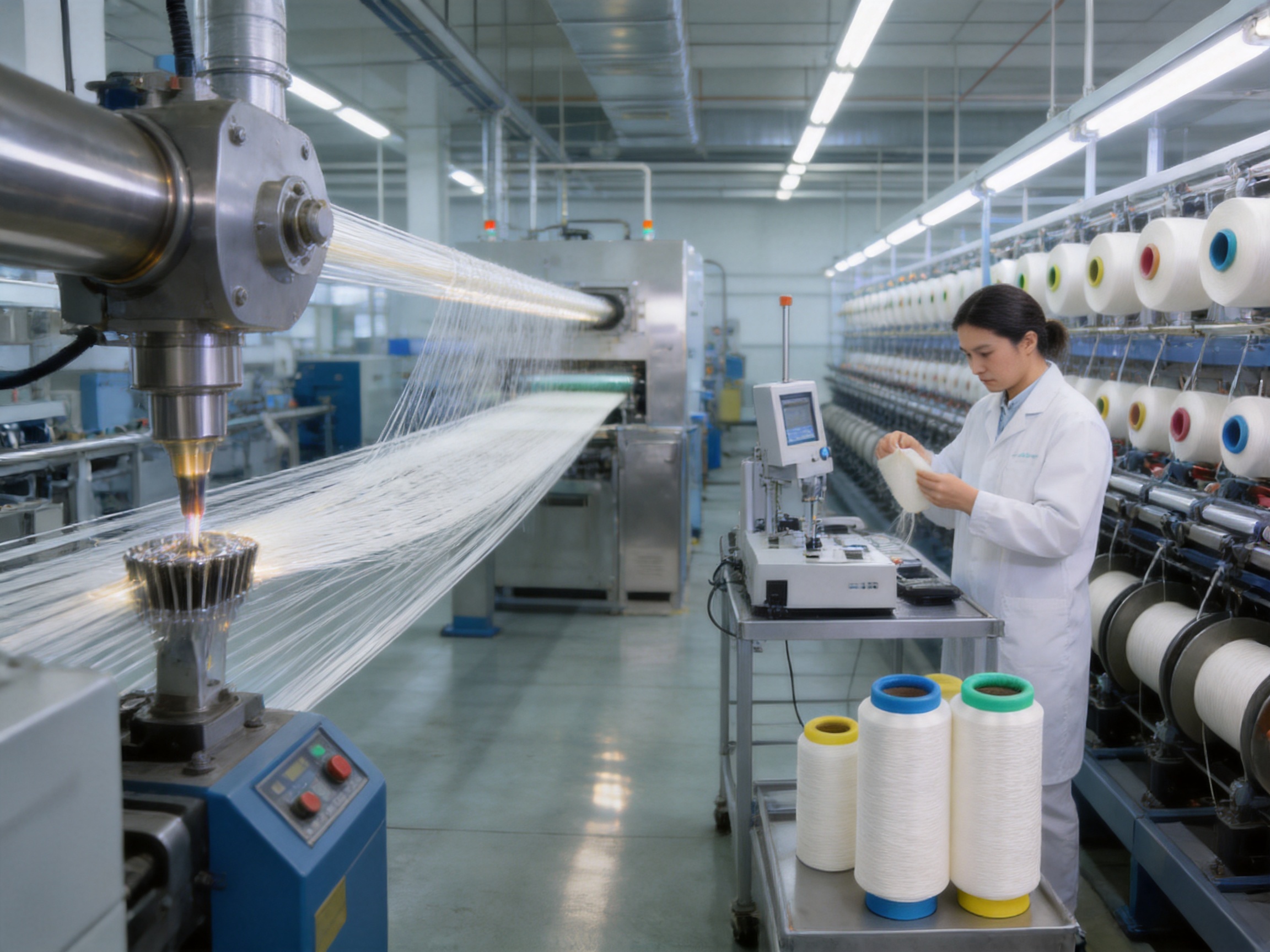
The molten PLA is metered through a precision spinning assembly and forced through a spinneret. The spinneret determines the number of individual filaments and influences their cross-sectional shape. Circular, modified, and other specialized cross sections can be considered when a customer requires specific luster, moisture behavior, softness, or optical effects.
Precision control at this stage is essential. Differences in melt flow, pressure, temperature, or metering can create denier variation between filaments. Advanced production equipment and experienced operators help stabilize these variables and support uniform yarn quality.
After extrusion, the newly formed filaments pass through a controlled cooling zone. Quenching transforms the molten polymer into solid continuous filaments. Airflow direction, temperature, velocity, and uniformity must be controlled because uneven cooling can affect filament orientation, crystallinity, tensile properties, and dye uptake.
Carefully managed quenching contributes to a consistent yarn profile. It also helps reduce variations that could later appear as streaks, uneven dyeing, weak points, or fabric defects.
Drawing stretches the solidified filaments under controlled conditions. This aligns polymer chains, improves tensile strength, reduces elongation where required, and establishes the desired balance between strength and flexibility. Drawing conditions include roller speed, draw ratio, temperature, tension, and line stability.
Different end uses require different mechanical properties. A lightweight apparel yarn may prioritize softness and drape, while a sewing thread or industrial textile may require higher strength and dimensional stability. The production recipe can therefore be adjusted to suit the application.
For DTY products, the drawn filaments undergo a texturing process that introduces controlled crimp. Texturing increases bulk, improves cover, enhances softness, and can provide a more natural fiber-like appearance. It also changes the yarn’s stretch and recovery behavior.
Texturing quality depends on heater temperature, friction discs or air-jet conditions, overfeed, twist level, yarn speed, and winding tension. Proper coordination of these parameters is necessary to achieve stable bulk and avoid problems such as uneven crimp, excessive snarling, broken filaments, or package deformation.
Interlacing may be applied to improve filament cohesion and reduce separation during downstream processing. The level of interlacing depends on the intended use. Excessive interlacing can affect softness and appearance, while insufficient interlacing may result in poor handling performance.
After processing, the yarn is wound onto packages suitable for storage, transportation, weaving, knitting, or further processing. Winding tension, package density, edge quality, and package hardness are controlled to reduce unwinding problems and support stable high-speed operation.
Quality control is carried out throughout the manufacturing process rather than only at the final stage. Typical inspection items include linear density, tensile strength, elongation, evenness, oil content, filament integrity, interlacing level, package appearance, moisture, and color or whiteness where applicable.
Sampling plans and test methods should be matched to the product specification and customer requirements. Retained samples and production records provide traceability and support continuous improvement. For customized products, trial production and customer approval can be used to confirm performance before large-scale manufacturing.
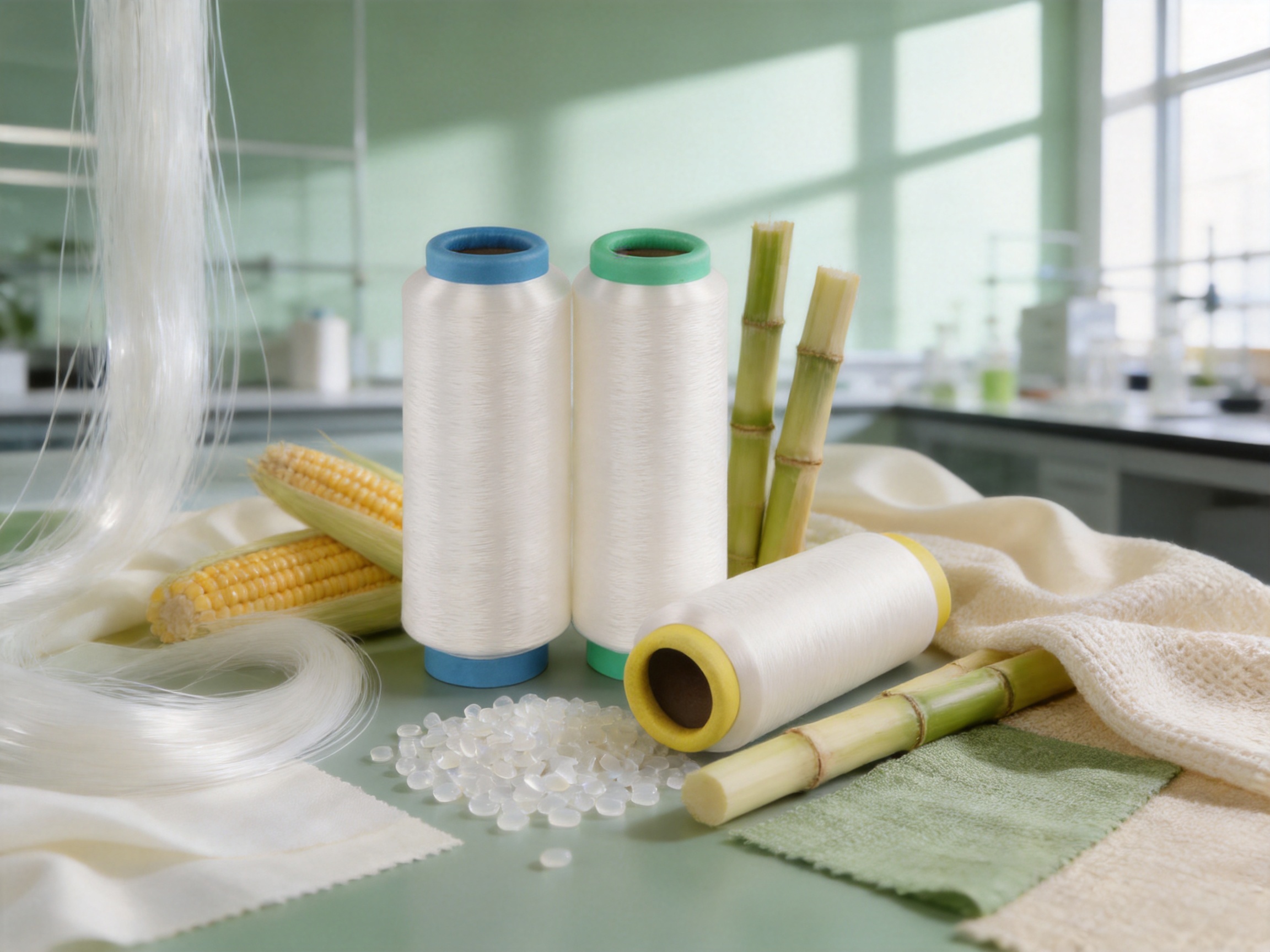
A reliable filament yarn supplier must control more than the final winding step. Polymer preparation, drying, extrusion, spinning, drawing, texturing, and packaging all influence the final product. GC FIBER’s manufacturing approach combines these stages with technical oversight, allowing process conditions to be adjusted according to the characteristics of PLA and the needs of each customer.
Since 2006, GC FIBER has focused on special and functional textile materials. Its product scope includes biodegradable yarn, low melting yarn, ECDP yarn, anti-static yarn, HDPE yarn, bio-component yarn, and polyester filament yarn. This broad experience provides a valuable technical background for developing yarns with multiple performance requirements.
Experience across different polymer systems helps the company understand the relationships between raw materials, spinning conditions, yarn structure, downstream processing, and final fabric performance. It also supports the development of customized solutions rather than limiting customers to standard catalog items.
A dedicated design and research and development team supports the development of special and functional eco-friendly textile products. This capability is important because sustainable yarn projects often require more than a standard denier. Customers may need a particular cross section, filament count, luster, texture, strength profile, dyeing behavior, or compostability strategy.
Collaborative development enables customers to provide technical targets and application information at an early stage. The manufacturer can then assess material feasibility, propose a suitable yarn structure, conduct trial production, and refine the specification based on test results.
Different customers require different order volumes. Some need small trial quantities for fabric development, while others require regular high-volume supply for commercial production. Multiple production lines and machines allow GC FIBER to support both customized small orders and larger production programs, subject to specification and capacity evaluation.
Production flexibility is especially valuable for emerging sustainable brands. It allows them to validate a new material, create samples, conduct market testing, and scale gradually rather than committing immediately to a very large order.
Strong control over raw material supply helps reduce variation between production batches. For PLA yarn, consistency in polymer quality, moisture level, melt viscosity, and thermal behavior is essential. Material management therefore has a direct effect on spinning stability and customer satisfaction.
Quality management also includes communication between sales, technical, production, and logistics teams. Clear specifications reduce misunderstandings regarding denier, filament count, yarn type, package size, color, testing, and delivery requirements.
Standard products such as DTY 50D, 75D, 100D, and 150D provide a practical starting point. However, many applications require additional customization. Possible parameters include denier, filament number, yarn form, cross section, luster, texturing level, strength, elongation, interlacing, package format, and functional characteristics.
Special production by order enables the yarn to be matched to the customer’s fabric construction and processing equipment. Before confirming an order, customers should provide information about knitting or weaving speed, fabric weight, dyeing system, finishing conditions, target hand feel, and final application. This information helps the technical team recommend a more appropriate specification.
PLA filament yarn can be used in lightweight woven fabrics, knitted garments, linings, scarves, dresses, shirts, and fashion accessories. Its smooth surface and subtle luster support refined designs, while its bio-based origin helps brands create products aligned with sustainability programs.
For apparel, fabric engineers can select yarn specifications according to the desired drape, coverage, softness, and strength. Textured yarns may be suitable for comfortable knitted garments, while smoother filament constructions may be preferred for linings or elegant woven fabrics.
Sportswear requires a careful balance of comfort, moisture behavior, strength, flexibility, and odor control. PLA filament yarn can contribute to lightweight fabric structures with a clean surface and natural antibacterial positioning. It may be used in selected activewear, leisurewear, base-layer components, and lightweight outerwear.
The final performance depends on fabric design and blending. PLA may be combined with other fibers when additional stretch, recovery, moisture transport, or abrasion resistance is required. Any blend should be evaluated carefully if industrial compostability is a major product claim.
In home textiles, PLA yarn can be used for curtains, sheer fabrics, bedding, decorative panels, table textiles, and selected upholstery constructions. Its smooth appearance and soft drape are useful for interior products where visual refinement is important.
For curtains and other products exposed to sunlight, UV performance is an important consideration. Colorfastness, dimensional stability, and finishing durability should be tested in the final fabric. The yarn’s lower-temperature dyeing potential may also help reduce processing energy for lightweight home textile products.
Continuous filament construction can provide the smoothness and consistency required for decorative threads, embroidery yarns, and selected sewing applications. A suitable yarn specification can reduce surface hairiness and support clean stitch formation.
Thread applications require careful consideration of tensile strength, abrasion resistance, friction, lubrication, and needle performance. Product developers should test the yarn in the intended sewing system before commercial adoption.
PLA-based filament materials may be suitable for selected biodegradable tea bag structures and lightweight filtration fabrics. These applications require strict control over food-contact compliance, thermal behavior, filtration performance, and end-of-life requirements.
Where the finished product is intended for composting, all components must be reviewed. Adhesives, coatings, labels, threads, and packaging can influence the final environmental profile.
PLA filament yarn may also be considered for agricultural strings, lightweight binding materials, temporary textile structures, and other applications where controlled biodegradability can provide an advantage. The product must be matched to the expected exposure period, tensile requirement, moisture conditions, and disposal method.
Industrial users should conduct application-specific trials because agricultural and technical environments can create demanding conditions. Factors such as soil contact, sunlight, humidity, abrasion, and load duration may affect performance.
Before bulk production, textile mills should conduct a trial using the same machine type, gauge, speed, tension, and finishing route planned for commercial production. PLA filament yarn can perform effectively in weaving and knitting, but the processing window may differ from conventional polyester.
Excessive tension and high friction should be avoided where possible. Machine settings, guide surfaces, yarn path cleanliness, and take-up tension should be reviewed. For knitted fabrics, appropriate needle selection and controlled yarn feeding can help reduce filament damage and fabric streaks.
Heat exposure should be managed carefully during setting and finishing. The exact temperature limit depends on the PLA grade, yarn structure, time, tension, and fabric construction. Excessive heat can affect shrinkage, strength, appearance, and hand feel.
Dyeing recipes should be developed specifically for PLA. Lower-temperature dyeing can reduce energy consumption, but the correct dyes and auxiliaries must be used to achieve the desired shade depth and fastness. Laboratory trials should evaluate color yield, washing fastness, rubbing fastness, lightfastness, and dimensional stability.
Using plant-based PLA creates an opportunity to reduce dependence on petroleum-derived raw materials. This can support brand strategies focused on renewable resources and responsible material sourcing.
Lower-temperature dyeing can reduce the energy required to heat processing baths. The actual savings depend on the mill’s equipment, recipe, heating system, processing time, and production scale. Even so, the ability to process at a lower temperature can be commercially attractive for mills seeking to reduce energy use.
A yarn that combines bio-based origin, industrial compostability, smooth filament aesthetics, and functional performance gives brands a way to distinguish products in a competitive market. It can be incorporated into sustainability collections, circular product lines, and environmentally oriented technical textiles.
PLA yarn can support circular design when the complete product is designed for an appropriate end-of-life pathway. This may involve compatible dyes, compostable sewing threads, compatible labels, removable trims, and clear industrial composting instructions.
Companies should avoid treating compostability as an automatic outcome. A credible circular strategy requires material compatibility, independent testing where necessary, clear consumer communication, and access to appropriate industrial composting infrastructure.
Customer requirements in the functional textile sector vary widely. A yarn that performs well in one fabric may not be suitable for another because of differences in fabric weight, machine speed, dyeing conditions, finishing, and end use. Customization therefore plays an important role in achieving reliable commercial performance.
Denier and filament count influence yarn fineness, softness, coverage, luster, and fabric weight. GC FIBER can evaluate custom denier and filament configurations according to the customer’s performance objectives.
Cross-sectional design can influence optical effects, moisture interaction, softness, and surface behavior. Customers seeking a specific visual or functional effect can discuss cross-section options with the technical team during product development.
Depending on the application, customers may require specific levels of antibacterial performance, UV stability, softness, bulk, strength, or dyeability. The manufacturer’s experience with functional yarns supports the development of solutions that combine several properties in one material platform.
Product development normally begins with technical discussions and sample requirements. Trial quantities can be used for spinning tests, fabric formation, dyeing, finishing, and end-use evaluation. After approval, the specification can be transferred to regular production.
This staged approach helps reduce risk. It enables the customer to identify processing issues early, confirm appearance and hand feel, and verify performance before placing a larger commercial order.
GC FIBER’s sales, research and development, design, and production teams cooperate throughout the customer project. This cross-functional support helps coordinate technical specifications, production schedules, quality requirements, and delivery information.
Dedicated communication is particularly important for customized materials. Customers benefit when changes in specification, testing requirements, packaging, and delivery planning are documented clearly and reviewed by the appropriate teams.
The first step is to define the final product. A lightweight fashion lining, a knitted sportswear fabric, a curtain, and a biodegradable agricultural string will not require the same yarn specification.
Important selection factors include denier, filament count, yarn form, tensile strength, elongation, texture, luster, dyeing method, fabric construction, finishing temperature, UV exposure, antibacterial requirements, and end-of-life expectations.
Customers should also clarify whether the finished product must meet a particular compostability standard or certification requirement. The relevant requirements may differ by country, market, product category, and intended disposal system.
Samples should be tested under realistic production conditions. Laboratory testing of the yarn is useful, but fabric-level testing is also necessary because weaving, knitting, dyeing, finishing, blending, and garment construction can change performance.
When evaluating a supplier, buyers should review raw material consistency, production capacity, equipment condition, quality-control procedures, technical support, customization capability, and delivery reliability.
For PLA yarn, it is especially important to ask about polymer storage, drying controls, melt filtration, spinning stability, yarn evenness, package quality, and production traceability. These factors affect both the appearance and the processability of the yarn.
Buyers should request applicable technical data, including nominal denier, filament count, tensile strength, elongation, shrinkage, moisture, interlacing, and recommended processing conditions. Where environmental claims are important, relevant test reports or certification information should also be reviewed.
A strong supplier should be willing to support sampling, answer technical questions, and cooperate in resolving downstream processing issues. Long-term success depends not only on the yarn specification but also on the quality of communication and technical service.
It is made from polylactic acid, a bio-based polymer commonly produced from renewable plant resources such as corn starch and sugarcane. The polymer is melted and extruded into continuous filaments for textile use.
PLA filament yarn is designed to be compostable under suitable industrial composting conditions. It does not necessarily break down quickly in ordinary soil, marine environments, or standard household waste systems. The complete textile product must also be compatible with the intended composting route.
Yes. PLA filament yarn can be dyed using suitable dye systems and carefully controlled processing conditions. It may achieve effective color uptake at lower temperatures than conventional polyester, which can help reduce energy consumption.
Common options include DTY 50D, 75D, 100D, and 150D. Special deniers, filament counts, cross sections, and other specifications can be discussed for order-based production.
Yes. Its continuous-filament structure makes it suitable for many weaving and knitting applications. Machine tension, yarn feeding, heat exposure, and finishing conditions should be optimized through trials before bulk production.
PLA yarn is promoted for its natural ability to inhibit bacterial growth and reduce odor development. The actual performance depends on yarn structure, fabric construction, testing method, and finishing. Formal claims should be supported by testing on the intended fabric or finished product.
PLA filament yarn offers good UV stability and can be considered for selected outdoor or sunlight-exposed textiles. Final products should still undergo UV, colorfastness, weathering, and dimensional-stability testing because fabric construction and dyes also influence performance.
PLA is bio-based and can support industrial composting strategies, while conventional polyester is usually petroleum-based and difficult to biodegrade naturally. PLA may also allow lower-temperature dyeing. Polyester may offer a wider established processing window and higher resistance to some high-temperature applications. Selection should be based on the complete performance requirement.
Yes. Custom options may include denier, filament count, cross-sectional structure, texture, luster, strength, elongation, interlacing, and other functional requirements. Customers can cooperate with the research and development team to develop special products.
Customers should provide the intended application, required yarn type, denier, filament count, color, approximate quantity, fabric construction, processing method, testing requirements, packaging preference, and delivery destination. More technical information generally leads to a more accurate recommendation and quotation.
PLA biodegradable filament yarn combines the continuous-filament performance expected from modern textile materials with the renewable origin and industrial compostability associated with bio-based polymers. Its smooth structure, consistent yarn formation, lower-temperature dyeing potential, natural antibacterial positioning, good UV stability, and elegant luster make it suitable for a wide range of sustainable textile applications.
Compared with conventional polyester filament yarn, PLA provides a differentiated solution for companies seeking to reduce dependence on fossil resources and develop products with a more responsible lifecycle. Its strongest value appears when material selection, fabric design, dyeing, finishing, product construction, and end-of-life management are considered together.
GC FIBER strengthens this material platform through experience in special and functional yarns, dedicated research and development, multiple production lines, order-based customization, raw material control, and coordinated technical support. Its ability to produce standard deniers while also developing customized specifications allows customers to move from early-stage sampling to larger-scale production with greater flexibility.
For brands, textile mills, and industrial product developers, PLA biodegradable filament yarn represents more than a substitute for conventional synthetic yarn. It is a foundation for creating fabrics that combine practical performance, refined appearance, process efficiency, and a credible approach to sustainable material development.
1. ASTM International. Standard specifications and test methods related to compostable plastics and biodegradable materials.
2. International Organization for Standardization. Standards concerning industrial compostability, textile testing, fiber identification, and yarn performance.
3. European Committee for Standardization. Guidance and standards for industrially compostable packaging and polymeric materials.
4. Textile Institute. Textile fibers, yarn formation, filament processing, dyeing, finishing, and fabric performance references.
5. Food and Agriculture Organization of the United Nations. Publications concerning bio-based materials, renewable resources, and sustainable production.
6. Polymer science literature concerning polylactic acid synthesis, melt processing, hydrolysis, crystallinity, and industrial composting behavior.
7. Textile dyeing and finishing technical references concerning low-temperature dyeing systems for synthetic and bio-based fibers.
8. Internal product and manufacturing information supplied for PLA biodegradable filament yarn, including available deniers, functional properties, customization services, and production capabilities.
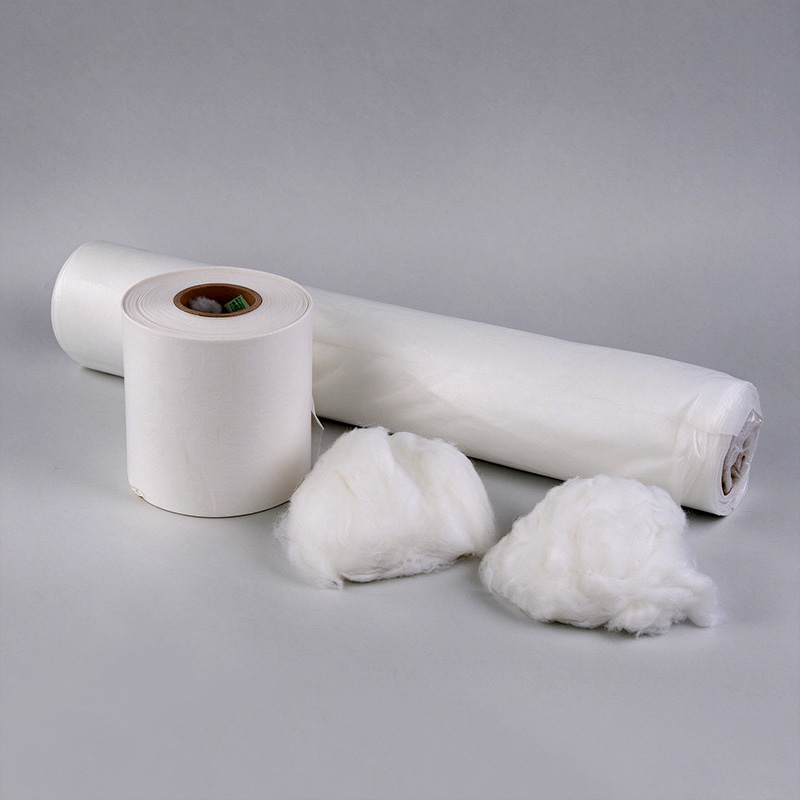
Made of PBS (Polybutylene Succinate), fully biodegradable.Features:1.Home compostable2.Raw material: PBS Polybutylene Su...
READ MOREPlease fill out the form below and our team will contact you as soon as possible.
Addres: No.66 Qiaogang Road, Haian, Nantong City, Jiangsu Province, China
E-mail: service@gcfiber.com admin@gcfiber.com
Copyright ? GC FIBER All Rights Reserved. Eco-Friendly Textile Products Manufacturer Biodegradable Yarn Company