English
 中文简体
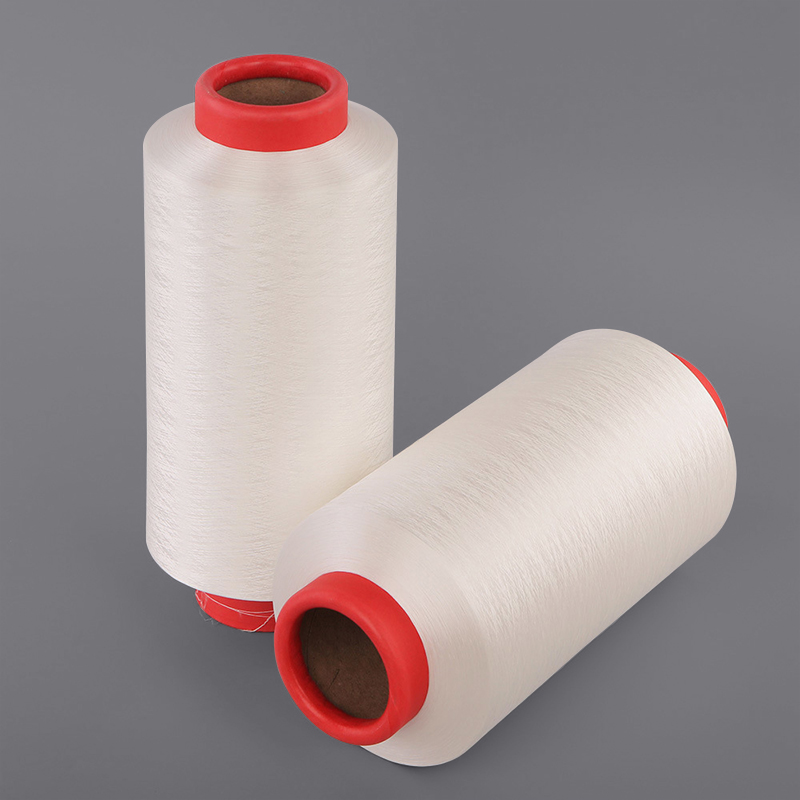
Made of PBS (Polybutylene Succinate), fully biodegradable.Features:1.Home compostable2.Raw material: PBS Polybutylene Su...
READ MORE
Content
PLA Biodegradable Monofilament Yarn is a plant-based single-filament material designed for manufacturers seeking a practical alternative to conventional petroleum-derived nylon and polyester monofilaments. Made from polylactic acid, commonly known as PLA, the yarn combines renewable raw materials with the dimensional consistency, stiffness, tensile performance, and processing reliability required in technical textile production.
Unlike ordinary synthetic monofilaments, PLA yarn is designed with end-of-life considerations in mind. Under suitable industrial composting conditions, PLA can disintegrate and biodegrade into carbon dioxide, water, and biomass. This characteristic makes it attractive for temporary agricultural products, compostable packaging components, filtration media, specialty textiles, tea bag strings, and other applications where long-term persistence is undesirable.
The yarn is available in a standard 30D count for selected applications, while customized counts, filament structures, diameters, colors, and functional properties can be developed according to customer requirements. Its combination of bio-based content, lower processing temperatures, anti-bacterial characteristics, smooth surface, and stable single-filament construction gives manufacturers more options when developing environmentally responsible products.
Produced by GC FIBER, a special and functional textile manufacturer established in 2006, this product benefits from dedicated research and development capabilities, multiple production lines, raw-material supply control, and experience in customized yarn and fiber manufacturing. The company supports projects from initial technical specification through sampling, production, quality control, and delivery.
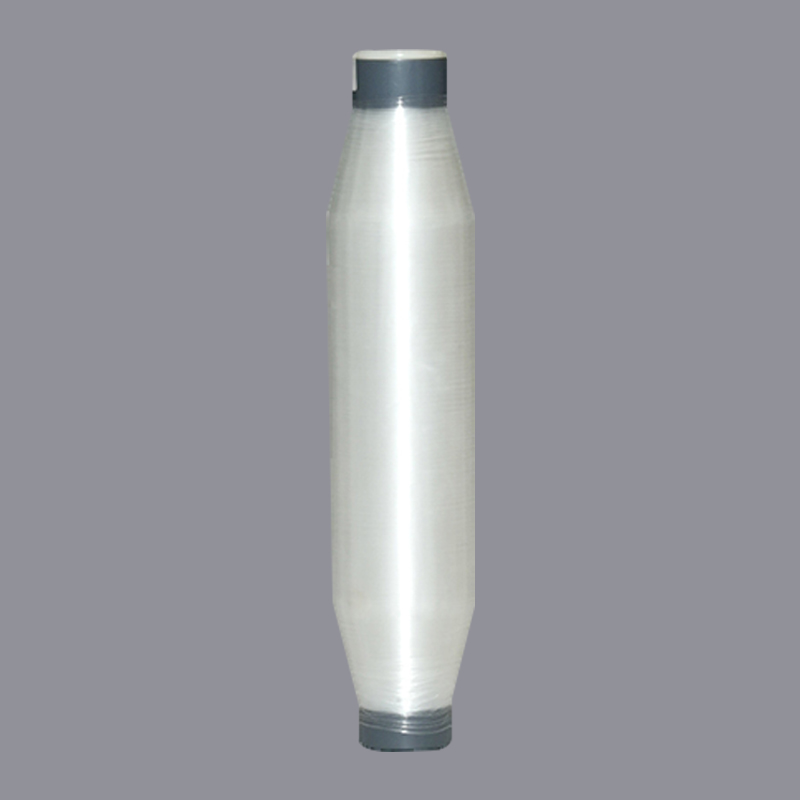
PLA Biodegradable Monofilament Yarn
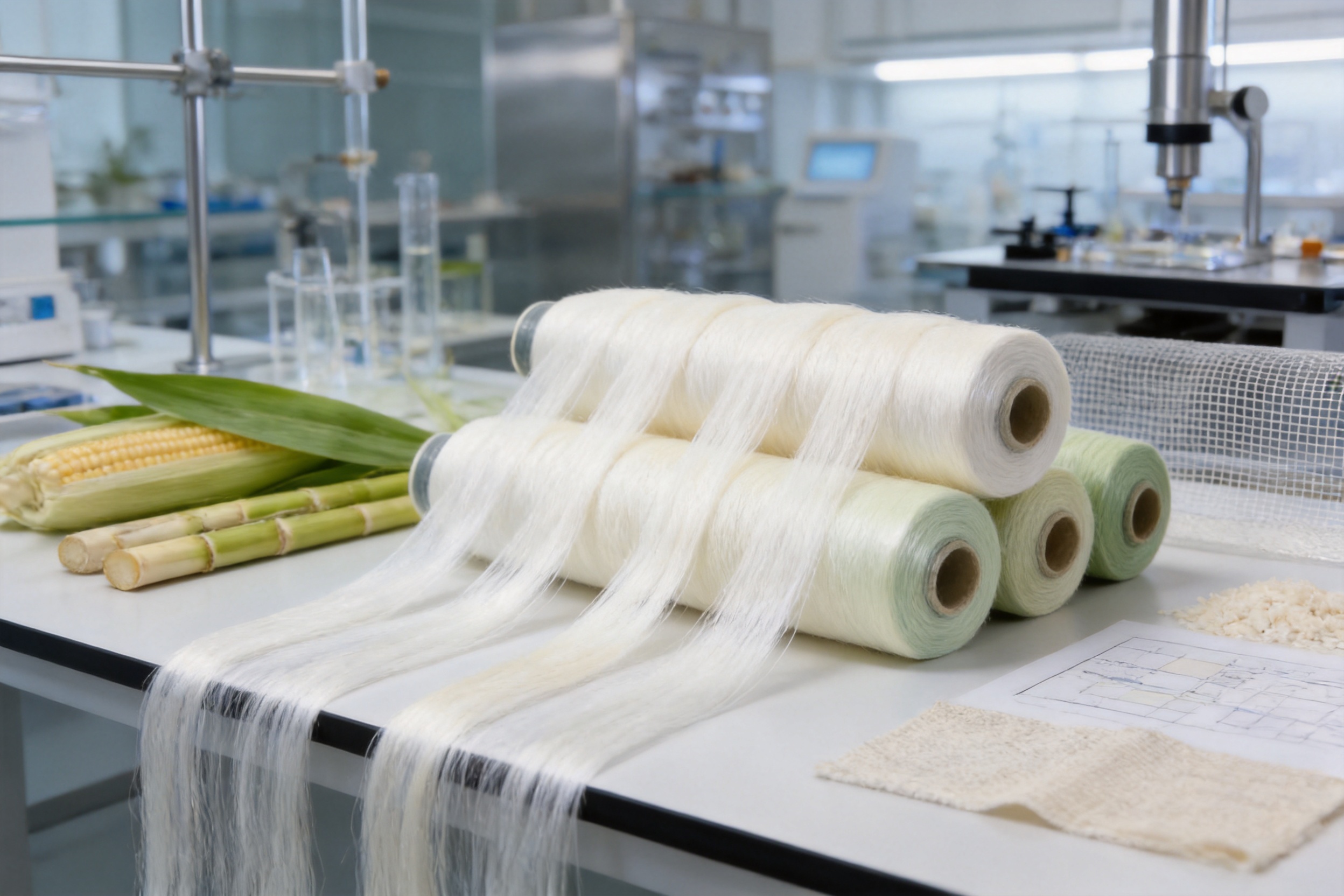
PLA Biodegradable Monofilament Yarn is a continuous single-strand yarn made by melting and extruding polylactic acid resin. PLA is a thermoplastic polymer produced from lactic acid, which is commonly obtained by fermenting plant-based sugars or starches from renewable sources such as corn, sugarcane, and other agricultural feedstocks.
In a monofilament structure, the yarn consists of one continuous filament rather than many fine filaments twisted or bundled together. This construction provides a smooth surface, consistent diameter, controlled stiffness, and predictable interaction with guide parts, needles, weaving components, and filtration equipment.
The yarn is intended for applications that require more structural firmness than ordinary multifilament yarns can provide. Depending on the selected count and processing conditions, PLA monofilament can be used in weaving, knitting, netting, screening, filtration, brush components, agricultural support structures, packaging reinforcement, and specialty consumer products.
The standard product information identifies 30D as an available count. At the same time, the manufacturer can produce special specifications by order. This provides flexibility for customers that need a particular diameter, tensile profile, elongation, surface finish, color, or downstream processing behavior.
Traditional nylon and polyester monofilaments are manufactured from fossil-based raw materials. These materials offer proven performance and remain important in many demanding applications, but their petroleum origin and long persistence after disposal can create sustainability challenges.
PLA offers a different material pathway. Its primary polymer building blocks originate from renewable plant resources rather than directly from petroleum. The use of renewable feedstocks can help manufacturers reduce dependence on fossil-based raw materials and support product strategies focused on lower environmental impact.
A renewable feedstock does not automatically mean that every product made from it is biodegradable in every environment. End-of-life behavior depends on polymer formulation, product construction, temperature, humidity, microorganisms, and the availability of appropriate waste-management infrastructure. PLA monofilament is therefore best described as industrially compostable when it meets the applicable requirements and is processed through a suitable commercial composting system.
This distinction is important for responsible product development. Manufacturers can use PLA yarn to create products with a more carefully considered lifecycle, while still communicating accurately that industrial composting is normally required for reliable biodegradation.
The yarn is manufactured from PLA, a polymer associated with renewable plant-based feedstocks. This supports applications in which material origin is an important part of the product specification, environmental declaration, or brand positioning.
For companies developing sustainable textile lines, PLA provides a recognizable alternative to conventional synthetic fibers. It can be incorporated into products that emphasize renewable sourcing, reduced dependence on fossil resources, and controlled end-of-life pathways.
PLA is capable of breaking down under controlled industrial composting conditions when the material and finished product meet relevant compostability requirements. Industrial composting facilities provide higher and more consistent temperatures, moisture levels, aeration, and microbial activity than most home composting systems.
Customers should evaluate the complete finished product rather than the yarn alone when making compostability claims. Dyes, coatings, additives, sizing agents, attached components, and mixed-material structures can affect certification and biodegradation performance. Where certification is required, the finished article should be tested according to the target market’s applicable standard.
Monofilament construction provides a continuous strand with a consistent profile. Uniformity is particularly valuable in screening, mesh, weaving, knitting, netting, and other processes where irregular diameter can affect tension, opening size, surface appearance, and machine performance.
A well-controlled monofilament also helps reduce variations during winding and unwinding. Stable yarn geometry can contribute to smoother operation, more predictable fabric construction, and improved consistency between production batches.
The product information identifies anti-bacterial performance as one of the yarn’s functional features. PLA-based materials can offer a comparatively low-moisture environment and may help limit odor or microbial development in selected applications. Actual anti-bacterial performance depends on the polymer grade, additives, processing method, exposure conditions, and test method.
For applications requiring verified anti-bacterial claims, customers should request product-specific laboratory data. The yarn may be particularly interesting for specialty textile, filtration, packaging, and consumer-product applications in which cleanliness and odor management are relevant.
PLA generally has a lower melting range than many conventional engineering and textile polymers. This can support lower-temperature processing and may reduce thermal demand during selected manufacturing steps. Lower processing temperatures can be useful for applications involving heat-sensitive components, controlled energy consumption, or specialty color development.
However, processing temperatures must be controlled carefully. PLA can be affected by excessive heat and prolonged residence time. Drying, extrusion, drawing, winding, dyeing, and heat-setting parameters should be established according to the specific resin grade and yarn construction.
The product is designed to provide good UV stability for suitable applications. UV performance depends on exposure intensity, exposure duration, yarn diameter, color, additives, environmental moisture, and the required service life.
PLA monofilament can be considered for temporary or seasonal outdoor products such as agricultural netting, crop support structures, erosion-control components, and horticultural materials. For long-term outdoor applications, customers should conduct accelerated weathering and field testing before final approval.
PLA is generally associated with low moisture absorption compared with many hydrophilic textile fibers. This characteristic can support dimensional stability and predictable processing in applications exposed to moderate humidity or intermittent moisture.
Low moisture regain does not mean that the yarn is unaffected by water. Prolonged exposure to heat and moisture can contribute to hydrolytic degradation of PLA. Proper storage, packaging, drying, and production control are therefore necessary to maintain yarn performance.
The following values summarize typical characteristics associated with standard PLA monofilament yarn. Actual performance depends on denier, diameter, polymer grade, drawing ratio, additives, color, processing conditions, and testing method. Customers should confirm final specifications with GC FIBER before placing a production order.
| Property | Typical or Available Information | Practical Significance |
|---|---|---|
| Polymer | Polylactic acid, or PLA | Provides a bio-based polymer platform suitable for compostable product development. |
| Standard count | 30D available | Suitable for selected weaving, knitting, tea bag, and specialty applications. |
| Diameter range | Approximately 0.05 mm to 3.0 mm, depending on design | Allows adaptation to textile, mesh, filtration, and technical applications. |
| Tensile strength | Approximately 3.0 to 5.5 grams per denier for standard-grade material | Supports tension-bearing and structural applications within the selected specification. |
| Elongation at break | Approximately 15% to 35% | Provides a balance between flexibility, resilience, and dimensional stability. |
| Melting point | Approximately 150°C to 170°C | Requires controlled thermal processing and protection from excessive heat. |
| Density | Approximately 1.24 to 1.27 g/cm³ | Influences fabric weight, volume, and material consumption calculations. |
| Moisture regain | Generally below 1% | Helps support consistent handling and low moisture absorption. |
| Application | Weaving, knitting, tea bag strings, filtration, netting, and specialty products | Suitable for both textile and industrial development programs. |
These figures should be treated as reference values rather than universal guarantees. Monofilament performance changes when the diameter, molecular weight, drawing conditions, cooling rate, orientation, and additives change. A technical buyer should always evaluate a production sample under the actual intended process.
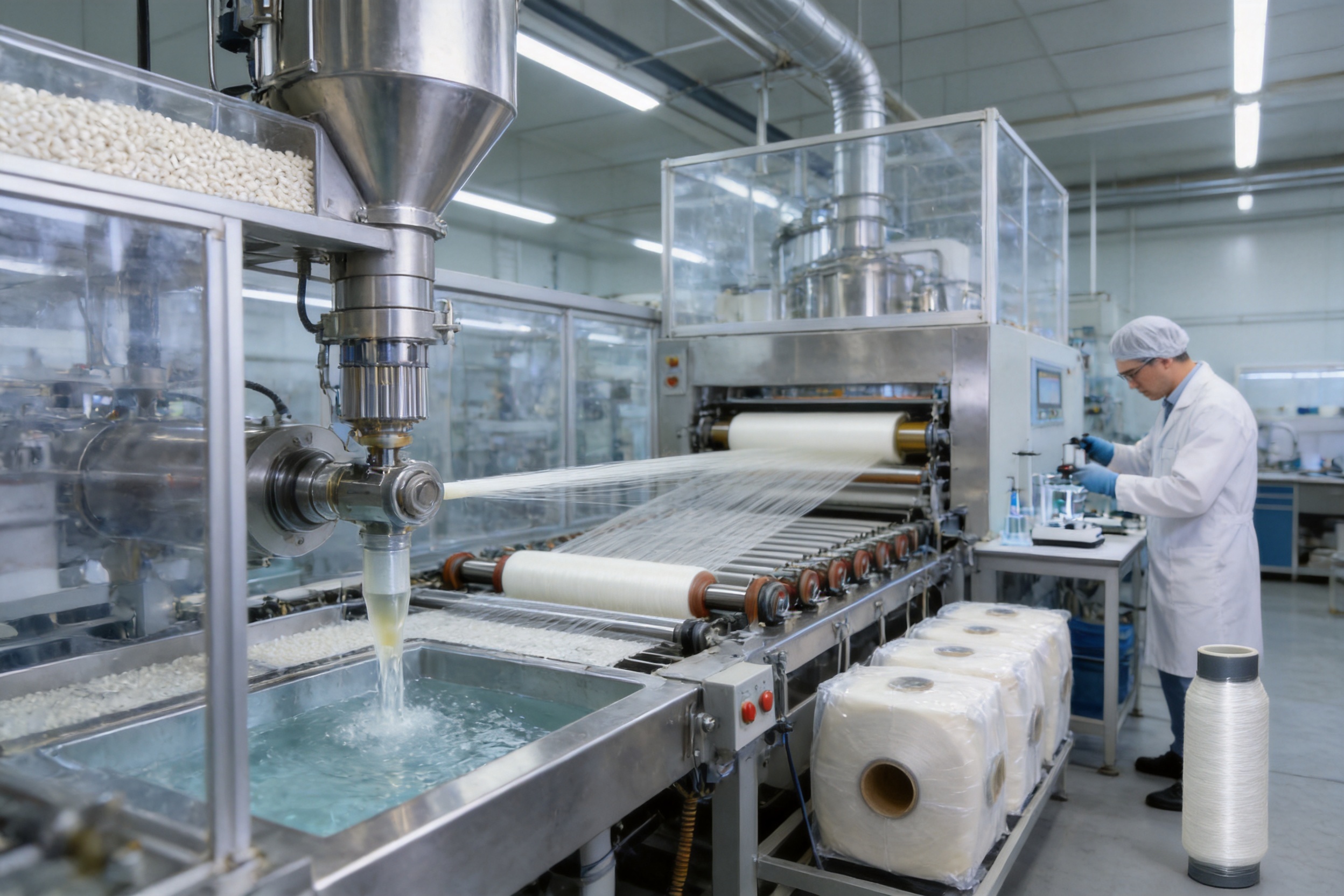
The performance of PLA monofilament yarn depends not only on the raw material but also on how the polymer is dried, melted, filtered, extruded, cooled, drawn, heat-treated, and wound. GC FIBER’s manufacturing strengths are based on its experience in special and functional textile products, dedicated research and development capability, multiple production lines, and control of raw-material supply.
Manufacturing begins with the selection of PLA resin appropriate for the required yarn count, diameter, strength, elongation, color, and end use. Polymer grade selection affects melt viscosity, thermal behavior, crystallization, drawing response, and final mechanical performance.
Raw materials should be checked for consistency before entering production. Important considerations include moisture content, melt flow behavior, contamination, color, packaging condition, and batch traceability. Stable raw material is essential for stable extrusion and consistent filament formation.
PLA is sensitive to hydrolysis when exposed to heat and moisture during processing. For this reason, controlled drying is an important stage in PLA yarn production. Proper drying reduces excess moisture before melting and helps protect molecular weight and mechanical performance.
Drying conditions must be matched to the polymer supplier’s recommendations. Excessive drying can waste energy or affect processing efficiency, while insufficient drying may contribute to lower strength, brittleness, surface defects, or unstable melt behavior.
After drying, the PLA resin is fed into an extrusion system. Controlled heating converts the solid polymer into a homogeneous melt. Temperature zones, screw speed, pressure, throughput, and residence time must be managed carefully because PLA has a narrower processing window than some traditional polymers.
The extrusion system forms the molten polymer through a die designed for monofilament production. Die geometry affects the initial filament profile, while stable pressure and clean melt filtration help reduce irregularities and foreign-particle defects.
Melt filtration removes unwanted particles and helps protect the uniformity of the extruded strand. A clean and well-maintained spinneret is equally important because small imperfections can create diameter variation, surface lines, weak points, or inconsistent cross-sectional geometry.
For customers requiring technical precision, filtration level and spinneret design can be adjusted to the application. A filtration mesh, for example, may require a tightly controlled round profile, while a special textile component may require a particular surface or cross-section.
Once the polymer exits the spinneret, it must be cooled in a controlled manner. Cooling affects crystallization, orientation, surface quality, and dimensional stability. Uneven cooling can result in ovality, internal stress, or irregular shrinkage.
Stable cooling conditions are especially important for fine monofilaments. The line must maintain consistent air or water conditions, controlled draw-off speed, and suitable alignment between the spinneret, cooling zone, guides, and drawing system.
Drawing stretches the solidified filament to orient the polymer chains and improve tensile properties. The drawing ratio influences strength, elongation, stiffness, shrinkage, and dimensional stability.
Insufficient drawing may result in low strength or excessive elongation, while excessive drawing can make the filament brittle or reduce processing tolerance. A controlled drawing program helps achieve the balance required for weaving, knitting, netting, filtration, and other applications.
Heat treatment can be used to stabilize the yarn after drawing. Appropriate thermal relaxation helps reduce internal stress and control shrinkage during subsequent processing. The treatment must remain within the thermal limits of PLA to avoid degradation.
For customers using the yarn in high-speed weaving or knitting, dimensional stability is particularly important. A properly stabilized yarn is less likely to change length or tension significantly during downstream processing.
Final winding determines how efficiently the yarn can be transported, stored, unwound, and fed into production equipment. Uniform winding tension helps prevent tangles, slippage, hard edges, and uneven package density.
Package size and winding format can be adapted to customer requirements. A textile mill may require a package compatible with a specific creel or knitting machine, while a laboratory or product developer may prefer a smaller sample package.
Quality control may include visual inspection, denier measurement, diameter measurement, tensile testing, elongation testing, winding inspection, color evaluation, and process traceability. Additional testing can be arranged for UV stability, anti-bacterial performance, compostability, thermal behavior, or application-specific requirements.
GC FIBER’s experience with functional yarns supports a project-oriented approach to quality control. Instead of treating every product as a standard commodity, the company can work with customers to define the properties that matter most for the finished application.
GC FIBER has operated as a special textile factory in China since 2006. Its product range includes biodegradable yarn, low melting yarn, ECDP yarn, anti-static yarn, HDPE yarn, bio-component yarn, and polyester filament yarn. This range reflects experience in developing materials with specialized rather than purely commodity-oriented performance.
The company maintains a Design and R&D department focused on special, functional, and eco-friendly textile materials. This capability is important for PLA monofilament customers because successful product development often requires more than selecting a catalog yarn.
Customers may need a specific balance of stiffness, tensile strength, elongation, diameter, surface finish, color, compostability, or processing behavior. R&D collaboration allows these requirements to be translated into an achievable yarn specification.
Multiple production lines and machines provide flexibility in handling different product structures and order sizes. This can be valuable for customers moving from early-stage sampling to regular commercial production.
Production flexibility also helps separate materials and specifications when necessary. Different polymer grades, colors, counts, and functional requirements can be scheduled according to the technical and commercial needs of each project.
Control over raw-material supply helps support production consistency. In functional yarn manufacturing, polymer variability can directly affect melt behavior, strength, elongation, color, and winding performance. A stable supply strategy reduces unnecessary variation and supports repeat orders.
For international customers, consistent batch quality is especially important because yarn may be shipped over long distances and incorporated into products sold in multiple markets. Clear technical documentation and batch communication help customers manage incoming inspection and production planning.
GC FIBER supports OEM and customized yarn projects involving denier, filament count, cross-section, color, and functional properties. This service is suitable for customers that have a proprietary product design or need a material not available from standard suppliers.
Custom development generally begins with a technical discussion. The customer provides the intended application, machine type, target performance, environmental conditions, required quantity, and any relevant standards. The manufacturer can then recommend a preliminary construction, produce samples, and refine the specification based on test results.
A customized yarn project involves several stages, including specification review, raw-material selection, trial production, sample testing, customer evaluation, process adjustment, final approval, bulk production, inspection, packaging, and shipment. A coordinated team can reduce communication gaps between these stages.
GC FIBER’s sales, research, design, and production personnel work together to support this process. Customers can receive assistance with technical interpretation, sample coordination, production updates, and delivery arrangements through a single supplier relationship.
PLA monofilament does not replace nylon or polyester in every application. Conventional polymers remain preferable where extremely high heat resistance, long-term outdoor durability, high chemical resistance, or very low cost is the primary requirement. The advantage of PLA is strongest when environmental profile and controlled end-of-life performance are important alongside functional performance.
| Comparison Factor | PLA Monofilament | Conventional Nylon or Polyester Monofilament |
|---|---|---|
| Primary feedstock | Renewable plant-based sources may be used to produce PLA | Generally derived from fossil-based raw materials |
| End-of-life pathway | Can be industrially compostable when the material and finished product meet applicable requirements | Typically persists for a long period and may have limited recycling options depending on product design |
| Processing temperature | Lower melting range, requiring controlled thermal processing | Often higher heat tolerance and broader established processing experience |
| Environmental positioning | Suitable for renewable-material and compostable-product strategies | Well established but less aligned with some compostable product concepts |
| Stiffness and surface | Can provide a firm, smooth monofilament profile | Performance depends on polymer and grade; often highly durable |
| Cost | May be higher because of resin cost, processing controls, and lower production scale | Often more economical because of mature supply chains |
| Best-fit applications | Temporary, seasonal, compostable, eco-positioned, and specialty technical products | Long-life, high-temperature, highly durable, and cost-sensitive products |
The correct comparison should always consider the total product lifecycle. A lower-priced polymer may not be the best choice if disposal, environmental labeling, customer expectations, or regulatory requirements create additional costs. Conversely, PLA may not be economical for a product that must operate for many years in severe heat or weather.
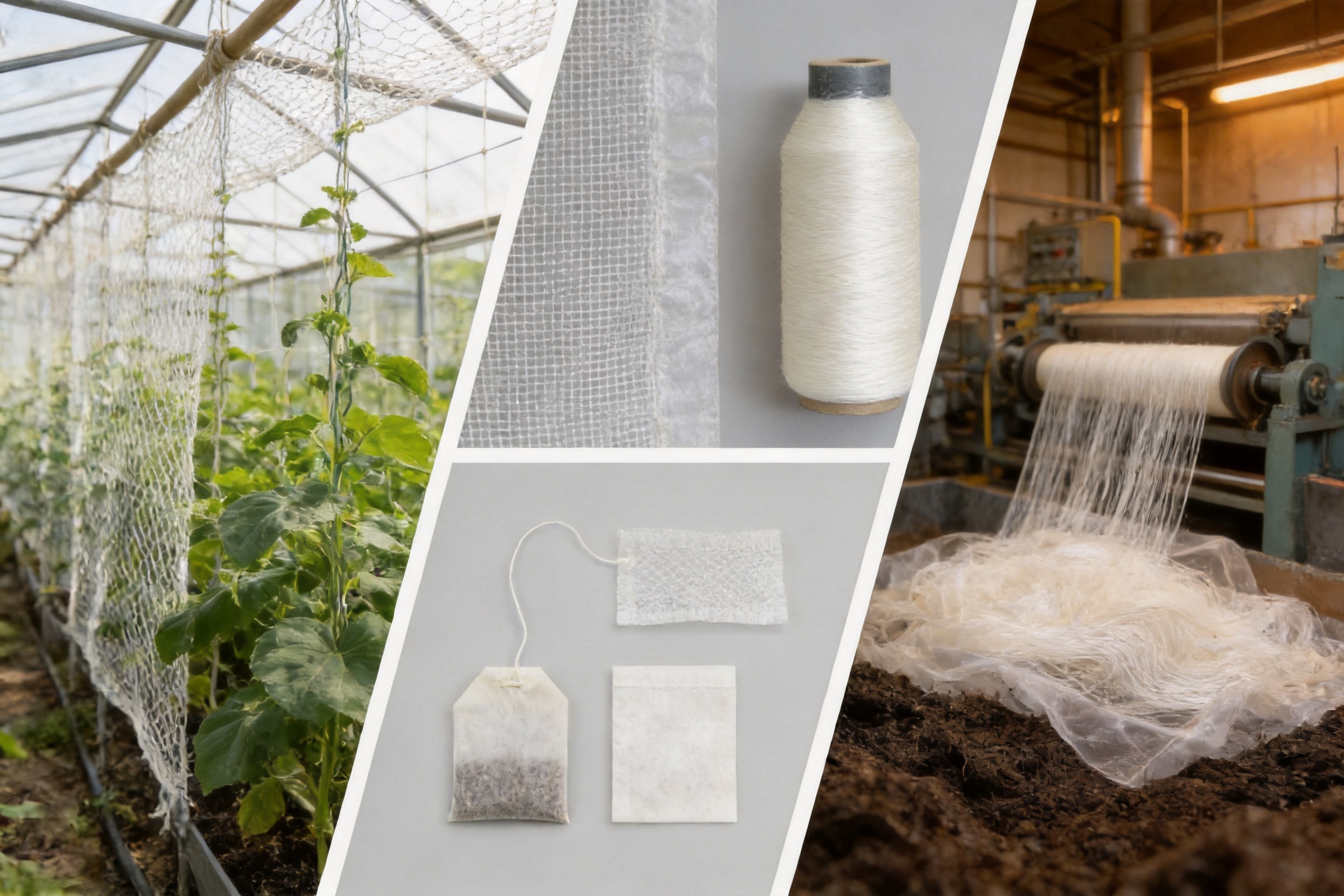
PLA monofilament can be woven or knitted into filter mesh, screening fabric, and temporary filtration components. Its smooth surface and controlled diameter support consistent opening sizes and predictable flow characteristics.
Potential uses include industrial filter mesh, flour-sifting screens, liquid filtration bags, and other applications in which a temporary or compostable filtration medium is desirable. The final selection should consider chemical compatibility, operating temperature, pressure, filtration precision, and cleaning requirements.
Agricultural products are a major area of interest for biodegradable monofilament. Crop-support lines, greenhouse nets, trellising structures, shading systems, mulch-related components, and temporary plant-support materials may benefit from a yarn that can be managed through a suitable composting or soil-integration strategy after its service period.
PLA is especially appropriate for products that are intentionally used for one growing season or a limited number of production cycles. Before use, developers should evaluate sunlight, rainfall, temperature, soil contact, mechanical loading, and the required service life.
Temporary erosion-control meshes can be used to stabilize slopes while vegetation becomes established. A biodegradable monofilament may be considered where the supporting structure is not intended to remain permanently after the landscape has developed.
The fabric design must be matched to the slope, soil, rainfall, installation method, and vegetation plan. Mechanical strength during the stabilization period is essential, while controlled degradation after that period can reduce the need for removal.
The product information identifies tea bags as an application for the available yarn. A fine PLA monofilament can provide a clean, smooth string structure for specialty tea packaging when the full product system, including tags, paper, adhesives, dyes, and packaging, is designed to meet the intended environmental claim.
Food-contact requirements must be reviewed separately. Customers should confirm that the selected resin, colorant, processing aid, and finished yarn comply with the regulations applicable in the destination market.
PLA monofilament can be incorporated into woven or knitted fabrics for fashion, home decoration, and specialty textile collections that emphasize renewable raw materials. Its smooth surface, stiffness, and structural stability may be used to create distinctive textures, transparent effects, mesh constructions, trims, or reinforced textile elements.
Designers should consider comfort, hand feel, drape, dyeing behavior, washing conditions, ironing temperature, and the overall material blend. When PLA is combined with non-compostable fibers, the final product may not be industrially compostable as a complete article.
PLA monofilament can be evaluated for brush bristles and other products requiring a firm, smooth, single-strand component. The selected diameter, stiffness, recovery, surface finish, and moisture behavior must be matched to the intended product.
For consumer goods, appearance and tactile performance are as important as sustainability. Sampling allows product designers to evaluate brushing feel, bending recovery, abrasion, color stability, and user acceptance before mass production.
PLA monofilament can be used in strings, twines, mesh structures, and reinforcement components for compostable packaging concepts. It may help provide mechanical support while maintaining a renewable-material story.
Packaging developers must assess the complete package, including barrier films, coatings, adhesives, labels, inks, and closures. A compostable yarn cannot make a package compostable if other major components do not meet the same requirements.
The material can also be considered for specialized filament development and experimental additive manufacturing applications. PLA is already widely recognized in 3D printing, although a monofilament yarn specification is not automatically identical to a standard 3D printing filament specification.
Customers interested in this use should define diameter tolerance, roundness, moisture control, melt flow, color, spool format, and thermal properties. GC FIBER can assess whether a custom product structure is suitable for the proposed equipment.
Environmental claims should be based on recognized standards and appropriate testing. Two commonly referenced standards for industrial compostability are ASTM D6400 and EN 13432. These standards address requirements for compostable products and packaging under controlled industrial composting conditions.
Industrial compostability typically involves disintegration within a defined period, biodegradation into carbon dioxide, water, and biomass, and limits on undesirable residues. The exact testing protocol depends on the standard, product category, formulation, thickness, and certification system.
PLA monofilament may degrade more slowly than thin PLA films because a monofilament has a relatively compact structure and may have greater thickness. Therefore, the finished product must be evaluated in its actual form. A yarn resin, a yarn spool, and a woven agricultural net do not necessarily behave identically during composting.
Home composting should not be assumed. Most PLA products require the higher and more stable temperatures available in industrial facilities. Customers should provide clear disposal instructions and avoid implying that the product will quickly disappear in ordinary soil, seawater, landfills, or household compost bins.
Store PLA monofilament in a cool, dry environment and keep the original packaging sealed until the material is ready for use. Avoid direct sunlight, excessive heat, and long-term exposure to uncontrolled humidity.
Proper storage protects the yarn from premature UV exposure, contamination, moisture uptake, and package deformation. Rolls should be placed on stable surfaces and protected from crushing, sharp edges, and excessive tension.
Depending on storage conditions and the required performance, drying may be necessary before extrusion, heat treatment, or other thermal processing. Drying parameters should be determined using the polymer supplier’s technical guidance and confirmed through trial production.
Overdrying and overheating should be avoided. The goal is to reduce harmful moisture without damaging the polymer or wasting energy.
PLA has a comparatively low melting range and should not be exposed to unnecessary heat. Processing equipment must be calibrated, and residence time should be minimized where possible.
During weaving, knitting, ironing, heat-setting, ultrasonic processing, or lamination, the operating temperature should remain below the level that causes deformation or degradation. A technical trial is recommended whenever PLA yarn is introduced to equipment designed for nylon or polyester.
Monofilament yarns can respond differently from multifilament yarns during winding and fabric formation. Excessive tension may cause stretching, diameter deformation, breakage, or package problems.
Guide surfaces should be smooth and properly aligned. Tension should be adjusted gradually during machine trials, and the yarn path should be checked for sharp contact points or excessive friction.
PLA can accept suitable disperse dyes and may also be colored through pigment masterbatching during extrusion. Dye uptake, shade development, color fastness, and temperature requirements can differ from polyester.
Customers should test the intended color system on the actual yarn construction. Excessive dyeing temperature or prolonged heat exposure may affect strength, elongation, shrinkage, and surface quality.
Standard 30D PLA monofilament yarn may be suitable for certain applications, but industrial customers frequently need a more specific construction. GC FIBER offers customization based on project requirements and can evaluate special production by order.
Denier and diameter influence strength, stiffness, flexibility, weight, surface area, and processing behavior. A fine yarn may be suitable for tea bag strings or lightweight textiles, while a larger diameter may be preferred for agricultural structures, brush components, or technical mesh.
Customers can discuss filament count and cross-sectional structure according to the intended application. A round cross-section is common for monofilament, but other profiles may be considered where surface area, grip, optical appearance, or fabric texture is important.
Custom color production can support brand identity, product sorting, and visual design. Functional additives may also be evaluated for UV performance, color stability, processing behavior, or other requirements.
Any additive must be reviewed carefully because it can affect compostability, food-contact suitability, recycling, and environmental claims. The finished product should be tested rather than assuming that a modified formulation retains the properties of unmodified PLA.
Different applications require different performance priorities. A filtration customer may emphasize diameter uniformity and mesh precision. An agricultural customer may prioritize temporary outdoor strength and controlled service life. A fashion customer may focus on appearance, hand feel, and dyeing. A packaging customer may require compostability documentation and food-contact evaluation.
By defining the end use at the beginning of the project, the manufacturer can select more appropriate processing parameters and testing criteria.
GC FIBER can support both smaller custom or OEM quantities and larger volume requirements, subject to technical feasibility, minimum order quantity, raw-material availability, and production scheduling. Early communication about forecast volume helps the factory plan materials, machine time, sampling, and delivery.
A structured qualification process helps reduce risk when introducing a new biodegradable monofilament into an existing product line.
| Stage | Customer Action | Manufacturer Support |
|---|---|---|
| Application review | Describe the product, equipment, environment, service life, and target market. | Recommend an initial yarn structure and technical priorities. |
| Sample selection | Evaluate standard 30D or request a custom specification. | Provide samples and preliminary technical information. |
| Machine trial | Run the yarn on actual weaving, knitting, winding, or forming equipment. | Discuss tension, temperature, speed, and handling adjustments. |
| Laboratory testing | Measure strength, elongation, diameter, color, UV performance, or other required properties. | Coordinate production data and support additional testing where available. |
| Finished-product validation | Test the complete article, including packaging, coatings, dyes, and other components. | Assist with material adjustments and production recommendations. |
| Commercial approval | Confirm specification, quantity, packaging, documentation, and delivery requirements. | Arrange bulk production, inspection, and shipment. |
A responsible product evaluation should include limitations as well as advantages. PLA generally has lower heat resistance than many conventional technical polymers. It may not be suitable for continuous high-temperature operation, sterilization at severe temperatures, or applications exposed to hot liquids or steam.
PLA’s outdoor lifetime can be shorter than that of conventional nylon or polyester, particularly under prolonged UV exposure, high humidity, repeated loading, and elevated temperature. This may be an advantage for temporary agricultural products but a disadvantage for permanent outdoor structures.
PLA can also be more sensitive to hydrolysis than some conventional fibers. Storage and processing moisture must therefore be controlled. Chemical resistance should be checked for acids, alkalis, solvents, oils, cleaning agents, and other substances encountered in the application.
Finally, industrial compostability depends on the complete product and the available waste-management system. Customers should avoid making broad environmental claims without finished-product testing, certification, and clear disposal guidance.
Commercial buyers may require a technical data sheet, certificate of analysis, batch number, packing information, safety documentation, country-of-origin information, and declarations related to specific regulations. The required documents depend on the application and destination market.
For food-contact products such as tea bag strings, applicable food-contact regulations must be reviewed. For agricultural products, customers may need to evaluate soil contact, residue, crop safety, and local environmental requirements. For consumer products, labeling should accurately describe the material and disposal route.
Where compostability certification is required, testing should be performed on the final product or a representative product construction. Testing only the PLA resin may not be sufficient to support a claim about a dyed, coated, woven, or assembled article.
Not reliably. PLA usually requires the elevated and controlled temperature, humidity, aeration, and microbial activity of an industrial composting facility. Home composting conditions vary widely and may not provide the environment required for timely biodegradation.
No. Biodegradation depends on conditions and product construction. The yarn is intended for industrial compostability when the relevant material and finished-product requirements are met. It should not be described as rapidly biodegradable in seawater, ordinary soil, landfill conditions, or a household compost bin without specific supporting evidence.
The supplied product information identifies 30D as an available count. Other counts, diameters, filament structures, and functional properties may be available through special production by order.
Yes. Weaving and knitting are listed applications. Machine settings should be adjusted for PLA’s thermal behavior, stiffness, friction, elongation, and tension response. A production trial is recommended before large-scale use.
Yes, tea bag strings are identified as an application. However, the complete product must be evaluated for food-contact compliance, dye safety, processing aids, strength, and disposal claims in the target market.
PLA can be colored using suitable disperse dyes or pigment masterbatching, although dye uptake and color fastness may differ from polyester. The selected dyeing temperature and time must be controlled to avoid thermal damage or dimensional change.
It can be suitable for temporary or seasonal agricultural and horticultural applications, such as crop support, trellising, greenhouse structures, and selected netting. Outdoor service life depends on sunlight, moisture, temperature, mechanical loading, and the required period of use.
Not generally across all specifications. Nylon and polyester have extensive engineering data and can provide excellent strength and durability. PLA’s primary advantages are its renewable feedstock potential, industrial compostability under appropriate conditions, lower processing temperature, and suitability for environmentally focused applications.
Store the yarn in a cool, dry place away from direct sunlight and excessive heat. Keep packages protected from moisture, contamination, crushing, and sharp objects. If the yarn has absorbed moisture, drying may be required before thermal processing.
Yes. GC FIBER supports customized and OEM projects involving denier, filament count, cross-section, color, and functional properties. Customers can discuss their intended application, equipment, performance targets, order quantity, and certification needs with the company’s sales and R&D teams.
Customers should evaluate diameter, denier, tensile strength, elongation, surface quality, winding performance, machine compatibility, color, thermal behavior, and the finished product’s durability. If compostability is part of the claim, the complete finished article should be assessed under the applicable standard.
The product information identifies Shanghai seaport as the shipping point. Final logistics, packaging, lead time, and export documentation should be confirmed with the supplier for each order.
PLA Biodegradable Monofilament Yarn gives product developers a way to combine technical textile performance with a more responsible material strategy. It is not simply a conventional yarn with an environmental label. Its value comes from the interaction of several characteristics: renewable polymer origin, single-filament uniformity, industrial compostability potential, controlled stiffness, low moisture regain, lower thermal processing requirements, and suitability for customized production.
The product is particularly relevant where a material is needed for a defined service period rather than permanent use. Agricultural netting, temporary erosion-control fabric, seasonal horticultural support, compostable packaging structures, temporary filtration products, and specialty textile components can all benefit from this approach.
GC FIBER strengthens the product offering through its experience in functional yarns, R&D resources, multiple production lines, raw-material coordination, and OEM support. This combination helps customers move beyond a standard sample and develop a yarn specification suited to their machinery, product design, market requirements, and disposal strategy.
The best results come from early technical collaboration. When the manufacturer understands the complete application, it can help balance strength, stiffness, elongation, diameter, thermal behavior, color, UV performance, compostability, and cost. Customers can then make a more informed decision about whether PLA monofilament is the right replacement for nylon or polyester in their particular product.
PLA Biodegradable Monofilament Yarn is a practical material option for companies seeking renewable, functional, and industrially compostable fiber solutions. Manufactured from PLA derived from renewable plant resources, it provides a smooth single-filament structure for weaving, knitting, filtration, agricultural products, tea bag strings, packaging reinforcement, consumer goods, and other specialty applications.
Its principal advantages include a bio-based material platform, potential industrial compostability, consistent monofilament geometry, lower processing temperatures, low moisture regain, anti-bacterial characteristics, and adaptable technical performance. At the same time, users must recognize the importance of controlled processing, dry storage, application-specific testing, and accurate environmental claims.
With technical support from GC FIBER, customers can request standard 30D yarn or develop customized counts, diameters, colors, filament structures, and functional properties. The company’s manufacturing experience since 2006, dedicated R&D department, multiple production lines, and OEM service provide a foundation for both small development projects and larger commercial programs.
For manufacturers that want to reduce dependence on fossil-based monofilaments without sacrificing practical processing performance, PLA Biodegradable Monofilament Yarn offers a credible starting point. Its greatest value is achieved when the yarn, finished product, manufacturing process, certification strategy, and disposal route are designed together.
ASTM International. ASTM D6400: Standard Specification for the Labeling of Plastics Designed to Be Aerobically Composted in Municipal or Industrial Facilities.
European Committee for Standardization. EN 13432: Requirements for Packaging Recoverable Through Composting and Biodegradation.
International Organization for Standardization. ISO 14855: Determination of the Ultimate Aerobic Biodegradability of Plastic Materials Under Controlled Composting Conditions.
Polymer and textile engineering references concerning polylactic acid resin, melt extrusion, drawing, crystallization, moisture control, and monofilament processing.
Manufacturer-provided product information for PLA Biodegradable Monofilament Yarn, including available count, applications, customization options, and production capabilities.
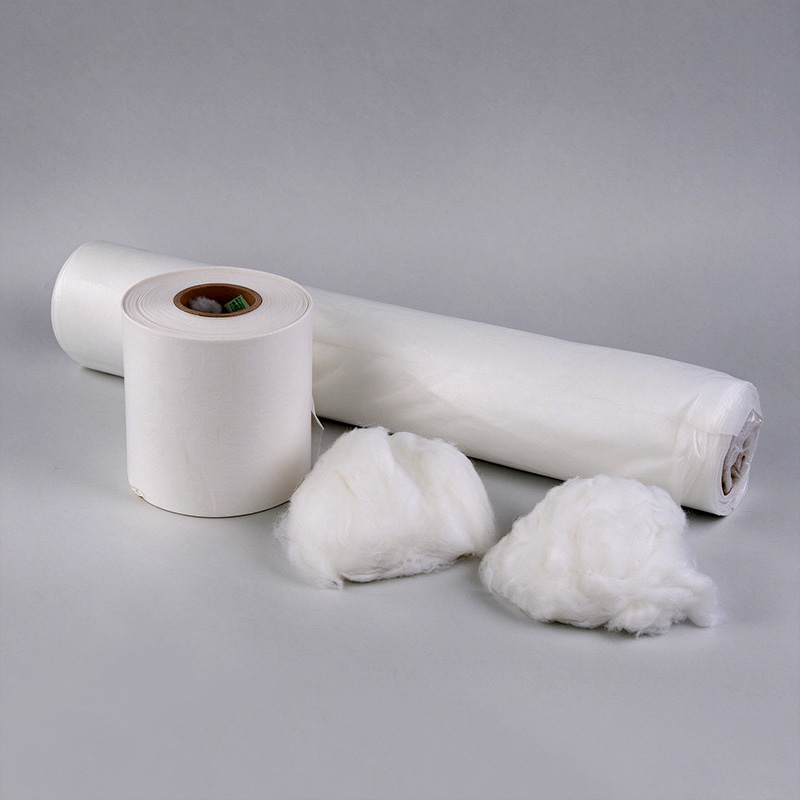
Made of PBS (Polybutylene Succinate), fully biodegradable.Features:1.Home compostable2.Raw material: PBS Polybutylene Su...
READ MOREPlease fill out the form below and our team will contact you as soon as possible.
Addres: No.66 Qiaogang Road, Haian, Nantong City, Jiangsu Province, China
E-mail: service@gcfiber.com admin@gcfiber.com
Copyright ? GC FIBER All Rights Reserved. Eco-Friendly Textile Products Manufacturer Biodegradable Yarn Company