English
 中文简体
中文简体It is made with Bio-base PLA, fully biodegradable Feature: 1. Industrial compost product 2. Made with PLA 3. Eco-frie...
READ MORE
Content
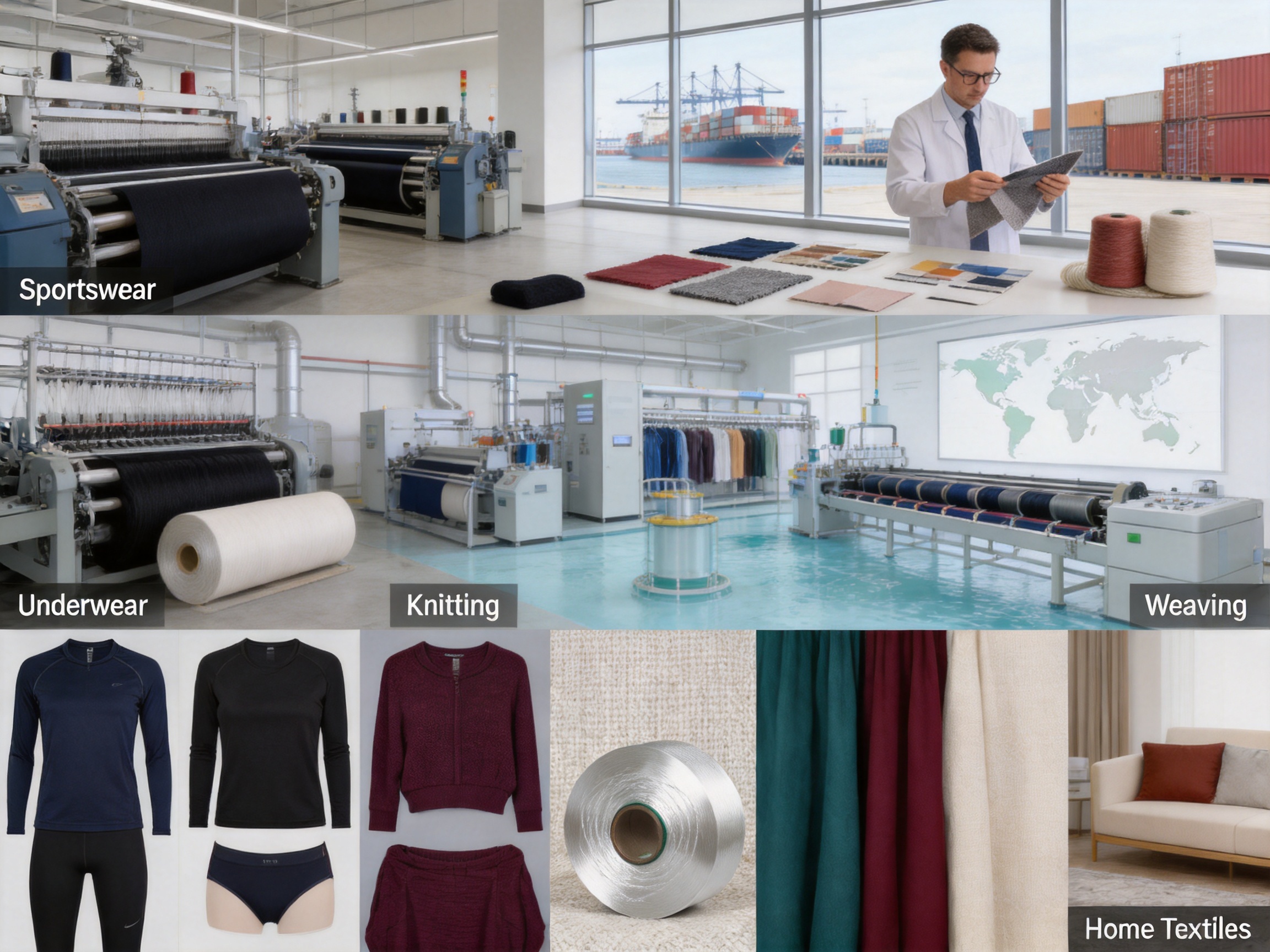
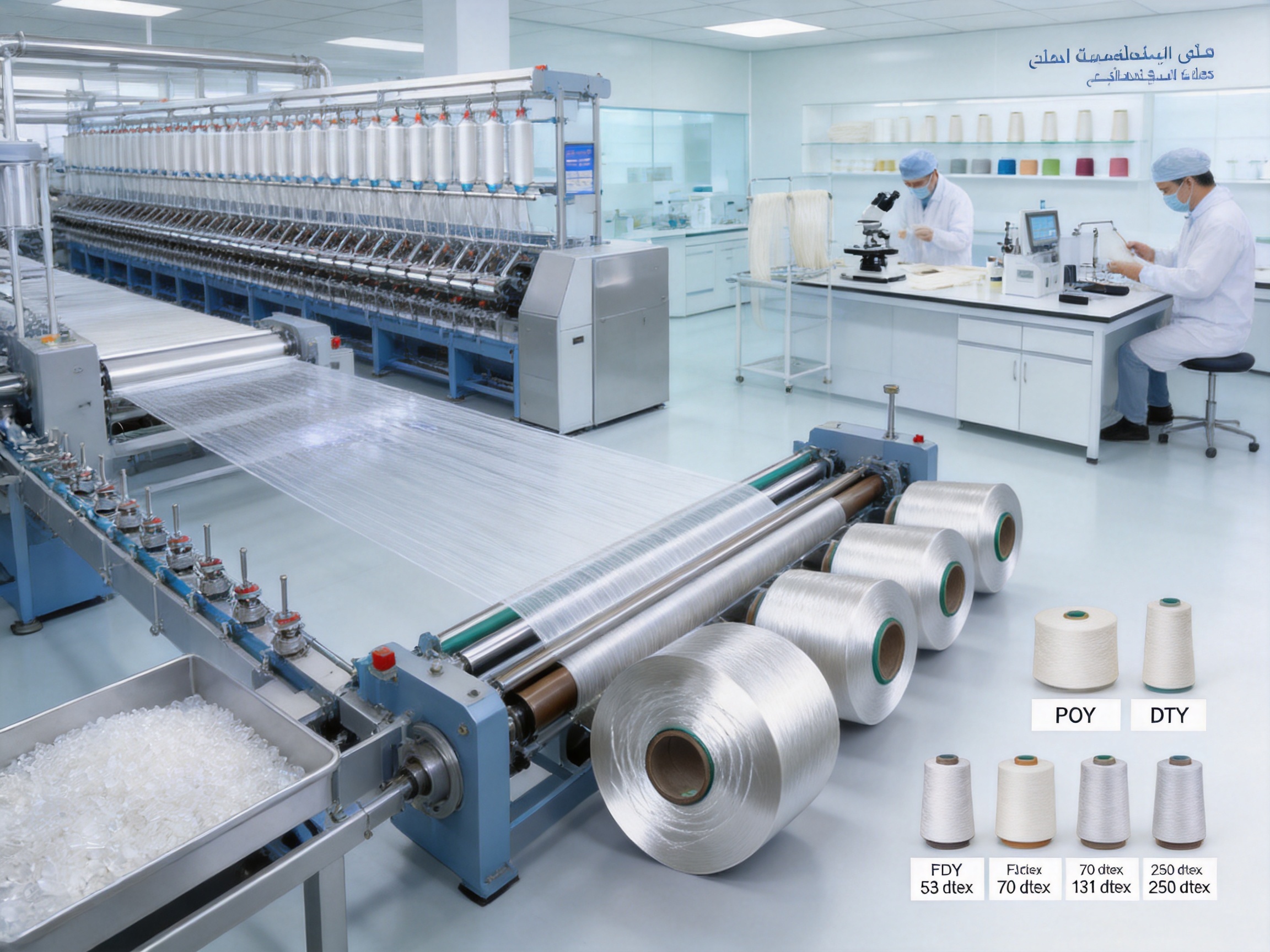
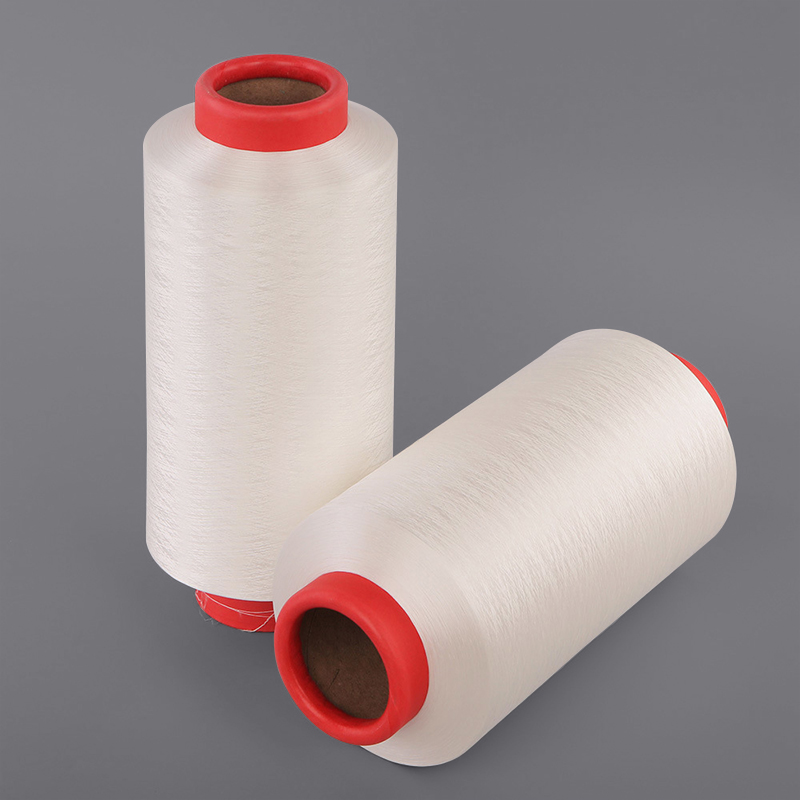
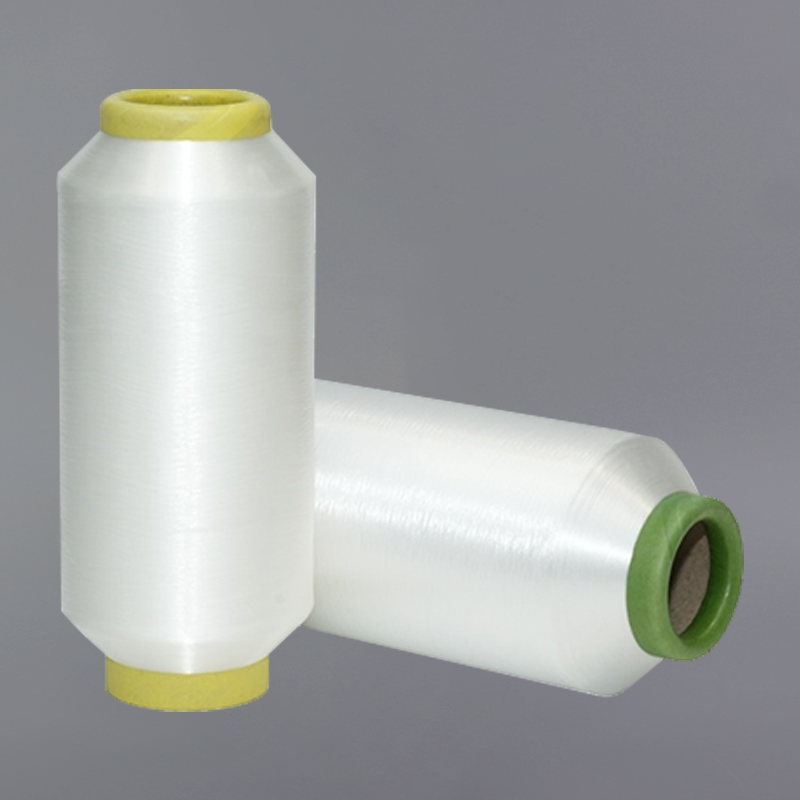
ECDP Pre-Oriented POY Yarn is a modified polyester filament developed for textile manufacturers that require enhanced dyeing performance, a softer hand, reliable color depth, and versatile downstream processability. As a partially oriented yarn, or POY, it is designed to serve as an efficient intermediate material for draw-textured yarn, fully drawn yarn, knitting, weaving, sportswear, underwear, and a broad range of home textile applications.
Unlike ordinary polyester POY, which may require higher dyeing temperatures and more intensive finishing treatments to achieve a deep, uniform shade, ECDP POY incorporates a modified polymer structure that improves dye affinity throughout the filament. This allows fabric producers to obtain deep colors at approximately 85 degrees Celsius under suitable dyeing conditions. The result is a more flexible and potentially more economical production route, especially for manufacturers working with blended fabrics, elastane-containing constructions, or products that require a soft and comfortable touch.
The yarn combines the advantages of a high-speed-spun polyester intermediate with the functional benefits of deep-dyeing chemistry. Its residual drawability enables processors to convert it into downstream products such as DTY and FDY, while its modified fiber structure contributes to moisture regain, dye uptake, color retention, surface softness, and visual luster. These characteristics make it suitable for performance clothing, intimate apparel, knitted fabrics, woven fabrics, and selected home textile products.
Produced by NanTong Global Chemical Fiber Co., Ltd., operating under the GC FIBER product portfolio, ECDP POY is manufactured for customers seeking specialized and functional textile materials. The company combines polymer modification, high-speed spinning, quality control, made-to-order count selection, and technical cooperation to provide a more adaptable alternative to standard commodity polyester yarn.
POY stands for partially oriented yarn. It is a polyester filament spun at a high speed that provides a controlled level of molecular orientation without completing the full drawing process. Typical spinning speeds for POY production are approximately 3,000 to 3,600 meters per minute. At this stage, the filaments possess intermediate orientation and deliberate residual elongation.
This residual drawability is an important technical feature. POY is not intended to be considered an unfinished or inferior form of yarn. Instead, it is an upstream material engineered for additional processing. In a draw-texturing line, POY can be drawn and textured to produce DTY with bulk, stretch-related comfort, and a softer surface. In a draw-winding process, it can be converted into FDY with greater orientation, higher dimensional stability, and a smooth filament structure.
ECDP refers to a modified polyester formulation designed to improve the fiber’s dyeing behavior. The modification is introduced at the polymer or melt stage before spinning. Because the functional chemistry is distributed through the polymer rather than applied only as a surface finish, the resulting properties are integrated into the filament cross-section. This design helps provide consistent dyeing behavior and allows the advantages of the material to continue through downstream conversion.
The combination of ECDP modification and POY structure creates a material with two complementary functions. First, it provides improved dye affinity and comfort-related performance. Second, it gives processors the flexibility required for subsequent drawing, texturing, knitting, or weaving operations. This makes it different from a finished yarn designed only for direct fabric formation.
Textile supply chains often require intermediate yarns that can be adapted to different production systems. A knitting mill may use a yarn differently from a weaving mill, while a draw-texturing factory may require specific denier, filament count, and residual draw characteristics. ECDP POY is designed to accommodate these manufacturing pathways.
When converted to DTY, the yarn can support fabrics requiring a more voluminous appearance, a softer hand, and enhanced comfort. When converted to FDY, it can support smooth woven or knitted constructions with a more stable filament arrangement. The original ECDP function remains relevant because the modified polymer is present within the filament before downstream processing.
This upstream approach also supports product consistency. Surface-applied treatments can be affected by friction, heat, washing, or processing conditions. A polymer-level modification is less dependent on the survival of a temporary coating. Although final performance always depends on the complete dyeing and finishing recipe, the functional basis of ECDP POY is incorporated into the material itself.
The most distinctive feature of ECDP POY is its deep-dyeing behavior. The modified polyester structure provides more accessible dye-receptor sites than ordinary polyester, allowing the yarn to achieve strong and saturated shades at approximately 85 degrees Celsius under suitable atmospheric open-bath conditions.
Conventional polyester dyeing commonly uses elevated temperatures to encourage disperse dye diffusion into the fiber. Such conditions may require pressure-rated equipment and can increase thermal energy consumption. ECDP POY offers processors the possibility of using a lower-temperature dyeing route, subject to the selected dye, bath chemistry, liquor ratio, fabric construction, and machine configuration.
The lower temperature can be especially valuable when polyester is blended with elastane or other heat-sensitive fibers. Excessive heat may affect the recovery, strength, appearance, or dimensional stability of sensitive components. A lower-temperature route can help manufacturers manage the thermal balance of the entire fabric construction.
Deep dyeing also improves the visual impact of finished goods. Dark shades, rich fashion colors, saturated sportswear colors, and deep underwear tones can be developed with greater ease. This is beneficial for brands and fabric mills that need a wide color range without sacrificing shade intensity.
It is important to understand that the 85-degree feature is a material capability rather than a guarantee that every color and recipe will produce identical results under all conditions. Dye selection, pH, dispersing agents, time, fabric weight, machine type, and after-washing conditions remain important. Nevertheless, the modified polymer gives dye houses a stronger starting point than commodity polyester POY.
ECDP POY is designed to absorb and retain a high proportion of the applied dye during the dyeing cycle. High dyeing take-up helps improve shade development and may reduce the amount of residual dye remaining in the bath after processing.
For a dye house, improved take-up may create several practical benefits. The first is color efficiency. More of the dye can be transferred to the textile rather than remaining unused in the bath. The second is process consistency. When dye absorption is more effective, the operator may have greater control over shade build-up and repeatability. The third is resource management. Reduced residual dye can contribute to lower dye consumption and potentially lower effluent treatment requirements.
These advantages are relevant to textile manufacturers facing increasing environmental procurement expectations. Customers, retailers, and apparel brands are requesting measurable improvements in water, energy, and chemical management. A yarn that supports more efficient dye utilization can contribute to a broader improvement program, although the final environmental performance must be evaluated across the entire manufacturing process.
Color fastness is one of the primary quality requirements for sportswear, underwear, apparel, and home textiles. ECDP POY is developed to provide strong dye-fiber interaction and stable color development. As a result, fabrics made from the yarn can maintain deep and clear shades during normal commercial use and laundering when appropriate dyeing and finishing procedures are followed.
The modified polymer approach is important in this regard. The dye-affinity function is not based solely on a temporary surface treatment. Instead, the fiber structure is designed to accept dye within the filament. This supports a more integrated color result and may reduce the risk that a surface-only treatment will be removed or weakened during subsequent processing.
Color fastness depends on more than the yarn alone. The selected disperse dye, dye concentration, temperature profile, reduction clearing, washing conditions, fabric construction, and finishing chemistry all influence final performance. ECDP POY provides a favorable foundation, but professional laboratory testing should be conducted for each target shade and end use.
Finished fabric quality is determined by both measurable physical performance and sensory properties. ECDP POY is designed to contribute a soft touch and attractive luster to downstream products. These qualities are especially important in garments worn directly against the skin, including underwear, base layers, sports tops, leggings, and lightweight fashion fabrics.
The semi-oriented filament structure can be processed into yarns with a refined surface and balanced appearance. Depending on the selected polymer formulation and delusterant level, the finished product may be developed with a semi-bright or brighter visual effect. Consistent package quality helps maintain a uniform appearance across fabric rolls and production lots.
Softness is also influenced by filament fineness, cross-section, texturing conditions, knitting density, weaving construction, and finishing. ECDP POY provides a suitable foundation for a comfortable surface, while downstream processors retain the ability to adjust the final hand according to product requirements.
Commodity polyester is valued for strength and dimensional stability, but it traditionally has relatively low moisture regain. ECDP modification is intended to provide measurably better moisture interaction than standard polyester POY. In fabric form, this can contribute to improved comfort and microclimate management.
For sportswear, moisture-related comfort is essential. During exercise, perspiration must be transported away from the skin and distributed through the fabric so that it can evaporate more effectively. A yarn with improved moisture regain can support this process when combined with suitable fabric construction and finishing.
In underwear and base-layer applications, the objective is often all-day comfort rather than extreme performance. The ability to absorb and release a certain amount of moisture can help the fabric feel less clammy and maintain a more pleasant touch in changing humidity conditions.
Moisture regain should not be confused with the behavior of a highly hydrophilic natural fiber. ECDP POY remains a polyester-based filament and retains many polyester advantages, including strength, resilience, ease of care, and wear resistance. Its purpose is to improve the moisture-related behavior of polyester without abandoning the productivity and durability expected from a synthetic filament.
Because ECDP POY is partially oriented, it retains the elongation potential needed for draw-texturing and draw-winding. This is a central advantage over yarns that are already fully drawn and therefore offer less flexibility for certain downstream processes.
Processors can select the conversion route according to the final product. Draw-texturing can create bulk, stretch-related comfort, and a more textile-like hand. Draw-winding can produce a smoother, more oriented filament for applications that require clean surface appearance and dimensional stability.
The ability to use multiple conversion routes makes ECDP POY suitable for a wider customer base. A single material platform can serve knitting mills, weaving mills, texturing factories, and vertically integrated apparel producers, provided that the yarn count and process parameters are selected appropriately.
Standard polyester POY remains a widely used and cost-effective material. However, it may not provide the same deep-dyeing response, low-temperature dyeing potential, moisture-related comfort, or premium color depth as a modified ECDP product. The choice between the two should be made according to the technical and commercial goals of the finished fabric.
| Performance Area | Conventional Polyester POY | ECDP Pre-Oriented POY | Practical Value |
|---|---|---|---|
| Dyeing temperature potential | Usually relies on conventional polyester dyeing conditions | Designed for deep dyeing at approximately 85 degrees Celsius under suitable conditions | May reduce thermal demand and improve compatibility with selected blends |
| Dye affinity | Standard polyester dye acceptance | Enhanced dye-receptor structure | Supports deeper and more saturated colors |
| Dyeing take-up | Depends strongly on conventional recipe optimization | High dyeing take-up is a core product feature | May improve dye efficiency and reduce residual bath dye |
| Moisture behavior | Relatively low moisture regain typical of commodity polyester | Improved moisture regain compared with ordinary polyester | Better comfort potential in sportswear and underwear |
| Hand feel | Varies by denier, finish, and texturing method | Designed to provide a soft touch and good luster | Supports premium apparel and intimate wear positioning |
| Downstream use | Suitable for common draw-texturing and related processing | Suitable for DTY, FDY, knitting, weaving, and customized development | Provides broad application flexibility |
The key competitive advantage is not simply that ECDP POY is a different polyester yarn. Its value lies in combining processability with functional performance. Some specialty yarns may deliver improved moisture management but have limited processing flexibility. Other modified fibers may dye deeply but require expensive or complicated production systems. ECDP POY is intended to balance dyeing, comfort, appearance, and conversion efficiency in one material platform.
Compared with surface-treated alternatives, ECDP POY also offers a more intrinsic functional design. Since the modification is introduced before spinning, the relevant characteristics are distributed throughout the filament. This can support more stable performance after drawing, texturing, knitting, weaving, and finishing.
Compared with fully drawn specialty yarns, POY provides a different commercial advantage: it allows downstream manufacturers to carry out their own draw-texturing or draw-winding operations. This can be useful when customers need to control bulk, stretch, appearance, or fabric construction at their own facilities.
The manufacturing process begins with the preparation of a modified polyester polymer system. ECDP functionality is introduced at the chip or melt stage so that the dye-affinity characteristics are incorporated before filament formation. This is a significant process decision because it promotes uniform distribution through the polymer rather than relying on a post-spinning coating.
At the melt stage, temperature, residence time, viscosity, filtration, and material stability must be carefully controlled. Polyester spinning requires a stable melt with consistent rheological behavior. Any variation can influence filament denier, tenacity, elongation, package formation, and downstream drawability.
Specialized polymer handling also helps maintain the balance between dyeability and mechanical performance. A material intended for POY must accept the desired modification while still providing sufficient strength and residual drawability for high-speed spinning and later conversion. The manufacturing objective is therefore not simply to maximize dye uptake; it is to create a controlled combination of functional and processing properties.
After melt preparation, the polymer is extruded through precision spinnerets to form continuous filaments. High-speed spinning, typically in the range of 3,000 to 3,600 meters per minute, produces the partial orientation that defines POY.
Spinning speed affects molecular orientation, crystallization behavior, elongation, strength, and residual drawability. The process must be balanced carefully. Excessive orientation may reduce the drawability required for texturing, while insufficient orientation may create unstable packages or inconsistent downstream performance.
Cooling air conditions are also important. Air temperature, airflow, cross-flow uniformity, and quench-zone design influence filament solidification and denier consistency. Even cooling helps prevent differences between individual filaments in the same yarn bundle.
After quenching, the filaments pass through an oiling or finish application system. The finish reduces friction, controls static, protects the filament surface, and supports stable contact with guides, rollers, and winding equipment. The finish level must be precisely managed because too little can increase friction and yarn breaks, while too much can interfere with dyeing or downstream texturing.
POY is wound onto packages designed for transport and downstream use. Package density, winding tension, traverse pattern, edge control, and yarn alignment all influence unwinding behavior. A properly formed package helps the customer maintain a stable feed rate during draw-texturing, draw-winding, knitting, or weaving.
Inconsistent winding can produce tension variation, end breaks, snarling, or uneven dyeing. For this reason, package formation is not merely a packaging step. It is part of the functional quality of the yarn. Automated or closely monitored winding systems support more consistent package geometry and reduce variation between lots.
Advanced production requires monitoring at multiple stages. During spinning, operators and quality teams may examine denier, filament count, yarn tension, oil pickup, winding stability, and visible defects. Laboratory testing may include tensile strength, elongation, interlace level, shrinkage, dyeing behavior, moisture regain, and package unwinding performance.
For a functional yarn, quality control must evaluate both conventional physical properties and the specialized performance that differentiates the product. A yarn that achieves excellent dye uptake but cannot run reliably on a texturing line would not provide sufficient commercial value. Conversely, a mechanically stable yarn that does not deliver its promised dyeing advantage would fail to meet the needs of premium fabric producers.
Batch traceability is also important. Polymer lot, spinning conditions, finish formulation, winding date, package identification, and laboratory results should be connected through production records. This allows the manufacturer and customer to investigate any variation and support consistent repeat orders.
ECDP POY is available in multiple counts and can be produced specially by order. Made-to-order production is valuable because textile applications differ significantly in fabric weight, filament fineness, machine gauge, knitting structure, weaving density, and desired hand.
Available specifications include:
| Nominal Specification | Filament Count | Typical Processing Relevance |
|---|---|---|
| 53Dtex/36F | 36 filaments | Fine yarn constructions, lightweight apparel, and selected intimate wear fabrics |
| 70Dtex/36F | 36 filaments | Light to medium-weight knitted and woven applications |
| 131Dtex/72F | 72 filaments | Soft, finer-filament constructions with increased surface coverage |
| 250Dtex/144F | 144 filaments | Higher total linear density and dense filament arrangements for selected performance fabrics |
The exact suitability of each count depends on the machine, fabric design, target weight, finishing route, and final performance requirements. Customers should conduct trials before commercial production, particularly when replacing an existing yarn or changing dyeing conditions.
Sportswear requires a combination of comfort, durability, color performance, and freedom of movement. ECDP POY can contribute to these goals through its downstream processability, improved moisture regain, soft touch, color depth, and resistance to everyday wear.
When converted into DTY or FDY and used in a suitable fabric construction, the yarn can support garments such as training shirts, base layers, leggings, running apparel, cycling garments, yoga wear, and team uniforms. Deep colors are particularly useful for athletic products that use black, navy, red, royal blue, or other saturated shades.
The yarn’s potential for lower-temperature dyeing may also benefit sportswear blends containing elastane. Elastane provides stretch and recovery but can be sensitive to excessive thermal exposure and aggressive processing. A carefully optimized dyeing route using ECDP-based polyester may help fabric manufacturers manage the total heat load more effectively.
Sportswear durability also depends on abrasion resistance, pilling control, seam construction, finishing, and garment care. ECDP POY is not a substitute for these engineering controls, but its polyester foundation provides a practical balance of strength, resilience, and easy-care performance.
Underwear is worn close to the skin, making softness, moisture comfort, color stability, and fit especially important. ECDP POY can be converted into yarns that provide a smooth or soft surface, depending on the texturing and fabric construction selected by the processor.
The improved moisture regain characteristic supports a more comfortable microclimate in daily wear. The yarn can also be combined with elastane or other fibers to create fabrics with stretch, support, shaping, and recovery. Its deep-dyeing behavior is useful for dark underwear shades and fashion colors that need to remain attractive after repeated washing.
For intimate apparel manufacturers, consistency is critical. Uneven dye uptake can create barré, streaks, or shade differences that are highly visible in lightweight knitted fabrics. The uniform polymer modification and controlled spinning process are intended to support consistent coloration throughout the fabric width and across production lots.
Knitting requires stable yarn tension, controlled friction, reliable unwinding, and consistent filament behavior. The POY structure gives processors the opportunity to use the yarn as a feedstock for draw-texturing or other yarn preparation routes before knitting.
ECDP-based yarns can support circular knitting, warp knitting, and selected specialty knitted constructions. The final fabric may be developed with softness, luster, color depth, stretch-related comfort, or a smooth surface according to the chosen conversion and finishing method.
Fine filament counts can create a delicate surface and good coverage, while higher total denier options can support heavier fabrics and more substantial constructions. Designers can therefore select a count according to the intended balance between weight, opacity, hand, strength, and appearance.
In woven products, strength, abrasion resistance, dimensional stability, and consistent sizing response are important. ECDP POY can be converted into suitable FDY or textured products for warp and weft applications, depending on the required fabric design.
Woven fabrics derived from the yarn may be used in apparel, activewear, linings, lightweight outerwear, fashion textiles, curtains, and other home textile products. Deep dyeing can support strong solid shades, while good luster can contribute to a clean and refined appearance.
Weaving performance depends on sizing, loom speed, warp tension, interlacing, and yarn preparation. Customers should evaluate the yarn on their specific looms because every machine configuration can produce different results. The manufacturer’s technical team can assist with count selection and production trials.
ECDP POY also has application potential in home decoration. Depending on the count and downstream form, it may be used in curtains, decorative fabrics, carpets, upholstery-related textiles, cushion covers, and other household products.
Deep color is valuable in home textiles because large surface areas can make shade variation more noticeable. Good color retention supports a longer-lasting visual effect, while polyester’s general durability makes it suitable for products exposed to regular handling and cleaning.
For curtains and decorative fabrics, luster can be selected to create either a subtle or more pronounced visual effect. For carpets and dense constructions, higher denier options may provide a more suitable starting point, subject to the required pile, abrasion, and tufting specifications.
Textile sustainability involves many variables, including raw materials, energy, water, chemicals, production losses, product life, and end-of-life management. ECDP POY is not described as a biodegradable fiber, but its dyeing and process-efficiency characteristics can contribute to selected environmental improvements within a textile production system.
The potential for deep dyeing at approximately 85 degrees Celsius may reduce the thermal energy required for some dyeing routes. Lower-temperature processing can also be useful for blended constructions where excessive heat creates quality risks. Actual energy savings must be confirmed through factory-level comparison because machine efficiency, bath ratio, heating method, and cycle duration all affect the result.
High dyeing take-up may reduce unused dye in the bath. This can help lower dye consumption and may reduce the dye load entering wastewater treatment. Again, the total result depends on the recipe, shade, dye class, bath management, and after-treatment process.
Improved first-pass yield is another potential benefit. When a fabric achieves the desired depth and levelness more consistently, the risk of re-dyeing, shade correction, or downgraded material may be reduced. Avoiding reprocessing can save water, chemicals, energy, labor, and production time.
GC FIBER’s broader product portfolio includes biodegradable yarn, low melting yarn, anti-static yarn, HDPE yarn, bio-component yarn, and polyester filament yarn. This product range reflects an emphasis on special and functional textile materials rather than only commodity production. Customers can therefore discuss combined material strategies when a project requires multiple functions, such as dyeability, anti-static behavior, bonding performance, or reduced environmental impact.
Functional yarn performance begins with product design, but it is maintained through manufacturing discipline. The same specification can perform differently when polymer handling, spinning conditions, cooling, finish application, or winding control vary from one supplier to another.
A capable manufacturer should be able to control the entire chain from material preparation to finished package inspection. This includes stable polymer feeding, controlled melt temperature, accurate metering, precision spinnerets, uniform quenching, optimized finish application, and reliable winding.
For ECDP POY, the manufacturing challenge is more demanding than producing an ordinary filament because the yarn must preserve both functional dyeing behavior and downstream processability. If the modification is not uniformly distributed, shade consistency can suffer. If the spinning process creates excessive variation, texturing and fabric formation may become unstable.
NanTong Global Chemical Fiber Co., Ltd. has operated as a specialized textile factory in China since 2006. Its stated capabilities include researching, developing, producing, and selling special and functional eco-friendly textile products. The company also cooperates with customers on new material development, which is important for manufacturers whose needs do not fit a standard catalog specification.
The company’s location in Haian, Nantong City, Jiangsu Province, provides access to the textile manufacturing network in eastern China. Products are shipped through Shanghai seaport, supporting export logistics for international customers. This combination of production specialization, product development, and port access can help simplify supply planning for overseas buyers.
Specialty yarn projects often require more than a standard product datasheet. Customers may need a certain dyeing temperature, shade depth, moisture behavior, filament fineness, luster level, or downstream draw ratio. Research and development cooperation allows these requirements to be reviewed before full-scale production.
Development work may include sample preparation, comparative dyeing, knitting or weaving trials, texturing evaluation, physical testing, and adjustment of the target specification. The objective is to ensure that the selected yarn is compatible with the customer’s equipment and final product rather than simply matching a nominal denier.
Close communication is especially useful when customers are replacing a competitor’s yarn. A direct one-to-one substitution may not always be appropriate because polymer composition, finish, package density, and draw conditions can differ. Technical cooperation helps identify the correct trial settings and reduces the risk of production disruption.
The availability of multiple counts allows customers to choose a yarn that fits their production requirements. Fine yarns may be preferred for lightweight fabrics, smooth surfaces, and close-to-skin applications. Higher total denier and filament counts may be selected for heavier fabrics, greater coverage, or a more substantial hand.
Made-to-order production also supports better inventory planning. Rather than forcing a customer to select only from a limited list of stock counts, the manufacturer can review the end-use and recommend a suitable specification. This is helpful for private-label apparel, specialized fabric development, and new product launches.
Denier or dtex indicates the linear density of the yarn, while the filament count indicates the number of individual filaments in the bundle. A yarn with a higher filament count at a similar total linear density generally contains finer individual filaments. This can influence softness, surface coverage, drape, luster, and the appearance of the finished fabric.
For lightweight underwear or fine sportswear, 53Dtex/36F or 70Dtex/36F may be considered depending on the fabric structure and machine gauge. For fabrics requiring increased surface coverage and a softer filament arrangement, 131Dtex/72F may be appropriate. For heavier or denser constructions, 250Dtex/144F may offer a more suitable starting point.
These recommendations are general. The final decision should consider knitting gauge, loop length, fabric weight, weaving density, desired opacity, finishing, and the use of elastane or other companion fibers.
Before commercial production, dye houses should perform laboratory and pilot trials. These trials should compare ECDP POY-derived fabric with the existing material under the intended dyeing recipe. Evaluation may include shade depth, levelness, color yield, wash fastness, perspiration fastness, light fastness, rubbing fastness, and dimensional change.
For lower-temperature dyeing, the recipe must be carefully optimized. The dye system should be compatible with the target temperature, and adequate dispersion and migration control should be maintained. The dyeing time may need adjustment to ensure that the dye penetrates uniformly throughout the fabric.
After dyeing, reduction clearing and washing should be assessed. Residual surface dye can affect rubbing and wash fastness even when the fiber itself has excellent dye affinity. Proper after-treatment remains essential for professional results.
Customers converting ECDP POY into DTY should evaluate draw ratio, heater temperature, texturing speed, false-twist conditions, interlacing, finish pickup, and package formation. Because modified polyester may respond differently from commodity polyester, the optimum settings should be established through trial rather than assumed.
For FDY production, draw ratio, roller temperature, winding speed, tension, and heat-setting conditions should be reviewed. The goal is to achieve the desired orientation and stability without damaging the functional properties or creating excessive variation.
Good process control can help preserve softness, luster, dyeing response, and moisture behavior in the converted yarn. The final fabric properties will depend on the complete transformation chain, but careful handling at the drawing stage is a necessary foundation.
For textile manufacturers, the value of a functional yarn is measured not only by laboratory properties but also by its effect on production economics and customer satisfaction. ECDP POY can offer benefits in several areas.
First, its deep-dyeing performance may help create stronger color development with lower thermal requirements. This can support premium product positioning and provide greater flexibility in color development.
Second, high dyeing take-up may improve chemical utilization. Better dye absorption can support more efficient shade matching and reduce the likelihood of repeated dyeing caused by insufficient depth.
Third, its soft touch and improved moisture regain can help fabric manufacturers develop products with a stronger comfort story. This is important in competitive markets where consumers expect synthetic sportswear and underwear to feel pleasant as well as perform well.
Fourth, the POY format supports multiple downstream routes. A manufacturer can create DTY, FDY, knitted, or woven products depending on its equipment and customer requirements. This versatility can simplify raw-material planning and support product diversification.
Fifth, made-to-order production enables more precise specification control. Customers do not need to accept a generic material when their end use requires a particular count, filament arrangement, luster, or processing behavior.
Finally, cooperation with a manufacturer that also develops other special yarns can create opportunities for future material innovation. A customer may begin with ECDP POY and later explore anti-static, low-melting, bio-component, biodegradable, or other functional materials for different product lines.
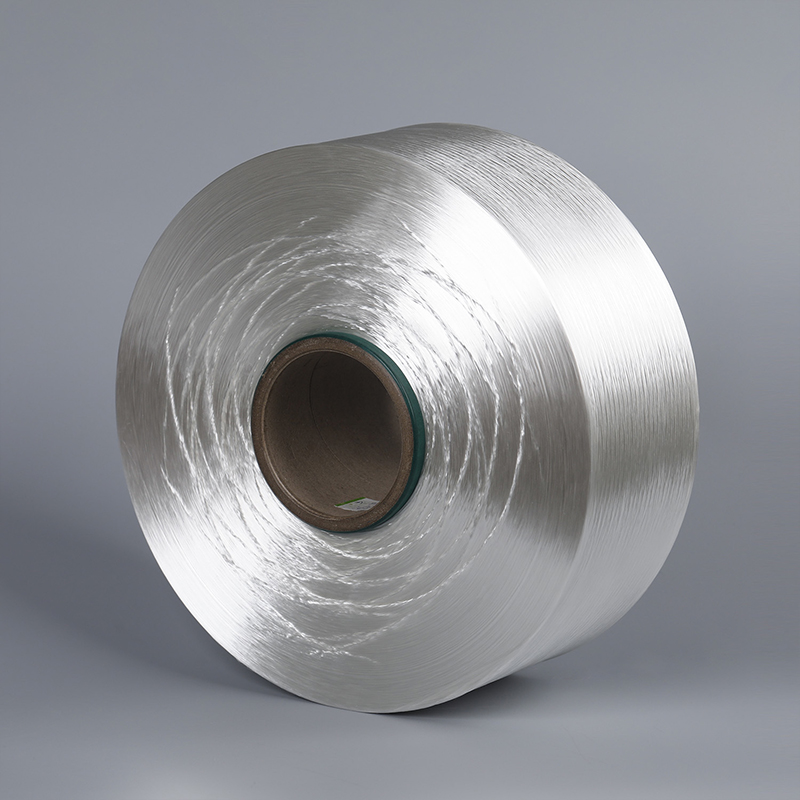
ECDP Pre-oriented POY Yarn
Product developers can use ECDP POY as a platform for creating differentiated textiles. In sportswear, the yarn may be combined with elastane to achieve stretch and recovery while maintaining a soft, deep-colored surface. In underwear, it may be used in fine knitted constructions that emphasize smoothness, fit, and moisture comfort. In woven apparel, it can support clean appearance and durable color.
Designers should consider the relationship between yarn, fabric structure, and finishing. The same yarn may produce significantly different results in a single jersey, interlock, tricot, woven twill, satin, or open construction. The intended result should be defined before selecting the count and conversion route.
Color developers can also use the yarn to expand the range of commercially achievable shades. Dark colors and saturated colors may be produced with a more efficient dyeing approach, while the luster level can be selected to complement the fashion direction. For brands focused on long-term appearance, strong color fastness is an important part of the product specification.
Material engineers should assess ECDP POY alongside other performance requirements. If the product needs anti-static behavior, flame resistance, very high stretch, bonding capability, or biodegradability, ECDP POY may need to be combined with other fibers or evaluated as part of a larger material system. Its strengths are deep dyeing, soft touch, luster, moisture regain, dyeing take-up, and versatile conversion.
POY packages should be stored in a clean, dry environment away from direct sunlight, excessive heat, and sources of contamination. Temperature and humidity should remain reasonably stable to prevent unnecessary changes in yarn behavior. Packages should be kept in their protective packaging until they are ready for use.
During handling, operators should avoid damaging package edges or allowing the yarn surface to contact oil, dust, or sharp objects. Damaged packages can cause unwinding problems and may lead to end breaks during texturing, knitting, or weaving.
Before running a new lot, the customer should confirm package identification, count, filament number, production batch, and any agreed technical requirements. Trial packages should be tested on the intended equipment to verify tension, unwinding, drawability, dyeing response, and fabric appearance.
When changing from conventional polyester POY to ECDP POY, the customer should not assume that all machine settings can remain unchanged. Draw ratio, heater temperature, yarn speed, finish conditions, dyeing temperature, and clearing steps may require adjustment. A controlled trial helps determine the best operating window.
ECDP pre-oriented POY yarn is a modified polyester filament produced through high-speed spinning. It has partial molecular orientation and residual drawability, allowing it to be converted into products such as DTY or FDY. The ECDP modification improves dye affinity and supports deep dyeing, soft touch, luster, moisture regain, and high dyeing take-up.
POY means partially oriented yarn. It is a polyester intermediate yarn that has been partially drawn during high-speed spinning but retains additional drawability. This makes it suitable for downstream draw-texturing, draw-winding, and other conversion processes.
ECDP POY is designed to achieve deep dyeing at approximately 85 degrees Celsius under suitable atmospheric dyeing conditions. The actual result depends on the dye, recipe, fabric construction, time, machine, and after-treatment process. Customers should carry out laboratory and pilot trials before commercial production.
The main difference is the modified polymer structure. ECDP POY is designed for higher dye affinity, deeper color development, higher dyeing take-up, improved moisture regain, and a softer surface. It also retains the processing flexibility associated with POY.
Yes. Its partially oriented structure and residual drawability make it suitable as a feedstock for draw-texturing. The optimum draw ratio, heater temperature, texturing speed, and other settings should be established through technical trials on the customer’s equipment.
Yes. ECDP POY can also be processed through draw-winding systems to produce FDY, subject to the requirements of the selected equipment and final product. The resulting yarn may be used in smooth knitted or woven constructions.
Listed options include 53Dtex/36F, 70Dtex/36F, 131Dtex/72F, and 250Dtex/144F. Other specifications may be discussed as special production by order, depending on technical feasibility and volume requirements.
Typical applications include sportswear, underwear, knitting, weaving, apparel, home decoration, curtains, carpets, and other textile products requiring deep color, softness, good luster, or improved moisture-related comfort.
No. ECDP POY remains a modified polyester filament. Its improved moisture regain is intended to enhance the moisture-related comfort of polyester, but it does not make the yarn identical to a natural or regenerated cellulose fiber. Final performance depends on the fabric structure and finishing process.
The yarn is designed to support good color fastness and deep color, but final fastness depends on the dye, dyeing recipe, clearing, washing, fabric construction, and finishing. Each target shade and end use should be tested according to the customer’s quality standards.
ECDP POY is a modified polyester product and should not be described as biodegradable unless a specific certified formulation is supplied. The product’s main functional advantages are deep dyeing, dyeing efficiency, comfort, appearance, and processing flexibility.
Customers can provide the intended application, machine type, required count, filament number, dyeing route, fabric construction, target hand, luster preference, and expected order quantity. The manufacturer can then review the requirements, recommend a suitable specification, and arrange sample or production trials.
Products are shipped through Shanghai seaport. The manufacturing location is in Haian, Nantong City, Jiangsu Province, China.
A useful inquiry should include the intended end use, desired yarn count, filament count, DTY or FDY conversion plan, knitting or weaving equipment, dyeing temperature, target colors, performance requirements, annual demand, packaging expectations, and delivery destination. More detailed information allows the manufacturer to provide a more accurate recommendation.
ECDP Pre-Oriented POY Yarn offers a practical combination of modified polyester functionality and high-speed-spun processing flexibility. Its deep-dyeing capability at approximately 85 degrees Celsius, good color fastness, high dyeing take-up, soft touch, good luster, improved moisture regain, and residual drawability make it a strong option for manufacturers developing higher-value textile products.
Compared with ordinary polyester POY, it is designed to deliver greater dye affinity and a more comfortable product profile. Compared with surface-treated alternatives, its functional chemistry is introduced at the polymer stage, supporting more integrated performance through the filament cross-section. Compared with finished specialty yarns, its POY format gives downstream processors greater control over drawing, texturing, appearance, and fabric construction.
The product is available in several counts, including 53Dtex/36F, 70Dtex/36F, 131Dtex/72F, and 250Dtex/144F, with special production available by order. This range allows customers to select a material appropriate for fine apparel, sportswear, intimate wear, knitted fabrics, woven fabrics, and home textile applications.
Its commercial value is strengthened by the manufacturing capabilities of NanTong Global Chemical Fiber Co., Ltd. and the GC FIBER product portfolio. Since 2006, the company has focused on special, functional, and eco-oriented textile materials, combining product research, polymer and spinning expertise, quality control, customer cooperation, and export logistics through Shanghai seaport.
For textile manufacturers seeking deeper color, improved dyeing efficiency, softer comfort, and flexible downstream processing, ECDP POY provides a capable material platform. The best results are achieved when the yarn is evaluated through a structured trial program that includes spinning or texturing, fabric formation, dyeing, finishing, and end-use testing.
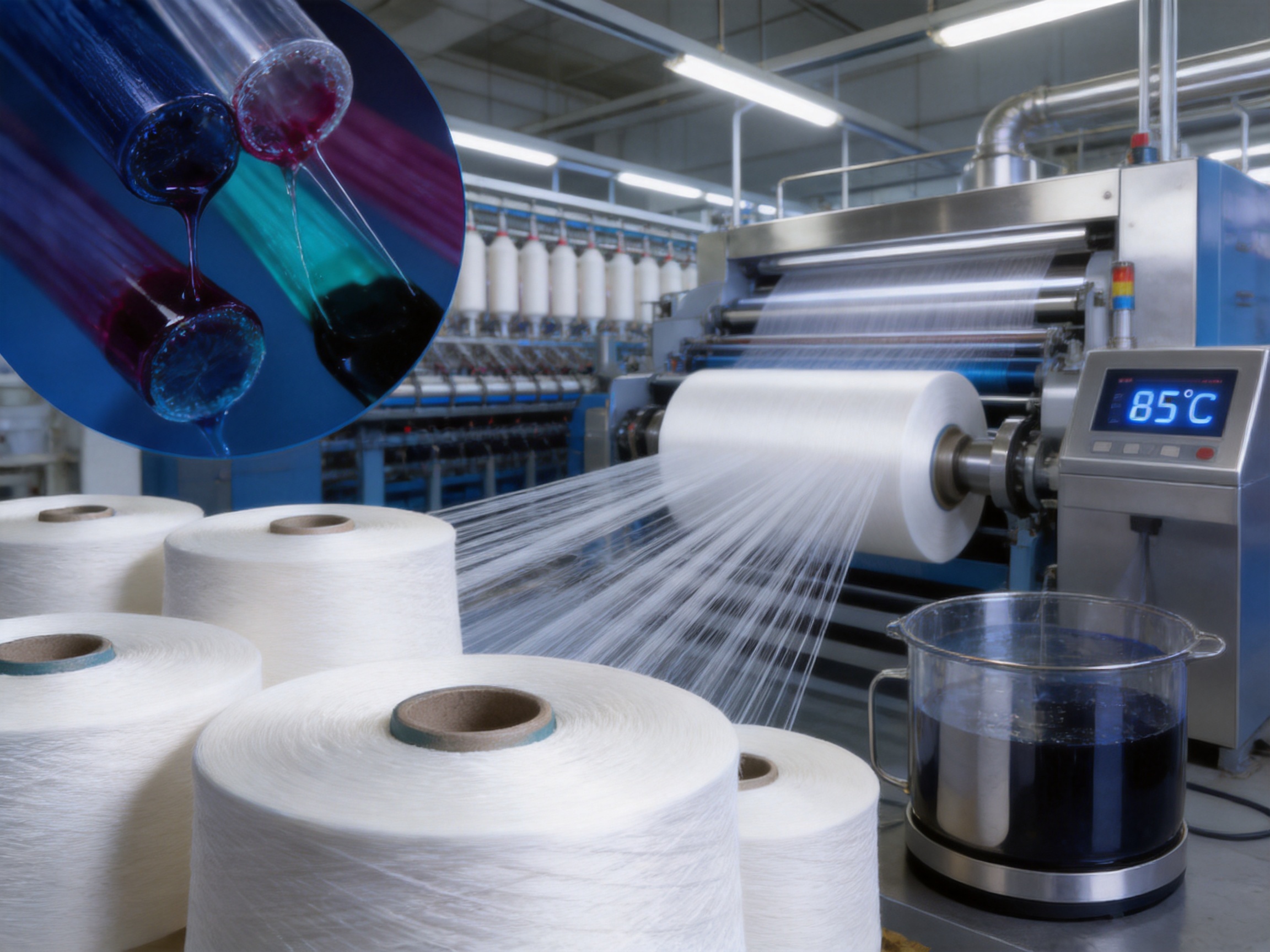
1. Product information supplied for ECDP Pre-Oriented POY Yarn, including stated features, specifications, applications, and logistics.
2. General technical principles of polyester melt spinning, high-speed spinning, partial molecular orientation, draw-texturing, and draw-winding.
3. General textile dyeing principles for modified polyester fibers, disperse dyes, dye uptake, color yield, reduction clearing, and color fastness evaluation.
4. General textile testing practices for tensile properties, elongation, moisture regain, washing fastness, perspiration fastness, light fastness, rubbing fastness, and dimensional stability.
5. General textile manufacturing principles relating to knitting, weaving, yarn package formation, unwinding tension, filament fineness, and fabric finishing.
6. Company information supplied for NanTong Global Chemical Fiber Co., Ltd. and the GC FIBER functional textile product portfolio.
7. General sustainability considerations concerning lower-temperature dyeing, dyeing efficiency, wastewater management, energy consumption, and textile process optimization.
It is made with Bio-base PLA, fully biodegradable Feature: 1. Industrial compost product 2. Made with PLA 3. Eco-frie...
READ MOREPlease fill out the form below and our team will contact you as soon as possible.
Addres: No.66 Qiaogang Road, Haian, Nantong City, Jiangsu Province, China
E-mail: service@gcfiber.com admin@gcfiber.com
Copyright ? GC FIBER All Rights Reserved. Eco-Friendly Textile Products Manufacturer Biodegradable Yarn Company