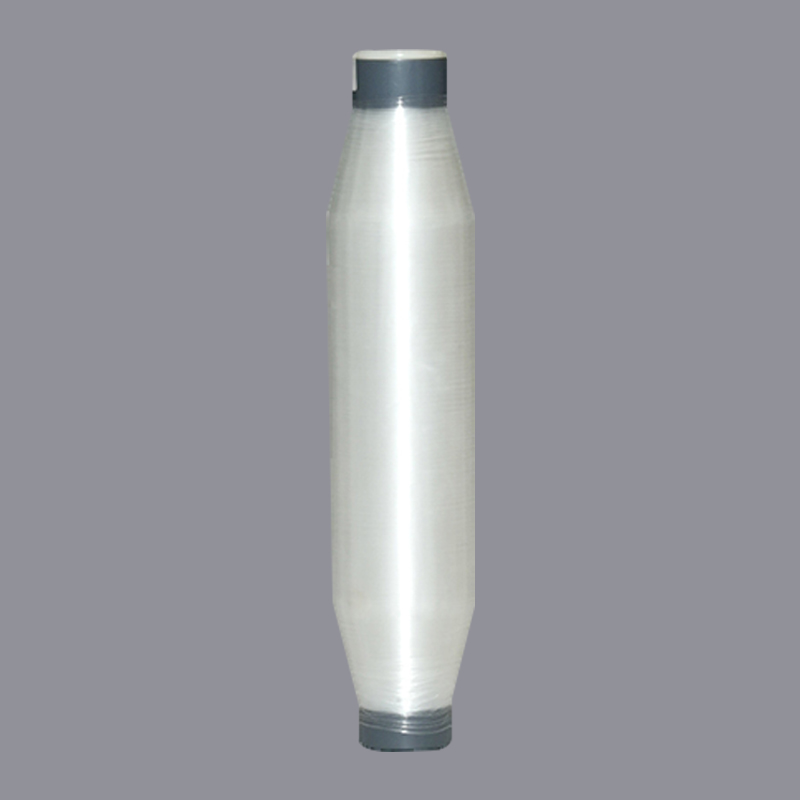
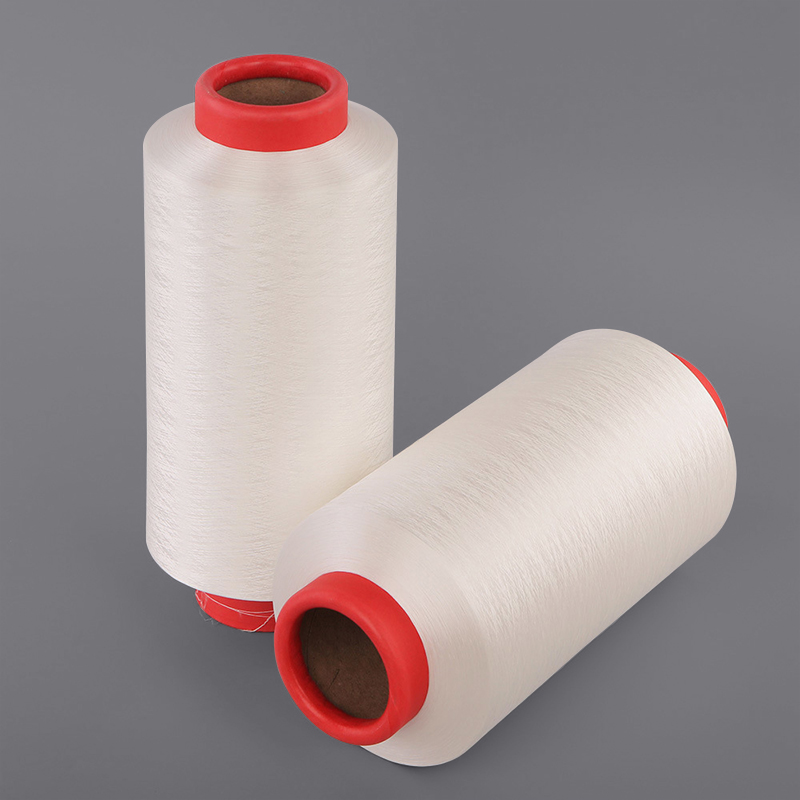
English
 中文简体

Made of PBS (Polybutylene Succinate), fully biodegradable.Features:1.Home compostable2.Raw material: PBS Polybutylene Su...
READ MORE
Content
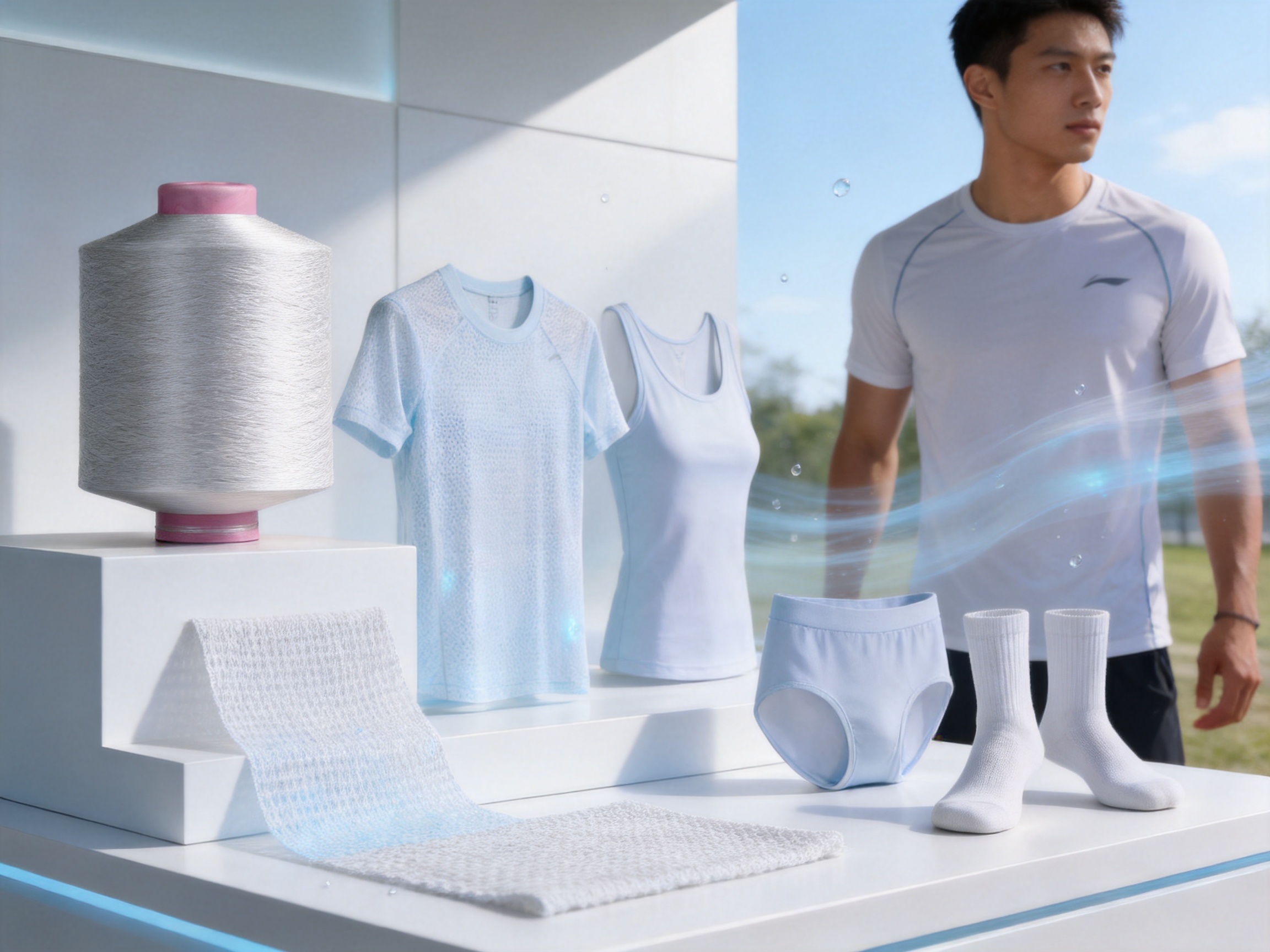
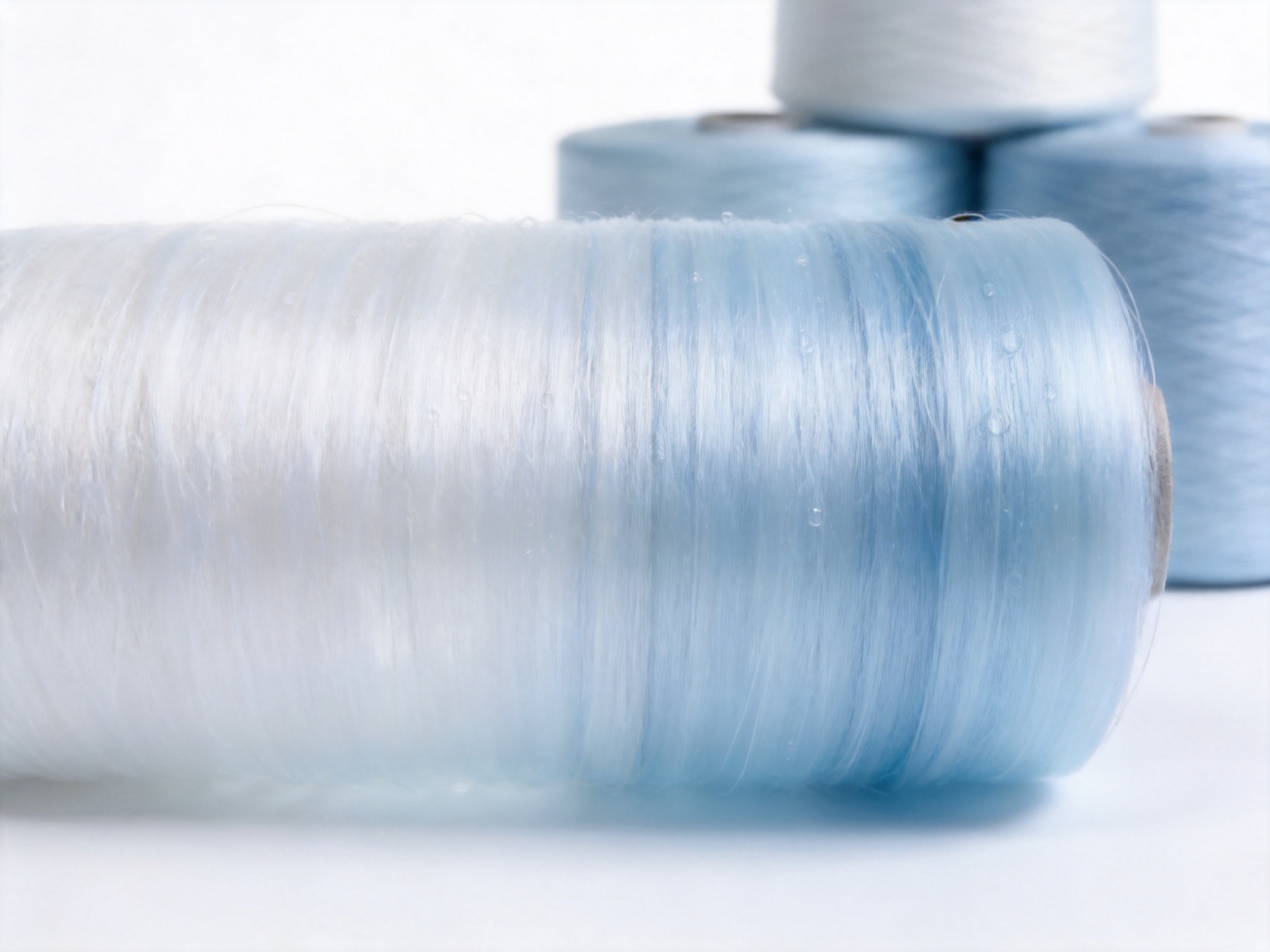
PE/PP bio-component yarn is a specialized functional filament yarn produced by combining polyethylene and polypropylene in a single yarn structure. By bringing together two different polymer materials, this yarn is designed to provide a useful balance of lightness, comfort, cooling performance, surface smoothness, and functional textile value. Its micro-filament construction also supports the production of fine, soft, and flexible fabrics for modern clothing, sportswear, innerwear, socks, summer apparel, and selected technical textile applications.
Unlike conventional single-polymer yarns, a PE/PP bio-component yarn can be engineered so that the properties of polyethylene and polypropylene complement one another. Polyethylene contributes low density, a smooth surface, and a comfortable touch, while polypropylene provides low moisture absorption, good chemical resistance, and a lightweight structure. When these materials are combined through controlled spinning and filament-forming processes, the resulting yarn can offer a distinctive performance profile for textile manufacturers seeking alternatives to ordinary polyester or standard synthetic filament yarns.
The product is available in several commonly requested denier specifications, including DTY 75D, 100D, and 150D. It can be supplied for weaving, knitting, and special production projects according to customer requirements. Customized specifications may include denier, filament count, cross-sectional design, functional treatment, color, packaging, and other technical parameters.
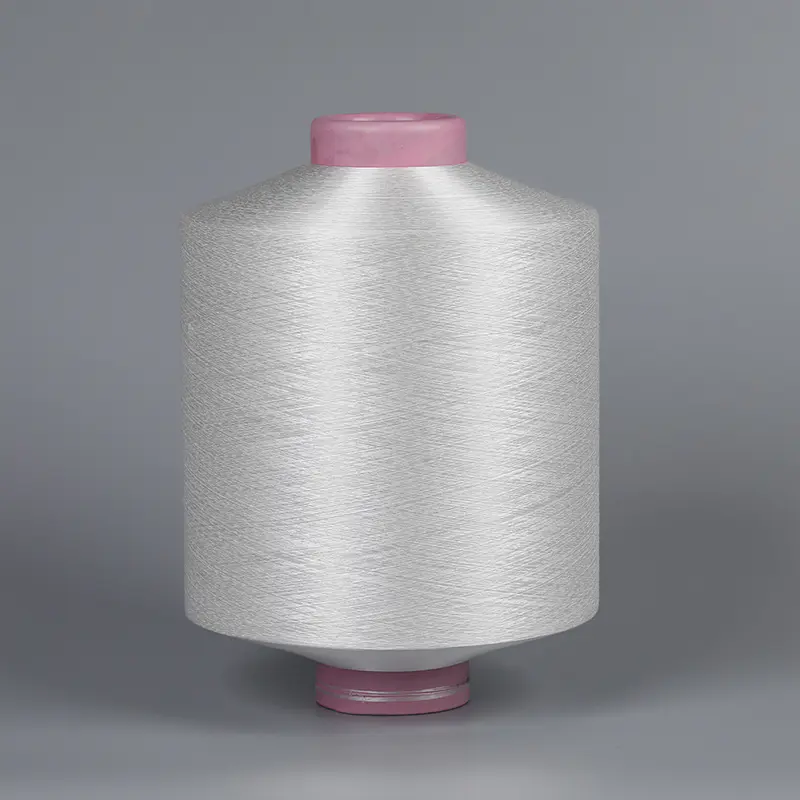
PE/PP bio-component Yarn
PE/PP bio-component yarn is a dual-polymer filament yarn made from polyethylene and polypropylene. The two materials are combined within one yarn system rather than being used as completely separate yarns in a fabric. This structure allows manufacturers to develop a filament with a combination of properties that may be difficult to obtain from a single polymer alone.
The term “bio-component” in this context refers to a yarn formed from two polymer components. It does not necessarily mean that the entire yarn is biodegradable or made from renewable biomass. Buyers should distinguish between “bi-component” or “bio-component” construction and certified biodegradable content. If a project requires certified biodegradability, the raw materials, additives, production route, and certification requirements should be confirmed separately with the supplier.
The PE/PP construction can be adapted for different textile purposes. Fine micro-filaments can be used to produce a soft fabric surface and improved drape. The yarn may also be engineered with particular cross-sectional structures to influence touch, surface area, moisture movement, gloss, and cooling sensation. These options make the product suitable for both general textile production and more specialized functional applications.
Typical product choices include:
• DTY 75D for lightweight fabrics and fine knitted constructions.
• DTY 100D for a balanced combination of coverage, softness, and processability.
• DTY 150D for applications requiring greater substance, coverage, or fabric body.
• Customized filament counts for particular fabric constructions.
• Special production according to technical specifications and order requirements.
Polyethylene and polypropylene have different molecular structures and physical characteristics. Polyethylene is recognized for its low density, smooth touch, and low moisture affinity. Polypropylene is also a low-density polymer and is widely used in textile applications where lightness, durability, chemical resistance, and quick-drying behavior are important.
When these two polymer components are combined in a controlled filament structure, the yarn can be designed to deliver a balanced performance. The PE component can help produce a smooth and comfortable contact surface, while the PP component can contribute to structural stability, low moisture retention, and resilience during processing. The exact final result depends on the polymer grades, component ratio, filament geometry, draw ratio, texturing conditions, finishing treatment, and final fabric construction.
This combination provides an alternative to conventional polyester filament yarn when a manufacturer wants a different hand-feel or a lower-density textile structure. It may also offer advantages over ordinary polypropylene yarn by providing a more refined surface, improved softness, or a distinctive cooling touch. Compared with a simple blend of two separate yarns, a bi-component filament can provide closer integration of the materials within each filament, supporting more consistent fabric behavior when correctly manufactured.
The micro-filament structure is one of the most important features of this product. Fine filaments increase the total surface area of the yarn and can create a smoother, softer, and more refined fabric surface. Micro-filament yarns are particularly valuable in clothing that comes into direct contact with the skin, such as sportswear, base layers, underwear, socks, and summer garments.
A fine filament structure may also improve the visual quality of the finished fabric. It can support a clean surface, delicate appearance, improved drape, and a more uniform distribution of color. In knitted goods, micro-filaments can contribute to a soft and comfortable touch. In woven goods, they can help produce lightweight fabrics with a smooth face and controlled luster.
Micro-filament production requires accurate control of polymer melting, metering, spinning temperature, extrusion pressure, cooling, drawing, and winding tension. Small changes in these parameters can influence filament uniformity and yarn quality. For this reason, manufacturing experience and process control are essential when producing functional bi-component yarns.
PE/PP bio-component yarn is designed to provide a cooling or cool-to-touch sensation. This sensation is influenced by the thermal conductivity, surface smoothness, contact area, moisture behavior, and construction of the finished fabric. When the fabric touches the skin, heat can transfer from the skin to the textile surface. A smooth, well-designed yarn can create a noticeable cool feeling, especially in warm-weather conditions.
The cooling effect should be understood as a textile comfort function rather than as active refrigeration. The yarn does not generate cold. Instead, it can help transfer heat away from the skin and support a more comfortable microclimate when used in a suitable fabric structure. Fabric weight, air permeability, knit or weave density, garment fit, ambient temperature, humidity, and finishing treatments all influence the final user experience.
This property makes the yarn attractive for summer apparel, athletic clothing, underwear, socks, lightweight scarves, sleepwear, and other products where a fresh surface sensation is desirable. It can also be combined with moisture-management design, ventilation zones, mesh construction, or other performance textile technologies.
Both polyethylene and polypropylene are low-density polymers. A yarn made from these materials can help manufacturers develop lighter fabrics while maintaining useful coverage and textile functionality. Lower fabric weight may support greater wearing comfort, easier packing, reduced transportation weight, and improved suitability for warm climates.
Lightweight construction is particularly valuable in sportswear and travel clothing. Athletes and outdoor users often prefer garments that do not feel heavy during movement. Lightweight socks and base layers can also reduce bulk under other garments. In home textiles or technical textile applications, lower density may help reduce material consumption while preserving the required surface and coverage characteristics.
The final fabric weight depends on the selected denier, filament count, fabric density, knitting or weaving method, and finishing process. A 75D yarn may be suitable for delicate and lightweight constructions, while 100D and 150D options may be selected when more coverage or fabric body is required.
Good handle is a major advantage of a functional yarn intended for apparel. PE/PP bio-component yarn can provide a smooth, soft, and comfortable touch when the filament structure and finishing conditions are properly controlled. The fine filament geometry reduces the harshness that can sometimes be associated with coarse synthetic yarns.
A comfortable hand-feel can improve the perceived quality of the final product. It is particularly important for garments worn next to the skin. Consumers often evaluate underwear, sportswear, socks, and summer clothing through direct touch, and a smooth surface can contribute to a positive product impression.
Handle is also affected by the fabric construction. A soft yarn may produce different results in a tightly woven fabric, a brushed knit, a lightweight jersey, or a high-density interlock. During product development, the yarn should therefore be tested in the intended fabric structure rather than evaluated only as a loose yarn package.
PE/PP bio-component yarn can be developed with antibacterial functionality to help inhibit the growth of selected bacteria on the textile surface. This feature is relevant to sportswear, socks, medical support products, hygiene-related textiles, and garments where odor control is important.
Antibacterial performance depends on the type and concentration of treatment, the distribution of the active ingredient, the yarn structure, fabric construction, moisture conditions, washing process, and test method. It is important to define whether the antibacterial function is created through an additive incorporated into the polymer, a surface treatment, or another finishing technology.
Manufacturers and buyers should also distinguish between antibacterial performance and complete sterilization. Antibacterial yarn is intended to reduce or inhibit the growth of certain microorganisms under specified test conditions. It is not a substitute for sterilization and should not be marketed as preventing all infections.
For commercial projects, performance claims should be supported by appropriate laboratory testing. Test reports should identify the tested organism, testing standard, wash condition, sample construction, and performance result. This approach helps ensure that the final claim is accurate and suitable for the intended market.
Textile producers often compare new functional yarns with polyester, nylon, polypropylene, cotton, and blended yarns. PE/PP bio-component yarn does not replace every material in every application. Its value lies in offering a distinctive combination of properties that can be selected when traditional yarns do not fully meet the required performance profile.
| Performance factor | PE/PP bio-component yarn | Potential value to manufacturers |
|---|---|---|
| Density | Low-density polymer construction | Supports lightweight fabrics and reduced garment bulk |
| Surface | Micro-filament structure with smooth contact | Improves softness, drape, and next-to-skin comfort |
| Thermal sensation | Cooling or cool-touch potential | Suitable for warm-weather and performance apparel |
| Moisture behavior | Low moisture affinity and rapid surface movement potential | Supports quick-drying fabric designs |
| Functional options | Can be developed with antibacterial treatment | Adds hygiene and odor-control value to selected products |
| Processing flexibility | Available in multiple deniers and special specifications | Allows adaptation to weaving and knitting requirements |
| Product development | Suitable for customized filament structures and treatments | Supports OEM and application-specific projects |
Compared with standard polyester, PE/PP yarn can provide a different touch and a lower-density fabric profile. Polyester remains highly versatile and widely used, but some buyers seek a cooler, smoother, or lighter textile surface. Compared with cotton, PE/PP yarn offers easier drying and more consistent synthetic-fiber processing, although it does not provide the same natural-fiber character. Compared with ordinary polypropylene, the bi-component construction can be developed for a more refined hand-feel and specialized surface performance.
Compared with a simple blend of separate PE and PP yarns, a bi-component structure can provide more direct integration of the two polymers. This may support more consistent filament behavior and help create a specific cross-sectional performance. The actual advantage depends on the design and quality of the production process, so buyers should evaluate test data and fabric trials before making a final material decision.
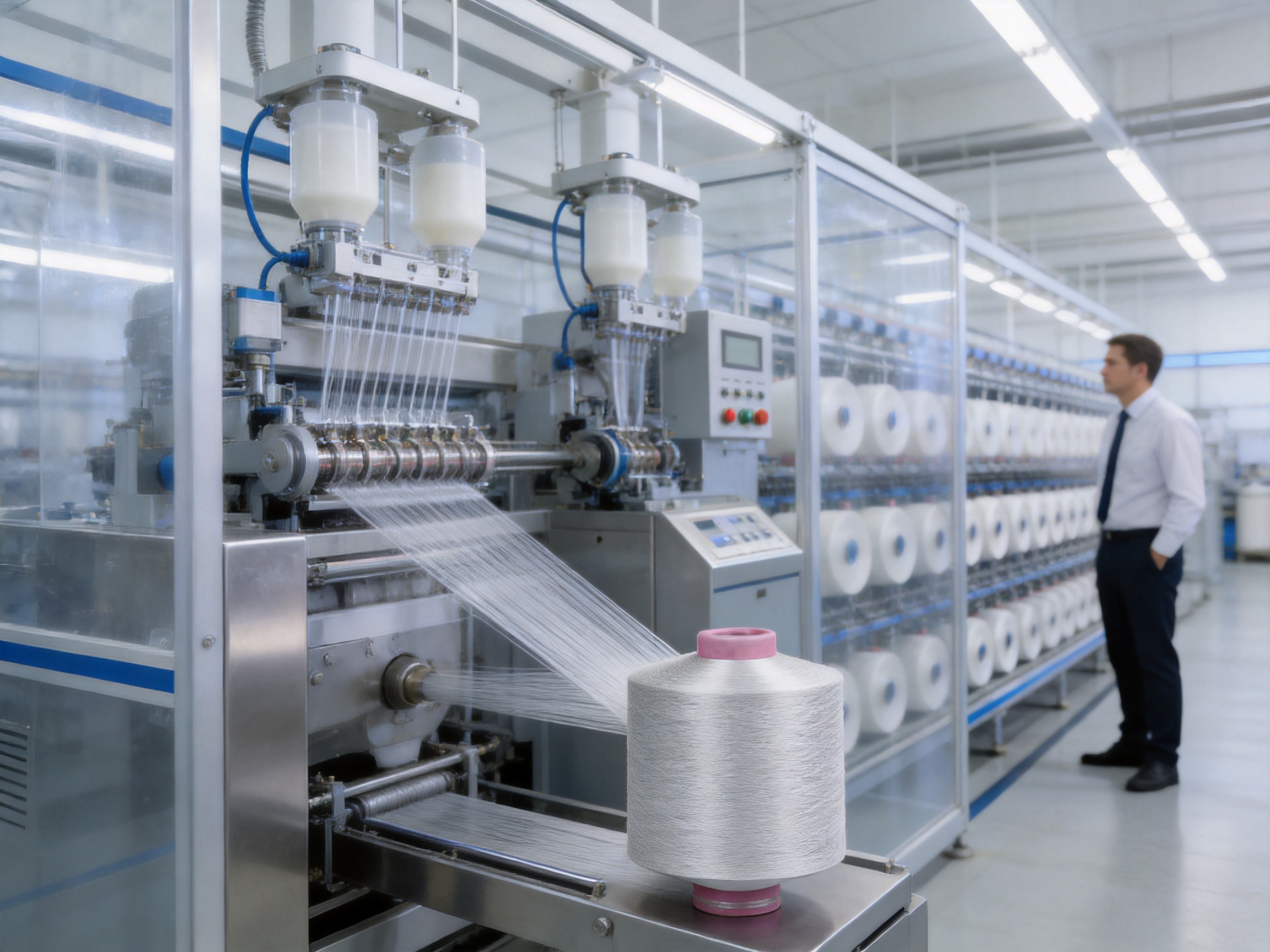
The performance of PE/PP bio-component yarn depends heavily on the quality of the manufacturing process. Since two polymer materials are used together, the production line must manage differences in melting behavior, viscosity, flow characteristics, cooling response, and drawing performance. A controlled process is necessary to prevent filament instability, uneven denier, excessive breakage, or inconsistent functional performance.
Production begins with the selection and inspection of suitable polyethylene and polypropylene raw materials. Polymer grade, molecular weight, melt flow behavior, thermal stability, color, additive compatibility, and cleanliness can all affect yarn quality. Raw materials should be stored in controlled conditions to reduce contamination and maintain consistent processing behavior.
For functional yarn projects, additional considerations may include the compatibility of antibacterial additives, masterbatch dispersion, colorants, stabilizers, and other processing aids. If customers request a particular performance profile, the raw materials must be evaluated according to the target denier, filament count, spinning speed, and application.
Although polyethylene and polypropylene generally have lower moisture sensitivity than some other textile polymers, proper material preparation remains important. Resin handling systems should protect the material from dust, foreign matter, and inconsistent feeding. Where drying or preconditioning is required by the selected formulation, it should be performed according to the technical requirements of the polymer and additives.
Accurate feeding is especially important in bi-component yarn production. The ratio of PE to PP influences density, handle, thermal sensation, tensile properties, and process stability. Automated or closely controlled feeding systems can help maintain a stable component ratio during continuous production.
The two polymers are melted in controlled extrusion systems. Temperature profiles are selected according to the melting characteristics and processing window of each component. Excessive heat may cause degradation, discoloration, or loss of performance, while insufficient heat can result in poor flow and unstable filament formation.
Precision metering pumps regulate the quantity of each polymer delivered to the spinning pack. Stable pressure and flow are important for achieving consistent filament geometry. In a micro-filament product, even small variations in flow may influence the final denier, cross-section, surface quality, and yarn uniformity.
During bi-component spinning, the PE and PP melts are brought together in a specially designed spinning assembly. The spinneret determines how the two polymers are arranged within the filament. Depending on the desired product, the structure may be configured to create a controlled side-by-side, sheath-core, segmented, or other specialized arrangement. The exact structure should be selected according to compatibility, end use, and performance requirements.
The spinning pack must withstand the required temperature and pressure while maintaining accurate polymer distribution. A clean and stable spinning system helps reduce blockages, filament breaks, and denier variation. The spinneret design is also important for producing fine filaments with the required cross-sectional shape.
After extrusion, the freshly formed filaments are cooled and solidified through a controlled quenching system. Air temperature, air velocity, airflow uniformity, and quench position can influence filament orientation and surface quality. Uneven cooling may cause differences between filaments or across the yarn bundle.
For micro-filament yarn, the cooling process must be carefully balanced. Rapid or uneven cooling can create internal stress, while insufficient cooling may cause filament sticking or deformation. Consistent quenching helps establish the physical structure needed for later drawing and texturing.
Drawing stretches the filaments to improve molecular orientation and develop the required mechanical properties. Draw ratio, roller speed, temperature, and tension must be controlled according to the polymer combination and intended product specification.
Proper drawing can improve strength, dimensional stability, and yarn uniformity. However, excessive drawing may increase brittleness or filament breakage. The optimum setting depends on the denier, polymer grade, bi-component arrangement, and final use.
For DTY products, the partially oriented or flat yarn is processed through a texturing stage. Texturing can introduce bulk, elasticity, improved cover, and a more suitable surface for knitting or weaving. The process must be adjusted to preserve the advantages of the PE/PP construction while achieving the desired yarn appearance and recovery.
Texturing parameters may include heater temperature, false-twist conditions, overfeed, draw ratio, spindle or friction-disc speed, and winding tension. Consistent settings help produce uniform crimp, stable package formation, and reliable downstream processing.
After texturing or finishing, the yarn is wound into packages suitable for transportation and customer use. Package density, tension, edge formation, and winding uniformity affect unwinding performance on knitting and weaving machines.
A well-formed package can reduce yarn snarling, tension fluctuations, and machine stoppages. The package format may be adapted to customer equipment, order size, and logistics requirements. Careful packaging also protects the yarn from contamination, compression damage, and moisture exposure during storage and transportation.
Functional yarn quality must be evaluated at multiple stages, from incoming raw materials to finished packages. A professional quality system can include laboratory testing, online monitoring, production records, process inspection, and final product evaluation.
Common physical tests may include:
• Linear density or denier measurement.
• Filament count verification.
• Tensile strength and elongation.
• Shrinkage and dimensional stability.
• Crimp and texturing uniformity.
• Yarn evenness and defect inspection.
• Knot or filament breakage evaluation.
• Package weight and winding quality.
Functional tests may include cooling or contact-temperature evaluation, moisture-management assessment, antibacterial testing, wash durability, colorfastness where applicable, and fabric-level comfort testing.
Testing should be conducted using recognized methods suitable for the intended claim. A yarn may perform differently from a fabric made with that yarn because fabric density, finishing, dyeing, and garment construction influence the final result. Therefore, product development should include both yarn-level and fabric-level testing.
Sportswear requires lightness, comfort, movement flexibility, and moisture control. PE/PP bio-component yarn can support these requirements through its low-density structure, smooth surface, and cooling potential. It may be used in jerseys, training tops, leggings, shorts, athletic underwear, and performance accessories.
For sportswear, the yarn can be knitted into lightweight jersey, mesh, interlock, or engineered zones. Fabric designers may combine it with elastane or other functional yarns to improve stretch and recovery. Antibacterial functionality can also be considered for garments intended for repeated use, provided that suitable performance testing is completed.
Innerwear and base layers are worn directly against the skin, making softness and surface comfort especially important. The micro-filament construction can help create a smooth touch, while the lightweight structure may reduce bulk under shirts, jackets, and uniforms.
The cooling sensation may be useful in warm climates or during physical activity. For base-layer development, designers should balance cooling, air permeability, stretch, coverage, and opacity. A very lightweight fabric may require an appropriate knit structure to achieve the required coverage and durability.
Summer clothing benefits from light, breathable, and comfortable fabrics. PE/PP bio-component yarn can be used in T-shirts, dresses, blouses, lightweight trousers, skirts, sleepwear, and casual garments. Its smooth surface and potential luster may also support fashionable fabric appearances.
Fabric construction remains important. Open structures can improve ventilation, while tighter constructions may provide greater coverage and protection. Yarn denier and filament count can be selected according to the desired balance between lightness, opacity, drape, and durability.
Socks require comfort, abrasion resistance, dimensional stability, and effective management of heat and moisture. PE/PP bio-component yarn can be considered for lightweight socks, summer socks, sports socks, liner socks, and selected legwear products.
In sock production, compatibility with other yarns and elastic components should be reviewed. Heel and toe areas may require reinforcement, while antibacterial treatment may be considered for odor-management purposes. Product testing should include repeated washing, abrasion, pilling, stretch recovery, and dimensional stability.
The yarn is suitable for circular knitting, warp knitting, and other knitting methods when the specification is matched to the equipment. Knitted fabrics can highlight the yarn’s softness, stretch potential, lightness, and cooling surface.
Knitting settings may need to be optimized for yarn tension, stitch density, machine speed, needle selection, and finishing route. A trial run is recommended before mass production, especially when the yarn is being introduced to a new machine or fabric structure.
PE/PP bio-component yarn can also be used in woven fabrics. It may be selected for lightweight woven apparel, linings, summer fabrics, sports textiles, and other products where a smooth surface and low fabric weight are desired.
Warping and weaving performance depends on package quality, yarn tension, filament strength, sizing requirements, loom settings, and fabric density. Weaving trials can help determine the most suitable warp and weft arrangement, reed density, finishing method, and final fabric weight.
Functional yarn projects often require more than a standard catalog specification. A garment brand, fabric mill, or technical textile manufacturer may need a special denier, filament count, cross-section, color, antibacterial performance, cooling effect, or package format. Custom development allows the yarn to be matched more closely to the final application.
Customization may include:
• Denier adjustment beyond standard 75D, 100D, and 150D options.
• Changes in filament count and micro-filament fineness.
• Alternative polymer ratios or component arrangements.
• Specialized cross-sectional structures.
• Antibacterial additive or finishing options.
• Color matching and masterbatch development.
• Customized winding packages.
• Different levels of crimp, bulk, or texture.
• Application-specific tensile and elongation targets.
• Special production quantities for development and mass production.
A successful OEM project usually begins with a technical discussion. The customer should provide information about the intended fabric, machine type, fabric weight, target hand-feel, color, end use, test requirements, expected order quantity, and applicable regulations. The manufacturer can then recommend a preliminary specification and produce samples for evaluation.
Collaboration between the yarn manufacturer and customer is valuable when the project involves a new material or a demanding application. A manufacturer with dedicated design and research capabilities can help convert general performance goals into measurable yarn parameters.
For example, “cool and soft” should be translated into testable targets such as contact-cooling response, surface friction, bending rigidity, moisture-transfer behavior, air permeability, and fabric handle. Similarly, “antibacterial” should be connected to a defined organism, test method, wash condition, and minimum performance level.
This technical approach helps prevent misunderstandings and improves the probability that the yarn will perform successfully in the final product. It also allows customers to compare prototypes according to objective criteria instead of relying only on visual or tactile impressions.
A specialized textile manufacturer contributes more than machinery. Product consistency depends on raw-material control, process knowledge, equipment maintenance, laboratory capability, production planning, quality management, and communication between technical and commercial teams.
GC FIBER has operated as a special textile factory since 2006 and focuses on the research, development, production, and sale of special and functional eco-friendly textile products. Its product range includes biodegradable yarn, low melting yarn, ECDP yarn, anti-static yarn, HDPE yarn, bio-component yarn, and polyester filament yarn.
This product diversity can be valuable for customers developing several materials within one supply relationship. A company that understands multiple functional yarn categories may be better positioned to compare alternatives, combine technologies, and recommend a practical material route for a specific application.
Multiple production lines and machines can provide flexibility for both standard and customized orders. Production flexibility is particularly important for OEM projects, since customers may need laboratory samples, pilot quantities, small initial orders, and later volume production. The ability to move from development to scale without changing the fundamental production approach can help improve consistency.
Control over raw material supply and quality is another important strength. Stable polymer sourcing supports more consistent melt behavior, color, denier, and mechanical performance. A professional raw-material system should include supplier evaluation, incoming inspection, batch records, and traceability throughout production.
A diversified team covering sales, research and development, design, and production can also support better project coordination. Functional yarn development often involves several stages, including initial specification, sample preparation, laboratory testing, fabric trials, customer approval, production planning, inspection, and delivery. Close cooperation between departments helps reduce delays and improves communication.
Functional yarn buyers increasingly consider environmental impact, resource efficiency, and product durability. PE/PP bio-component yarn may support lightweight textile design, which can reduce material use in selected products. Longer product life, lower fabric weight, and efficient production can contribute to a more responsible material strategy.
However, environmental claims should be made carefully. A two-component yarn is not automatically biodegradable, recyclable, or made from renewable resources. PE and PP are synthetic polymers, and their end-of-life behavior depends on the exact material structure, additives, fabric blends, dyeing, finishing, and available recycling systems.
If a customer requires a biodegradable product, the supplier should confirm the actual polymer formulation and provide relevant documentation. If recyclability is important, the project should consider whether the two components can be separated or processed within the intended recycling route. Product labeling and environmental claims should be based on verifiable evidence rather than general wording.
Responsible manufacturing also includes reducing production waste, optimizing energy consumption, controlling emissions, maintaining safe working conditions, and managing water and chemical use. Process efficiency can reduce filament breakage, defective packages, and material waste. Quality stability therefore has both commercial and environmental value.
The correct PE/PP bio-component yarn specification depends on the final product rather than on denier alone. Buyers should review the following factors before placing an order.
First, define the application. Sportswear, underwear, socks, summer woven fabric, and technical textiles may require different levels of softness, strength, stretch, coverage, and abrasion resistance.
Second, identify the processing method. Knitting and weaving impose different requirements on yarn tension, package format, filament strength, friction, and surface behavior. The intended machine type and production speed should be shared with the supplier.
Third, select the appropriate denier. A 75D yarn may suit light and fine constructions, while 100D can provide a balanced option for general apparel. A 150D yarn may be selected when more coverage, body, or durability is needed.
Fourth, define the functional claims. If the project requires cooling, antibacterial performance, quick drying, or odor control, each function should be linked to a measurable test requirement.
Fifth, evaluate fabric-level results. Yarn samples should be knitted or woven into the intended construction and tested for hand-feel, appearance, shrinkage, color, pilling, abrasion, comfort, and wash durability.
Finally, confirm commercial requirements, including minimum order quantity, sample lead time, production lead time, packaging, inspection, shipping arrangements, and delivery port. Shanghai seaport can be arranged for applicable export shipments, subject to order and logistics confirmation.
A practical development workflow can reduce technical risk and shorten the time from concept to production.
Step one is application analysis. The customer and manufacturer identify the intended end use, target market, fabric construction, performance requirements, and relevant regulations.
Step two is specification planning. The parties determine the initial denier, filament count, polymer structure, texture, color, functional treatment, and package type.
Step three is sample production. A laboratory or pilot sample is prepared for yarn inspection and fabric trials.
Step four is fabric evaluation. The yarn is processed through the intended knitting or weaving route. The resulting fabric is tested for appearance, handle, cooling response, moisture behavior, tensile properties, wash durability, and other required characteristics.
Step five is specification adjustment. If necessary, denier, filament count, texturing, polymer ratio, additive level, or process conditions are adjusted.
Step six is customer approval. The final sample, test results, packaging, and quality requirements are confirmed.
Step seven is mass production. Approved parameters are transferred to production, with batch inspection and traceability maintained throughout the order.
Step eight is continuous improvement. Feedback from fabric mills, garment manufacturers, and end users can be used to refine future production and develop additional functional yarn solutions.
The main advantage is the combination of two polymer components in one filament yarn. This structure can provide a useful balance of lightweight construction, smooth handle, cooling touch, low moisture affinity, and optional antibacterial functionality.
Not necessarily. “Bio-component” describes the use of two polymer components and should not automatically be interpreted as “biodegradable.” Any biodegradability claim must be supported by the exact material formulation and appropriate certification.
Common choices include DTY 75D, 100D, and 150D. Customized deniers and filament counts may also be available for special projects, subject to technical evaluation and order requirements.
Yes. The yarn is intended for both weaving and knitting. The correct specification, package type, yarn tension, and machine settings should be selected according to the production method.
The yarn provides a cooling or cool-to-touch textile sensation through heat transfer, surface contact, and the thermal behavior of the polymer structure. It does not actively refrigerate the body. The final result depends on fabric construction and environmental conditions.
Durability depends on the type of antibacterial technology, additive integration, finishing method, fabric construction, washing conditions, and required test standard. Customers should request wash-durability data and define the desired performance before production.
No. PE/PP yarn offers a different performance profile and should be selected for applications where its lightness, smoothness, cooling touch, or other functions are valuable. Polyester may remain more suitable for applications requiring specific dyeing, strength, heat resistance, or established processing characteristics.
Yes. Customization may cover denier, filament count, cross-section, polymer ratio, color, functional treatment, texture, package format, and other technical requirements. OEM projects should begin with a clear product specification and sample evaluation.
A buyer should provide the intended application, knitting or weaving method, yarn denier, filament count if known, color, functional requirements, estimated quantity, packaging preference, delivery destination, testing requirements, and target delivery schedule.
Cooling should be evaluated at both yarn and fabric level. Useful assessments may include contact-cooling response, thermal transfer, moisture management, air permeability, fabric weight, and wearer trials under controlled conditions. The test method should be agreed before making a commercial claim.
Its lightweight structure, smooth hand-feel, cooling potential, and optional antibacterial functionality are suitable for many sportswear designs. The yarn can be knitted into lightweight jerseys, mesh fabrics, base layers, socks, and other performance garments.
Production flexibility may allow support for development quantities, small custom orders, and larger volume requirements. Availability depends on the specification, production schedule, raw-material requirements, and minimum order conditions.
PE/PP bio-component yarn is a versatile functional filament designed for textile manufacturers seeking a combination of lightness, softness, cooling comfort, and optional antibacterial performance. Its dual-polymer construction differentiates it from ordinary single-polymer yarns, while its micro-filament structure supports smooth surfaces, refined handle, and fine fabric development.
The yarn is available in practical DTY specifications such as 75D, 100D, and 150D and can be used in both weaving and knitting. Its application range includes sportswear, innerwear, base layers, summer apparel, socks, legwear, and selected technical or lifestyle textiles.
The product’s value depends not only on the polymer combination but also on manufacturing precision. Raw-material selection, component metering, bi-component spinning, cooling, drawing, texturing, winding, and quality inspection must be carefully controlled to deliver stable performance. A manufacturer with experience in special and functional yarns can provide further value through customized development, OEM support, research capability, production flexibility, and technical coordination.
For customers evaluating this yarn, the best approach is to define measurable requirements, conduct fabric trials, confirm functional test methods, and select the specification according to the final product. With appropriate development and quality control, PE/PP bio-component yarn can provide a strong material option for lightweight, comfortable, and performance-oriented textiles.
1. Textile Institute, Textile Terms and Definitions, guidance on filament yarns, denier, texturing, and textile processing.
2. ASTM International, Standard Test Methods for Textile Properties, including tensile, dimensional stability, moisture, and antibacterial evaluation principles.
3. International Organization for Standardization, Textile Testing Standards, covering yarn linear density, tensile properties, colorfastness, and fabric performance.
4. Synthetic Fiber Engineering Literature, discussions of polyethylene, polypropylene, polymer spinning, drawing, and filament formation.
5. Technical Literature on Bi-Component Fibers, covering polymer combinations, cross-sectional structures, micro-filament design, and functional textile applications.
6. Textile Moisture and Thermal Comfort Research, studies concerning cooling sensation, heat transfer, moisture movement, and apparel comfort.
7. Antimicrobial Textile Testing Guidance, principles for evaluating bacterial inhibition, wash durability, and responsible performance claims.
8. Manufacturer Product and Process Information, specifications and development capabilities for PE/PP bio-component yarn and related functional textile products.
Made of PBS (Polybutylene Succinate), fully biodegradable.Features:1.Home compostable2.Raw material: PBS Polybutylene Su...
READ MOREPlease fill out the form below and our team will contact you as soon as possible.
Addres: No.66 Qiaogang Road, Haian, Nantong City, Jiangsu Province, China
E-mail: service@gcfiber.com admin@gcfiber.com
Copyright ? GC FIBER All Rights Reserved. Eco-Friendly Textile Products Manufacturer Biodegradable Yarn Company